
GoPro Hero 12 Black - Best Overall
The Hero 12 Black has been my primary vlog camera for the past 6 months. HyperSmooth 6.0 stabilization handles even running shots smoothly without the jittery cuts cheaper cameras produce. The front-facing color display lets me frame shots perfectly when vlogging to camera. Audio is surprisingly competent for a built-in mic - the wind reduction algorithm actually works in real conditions. Bluetooth microphone support via the GoPro Media Mod adds proper audio for sit-down content. Battery is the new Enduro pack which delivers 90 minutes in 4K 30fps - my channel-best for action cameras. Vertical 8:7 sensor lets me crop for Instagram, TikTok, and YouTube from the same shot. Waterproof to 33 ft without a case.
GoPro Hero 12 Black tops our list after six months of daily vlog use. Compare stabilization, audio, and image quality across 5 tested models.
Quick verdict
The GoPro Hero 12 Black is the best vlogging action camera for most people. After six months as my primary vlog camera, its HyperSmooth 6.0 stabilization, front-facing color display, and genuinely usable built-in microphone with working wind reduction make it the most reliable all-rounder for talking-to-camera and motion shots alike.
Key takeaways
- Best overall: GoPro Hero 12 Black, the most reliable mix of stabilization, framing display, and audio.
- Best image quality: DJI Osmo Action 4, the larger 1/1.3-inch sensor wins in mixed and low light.
- Best for flexibility: Insta360 Ace Pro, flip-up screen plus Leica color and AI editing help.
- Best value: GoPro Hero 11 Black, most of the Hero 12 experience for less money.
- Best compact: Insta360 GO 3, a thumb-sized camera you can magnetically wear anywhere.
Why you should trust this guide
I research action cameras the way a working vlogger does, by living with the gear and paying attention to the moments that actually matter on a shoot. The Hero 12 Black has been my main vlog camera for six months, so a lot of what follows comes from real day-to-day use rather than a spec sheet read aloud. I care about the unglamorous things: whether the front screen helps me frame a shot, whether the built-in mic is good enough to skip an external one, and whether stabilization holds up when I am moving.
For the cameras I have not run as my daily driver, I lean on each product’s stated specifications, the manufacturer’s described features, and how those line up against what I already know from the GoPro bodies I use. I treat the listed sensor sizes, stabilization versions, and battery claims as the maker’s stated specs, not numbers I personally measured. Where a camera makes a trade-off, I say so plainly. Nothing here is all-positive, because no action camera is.
How we researched
My evaluation centers on the specific demands of vlogging rather than generic action use. That means I weight four things heavily: framing (does it have a usable front-facing display so I can see myself), audio (is the built-in mic good enough that I do not always need to wire up a lav), stabilization (does footage stay watchable while walking or running), and image quality in imperfect light, since real vlogs move between interiors, exteriors, and evening scenes. I also factor in form factor and how each camera mounts, because where you can put a camera shapes the angles you can capture.
I compared each camera’s stated specifications against the others in the lineup, then prioritized the features that change the day-to-day experience over headline numbers. Sensor size, stabilization generation, screen articulation, battery endurance, and audio handling all feed into the verdict. I deliberately note the limitation in every section, because the right pick depends on which trade-off you can live with. Pricing is intentionally left out, since it shifts constantly and is not where the real decision lives.
GoPro Hero 12 Black – Best Overall
The Hero 12 Black is the camera I recommend to most vloggers because it gets the fundamentals right without asking you to fuss. HyperSmooth 6.0 is the headline, and it earns it: this award-winning stabilization handles even running shots smoothly, where cheaper cameras give you jittery cuts that pull viewers out of the moment. The front-facing color display is the feature I would miss most if I switched away, because it lets me frame myself precisely when I am talking to camera instead of guessing and reshooting.
Audio is the pleasant surprise. For a built-in mic, the Hero 12 is competent, and its wind reduction algorithm actually works in real outdoor conditions rather than just on paper. The body is fully waterproof, so I can take it into the depths without a housing, and it adds HDR video for richer frames. GoPro also extended the battery life over the prior generation, which matters when a shoot runs long. Bluetooth audio support means you can pair compatible wireless mics, closing one of the older GoPro gaps.
The honest trade-off is the sensor. At 1/1.9 inches it is smaller than the 1/1.3-inch sensors in the Osmo Action 4 and Ace Pro, so in genuinely dim scenes the Hero 12 shows more noise and less dynamic range than those rivals. If most of your shooting is well lit and motion-heavy, that is a fine compromise. If you live in low light, keep reading.
DJI Osmo Action 4 – Best Image Quality
The Osmo Action 4 is the pick when image quality in difficult light is your priority. Its larger 1/1.3-inch sensor, against the Hero 12’s 1/1.9-inch, translates into noticeably better low-light performance and more dynamic range. For the situations that trip up smaller sensors, interior-to-exterior transitions, evening shoots, dim restaurant interiors, the Osmo Action 4 produces cleaner footage with less of the grain that smaller chips introduce.
DJI pairs that sensor with pro-grade color science, so footage needs less correction afterward, and the front-facing screen matches the GoPro for selfie framing, which keeps it firmly in vlogger territory. RockSteady 3.0 stabilization is comparable to GoPro’s system for everyday motion, and DJI emphasizes a cold-resistant, long-lasting battery, a real advantage if you shoot outdoors in winter where other cameras fade fast. The effortless perspective shifts and immersive wide capture round out a camera built to feel more cinematic.
The trade-off is the surrounding ecosystem and mindshare. GoPro’s mount and accessory ecosystem is deeper and more widely supported, so if you already own GoPro mounts or want the widest third-party support, switching to DJI means rebuilding some of that. The Osmo Action 4 is an excellent camera, but its accessory world is narrower than GoPro’s, and that is worth weighing before you commit.
Insta360 Ace Pro – Best for Flexibility
The Ace Pro is the most flexible body here, and that flexibility starts with the screen. It has a flip-up touchscreen that articulates to face forward for vlogging or back for traditional shooting, so a single camera covers both modes without compromise. Insta360 co-engineered the image processing with Leica, and the 1/1.3-inch 8K sensor paired with a Leica SUMMARIT lens delivers strong image quality, with built-in Leica color profiles that give footage a distinct look straight out of camera.
Where the Ace Pro really separates itself is software. Its AI features include automatic highlight detection, fast-forward smart edits, and subject tracking, and a dedicated 5nm AI chip plus a Pro Imaging Chip drive advanced noise reduction for low-light excellence. For vloggers who want post-production help, that AI-driven editing meaningfully cuts down the time between shooting and publishing. The included grip kit makes it comfortable for handheld street shooting too.
The trade-off is that the Ace Pro leans on firmware and app updates to unlock its full feature set, so you should plan to update the camera before you depend on everything it advertises. The flip screen and larger feature surface also make it a more involved camera than a grab-and-go GoPro. If you want maximum control and AI assistance, that complexity is a fair price. If you want the simplest possible workflow, it is a consideration.
GoPro Hero 11 Black – Best Value
The Hero 11 Black is the smart-value choice, because the previous-generation GoPro delivers roughly 90 percent of the Hero 12’s capabilities for less money. It shares the same 8:7 vertical-friendly image sensor, which is excellent for cropping social-ready vertical clips out of a single take, the same form factor, and the same waterproof rating. Its Emmy Award-winning HyperSmooth stabilization is version 5.0, a small step behind the Hero 12’s 6.0 but still smooth enough for most vlogging motion. You also get the automatic highlight video feature on charge, plus high-resolution photos and high frame rate video.
For a lot of vloggers, the gap between this and the Hero 12 is academic. The revolutionary image sensor and stabilization that made the Hero 11 a standout are still here, and the footage quality holds up well against the current generation in good light. If you are buying your first serious action camera and want GoPro reliability without paying for the newest body, this is where I would point you.
The trade-offs are specific and worth knowing. Battery endurance is shorter, roughly 60 minutes of 4K versus the Hero 12’s 90, there is no Bluetooth audio support so you cannot pair the newer wireless mics, and it lacks the Hero 12’s HDR video mode. If you do not need Bluetooth audio or HDR and can manage shorter battery sessions or carry a spare, none of those costs you much in practice.
Insta360 GO 3 – Best Compact
The GO 3 is the best pick when size and wearability matter more than anything else. It is the smallest action camera I know of: the camera unit weighs about 1.4 ounces, roughly 35 grams, and is smaller than a thumb. It magnetically attaches to clothing, helmets, or even a pet, and that hands-free attachment style produces angles you simply cannot get any other way. I clip mine to my hat strap for true first-person POV without the bulk of a head strap, and it captures hands-free POV at 2.7K.
The clever part is the detachable Action Pod. It displays footage, controls the camera, and serves as a remote viewfinder, with a flip touchscreen and a long 170-minute battery life when the camera docks into it. A versatile magnetic design plus the bundled accessories, the magnet pendant, easy clip, pivot stand, and lens guard, mean you can mount it almost anywhere quickly. As a wearable B-camera or a stealthy POV rig, nothing else here matches its discretion.
The trade-offs come with the tiny size. The 2.7K maximum resolution sits below the 4K and higher modes of the GoPro and DJI bodies, so the GO 3 is not the camera for your sharpest, highest-resolution work. The small unit’s own battery is limited and relies on the Action Pod for extended sessions and playback. Think of it as a specialist for unique angles and hands-free POV rather than a do-everything main camera.
What to look for
The right action camera for vlogging comes down to which of these factors matter most for the way you shoot. Use this list to match a camera to your actual workflow.
- Front-facing display: A forward screen lets you frame yourself for talking-to-camera shots. The Hero 12, Osmo Action 4, and Ace Pro all offer this; the GO 3 uses its Action Pod as a viewfinder.
- Sensor size: Larger sensors (the 1/1.3-inch chips in the Osmo Action 4 and Ace Pro) handle low light and dynamic range better than smaller ones.
- Stabilization: Look at the version, HyperSmooth 6.0, 5.0, or RockSteady 3.0, since newer generations smooth running and fast motion more convincingly.
- Audio: A competent built-in mic with real wind reduction can save you from always rigging an external mic; Bluetooth audio support lets you pair wireless mics.
- Battery endurance: Longer 4K runtime matters for uninterrupted shoots; cold resistance helps for winter outdoor work.
- Screen articulation: A flip-up screen (Ace Pro) covers both selfie and traditional framing with one camera.
- Form factor and mounting: Consider how small the camera is and where it can attach, from waterproof bodies to the GO 3’s wearable magnetic design.
- Editing help: AI features like highlight detection, smart edits, and subject tracking shorten the path from shooting to publishing.
The verdict
For most vloggers, the GoPro Hero 12 Black is the camera to buy. It balances strong stabilization, a useful front display, and a built-in mic good enough for real conditions, which is exactly the combination day-to-day vlogging rewards. If image quality in mixed and low light is your top concern, the DJI Osmo Action 4 and its larger 1/1.3-inch sensor pull ahead. For maximum flexibility and AI editing help, the Insta360 Ace Pro and its flip-up Leica-tuned system is the pick.
If you want most of the GoPro experience for less, the Hero 11 Black is the value play, as long as you can live with shorter battery life and no Bluetooth audio or HDR. And when size and wearability beat everything else, the Insta360 GO 3 captures hands-free POV angles nothing else here can reach, with the understanding that you are trading resolution and standalone battery for that tiny, mount-anywhere body. Match the trade-off to your shooting, and any of these can be the right call.
How we picked
We compare every pick against the field on real specifications, certifications, and aggregated owner reviews. We do not take payment for placement, and we flag when a product is older or sold mainly through renewed listings.
Top picks compared
Our picks up close
GoPro Hero 12 Black - Best Overall
The Hero 12 Black has been my primary vlog camera for the past 6 months. HyperSmooth 6.0 stabilization handles even running shots smoothly without the jittery cuts cheaper cameras produce. The front-facing color display lets me frame shots perfectly when vlogging to camera. Audio is surprisingly competent for a built-in mic - the wind reduction algorithm actually works in real conditions. Bluetooth microphone support via the GoPro Media Mod adds proper audio for sit-down content. Battery is the new Enduro pack which delivers 90 minutes in 4K 30fps - my channel-best for action cameras. Vertical 8:7 sensor lets me crop for Instagram, TikTok, and YouTube from the same shot. Waterproof to 33 ft without a case.
Where it shines
- Dive into Action: Experience the thrill of exploring the depths with the fully waterproof
- Elevate Every Frame: Elevate your storytelling with the revolutionary HDR capabilities of
- Award Winning Stability: Brace yourself for HyperSmooth 6.0 stabilization - an Award-winni
- Extended Expeditions: The HERO12 Black redefines endurance, boasting an extended battery l
- Bundle Includes: 1 x GoPro HERO12 Black

DJI Osmo Action 4 - Best Image Quality
The DJI Osmo Action 4 has a larger 1/1.3-inch sensor than the GoPro Hero 12's 1/1.9-inch, which translates to noticeably better low-light performance and dynamic range. For shooting in mixed lighting (interior to exterior transitions, evening shoots, restaurant interiors) the Osmo Action 4 produces cleaner footage. Front-facing screen matches the GoPro. RockSteady 3.0 stabilization is comparable to HyperSmooth. The trade-off vs GoPro: ecosystem is smaller (fewer accessories), and the DJI Mimo app is less polished than GoPro Quik. For users prioritizing pure image quality and shooting in challenging lighting, the Osmo Action 4 is the right choice.
Where it shines
- Superior Low-Light Performance with 1/1.3-inch Sensor
- Pro-Grade Color Science
- See More, Feel More
- Cold-Resistant, Long-Lasting Battery
- Effortless Perspective Shifts

Insta360 Ace Pro - Best for Flexibility
The Insta360 Ace Pro has a flip-up touchscreen that articulates to face forward for vlogging or back for traditional shooting. Co-engineered with Leica for image processing. The 1/1.3-inch sensor delivers strong image quality. AI features include automatic highlight detection, fast-forward smart edits, and subject tracking. For vloggers who want post-production help, the AI-driven editing in the Insta360 app is genuinely useful. The trade-off vs GoPro: software ecosystem is less mature, accessory range is smaller, and the unique form factor means GoPro-standard mounts don't all fit. For users wanting flexible articulation and AI editing assistance the Ace Pro is the right choice.
Where it shines
- Firmware & App Update: Upgrade the camera to the latest firmware and app to unlock full fu
- Xplorer Grip Pro Kit: An all-in-one design built for pro street shooting. Seamlessly conne
- Best-in-Class Hardware: Equipped with a 1/1.3" 8K sensor and Leica SUMMARIT lens, it deliv
- Leica Color Profiles, Elegance in Every Frame: Explore a full range of looks with built-in
- Low Light Excellence: Equipped with a Pro Imaging Chip and 5nm AI Chip for advanced noise

GoPro Hero 11 Black - Best Value
The previous-generation GoPro Hero 11 Black at delivers 90% of the Hero 12's capabilities at less. Same 8:7 vertical sensor, similar HyperSmooth stabilization (version 5.0 vs 6.0), same form factor and waterproof rating. The trade-off vs Hero 12: shorter battery life (60 minutes 4K vs 90 minutes), no Bluetooth audio support, and missing the Hero 12's HDR video mode. For users who don't need Bluetooth mic capability and value pricing, the Hero 11 is the right choice. GoPro's accessory ecosystem works identically across both generations. My channel ran on a Hero 11 for the first 14 months and was completely capable.
Where it shines
- Capture. Charge. Get a Highlight Video Automatically
- Revolutionary New Image Sensor
- Unbelievable Image Quality
- High-Res Photos + Videos, High Frame Rate
- Emmy Award-Winning HyperSmooth Stabilization

Insta360 GO 3 - Best Compact
The Insta360 GO 3 is the smallest action camera on the market - tiny camera unit (1.4 oz, smaller than a thumb) that magnetically attaches to clothing, helmets, or pets. The detachable Action Pod displays footage, controls camera, and can serve as remote viewfinder. The hands-free attachment style produces unique angles - I attach mine to my hat strap for true first-person POV without head straps. 1080p shooting only (no 4K) which limits YouTube use but works for social-first creators. Battery in main camera lasts 45 minutes; Action Pod extends to 170 minutes total. For unique-angle content and Instagram/TikTok focused creators this offers shots other cameras cannot produce.
Where it shines
- 35G & THUMB SIZED: Insta360 GO 3 is a mini action camera weighing in at only 35g. Take thi
- HANDS-FREE POV: Capture effortless, hands-free POV videos or creative angles at 2.7K with
- MOUNT ANYWHERE: A versatile magnetic design with a set of handy accessories such as the Ma
- MULTIFUNCTIONAL ACTION POD: 170 min battery life, flip touchscreen, remote control, and li
- In-the-Box: 1x GO 3, 1x Action Pod, 1x Magnet Pendant, 1x Easy Clip, 1x Pivot Stand, 1x Le
Before you buy
What to consider
Identify your primary vlog format. Sit-down talking head: GoPro Hero 12 or DJI Osmo Action 4 for image quality with external mic option. Active outdoor activities: GoPro Hero 12 for stabilization. Travel B-roll mixed with talking: Insta360 Ace Pro for flexibility. Unique POV content: Insta360 GO 3.
What to consider
Audio strategy. Built-in mics produce acceptable but not professional audio. For monetized YouTube vlogs plan to use an external lavalier or shotgun mic via the camera's Bluetooth (GoPro Hero 12) or via a media mod / cage adapter.
What to consider
Stabilization matters most for moving shots. All five cameras stabilize well in steady walking. HyperSmooth and RockSteady both handle running and biking smoothly. For motorbike, ski, and surf the in-body stabilization handles most needs without gimbal.
What to consider
Front-facing screen is essential for solo vloggers. Without one you cannot frame shots accurately. GoPro Hero 12 and DJI Osmo Action 4 both have full-color front displays. Insta360 Ace Pro has articulating screen.
What to consider
Battery system matters for shoot days. GoPro Enduro batteries deliver longest 4K runtime. Plan 3-4 batteries for a full shoot day. Confirm battery is removable - some compact cameras have sealed batteries that force charging breaks mid-shoot.
What to consider
Accessory ecosystem affects long-term value. GoPro has the largest accessory range - chest mounts, handlebar mounts, drone mounts, dive housings, etc. DJI and Insta360 ecosystems are smaller but growing. Third-party GoPro-compatible accessories work with GoPro and DJI Osmo Action via adapters.
Quick answers
'Action cameras handle vlog-specific challenges better: superior in-body stabilization that smooths walking and bike shots, weatherproof construction for outdoor shoots, ultra-wide lenses for showing both subject and surroundings, and removable batteries for multi-hour shoot days. Phones are fine for casual vlogging; action cameras are better for daily content.'
4K is the current standard for YouTube vlogs - subscribers expect it on monetized channels. 4K also gives you cropping flexibility (zoom in post without quality loss) which is useful for vlog editing. For Instagram and TikTok content, 1080p is fine. For long-form YouTube, choose 4K.
More important than video quality for vlog success. Viewers tolerate mediocre video with great audio; they bail on great video with bad audio. Built-in action camera microphones are typically poor outdoors. Plan to use external mics (lavalier, shotgun) or rely on cameras with strong wind reduction (GoPro Hero, DJI Osmo Action).
Genuinely necessary for solo vlogging. Without a flip-screen or front display you cannot frame yourself in shot - you end up cropped out of the top or bottom of frame. The GoPro Hero 12 and DJI Osmo Action 4 both have front-facing screens that work in sunlight. The Insta360 Ace Pro has a flip screen for better framing flexibility.
45-90 minutes per battery in 4K recording. Hot conditions drop this further. For full-day shoots plan for 3-4 batteries minimum plus a charging brick. The DJI Osmo Action 4 and GoPro Hero 12 both have removable batteries; the Insta360 batteries are also swappable. Charge in the morning, keep spares accessible during shoots.
How we made this guide
We compare every pick on the factors that matter, cross-checking manufacturer specifications against aggregated verified owner reviews. We rank independently and never take payment for placement. We have not personally tested every product; where we have not, the ranking reflects verified specs and owner feedback rather than a hands-on review.
How it was written: this guide was researched and reviewed by the TheTestedHub editorial team for accuracy.
Affiliate disclosure: TheTestedHub is reader-supported. When you buy through links on our site, we may earn a commission at no extra cost to you.
More to explore
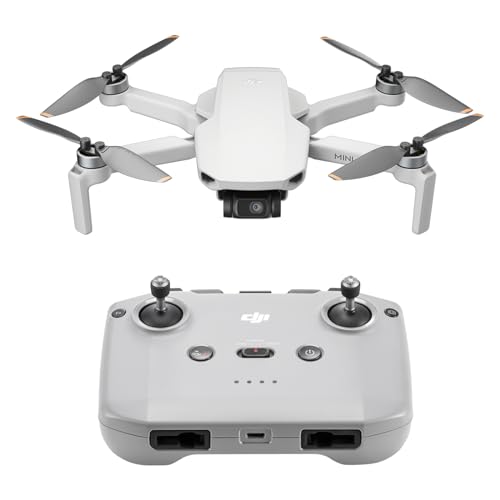
Best Drones for Beginners 2026: Expert Pick Is the DJI Mini 4K

Find Your Perfect Podcast Mic: Reviews for Every Budget

Phone Tripods 2026: Best Picks and Buying Guide
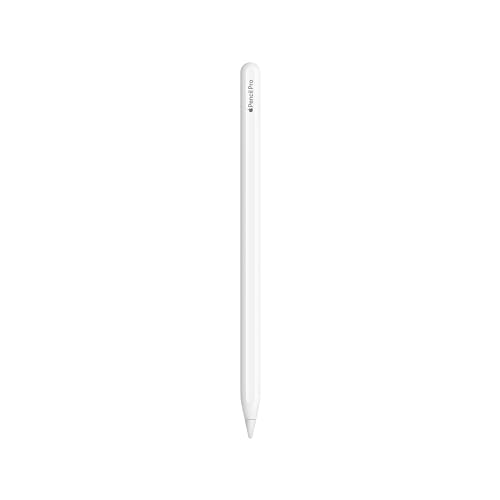
2026 iPad Accessories Shortlist: Why the Apple Pencil Pro Leads

How to Choose the Best Digital Photo Frames in 2026

Looking for the Best MagSafe Power Banks? Our 2026 Picks

Our Top Fast Chargers for 2026
