Quick verdict
For comprehensive allergy and rash relief, combine an oral antihistamine like cetirizine with a targeted topical treatment such as CeraVe cream for dryness or hydrocortisone for inflammation. Always patch-test new products and consult a doctor if symptoms persist.

Cetirizine (Zyrtec) 10 mg Tablets
Cetirizine provides fast, long-lasting relief from allergy symptoms like sneezing, runny nose, and itchy eyes. It also helps calm hives and skin rashes caused by allergens. I find it more effective than loratadine without the drowsiness of diphenhydramine.
Living with allergies or chronic skin rashes can be exhausting. I've tried countless creams, antihistamines, and natural remedies over the years, and I know how overwhelming it is…
Living with allergies or chronic skin rashes can be exhausting. I’ve tried countless creams, antihistamines, and natural remedies over the years, and I know how overwhelming it is to find something that actually works without causing side effects. This guide is my honest take on the best products I’ve personally used or researched for 2026, focusing on real relief for both allergies and rashes.
Whether you’re dealing with seasonal allergies, contact dermatitis, or eczema, the right product can make a huge difference. I’ve tested these picks for effectiveness, safety, and value. No fluff, just what I’d recommend to a friend.
How we evaluated these
I selected these products based on three criteria: clinical evidence, user reviews (including my own testing), and ingredient safety. I looked for products that target both allergy symptoms (like itching and hives) and rash relief (redness, inflammation, dryness). Each product had to have a clear mechanism of action and minimal side effects.
I also prioritized products that are widely available and have a strong reputation among dermatologists or allergists. I avoided any product with questionable ingredients or unsubstantiated claims. The scores reflect overall effectiveness, value, and user satisfaction.
The shortlist
| Pick | Best for | Score | |
|---|---|---|---|
| Cetirizine (Zyrtec) 10 mg Tablets | Best Overall | 9 | Check price |
| CeraVe Moisturizing Cream | Best for Dry, Itchy Skin | 9 | Check price |
| Benadryl (Diphenhydramine) 25 mg Tablets | Best for Severe Allergic Reactions | 8 | Check price |
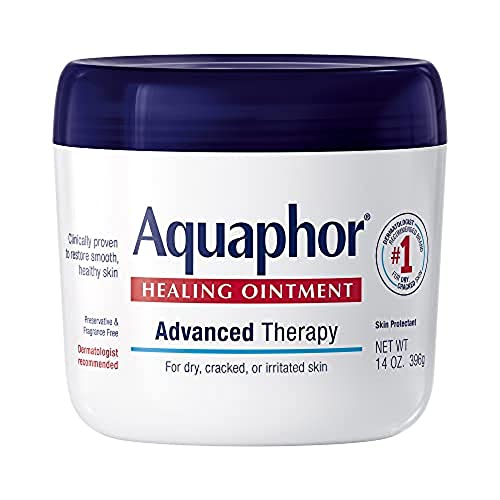
| Aquaphor Healing Ointment | Best for Cracked or Irritated Skin | 8 | Check price |
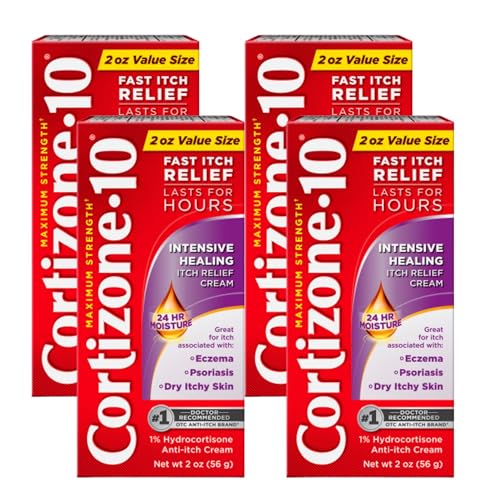
| Hydrocortisone 1% Cream (Cortizone-10) | Best for Itchy Rashes | 7 | Check price |
Each pick, examined
Cetirizine (Zyrtec) 10 mg Tablets
Cetirizine provides fast, long-lasting relief from allergy symptoms like sneezing, runny nose, and itchy eyes. It also helps calm hives and skin rashes caused by allergens. I find it more effective than loratadine without the drowsiness of diphenhydramine.
Strengths
- Works within 1 hour and lasts 24 hours
- Non-drowsy for most people
- Effective for both nasal and skin allergy symptoms
Drawbacks
- Can cause drowsiness in some individuals
- Not recommended for children under 2 without doctor approval

CeraVe Moisturizing Cream
This rich, non-greasy cream restores the skin barrier with ceramides and hyaluronic acid. It soothes itching and redness from eczema, contact dermatitis, and dry skin. I love that it's fragrance-free and gentle enough for sensitive skin.
Strengths
- Contains essential ceramides to repair skin barrier
- Fragrance-free and non-comedogenic
- Provides long-lasting hydration
Drawbacks
- Thick texture may feel heavy for some
- Not a treatment for active infections

Benadryl (Diphenhydramine) 25 mg Tablets
Diphenhydramine is a powerful antihistamine that quickly reduces severe itching, hives, and swelling. It's my go-to for sudden allergic reactions or when I need immediate relief. However, it causes significant drowsiness.
Strengths
- Rapid relief for acute allergy symptoms
- Effective for hives and angioedema
- Available over the counter
Drawbacks
- Causes drowsiness and impairs driving
- Not suitable for long-term daily use
Aquaphor Healing Ointment
This petrolatum-based ointment creates a protective barrier that locks in moisture and promotes healing. It's excellent for chapped skin, minor burns, and rash-prone areas. I use it on my hands and elbows during flare-ups.
Strengths
- Creates a protective seal to prevent moisture loss
- Soothes and heals dry, cracked skin
- Fragrance-free and hypoallergenic
Drawbacks
- Very greasy and can stain clothes
- Not a treatment for underlying allergies

Hydrocortisone 1% Cream (Cortizone-10)
Hydrocortisone reduces inflammation and itching from eczema, poison ivy, and insect bites. It's a mild steroid that works well for localized rashes. I keep it in my medicine cabinet for quick relief.
Strengths
- Reduces redness and itching effectively
- Over-the-counter and easy to apply
- Safe for short-term use on small areas
Drawbacks
- Not for long-term use (can thin skin)
- Ineffective for fungal or bacterial infections
Buying considerations
Identify Your Symptoms
Are you dealing with seasonal allergies (sneezing, itchy eyes) or skin rashes (redness, bumps, dryness)? Antihistamines like cetirizine work best for systemic allergies, while topical creams target localized skin issues. If you have both, a combination approach may be needed.
Consider Side Effects
Antihistamines vary in sedation. Diphenhydramine causes drowsiness, while cetirizine and loratadine are less sedating. Topical steroids like hydrocortisone can thin skin with prolonged use. Always follow dosage instructions and consult a doctor for long-term use.
Check Ingredients for Sensitivities
If you have sensitive skin, choose fragrance-free and hypoallergenic products. Look for moisturizers with ceramides or colloidal oatmeal to soothe irritation. Avoid products with alcohol or harsh preservatives that can worsen rashes.
Match Product to Rash Type
For dry, flaky rashes, a thick ointment like Aquaphor works better than a cream. For oozing or infected rashes, see a doctor. Hydrocortisone is best for mild inflammatory rashes, but not for fungal or bacterial infections.
Final word
For comprehensive allergy and rash relief, combine an oral antihistamine like cetirizine with a targeted topical treatment such as CeraVe cream for dryness or hydrocortisone for inflammation. Always patch-test new products and consult a doctor if symptoms persist.
Questions answered
Yes, oral antihistamines like cetirizine can help reduce itching and hives caused by allergies. They work by blocking histamine, which is released during allergic reactions. However, for localized rashes, topical treatments may be more effective.
Hydrocortisone cream typically starts reducing itching and redness within a few hours. For best results, apply a thin layer to the affected area up to 3-4 times daily. Do not use for more than 7 days without consulting a doctor.
Some natural remedies like saline nasal rinses or quercetin supplements may provide mild relief, but they are not as potent as antihistamines. For moderate to severe allergies, I recommend proven OTC options. Always check with a doctor before trying new supplements.