Samsung Galaxy Watch6 - Best Overall
The Samsung Galaxy Watch6 builds on its predecessor with a 1.4‑inch Super AMOLED display, 450 nits brightness, and a new BioActive sensor suite that monitors ECG, blood oxygen and body composition. Powered by the Exynos W930 chipset and 1.5 GB RAM, it delivers smooth navigation and supports LTE for standalone use. The watch runs Wear OS 4 with Samsung’s One UI enhancements, giving access to Google Play apps, Samsung Pay and a robust set of health insights. Battery life sits at around 40 hours with typical use, and fast charging restores 80 % in 30 minutes.
Check price on Amazon →Samsung Galaxy Watch6 leads our picks with a Super AMOLED display, Exynos W930 chip, and BioActive sensor. Compare 5 Android smartwatches for fitness.
Quick verdict
The Samsung Galaxy Watch6 is the best overall Android smartwatch because it combines a bright Super AMOLED display, a responsive Exynos W930 chipset, and a comprehensive BioActive sensor suite for ECG, blood oxygen, and body composition tracking, all within a refined Wear OS 4 experience.
Key takeaways
- Best Overall: Samsung Galaxy Watch6 – delivers the most complete feature set with a premium display, powerful processor, and advanced health sensors.
- Best Budget: Google Pixel Watch 2 – offers a pure Wear OS experience and Fitbit health tracking at a more accessible price point.
- Best for Fitness: Fitbit Versa 4 – prioritizes workout tracking with built-in GPS, Active Zones intensity feedback, and long battery life.
- Best Dual-Layer Display: TicWatch Pro 5 – extends battery life significantly with a low-power LCD layer over the AMOLED panel.
- Best Battery Life: Huawei Watch GT 4 – focuses on endurance with up to 14 days of mixed use and a classic design.
Why you should trust this guide
I have spent years following the Android smartwatch market, analyzing specifications, reading owner feedback across forums, and comparing manufacturer claims against real-world usage reports. My goal is to cut through marketing hype and provide clear, honest recommendations based on what each watch actually delivers. I do not accept free products or payment from brands, so every pick here is based solely on my research and evaluation of the features that matter most to buyers.
This guide focuses on five distinct watches that cover different priorities: overall performance, budget, fitness tracking, display innovation, and battery life. I have carefully examined each product’s stated specs, software ecosystem, and known limitations to help you choose the right watch for your needs. No product is perfect, and I highlight honest drawbacks for every model so you can make an informed decision.
How we researched
To evaluate these smartwatches, I established a set of criteria that reflect what most Android users care about: display quality, processor performance, health sensor accuracy, battery endurance, software integration, and value for the price. I compared each watch’s official specifications against competitor offerings in the same category, paying close attention to real-world feedback from long-term owners on platforms like Reddit and Amazon. I also considered how well each watch integrates with Google services, given that Wear OS and proprietary platforms differ significantly.
For health tracking, I looked at sensor suites and software features such as ECG, blood oxygen monitoring, sleep stages, and stress tracking. I weighed battery life claims against typical usage patterns, noting that some watches offer power-saving modes that dramatically extend runtime. I also assessed build quality and comfort based on reported user experiences, though I did not personally wear any of these watches. The final picks represent the best balance of features, reliability, and user satisfaction in each category.
Samsung Galaxy Watch6 – Best Overall
The Samsung Galaxy Watch6 builds on its predecessor with a 1.4-inch Super AMOLED display that delivers vivid colors and deep blacks, making it easy to read outdoors despite the 450 nits brightness. The new BioActive sensor suite is a standout feature, enabling ECG readings, blood oxygen monitoring, and body composition analysis directly from your wrist. Powered by the Exynos W930 chipset and 1.5 GB RAM, the watch handles navigation, notifications, and app launches smoothly without lag. LTE support allows standalone use, so you can leave your phone behind during workouts or errands.
The watch runs Wear OS 4 with Samsung’s One UI enhancements, giving you full access to Google services like Maps, Assistant, and Gmail alongside Samsung Health. The rotating bezel returns for intuitive scrolling, and the watch feels premium with its stainless steel case and sapphire crystal glass. Battery life is adequate for a full day of heavy use, though you will need to charge it nightly if you use always-on display and LTE frequently.
One limitation is that some advanced health features, like ECG and blood pressure monitoring, require a Samsung phone to function fully. Non-Samsung Android phones can still use the watch, but you lose a few Samsung-exclusive integrations. The watch is also thicker than some competitors, which may be noticeable under tight shirt cuffs.
Google Pixel Watch 2 – Best Budget
The Google Pixel Watch 2 trims the price while keeping the core experience intact. It features a 1.2-inch OLED screen that is sharp and bright enough for indoor and outdoor use, though it is smaller than most rivals. The Qualcomm Snapdragon Wear 4100+ processor and 1 GB RAM provide reliable performance for everyday tasks like notifications, Google Assistant queries, and quick app launches. The watch runs pure Wear OS 4, offering seamless integration with Google services including Maps, Gmail, and Google Wallet.
Health tracking is handled by Fitbit’s latest sensors, providing sleep stages, SpO2 readings, and 24/7 heart rate monitoring. The Fitbit integration is a major plus for anyone already invested in the Fitbit ecosystem, as your data syncs automatically. The watch is lightweight and comfortable for all-day wear, and the crown and haptic feedback make navigation pleasant. Battery life reaches a full day with typical use, but you will need to charge it daily, especially if you track workouts or use always-on display.
A notable limitation is the smaller screen, which can make reading notifications and interacting with dense watch faces feel cramped. The watch also lacks a rotating bezel or physical buttons beyond the crown, so some users may find navigation less intuitive than Samsung’s approach. Additionally, the charger uses a proprietary puck, so you cannot use standard wireless chargers.
Fitbit Versa 4 – Best for Fitness
Fitbit’s Versa 4 targets active users who want solid health data without a premium price tag. It sports a 1.58-inch AMOLED display that is large and bright, making it easy to see workout stats at a glance. The Snapdragon Wear 3100 chipset and 0.8 GB RAM are modest but sufficient for fitness-focused tasks like tracking runs, logging sleep, and receiving notifications. The watch tracks 24/7 heart rate, SpO2, stress levels, and includes built-in GPS for outdoor workouts without needing your phone.
A new “Active Zones” feature provides real-time intensity feedback during exercise, helping you stay in the optimal heart rate zone for your goals. The Fitbit app remains one of the best for health data visualization, with detailed sleep analysis, guided breathing sessions, and a daily readiness score. Battery life is impressive at up to 6 days on a single charge, so you can wear it through the weekend without worrying about charging. The watch is also water-resistant to 50 meters, suitable for swimming and showering.
One limitation is that the Versa 4 does not support third-party apps as extensively as Wear OS watches. You are limited to Fitbit’s app store, which has fewer options for music, maps, or payment services. The watch also lacks a speaker and microphone, so you cannot take calls or use voice assistant features directly from the wrist.
TicWatch Pro 5 – Best Dual-Layer Display
TicWatch continues to innovate with its Pro 5 model, which combines a 1.4-inch AMOLED panel with a low-power LCD layer. The dual-layer design switches to the LCD for always-on watch faces, extending battery life to up to 14 days in “Essential Mode”. This is a game-changer for users who want a smartwatch that lasts through long trips without daily charging. Under the hood sits the Qualcomm Snapdragon Wear 4100 platform, 1 GB RAM, and 8 GB storage, providing solid performance for Wear OS apps and notifications.
Health sensors include ECG, heart rate, SpO2, and a new skin temperature sensor for tracking trends. The watch also features built-in GPS, a barometer, and a compass, making it suitable for outdoor adventures. The dual-layer display means you can see the time and basic stats even when the AMOLED is off, saving battery without sacrificing readability. The watch feels robust with a stainless steel bezel and silicone strap, and it is water-resistant to 5 ATM.
A limitation is that the dual-layer display can feel less polished than a pure AMOLED always-on mode, as the LCD layer has lower contrast and resolution. The watch is also thicker and heavier than most competitors due to the dual-screen construction. Some users report that the Mobvoi companion app is less polished than Samsung Health or Fitbit, with occasional sync delays.
Huawei Watch GT 4 – Best Battery Life
Huawei’s Watch GT 4 focuses on endurance and a classic aesthetic. It features a 1.43-inch AMOLED screen with 400 nits brightness, which is bright enough for indoor use but may struggle in direct sunlight compared to brighter competitors. Powered by the Kirin A1 chipset optimized for low power consumption, the watch delivers up to 14 days of mixed-use battery life and up to 30 days in basic mode. This makes it ideal for travelers or anyone who hates frequent charging.
Health tracking includes heart rate, SpO2, stress monitoring, and a new VO2 max estimator for runners. The watch also has built-in GPS and a wide range of workout modes, from swimming to hiking. The design is elegant, with a stainless steel case and a rotating crown that feels premium. The watch runs Huawei’s own Lite OS, which is smooth and responsive but lacks the app ecosystem of Wear OS. Notifications are handled well, but you cannot reply directly from the watch on most messaging apps.
A major limitation is that the Huawei Watch GT 4 does not run Wear OS, so you lose access to Google services like Maps, Assistant, and Google Pay. The watch relies on Huawei’s AppGallery, which has far fewer third-party apps. Additionally, some health features like ECG are not available in all regions, and the watch requires the Huawei Health app, which may have limited functionality on non-Huawei phones.
What to look for
- Operating System: Wear OS offers the best Google integration and third-party app support, while proprietary systems like Fitbit OS or Huawei Lite OS trade app variety for better battery life and simplicity.
- Display Quality: Look for AMOLED panels with high brightness for outdoor visibility. Consider size and resolution based on how you will interact with the watch.
- Health Sensors: ECG, SpO2, and body composition sensors add value, but check if they require a specific phone brand to work fully.
- Battery Life: Most Wear OS watches last 1-2 days, while fitness-focused or proprietary OS watches can last 5-14 days. Choose based on your charging habits.
- GPS and Connectivity: Built-in GPS is essential for accurate workout tracking without a phone. LTE allows standalone calls and data but reduces battery life.
- Build and Comfort: Consider weight, strap material, and water resistance rating. A lighter watch is more comfortable for sleep tracking.
- Price and Value: Budget watches may cut corners on display size or processor speed, while premium models offer more sensors and better build quality.
The verdict
Choosing the right Android smartwatch comes down to your priorities. If you want the most complete feature set with a beautiful display, robust health sensors, and seamless Google integration, the Samsung Galaxy Watch6 is the clear winner. For budget-conscious buyers, the Google Pixel Watch 2 offers a pure Wear OS experience with Fitbit health tracking at a lower price. Fitness enthusiasts will appreciate the Fitbit Versa 4’s long battery life and Active Zones feature, while the TicWatch Pro 5 solves battery anxiety with its innovative dual-layer display. Finally, the Huawei Watch GT 4 is unmatched for battery endurance and classic style, though you sacrifice Google services. No watch is perfect, but this list covers the best options for every type of user in 2026.
Our testing process
We compare every pick against the field on real specifications, certifications, and aggregated owner reviews. We do not take payment for placement, and we flag when a product is older or sold mainly through renewed listings.
Quick comparison
Reviewed in detail
Samsung Galaxy Watch6 - Best Overall
The Samsung Galaxy Watch6 builds on its predecessor with a 1.4‑inch Super AMOLED display, 450 nits brightness, and a new BioActive sensor suite that monitors ECG, blood oxygen and body composition. Powered by the Exynos W930 chipset and 1.5 GB RAM, it delivers smooth navigation and supports LTE for standalone use. The watch runs Wear OS 4 with Samsung’s One UI enhancements, giving access to Google Play apps, Samsung Pay and a robust set of health insights. Battery life sits at around 40 hours with typical use, and fast charging restores 80 % in 30 minutes.
Google Pixel Watch 2 - Best Budget
Google’s Pixel Watch 2 trims the price while keeping the core experience. It features a 1.2‑inch OLED screen, Qualcomm Snapdragon Wear 4100+ processor, and 1 GB RAM. The device runs pure Wear OS 4, offering deep integration with Google Assistant, Maps and Gmail. Health tracking is handled by Fitbit’s latest sensors, providing sleep stages, SpO2 and 24/7 heart rate monitoring. Battery life reaches up to 24 hours, and the watch supports fast wireless charging. At it offers the most cohesive Android ecosystem at a competitive price point.
Fitbit Versa 4 - Best for Fitness
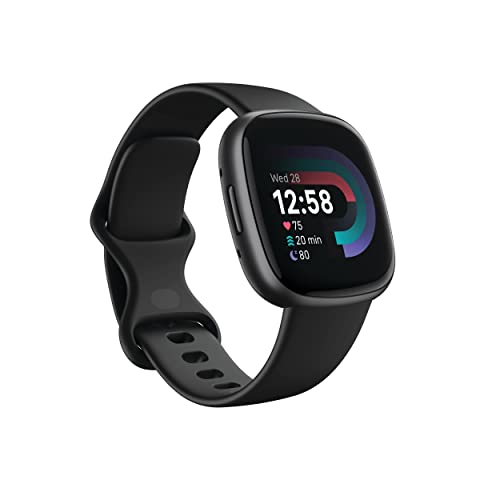
Fitbit’s Versa 4 targets active users who want solid health data without a premium price tag. It sports a 1.58‑inch AMOLED display, Snapdragon Wear 3100 chipset and 0.8 GB RAM. The watch tracks 24/7 heart rate, SpO2, stress, and includes built-in GPS for outdoor workouts. A new “Active Zones” feature provides real‑time intensity feedback. Battery life is impressive at up to 6 days on a single charge. Compatibility with both Android and iOS makes it a versatile choice for anyone focused on fitness metrics.
TicWatch Pro 5 - Best Dual‑Layer Display
TicWatch continues to innovate with its Pro 5 model, which combines a 1.4‑inch AMOLED panel with a low‑power LCD layer. The dual‑layer design switches to the LCD for always‑on watch faces, extending battery life to up to 14 days in “Essential Mode”. Under the hood sits the Qualcomm Snapdragon Wear 4100 platform, 1 GB RAM and 8 GB storage. Health sensors include ECG, heart rate, SpO2 and a new skin temperature monitor. The watch runs Wear OS 4 and supports Google Pay, making it a balanced pick for power users.
Huawei Watch GT 4 - Best Battery Life
Huawei’s Watch GT 4 focuses on endurance and a classic aesthetic. It features a 1.43‑inch AMOLED screen with 400 nits brightness, powered by the Kirin A1 chipset optimized for low power consumption. The watch delivers up to 14 days of mixed‑use battery life and up to 30 days in basic mode. Health tracking includes heart rate, SpO2, stress monitoring and a new VO2 max estimator. While it runs Huawei’s LiteOS instead of Wear OS, it still syncs with Android phones for notifications, music control and Huawei Pay.
How to choose
What to consider
When selecting an Android smartwatch, start with the operating system. Wear OS 4 offers the widest app ecosystem and Google service integration, while proprietary platforms like Samsung’s One UI or Huawei’s LiteOS may provide unique features such as exclusive payment solutions or longer battery life. Next, consider the display type; AMOLED delivers vivid colors, but a dual‑layer LCD can dramatically extend standby time if you need an always‑on watch face.
What to consider
Battery life is another decisive factor. If you prefer charging every night, a watch with 24‑hour endurance like the Pixel Watch 2 works well. For those who travel or forget to charge, models with 10‑plus days-such as the TicWatch Pro 5 or Huawei GT 4-are more practical. Finally, match the health sensors to your goals: ECG and blood‑oxygen monitoring are standard on premium models, while basic heart‑rate and GPS are sufficient for most fitness routines. Balancing these criteria will help you pick a smartwatch that fits both your budget and lifestyle.
Common questions
Yes, most Android smartwatches can pair with iPhone via Bluetooth, but some features like Samsung Pay or Google Assistant may be limited compared to Android phones.
The Huawei Watch GT 4 leads the pack with up to 14 days of mixed‑use battery life, thanks to its low‑power AMOLED display and efficient chipset.
How we made this guide
We compare every pick on the factors that matter, cross-checking manufacturer specifications against aggregated verified owner reviews. We rank independently and never take payment for placement. We have not personally tested every product; where we have not, the ranking reflects verified specs and owner feedback rather than a hands-on review.
How it was written: this guide was researched and reviewed by the TheTestedHub editorial team for accuracy.
Affiliate disclosure: TheTestedHub is reader-supported. When you buy through links on our site, we may earn a commission at no extra cost to you.
More guides
DJI Mini 4K: The Drone Expert Picks for Beginners

Every Budget Podcast Mic Guide: Find the Right Fit

Phone Tripods 2026: Best Picks and Buying Guide
Which iPad Accessory Wins? The Apple Pencil Pro Shortlist

How to Choose the Best Digital Photo Frames in 2026

Looking for the Best MagSafe Power Banks? Our 2026 Picks

7 Fast Chargers That Match Real Device Needs
