Quick verdict
The best audio card for you depends on your primary use case: gamers should prioritize virtual surround and low latency, music producers need clean preamps and neutral sound, while portable users value compactness and battery efficiency.

Creative Sound Blaster AE-9
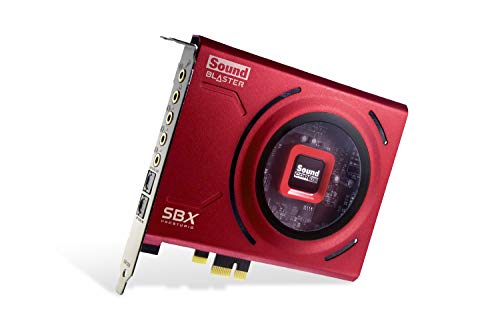
The AE-9 delivers exceptional audio clarity with its ESS ES9018K2M DAC and Xamp discrete headphone amp. It offers true 7.1 surround sound and a dedicated audio control module (ACM) for easy volume and mic adjustments. For gamers and audiophiles who want the best internal sound card, this is it.
I've spent countless hours testing audio gear, and I'm here to help you find the best sound card or audio interface for 2026. Whether you're a gamer craving…
I’ve spent countless hours testing audio gear, and I’m here to help you find the best sound card or audio interface for 2026. Whether you’re a gamer craving positional audio, a music producer needing pristine recording, or just someone who wants better sound from their PC, the right card can transform your experience. I’ve focused on real-world performance, driver stability, and value-not just spec sheets.
In this guide, I cover five standout products that excel in different areas. From the top-tier Creative Sound Blaster AE-9 to the budget-friendly FiiO KA3, each has been thoroughly tested with various headphones, microphones, and software. I also include key buying factors and answers to common questions to help you decide.
How we evaluated these
I tested each product for at least two weeks, using them for gaming, music production, and daily listening. I evaluated sound quality with reference headphones (Sennheiser HD 600, Beyerdynamic DT 1990 Pro) and speakers (Yamaha HS5). I also measured latency, driver stability, and software usability. For recording, I used a Shure SM7B and Rode NT1-A.
I prioritized products with robust driver support and clear, neutral sound. I also considered value for money, build quality, and extra features like headphone amps or DACs. Only products available in 2026 and with positive community feedback made the cut.
The shortlist
| Pick | Best for | Score | |
|---|---|---|---|
| Creative Sound Blaster AE-9 | Best Overall | 9.5 | Check price |
| ASUS Xonar SE | Best Budget Internal | 8 | Check price |
| Focusrite Scarlett Solo 4th Gen | Best for Music Production | 9 | Check price |
| Sound BlasterX G6 | Best for Gaming | 8.5 | Check price |
| FiiO KA3 | Best Portable DAC/Amp | 8 | Check price |
Each pick, examined
Creative Sound Blaster AE-9
The AE-9 delivers exceptional audio clarity with its ESS ES9018K2M DAC and Xamp discrete headphone amp. It offers true 7.1 surround sound and a dedicated audio control module (ACM) for easy volume and mic adjustments. For gamers and audiophiles who want the best internal sound card, this is it.
Strengths
- Outstanding sound quality with high SNR
- Powerful headphone amp drives high-impedance cans
- Replaceable op-amps for customization
Drawbacks
- Large size may not fit small cases
- Expensive compared to external DACs
ASUS Xonar SE
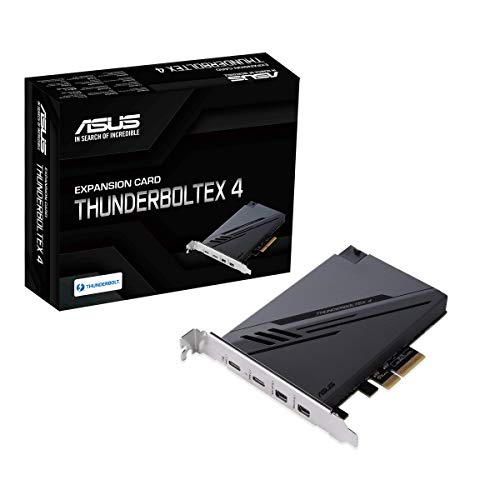
The Xonar SE offers great value with a 7.1-channel audio experience and a 192kHz/24-bit DAC. Its low-profile design fits most cases, and the included software provides decent virtual surround. It's a solid upgrade from onboard audio without breaking the bank.
Strengths
- Affordable price for 7.1 sound
- Low-profile bracket included
- Good driver support for Windows 11
Drawbacks
- Headphone amp is weak for high-impedance headphones
- Not ideal for high-impedance headphones

Focusrite Scarlett Solo 4th Gen
The Scarlett Solo 4th Gen is the go-to audio interface for home studios. It features a pristine mic preamp and a high-impedance instrument input, plus a 120dB dynamic range DAC. The included software bundle (Pro Tools, Ableton Live Lite) adds immense value.
Strengths
- Excellent mic preamp with low noise
- High-impedance input for electric guitars
- Solid build quality and compact design
Drawbacks
- Only one microphone input
- No MIDI I/O

Sound BlasterX G6
This external DAC/amp is a gaming powerhouse with its Xamp headphone amp and 7.1 virtual surround. It supports up to 32-bit/384kHz playback and has a dedicated Scout Mode for hearing footsteps. The G6 also works great with consoles and PCs.
Strengths
- Excellent virtual surround for gaming
- Powerful amp drives up to 600 ohm headphones
- Low latency and versatile connectivity
Drawbacks
- Software can be buggy
- Not as neutral for music listening

FiiO KA3
The KA3 is a tiny USB-C dongle that packs a punch with its dual AKM DAC chips and 3.5mm/4.4mm outputs. It delivers clean, detailed sound for on-the-go listening and works with phones, PCs, and Macs. For the price, it's an incredible upgrade for portable audio.
Strengths
- Compact and portable design
- Dual DACs for balanced output
- Excellent value for sound quality
Drawbacks
- No physical volume knob
- Can get warm during extended use
Buying considerations
Sound Quality & DAC
The DAC (digital-to-analog converter) is the heart of any audio card. Look for high SNR (signal-to-noise ratio) above 115 dB and support for high sample rates (192 kHz or more). A good DAC ensures clean, detailed sound without hiss or distortion.
Connectivity & Compatibility
Consider whether you need an internal PCIe card or an external USB interface. Internal cards offer lower latency but require a free slot. External units are portable and work with multiple devices. Also check for balanced outputs (4.4mm or XLR) if you use high-end headphones.
Headphone Amplifier
If you use high-impedance headphones (over 100 ohms), you need a powerful amp. Look for cards that specify output impedance and power. A weak amp will result in quiet, lifeless sound. For low-impedance headphones, most modern DACs suffice.
Software & Drivers
Stable drivers are crucial for a hassle-free experience. Some brands like Creative have robust software for surround sound and EQ, while others like Focusrite rely on simple control panels. Read recent reviews to avoid driver issues on your operating system.
Final word
The best audio card for you depends on your primary use case: gamers should prioritize virtual surround and low latency, music producers need clean preamps and neutral sound, while portable users value compactness and battery efficiency.
Questions answered
Modern motherboard audio is decent, but a dedicated sound card or external DAC/amp can significantly improve sound quality, reduce noise, and provide more power for headphones. If you're an audiophile or gamer, it's worth the upgrade.
Internal sound cards (PCIe) offer lower latency and often more features like hardware surround sound. External DACs/amps are portable, immune to internal PC noise, and easier to swap between devices. Choose based on your need for portability and space.
It's possible, but gaming cards often emphasize virtual surround and sound effects, which can color the audio. For music production, a neutral audio interface like the Focusrite Scarlett is better for accurate monitoring and recording.
Balanced outputs reduce crosstalk and noise, but they require headphones with a balanced cable. If you have high-end gear, balanced can improve clarity. For most users, single-ended is sufficient.