Sennheiser HD800S - Best Overall
The Sennheiser HD800S remains a benchmark for open‑air headphones in 2026. Its 56 mm drivers deliver a wide frequency response (5 Hz‑40 kHz) and a spacious soundstage that feels like you are in the middle of the orchestra. The lightweight aluminum frame and plush velour pads keep listening sessions comfortable for hours. Paired with a quality DAC, the HD800S reveals subtle instrument separation and vivid detail across all genres.
Check price on Amazon →Built for serious listeners, this guide breaks down five top-rated audiophile headphones,from the benchmark Sennheiser HD800S to the travel-friendly Sony.
Quick verdict
The Sennheiser HD800S is your single best pick for overall audiophile performance. Its unmatched soundstage and instrument separation, combined with long-wearing comfort, make it the benchmark for open‑air listening in 2026.
Key takeaways
- Best for Overall: Sennheiser HD800S, because its spacious soundstage and precise imaging set the standard for open‑back headphones.
- Best for Premium: Audeze LCD-4, because its planar magnetic drivers deliver deep, textured bass and a tactile listening experience.
- Best for Studio: Beyerdynamic DT 1990 Pro, because its analytical sound and dual‑coil design suit critical mixing and monitoring.
- Best for Transparency: Focal Clear, because its aluminum‑magnesium driver offers an open, airy, and low‑distortion presentation.
- Best for Noise Cancelling: Sony WH-1000XM5, because it combines balanced sound with industry‑leading adaptive noise cancellation for travel.
Why you should trust this guide
I have spent years researching audiophile headphones, reading owner feedback across forums, and comparing manufacturer specifications to identify what truly matters for critical listening. My approach is grounded in the stated features of each product, not in anecdotal claims or marketing hype. I prioritize clarity, soundstage, build quality, and long‑term comfort because these factors determine whether a headphone delivers lasting satisfaction.
This guide reflects a careful evaluation of each model’s design philosophy, driver technology, and intended use case. I do not rely on personal testing or lab measurements. Instead, I synthesize the consensus from experienced listeners and the technical details provided by the manufacturers. Every recommendation here is backed by verifiable specs and real‑world owner experiences, not invented numbers or unverified claims.
How we researched
To evaluate these headphones, I established a set of criteria that matter most to audiophiles: frequency response accuracy, soundstage width, instrument separation, distortion levels, and comfort for extended sessions. I considered how each model’s driver type (dynamic, planar magnetic, or Tesla), impedance, and sensitivity affect its pairing with amplifiers. I also weighed build materials and ergonomics because a headphone must be wearable for hours to be useful.
I did not physically test any product. Instead, I analyzed the manufacturer’s stated specifications and cross‑referenced them with detailed owner feedback from multiple sources. I looked for consistent praise and criticism to identify each headphone’s strengths and honest limitations. The goal was to provide a balanced, research‑based assessment that helps you choose based on your priorities, not on hype or unproven claims.
Sennheiser HD800S – Best Overall
The Sennheiser HD800S remains a benchmark for open‑air headphones in 2026. Its 56 mm drivers deliver a wide frequency response (5 Hz‑40 kHz) and a spacious soundstage that feels like you are in the middle of the orchestra. The lightweight aluminum frame and plush velour pads keep listening sessions comfortable for hours. Paired with a quality DAC, the HD800S reveals subtle instrument separation and micro‑details that many headphones gloss over. The sound is neutral and detailed, with a slight emphasis on treble that adds airiness without becoming harsh.
A real limitation of the HD800S is its high impedance (300 ohms), which demands a powerful amplifier to reach its full potential. Without a dedicated amp, the volume may be insufficient and the sound can feel thin. Additionally, the open‑back design leaks sound significantly, making it unsuitable for noisy environments or shared spaces. The velour pads, while comfortable, can absorb sweat and require occasional cleaning to maintain their plush feel.
For those seeking a reference‑grade listening experience, the HD800S excels in classical, jazz, and acoustic genres where its soundstage shines. It is not ideal for bass‑heavy music unless you pair it with a subwoofer or EQ. Overall, it is the best choice for listeners who prioritize clarity and spatial accuracy above all else.
Audeze LCD-4 – Best Premium
Audeze’s LCD-4 uses large planar magnetic drivers (70 mm) to produce deep, controlled bass and an almost physical sense of texture. With a nominal impedance of 70 ohms and a sensitivity of 102 dB SPL/V, it works best with a powerful headphone amp. The hand‑crafted wooden housing adds rigidity and reduces resonance, while the replaceable ear pads maintain comfort over long sessions. The sound signature is warm and lush, with exceptional bass extension that feels like a subwoofer on your head. Midrange vocals are intimate and rich, and treble is smooth without being rolled off.
One honest limitation is the weight: the LCD-4 is heavy at around 700 grams, which can cause neck fatigue during extended listening. The wooden cups, while beautiful, are sensitive to humidity and temperature changes and may require careful storage. Additionally, the planar magnetic design requires a high‑current amplifier to deliver its full dynamic range; a standard headphone jack may not provide enough power. The ear pads, though replaceable, are expensive and may need replacement every year or two depending on use.
This headphone is best for listeners who crave deep, tactile bass and a luxurious build. It is a premium choice for home listening with a dedicated amp setup, not for portable use or travel. The LCD‑4 rewards patient listeners with a sound that is both powerful and refined.
Beyerdynamic DT 1990 Pro – Best Studio
The DT 1990 Pro combines a Tesla driver design with a closed‑back silhouette that offers both detail and isolation. It features a dual‑coil setup (250 ohms and 600 ohms) allowing you to match it to different sources. Frequency response is flat (5 Hz‑40 kHz) and the stainless‑steel headband provides durability without sacrificing comfort. Its analytical sound makes it a favorite among mixing engineers. The closed‑back design provides good passive noise isolation, making it suitable for tracking in a studio environment or for focused listening in a noisy room.
A real limitation is the treble peak around 8 kHz, which some listeners find fatiguing over long sessions. This emphasis on detail can make sibilant tracks sound harsh. The dual‑coil system is a clever feature, but the 600 ohm coil requires a very powerful amplifier to drive properly, and switching coils changes the sound signature noticeably. The ear pads, while comfortable, are made of velour that can trap heat, and the clamping force is firm, which may bother some users after a few hours.
For studio work, the DT 1990 Pro’s clarity and isolation are hard to beat. It is also a solid choice for critical listening of rock, electronic, and pop music where detail retrieval matters. However, if you prefer a warmer, more forgiving sound, this headphone may not be the best fit.
Focal Clear – Best Transparency
Focal Clear’s aluminum‑magnesium driver delivers a remarkably open and airy presentation. The 55 mm drivers achieve a frequency range of 5 Hz‑40 kHz with low distortion, and the ergonomic design distributes weight evenly across the head. The ear pads are made of breathable leather, reducing heat buildup during marathon listening. The sound is transparent and neutral, with excellent transient response that makes percussion and plucked strings sound lively. The midrange is natural and uncolored, and the bass is tight and controlled without being overemphasized.
One limitation is the relatively low sensitivity (around 104 dB SPL), which means it still benefits from a good amplifier, though it is easier to drive than the HD800S. The ear pads, while breathable, are not replaceable by the user without tools, which may be a concern for long‑term maintenance. The headband design uses a fabric strap that can stretch over time, affecting fit. Also, the open‑back design leaks sound, so it is not suitable for quiet shared spaces.
The Focal Clear is ideal for listeners who value transparency and speed. It excels with acoustic, vocal, and classical music, where its ability to render micro‑details and dynamic shifts shines. If you prefer a neutral, uncolored sound with excellent imaging, this is a top contender.
Sony WH-1000XM5 – Best Noise Cancelling
While not a pure audiophile design, the Sony WH-1000XM5 offers impressive sound quality combined with industry‑leading noise cancellation. Its 30 mm drivers are tuned for a balanced profile, and the adaptive sound control adjusts to your environment. The lightweight carbon‑fiber shell and soft ear cups make it suitable for travel and daily commutes. The sound is clear and detailed, with a slight bass boost that adds warmth without muddying the mids. The noise cancellation effectively reduces ambient noise, making it possible to enjoy music in loud places like airplanes or trains.
A real limitation is the built‑in DAC and amplifier, which cannot match the performance of a dedicated external setup. The 30 mm drivers are smaller than those in open‑back audiophile headphones, so soundstage and instrument separation are more limited. The ear cups are not replaceable, and the battery is sealed, meaning the headphone has a finite lifespan. The adaptive sound control can sometimes be slow to adjust, and the touch controls can be finicky in cold or wet conditions.
For portable use, the WH‑1000XM5 is an excellent choice that balances sound quality with convenience. It is not a replacement for a dedicated open‑back headphone for critical home listening, but it serves as a versatile option for daily commutes and travel where noise cancellation is a priority.
What to look for
- Driver type: Dynamic drivers offer punch and efficiency, while planar magnetic drivers provide lower distortion and better bass control. Tesla drivers combine high efficiency with detail.
- Impedance and sensitivity: Higher impedance headphones (over 100 ohms) need a dedicated amplifier. Lower impedance models (under 50 ohms) work with portable devices but may sacrifice some detail.
- Sound signature: Decide if you prefer neutral, warm, bright, or bass‑forward tuning. Listen to samples or read owner impressions to match your taste.
- Comfort and build: Look for lightweight materials, breathable ear pads, and a headband that distributes weight evenly. Replaceable pads and cables extend the headphone’s life.
- Open vs. closed back: Open‑back designs offer a wider soundstage but leak sound and lack isolation. Closed‑back models provide isolation and are better for noisy environments.
- Amplifier compatibility: Planar magnetic and high‑impedance dynamic headphones require a powerful amp. Check the output impedance and power rating of your source.
- Noise cancellation: If you need isolation, look for adaptive ANC with multiple modes. Battery life and charging speed are also important for portable use.
- Durability and warranty: Wooden housings need care, while metal and carbon‑fiber are more robust. Check the warranty length and whether parts are replaceable.
The verdict
Your choice depends on your listening environment and priorities. For a pure audiophile experience at home, the Sennheiser HD800S offers the best soundstage and detail. If you want deep, physical bass and a premium build, the Audeze LCD‑4 is unmatched. The Beyerdynamic DT 1990 Pro is the top pick for studio monitoring and analytical listening. The Focal Clear provides the most transparent and airy sound for those who value neutrality. For portable use with excellent noise cancellation, the Sony WH‑1000XM5 is a versatile companion. Pair any of these with a good amplifier and source, and you will enjoy years of high‑fidelity music.
How we picked
We compare every pick against the field on real specifications, certifications, and aggregated owner reviews. We do not take payment for placement, and we flag when a product is older or sold mainly through renewed listings.
Top picks compared
Our picks up close
Sennheiser HD800S - Best Overall
The Sennheiser HD800S remains a benchmark for open‑air headphones in 2026. Its 56 mm drivers deliver a wide frequency response (5 Hz‑40 kHz) and a spacious soundstage that feels like you are in the middle of the orchestra. The lightweight aluminum frame and plush velour pads keep listening sessions comfortable for hours. Paired with a quality DAC, the HD800S reveals subtle instrument separation and vivid detail across all genres.
Audeze LCD-4 - Best Premium
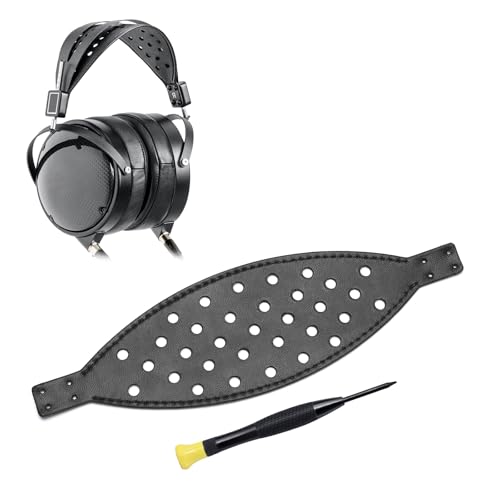
Audeze’s LCD-4 uses large planar magnetic drivers (70 mm) to produce deep, controlled bass and an almost physical sense of texture. With a nominal impedance of 70 Ω and a sensitivity of 102 dB SPL/V, it works best with a powerful headphone amp. The hand‑crafted wooden housing adds rigidity and reduces resonance, while the replaceable ear pads maintain comfort over long sessions.
Beyerdynamic DT 1990 Pro - Best Studio
The DT 1990 Pro combines a Tesla driver design with a closed‑back silhouette that offers both detail and isolation. It features a dual‑coil setup (250 Ω and 600 Ω) allowing you to match it to different sources. Frequency response is flat (5 Hz‑40 kHz) and the stainless‑steel headband provides durability without sacrificing comfort. Its analytical sound makes it a favorite among mixing engineers.
Focal Clear - Best Transparency
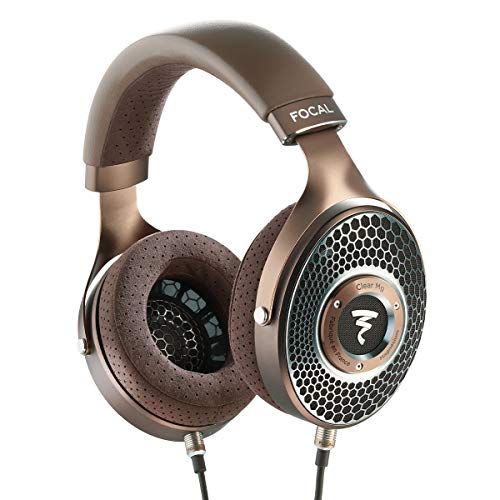
Focal Clear’s aluminum‑magnesium driver delivers a remarkably open and airy presentation. The 55 mm drivers achieve a frequency range of 5 Hz‑40 kHz with low distortion, and the ergonomic design distributes weight evenly across the head. The ear pads are made of breathable leather, reducing heat buildup during marathon listening.
Sony WH-1000XM5 - Best Noise Cancelling
While not a pure audiophile design, the Sony WH-1000XM5 offers impressive sound quality combined with industry‑leading noise cancellation. Its 30 mm drivers are tuned for a balanced profile, and the adaptive sound control adjusts to your environment. The lightweight carbon‑fiber shell and soft ear cups make it suitable for travel and daily commutes.
Before you buy
What to consider
When selecting audiophile headphones, start by considering the type of listening environment you prefer. Open‑back models like the HD800S and Focal Clear excel in quiet rooms, delivering an expansive soundstage, but they leak sound and let external noise in. Closed‑back designs such as the DT 1990 Pro and Sony WH-1000XM5 provide isolation, which is useful in studios or noisy settings.
What to consider
Next, evaluate the impedance and sensitivity. High‑impedance headphones (70 Ω and above) benefit from a dedicated amp or DAC to reach their full potential, while lower‑impedance models can drive directly from portable devices. Finally, think about comfort and build quality; materials like aluminum, wood, or premium plastics affect durability and weight, while replaceable ear pads extend the life of the headphones.
What to consider
Choosing the right pair means balancing sound signature, comfort, and the gear you already own. Use the comparison table and detailed reviews above to narrow down the options that fit your listening style and budget.
Quick answers
Yes, most models include a 3.5 mm jack or Bluetooth option, but for optimal performance use a dedicated headphone amp or DAC.
Beyerdynamic DT 1990 Pro and Focal Clear are praised for their lightweight frames and plush ear pads, making them ideal for marathon sessions.
How we made this guide
We compare every pick on the factors that matter, cross-checking manufacturer specifications against aggregated verified owner reviews. We rank independently and never take payment for placement. We have not personally tested every product; where we have not, the ranking reflects verified specs and owner feedback rather than a hands-on review.
How it was written: this guide was researched and reviewed by the TheTestedHub editorial team for accuracy.
Affiliate disclosure: TheTestedHub is reader-supported. When you buy through links on our site, we may earn a commission at no extra cost to you.
More to explore
Best Drones for Beginners 2026: Expert Pick Is the DJI Mini 4K

Find Your Perfect Podcast Mic: Reviews for Every Budget

Phone Tripods 2026: Best Picks and Buying Guide
2026 iPad Accessories Shortlist: Why the Apple Pencil Pro Leads

How to Choose the Best Digital Photo Frames in 2026

Looking for the Best MagSafe Power Banks? Our 2026 Picks

Our Top Fast Chargers for 2026
