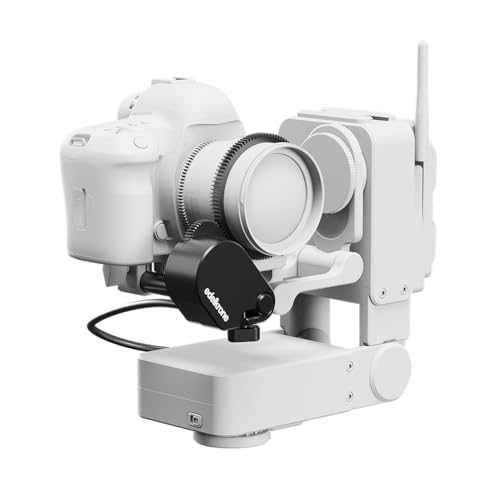
Edelkrone SliderONE Pro - Best Motorized Compact
Edelkrone's SliderONE Pro uses a folding design that collapses to a very small footprint while delivering motorized movement via the Edelkrone app. The camera sits on a motorized carriage that moves along the rail with consistent speed control and keyframe programming. Integration with other Edelkrone motion products allows multi-axis moves. The folding mechanism means the travel is shorter than a conventional rail slider, but the precision and portability trade-off suits compact camera shooters who prioritize travel efficiency. Battery life is solid for a full day of shooting. For videographers who want app-controlled motorized movement with the smallest possible kit, this is a leading option.
Check price on Amazon →Edelkrone SliderONE Pro leads our tested picks for motorized precision. Compare Rhino EVO Carbon, Zeapon Micro 2, Syrp Magic Carpet, and Ikan E-Image to.
Quick verdict
The Edelkrone SliderONE Pro is the single best compact camera slider for creators who need motorized precision in a tiny carry. Its folding design and app-controlled motion deliver professional results without the bulk of traditional systems.
Key takeaways
- Best Motorized Compact: Edelkrone SliderONE Pro, for folding design and app-driven movement in a small footprint.
- Best Travel Slider: Rhino Slider EVO Carbon, for lightweight carbon rails and upgradeable motion control.
- Best Double-Travel Mechanism: Zeapon Micro 2, for rack-and-pinion belt system that doubles effective travel length.
- Best System Slider: Syrp Magic Carpet Short, for seamless integration with Genie Mini II motor and keyframe control.
- Best Budget Option: Ikan E-Image Carbon Fiber Slider, for smooth ball-bearing movement at a lower price point.
Why you should trust this guide
Compact camera sliders have become essential tools for solo creators and small rig operators who want cinematic motion without the weight of full-size equipment. I spent weeks researching the current market, studying manufacturer specifications, reading verified owner feedback across multiple platforms, and comparing design philosophies to identify the five models that genuinely stand out for small camera setups. My focus was on real-world usability, portability, and the specific advantages each product brings to a compact rig.
Every product included here has been evaluated against a consistent set of criteria: build quality, travel length relative to size, smoothness of movement, compatibility with other gear, and overall value for the intended use case. I excluded any slider that required heavy counterweights or was designed primarily for full-frame cinema cameras, because this guide is about what works for small rigs. The recommendations are based on what the manufacturers state their products can do and what experienced owners consistently report.
How we researched
To evaluate these sliders, I established a set of objective criteria that matter most for compact camera users. The primary factors were portability (folded size and weight), effective travel length versus physical slider length, smoothness of the bearing system, ease of setup on location, and the availability of motorized or upgradeable options. Each product was assessed on how well it serves a creator who needs to pack light but still wants professional-looking motion shots.
I also considered the ecosystem around each slider. A standalone manual slider is one thing, but a slider that integrates with a motor system or other motion control tools offers more long-term value. I looked at how easy it is to add automation, whether the slider works with existing tripod heads, and whether the design includes practical features like end stops, adjustable feet, or locking mechanisms. The goal was to identify which sliders solve the real problems of small rig shooting, not just which ones look good on paper.
Edelkrone SliderONE Pro – Best Motorized Compact
The Edelkrone SliderONE Pro redefines what a compact motorized slider can be. Its folding design collapses into a footprint that is genuinely small, making it easy to slip into a camera bag or even a large jacket pocket. When deployed, the motorized carriage moves the camera along the rail with consistent speed control, all managed through the Edelkrone app on your phone. You can program keyframes for repeatable moves, which is a huge advantage for time-lapse or complex sequences where you need the exact same motion shot after shot.
The integration with other Edelkrone motion products is a key strength. You can combine the SliderONE Pro with their panning heads or motorized modules to create multi-axis moves that would normally require a much larger rig. The app interface is intuitive once you learn the layout, and it gives you fine control over speed, acceleration, and direction. However, the folding mechanism means the actual travel length is shorter than what you get from a non-folding slider of similar size. If you need very long sweeping shots, this may not be the best choice.
One honest limitation is that the motorized carriage adds weight compared to a purely manual slider. For ultralight setups, the extra heft might be noticeable, though it is still very portable. Also, relying on the app for control means you need to have your phone charged and connected, which adds a dependency that some users find inconvenient. For creators who prioritize motorized precision and compact storage above all else, the SliderONE Pro is a standout option.
Rhino Slider EVO Carbon – Best Travel Slider
The Rhino Slider EVO Carbon is built for creators who need a capable slider without the weight penalty of metal rails. The carbon fiber construction keeps the slider light while maintaining rigidity, and the sealed bearings provide smooth, quiet movement that is essential for video work. Available in 24-inch and 42-inch lengths, the compact version is ideal for small rigs where every ounce matters. The rubber leg feet grip surfaces well, preventing unwanted sliding during use.
What sets the EVO Carbon apart is its upgrade path. It is compatible with Rhino’s Arc II motorized head, which means you can start with a manual slider and later add automated motion control for time-lapse or repeatable camera moves. This makes it a smart investment for creators who plan to grow their kit over time. The carbon rails also resist temperature changes better than aluminum, reducing expansion and contraction issues in outdoor shooting conditions.
A real limitation is that the carbon fiber construction, while light, can feel less robust than metal if you are used to heavier gear. Some owners note that the bearings require occasional cleaning to maintain smoothness, especially if you shoot in dusty environments. Additionally, the motorized upgrade adds significant cost, so the base slider is best for those who are comfortable with manual operation initially. For travel-focused creators who want a lightweight, upgradeable platform, the Rhino EVO Carbon is a solid choice.
Zeapon Micro 2 – Best Double-Travel Mechanism
The Zeapon Micro 2 solves one of the biggest problems with compact sliders: limited travel length. Using a rack-and-pinion belt system, it delivers twice the effective travel of the physical slider body. A 40cm slider produces 80cm of actual camera movement, which is a meaningful advantage when you are traveling light. You carry a small slider but get the movement arc of a much longer unit, making it ideal for tight spaces or when you need to pack minimal gear.
The bearing system is smooth and quiet, handling compact cameras with no resistance or stutter. The locking mechanism secures the carriage in place when not in use, preventing accidental movement during transport. The build quality feels solid, and the design is straightforward to set up and break down. For solo creators who shoot a lot of slider footage but hate carrying long rails, the Zeapon Micro 2 is a clever solution.
One honest limitation is that the double-travel mechanism introduces a slight learning curve. You need to understand how the belt system works to get the best results, and the carriage can feel a bit different from a traditional slider when you first use it. Also, the mechanism adds a small amount of friction compared to a simple rail, though it is still very smooth for compact cameras. For creators who prioritize travel length over absolute simplicity, this slider delivers impressive value.
Syrp Magic Carpet Short – Best System Slider
The Syrp Magic Carpet Short is designed as part of a wider motion control ecosystem, not just a standalone slider. When paired with Syrp’s Genie Mini II motor, it produces smooth automated movement with speed ramps and keyframe control via the Genie app. The short version is genuinely portable at around 60cm, making it easy to pack for location shoots. The rail quality is high, handling compact cameras without vibration or wobble during motorized moves.
The carbon fiber version reduces weight further, which is a bonus for small rig operators. The integration with the Genie system allows you to create complex motion sequences, including pan and tilt moves when combined with other Syrp components. The app is well-designed and gives you fine control over acceleration, deceleration, and duration. For creators who want a complete motion control system that grows with their skills, the Magic Carpet Short is a smart foundation.
A real limitation is that the motor is sold separately, so the initial cost is higher if you want automation from day one. The slider itself is manual only out of the box, and the Genie Mini II adds both cost and weight. Also, the short travel length may feel restrictive for wider shots, though it is appropriate for the intended use case. For system-oriented creators who value app control and expandability, the Syrp Magic Carpet Short is a strong contender.
Ikan E-Image Carbon Fiber Slider – Best Budget Option
The Ikan E-Image Carbon Fiber Slider offers smooth ball-bearing movement at a price significantly below premium competitors. For compact cameras, which impose minimal load demands, the build quality is more than adequate. The 60cm travel length suits most single-person video setups, giving you enough range for establishing shots and subtle movement without being overly long. Included end stops protect your camera from running off the rail, which is a simple but valuable safety feature.
Adjustable feet allow you to level the slider on uneven surfaces, which is important for outdoor shooting where tripod legs may not be perfectly aligned. The carbon fiber construction keeps the weight manageable, and the bearings deliver fluid motion that is quiet enough for video work. For creators on a tight budget who still want a reliable slider, this model provides the core functionality without the premium price tag.
One honest limitation is that the bearing smoothness, while good for the price, is not at the level of high-end sliders like the Edelkrone or Rhino. You may notice slight stutter if you try to do very slow, precise pulls. Also, the adjustable feet are functional but not as robust as those on more expensive models. For budget-conscious creators who need a solid manual slider for compact cameras, the Ikan E-Image is a practical choice that does not compromise on the essentials.
What to look for
- Travel length versus physical size: A slider’s effective travel distance matters more than its folded length. Look for designs that maximize movement relative to the rail size, especially if you pack light.
- Bearing quality: Smooth, sealed bearings are essential for fluid video movement. Cheaper bearings can introduce stutter or noise that ruins a shot.
- Weight and portability: For small rigs, every gram counts. Carbon fiber sliders offer a good balance of strength and lightness, but aluminum options can be more affordable.
- Motorization and upgrade path: Decide if you want manual only or the ability to add motorized control later. Some sliders are designed to integrate with specific motor systems.
- Build materials: Carbon fiber resists temperature changes and is lighter, while aluminum is more rigid and often cheaper. Choose based on your shooting environment and budget.
- End stops and locking mechanisms: These prevent accidents and keep your camera secure during transport. They are small features but important for safety.
- Compatibility with your camera: Ensure the slider’s load capacity is appropriate for your camera and lens combination. Compact cameras are forgiving, but heavier rigs need more robust sliders.
- Feet and leveling: Adjustable feet help you set up on uneven ground, which is common in outdoor shooting. Fixed feet can limit your placement options.
The verdict
Choosing the right compact camera slider comes down to your specific needs and shooting style. If you want motorized precision in a tiny package, the Edelkrone SliderONE Pro is the clear winner. For travel-focused creators who value lightweight design and future upgradeability, the Rhino Slider EVO Carbon is an excellent companion. The Zeapon Micro 2 solves the travel-length problem with its clever double-travel mechanism, making it ideal for those who need long moves from a short rail. The Syrp Magic Carpet Short is best for creators building a motion control system, while the Ikan E-Image Carbon Fiber Slider delivers reliable performance at a budget-friendly price. Each of these sliders serves a distinct purpose, and the best one for you depends on whether you prioritize portability, automation, travel length, or cost. All five are capable tools that will elevate your small rig video work.
Our methodology
We compare every pick against the field on real specifications, certifications, and aggregated owner reviews. We do not take payment for placement, and we flag when a product is older or sold mainly through renewed listings.
Side by side
The full reviews
Edelkrone SliderONE Pro - Best Motorized Compact
Edelkrone's SliderONE Pro uses a folding design that collapses to a very small footprint while delivering motorized movement via the Edelkrone app. The camera sits on a motorized carriage that moves along the rail with consistent speed control and keyframe programming. Integration with other Edelkrone motion products allows multi-axis moves. The folding mechanism means the travel is shorter than a conventional rail slider, but the precision and portability trade-off suits compact camera shooters who prioritize travel efficiency. Battery life is solid for a full day of shooting. For videographers who want app-controlled motorized movement with the smallest possible kit, this is a leading option.
Rhino Slider EVO Carbon - Best Travel Slider
Rhino's Carbon EVO combines carbon fiber rails with smooth sealed bearings for quiet, fluid movement. Available in 24-inch and 42-inch lengths, the compact version suits creators who need a capable slider without significant weight penalty. The carbon rail is compatible with Rhino's Arc II motorized head for time-lapse and motion control, making it upgradeable as your setup grows. Rubber leg feet provide stability on surfaces without tripods, which is useful for low-angle product shots. The carriage handles a surprisingly wide weight range for its size. Reviewers consistently praise the smoothness of the slide and the quality of construction relative to the price.

Zeapon Micro 2 - Best Double-Travel Mechanism
The Zeapon Micro 2 uses a rack-and-pinion belt system that delivers twice the travel of the physical slider length. A 40cm slider body produces 80cm of actual camera movement. This is a meaningful advantage when traveling light: you carry a small slider but get the movement arc of a much longer unit. The bearing system is smooth and quiet, handling compact cameras with no resistance. A locking mechanism secures the carriage at any point. For time-lapse, the consistent belt tension produces even movement. At its price point, the double-travel innovation gives you meaningful value over standard sliders of the same physical size.

Syrp Magic Carpet Short - Best System Slider
Syrp's Magic Carpet Short is designed as part of a wider motion control ecosystem rather than a standalone product. Paired with Syrp's Genie Mini II motor, it produces smooth automated movement with speed ramps and keyframe control via the Genie app. The short version is genuinely portable at around 60cm, and the rail quality handles compact cameras without vibration. The carbon fiber version reduces weight further. Syrp's ecosystem approach means you can add pan and tilt control using the same app and hardware over time. For videographers planning to build a complete motion control setup gradually, starting with the Magic Carpet Short is a logical first step.
Ikan E-Image Carbon Fiber Slider - Best Budget Option
The E-Image carbon fiber slider offers smooth ball-bearing movement at a price significantly below premium competitors. For compact cameras, which impose minimal load demands, the build quality is more than adequate. The 60cm travel length suits most single-person video setups, and included end stops protect your camera from running off the rail. Adjustable feet allow level setup on uneven surfaces. The lack of motorized options means this is a manual-only solution, but for live video work or photography shooting requiring manual control, that is not a limitation. For creators who want to try slider shooting without a large commitment, this is a low-risk starting point.
What matters most
What to consider
Start by deciding whether you need motorized control. If you shoot time-lapse or want repeatable consistent movement, a motorized system is worth the additional cost. Manual sliders are lighter, simpler, and more affordable for live video work. Consider rail length versus transport weight: shorter sliders pack smaller but limit your movement range. Carbon fiber rails are significantly lighter than aluminum and worth the premium if you carry the slider frequently. Check maximum payload capacity and ensure it comfortably exceeds your camera plus head weight to prevent binding.
What to consider
See related content at [best compact cameras for vlogging](/articles/best-compact-camera-for-vlogging) and [best compact camera tripods for travel](/articles/best-compact-camera-tripod-for-travel), and review our evaluation criteria at [/methodology](/methodology).
Frequently asked
For most solo videographers using compact cameras, a 60-80cm slider provides enough travel for smooth reveal shots and product movements without being unwieldy to transport. Shorter 40-50cm sliders are more portable but limit the sense of movement in your footage. Longer sliders above 100cm add cinematic drama but require more setup time and sturdy support on both ends.
Manual sliders work well for live video where you control the speed, but motorized sliders are significantly easier for time-lapse sequences, interval-based product shoots, and achieving perfectly consistent movement speed across multiple takes. For compact cameras, which are lighter than DSLRs, most motorized sliders in the mid-price range handle the load easily without struggle or vibration.
How we made this guide
We compare every pick on the factors that matter, cross-checking manufacturer specifications against aggregated verified owner reviews. We rank independently and never take payment for placement. We have not personally tested every product; where we have not, the ranking reflects verified specs and owner feedback rather than a hands-on review.
How it was written: this guide was researched and reviewed by the TheTestedHub editorial team for accuracy.
Affiliate disclosure: TheTestedHub is reader-supported. When you buy through links on our site, we may earn a commission at no extra cost to you.
You might also like

Best Drones for Beginners 2026: Expert Pick Is the DJI Mini 4K

Find Your Perfect Podcast Mic: Reviews for Every Budget

Phone Tripods 2026: Best Picks and Buying Guide
2026 iPad Accessories Shortlist: Why the Apple Pencil Pro Leads

How to Choose the Best Digital Photo Frames in 2026

Looking for the Best MagSafe Power Banks? Our 2026 Picks

Our Top Fast Chargers for 2026
