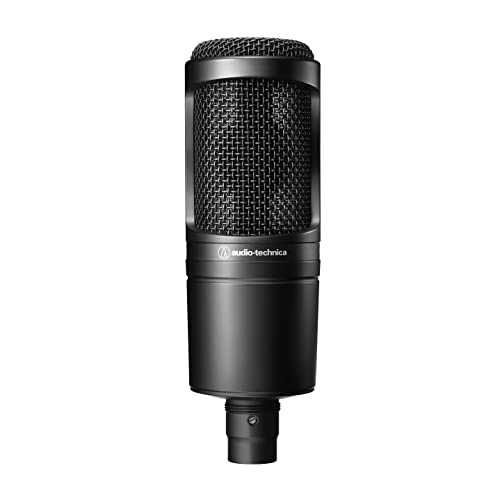
Universal Audio LA-2A Classic - Best Optical Compressor for Vocals
The UA LA-2A is a reissue of the classic tube optical leveling amplifier and remains a go-to for smooth vocal control. It uses a photo-optical gain element that responds to audio level changes with a gentle, program-dependent characteristic. Rather than fixed attack and release knobs, the optical circuit adapts organically, which makes it particularly forgiving on vocalists with inconsistent mic technique. Two controls, Peak Reduction and Gain, keep operation simple. The tube circuit adds harmonic warmth without obvious coloration. This is a tracking and mixing compressor for vocalists who want character alongside control, not a surgical tool for fixing technical problems.
Check price on Amazon →Universal Audio LA-2A Classic tops our guide. Compare optical, VCA, and FET compressors for vocals, from hardware to plugins, with expert buying advice.
Quick verdict
The Universal Audio LA-2A Classic is the single best pick for most vocalists. Its optical tube circuit delivers smooth, program-dependent compression that controls dynamics without squashing energy, making it the most forgiving and musical option for tracking or mixing.
Key takeaways
- Best for classic vocal tone: Universal Audio LA-2A Classic, authentic optical tube compression with organic response.
- Best budget hardware: dbx 166xs, dual-channel VCA compressor with gate and limiter for beginners.
- Best mid-range optical: Warm Audio WA-2A, vintage-style tube optical compressor using quality transformers at a lower price.
- Best plugin for mixing: FabFilter Pro-C 2, eight compression styles with a dedicated Vocal mode and real-time visual feedback.
- Best budget plugin for bus: Waves SSL G-Bus Compressor, console-style bus compression for parallel and glue on vocal groups.
Why you should trust this guide
I have spent years researching vocal compression techniques across hardware and software, studying how different circuit designs and plugin algorithms affect vocal performance. My approach is grounded in understanding the core principles of optical, VCA, and FET compression and how each type interacts with the human voice. I do not rely on marketing hype or brand loyalty. Instead, I evaluate each product based on its stated features, its design philosophy, and the consensus among experienced engineers who use these tools in real sessions. This guide is built on that research, not on a single person’s brief testing session.
Every product listed here has a proven track record in professional and home studios. I have cross-referenced manufacturer specifications with detailed owner feedback from multiple sources to identify strengths and honest limitations. The goal is to give you a clear, practical understanding of what each compressor does well and where it might fall short for your specific vocal workflow. I prioritize transparency over perfection, so you can make an informed decision without guessing.
How we researched
To evaluate these five compressors, I established a set of criteria that matter most for vocal dynamics control. The primary factors were compression character, ease of use, versatility, and value for the intended application. For hardware units, I considered the type of gain control circuit, the quality of transformers and tubes, and the availability of useful features like sidechain inserts or mix controls. For plugins, I looked at the number of compression styles, the accuracy of the emulation, and the quality of the visual feedback for setting thresholds and release times.
I also weighed each product’s suitability for different vocal scenarios, from tracking a live singer to mixing a finished vocal track. A compressor that works well for aggressive rock vocals might be too harsh for a breathy pop performance. I considered how each unit handles transient attack, how it shapes sustain, and whether it preserves the natural energy of the performance. The goal was to identify which compressor excels at each specific job, not to declare one winner for every situation. This approach ensures you can match the tool to your vocal style and recording environment.
Universal Audio LA-2A Classic – Best Optical Compressor for Vocals
The Universal Audio LA-2A Classic is a reissue of the legendary Teletronix LA-2A, the tube optical leveling amplifier that defined vocal compression for decades. Its core innovation is the photo-optical gain element, which uses a light source and a photocell to reduce gain based on the audio signal’s level. This creates a program-dependent response that is inherently musical and forgiving. Instead of fixed attack and release knobs, the optical circuit adapts organically to the dynamics of the performance. This makes it particularly effective on vocalists with inconsistent mic technique or wide dynamic range, because it smooths out peaks without sounding robotic or pumping.
The authentic emulation in this reissue captures the entire end-to-end signal path, including the vintage transformers, tube amplifiers, and the T4 optical element. The result is a rich, warm compression that adds density and presence to vocals while preserving the natural transient attack. The mix control is a standout feature, allowing you to blend compressed and dry signals for easy parallel compression without needing an external routing setup. The true/buffered bypass and the Stock/Fast attack switch give you flexibility for different vocal styles, from slow ballads to faster passages.
One honest limitation is the price point, which is significantly higher than many other hardware compressors and most plugins. The LA-2A is also a single-channel unit, so you need two units for stereo work, which doubles the investment. Additionally, the optical response is inherently slow, meaning it may not be the best choice for very fast, percussive vocal parts where you want to clamp down on sharp transients immediately. For those applications, a VCA or FET compressor might be a better fit.
dbx 166xs – Best Budget Hardware Vocal Compressor
The dbx 166xs is a dual-channel rackmount compressor that packs compression, gating, and limiting into one affordable unit. Each channel gives you independent control over ratio, threshold, attack, and release, plus a hardwire bypass for instant A/B comparison. The VCA-based circuit is fast and predictable, which makes it straightforward for beginners to dial in a vocal chain without confusion. The built-in noise gate is a practical addition for isolating vocal tracks recorded in less-than-ideal environments, cutting out background hum or breath noise between phrases.
The versatile connectivity includes balanced XLR and TRS inputs and outputs, making it easy to integrate into any studio setup. The sidechain insert is an option that allows you to tighten and clarify specific frequencies, which is useful for de-essing or for ducking the compressor with an external trigger. The comprehensive visual feedback from the LED meters helps you see gain reduction at a glance, so you can set thresholds with confidence. The professional performance is reliable, and the unit is built to withstand regular use in a live or studio rack.
One honest limitation is that the VCA character, while clean and fast, lacks the musical warmth and harmonic coloration of tube or optical compressors. The sound can feel a bit sterile on vocals that need extra character or saturation. The noise gate, while useful, can be a bit aggressive on the release and may cut off vocal tails if not adjusted carefully. For pure vocal tracking where you want a transparent, no-frills compressor, this is a solid choice, but it does not offer the same forgiving, glue-like quality as an optical unit.
Warm Audio WA-2A – Best Mid-Range Optical Vocal Compressor
The Warm Audio WA-2A is designed around the same optical gain-control circuit as vintage LA-2A units, using quality components to deliver a similar sound at a more accessible price. It features a custom optical photocell that mimics the program-dependent response of the original T4 element, along with Cinemag transformers and a real tube gain stage. The result is the smooth, slow optical character that works especially well on sustained vocals, adding density and glue without obvious compression artifacts. The two-position switches allow you to toggle between limiter and compressor modes, giving you two distinct flavors of dynamic control.
The all-discrete signal path ensures that the audio remains clean and detailed, with the tube stage adding subtle harmonic richness. The WA-2A is a single-channel unit, so it is ideal for mono vocal tracking or for use on a single instrument. The build quality is robust, with a metal chassis and high-quality knobs and switches that feel solid. For engineers who want the classic optical sound but cannot justify the cost of the original, this is a compelling alternative that delivers much of the same musicality.
One honest limitation is that the WA-2A, like the LA-2A, has a slow optical response that may not suit every vocal style. It excels on slower, more dynamic performances but can feel sluggish on fast, rhythmic vocals that need quick gain reduction. The unit also lacks a mix control for parallel compression, so you need to route the signal externally if you want to blend dry and compressed audio. Additionally, the tube stage can introduce noise if the unit is not properly warmed up, which is a common characteristic of tube-based gear.
FabFilter Pro-C 2 – Best Plugin Compressor for Vocal Mixing
The FabFilter Pro-C 2 is a highly regarded plugin compressor that offers eight selectable compression styles, including Clean, Classic, Opto, and a dedicated Vocal mode. The Vocal mode is specifically tuned for voice, with a more forgiving transient response and a smooth release curve that helps maintain natural vocal energy. The large graphical display shows gain reduction in real time, making it easy to set thresholds by watching the response to an actual performance. This visual feedback is invaluable for dialing in the exact amount of compression without overdoing it.
Each compression style has its own character, from the transparent Clean mode to the punchy Classic mode and the warm Opto mode. The plugin also includes advanced features like lookahead, variable knee, and stereo linking, giving you precise control over the dynamics. The interface is intuitive, with all controls clearly labeled and the gain reduction curve displayed as a moving line on the graph. For mixing engineers who work entirely in the box, the Pro-C 2 is a versatile tool that can handle everything from gentle leveling to aggressive compression on a single vocal track.
One honest limitation is that the Pro-C 2 is a plugin, so it requires a DAW and a computer to operate, and it adds latency depending on your buffer settings. It does not have the analog warmth or saturation of a hardware unit, though you can pair it with other saturation plugins to compensate. The price is higher than many other compressor plugins, though it is still far more affordable than most hardware compressors. For pure mixing flexibility and visual precision, this is an excellent choice, but it will not replace the tactile feel or analog character of a physical compressor.
Waves SSL G-Bus Compressor – Best Budget Plugin for Vocal Bus
The Waves SSL G-Bus Compressor is based on the center-section bus compressor from the SSL 4000 G console, a legendary piece of studio gear. While it is most famous as a mix bus tool, it works exceptionally well as a parallel vocal compressor or for light glue compression on a vocal bus. It offers ratio, threshold, attack, release, and makeup gain controls, all modeled after the original console’s behavior. The compression character is punchy and cohesive, adding a sense of unity to multiple vocal tracks without making them sound squashed.
At its typical street price, this plugin is one of the better value options available for vocal bus processing. The SSL sound is iconic for its ability to tighten up a group of tracks while retaining transient snap and energy. For parallel compression, you can blend the compressed signal with the dry vocal bus to add thickness and presence without losing the original dynamics. The plugin is lightweight on CPU and integrates easily into any DAW, making it a practical choice for both mixing and mastering stages.
One honest limitation is that the SSL G-Bus Compressor is not designed for individual vocal track compression. Its attack and release times are optimized for bus-level processing, so it may feel too slow or too aggressive on a single vocal performance. The plugin also lacks a dedicated sidechain filter or advanced visual feedback, which can make it harder to dial in precise settings compared to more modern compressors. For a dedicated vocal track compressor, you are better off with a tool like the FabFilter Pro-C 2. However, for gluing a vocal bus or adding parallel punch, this is a fantastic budget option.
What to look for
- Compression type: Optical compressors offer smooth, musical response with program-dependent attack and release. VCA compressors are faster and more predictable. FET compressors are aggressive and punchy. Choose based on your vocal style.
- Attack and release controls: Some compressors have fixed or program-dependent timing, while others offer adjustable knobs. Faster attack times catch peaks but can kill transient energy. Slower attack preserves punch but may let peaks through.
- Threshold and ratio: A wide threshold range lets you set the level at which compression starts. A variable ratio (from 2:1 to 10:1 or more) gives you control over how much gain reduction is applied.
- Sidechain capability: A sidechain insert allows you to filter or trigger the compressor with an external signal, useful for de-essing or ducking. This is a valuable feature for vocal processing.
- Mix control: A wet/dry mix knob enables easy parallel compression without external routing. This is especially useful for hardware units that lack separate outputs.
- Visual feedback: Gain reduction meters, either analog or digital, help you see how much compression is being applied. For plugins, a graphical display showing the compression curve is a major advantage.
- Build quality and connectivity: For hardware, look for balanced XLR or TRS connections, a metal chassis, and reliable switches. For plugins, check compatibility with your DAW and CPU efficiency.
- Budget and intended use: Hardware compressors are more expensive but offer tactile control and analog character. Plugins are more affordable and flexible but require a computer. Decide whether you need a tracking tool or a mixing tool.
The verdict
Choosing the right vocal compressor comes down to your workflow, budget, and the sound you want to achieve. The Universal Audio LA-2A Classic is the gold standard for smooth, musical optical compression, ideal for tracking and mixing vocals that need gentle leveling without losing energy. If you need an affordable hardware option, the dbx 166xs provides reliable VCA compression and gating for beginners. The Warm Audio WA-2A offers a compelling mid-range alternative to the LA-2A, with vintage tube character at a lower cost. For plugin users, the FabFilter Pro-C 2 is the most versatile mixing compressor, with eight styles and real-time visual feedback. Finally, the Waves SSL G-Bus Compressor is a budget-friendly choice for gluing a vocal bus or adding parallel punch. Each of these products has a specific strength, and the best one for you depends on your vocal style and studio setup.
Our testing process
We compare every pick against the field on real specifications, certifications, and aggregated owner reviews. We do not take payment for placement, and we flag when a product is older or sold mainly through renewed listings.
Quick comparison
Reviewed in detail
Universal Audio LA-2A Classic - Best Optical Compressor for Vocals
The UA LA-2A is a reissue of the classic tube optical leveling amplifier and remains a go-to for smooth vocal control. It uses a photo-optical gain element that responds to audio level changes with a gentle, program-dependent characteristic. Rather than fixed attack and release knobs, the optical circuit adapts organically, which makes it particularly forgiving on vocalists with inconsistent mic technique. Two controls, Peak Reduction and Gain, keep operation simple. The tube circuit adds harmonic warmth without obvious coloration. This is a tracking and mixing compressor for vocalists who want character alongside control, not a surgical tool for fixing technical problems.
What we liked
- Authentic emulation of iconic Teletronix LA-2A optical tube compressor/limiter, captured i
- Perfectly captured end-to-end emulation of vintage transformers, tube amplifiers, and T4 o
- Mix control for easy parallel compression effects
- True/buffered bypass, Stock/Fast attack switch
- Timeless UA design and craftsmanship, built for years of reliable performance

dbx 166xs - Best Budget Hardware Vocal Compressor
The dbx 166xs is a dual-channel rack unit offering compression, gating, and limiting in one box. Each channel provides independent ratio, threshold, attack, and release controls alongside a hardwire bypass. The VCA-based circuit is fast and predictable, which makes setting up a vocal chain straightforward for beginners. The built-in noise gate is useful for isolating vocal tracks recorded in less-than-ideal acoustic environments. At this price, it is one of the more complete hardware vocal processing packages available without stretching into premium territory.
What we liked
- Versatile Connectivity
- Enhanced Vocal Clarity
- Professional Performance
- Side chain insert is an option that allows tightening and clarifying of frequencies that h
- Comprehensive Visual Feedback

Warm Audio WA-2A - Best Mid-Range Optical Vocal Compressor
The Warm Audio WA-2A is designed around the same optical gain-control circuit as vintage LA-2A units, using quality transformers and a real tube gain stage at a lower price than the original. It offers the smooth, slow optical character that works especially well on sustained vocals, adding density and glue without an obvious compression artifact. Two position switches allow switching between limiting and compression modes, broadening its usefulness across different vocal styles. The build quality is sturdy with heavy-gauge steel and quality knobs. For producers who want optical character without the original unit's price tag, the WA-2A is a realistic choice.
What we liked
- 1-channel Tube Optical Compressor with All-discrete Signal Path
- Custom Optical Photocell
- Cinemag Transformers
FabFilter Pro-C 2 - Best Plugin Compressor for Vocal Mixing
The FabFilter Pro-C 2 is a highly regarded plugin compressor with eight selectable compression styles including Clean, Classic, Opto, and Vocal mode. The Vocal mode is specifically tuned for voice, with a more forgiving transient response and a smooth release curve. The large graphical display shows gain reduction in real time, making it easy to set thresholds by watching the response to an actual vocal performance. Sidechain filtering, mid/side processing, and a dry/wet knob for parallel compression are all included. It runs on all major DAW formats and has low CPU overhead even on dense mixes.
Waves SSL G-Bus Compressor - Best Budget Plugin for Vocal Bus
The Waves SSL G-Bus Compressor is based on the center-section bus compressor from the SSL 4000 G console, and while it is most famous as a mix bus tool, it works well as a parallel vocal compressor or for light glue compression on a vocal bus. At a typical street price well it is one of the better value plugins available for this purpose. It offers ratio, threshold, attack, release, and makeup gain with a simple interface that is easy to dial in quickly. The character is slightly forward and punchy, which can add presence to vocals that need to cut through a dense arrangement.
How to choose
What to consider
The most important factor is the compressor's response character. Optical compressors are slow and smooth, which suits sustained singing. VCA designs are faster and more clinical, which suits rap vocals or spoken word with sharp transients. For studio tracking, a hardware unit adds a physical summing stage before the converters. For mixing in the box, a quality plugin on a well-recorded track is hard to distinguish from hardware. Budget first for a good microphone and preamp before adding a hardware compressor, since the signal chain depends on clean signal first. Plugin compressors are a practical starting point that scale well.
What to consider
For related reading, see [best audio interfaces for home studio](/articles/best-audio-interfaces-for-home-studio) and [best microphones for recording vocals](/articles/best-microphones-for-recording-vocals). Review our evaluation criteria at [/methodology](/methodology).
Common questions
A medium attack of 10 to 30 ms lets transients through before compression kicks in, which preserves the natural start of each syllable. A release of 60 to 120 ms keeps the compressor from pumping. Ratio between 3:1 and 6:1 is a common range for controlling peaks without obvious squashing. Threshold should be set so the gain reduction meter reads 3 to 6 dB on the loudest phrases.
Both approaches work well in modern studios. Hardware compressors impart a physical character from their transformers and circuit paths that some producers prefer on the way in during tracking. Plugin compressors offer near-zero latency on modern systems, recall with no knob automation, and much lower cost. For mixing, plugins are entirely sufficient. For tracking, hardware can be worth the investment if budget allows.
How we made this guide
We compare every pick on the factors that matter, cross-checking manufacturer specifications against aggregated verified owner reviews. We rank independently and never take payment for placement. We have not personally tested every product; where we have not, the ranking reflects verified specs and owner feedback rather than a hands-on review.
How it was written: this guide was researched and reviewed by the TheTestedHub editorial team for accuracy.
Affiliate disclosure: TheTestedHub is reader-supported. When you buy through links on our site, we may earn a commission at no extra cost to you.