
AMD Ryzen 5 7600 + RX 6700 Build -- Best 1080p Gaming Value
The Ryzen 5 7600 on an A620 or B650 board paired with a used or discounted RX 6700 delivers smooth 1080p gaming in 2026. The 7600's six cores handle modern titles without bottlenecking mid-range GPUs. Allocate for the CPU plus board, for the RX 6700, for 16GB DDR5, for a 1TB NVMe SSD, and for a case and power supply. This configuration runs Fortnite, Call of Duty, and Elden Ring above 60 FPS at high settings. DDR5 is standard on AM5 at accessible prices now.
The AMD Ryzen 5 7600 + RX 6700 build delivers smooth 1080p gaming without breaking the bank. See the full list of capable PC builds for 2026.
Quick verdict
The AMD Ryzen 5 7600 + RX 6700 Build is the single best pick for most buyers in 2026. It delivers smooth 1080p gaming on modern titles without forcing you into a tight budget corner, balancing a modern CPU platform with a proven mid-range GPU.
Key takeaways
- Best for 1080p gaming value: AMD Ryzen 5 7600 + RX 6700 Build, balances modern CPU platform with capable mid-range GPU.
- Best Intel value build: Intel Core i5-14400 + Arc A770 Build, strong rasterization performance and improved driver stability.
- Best stretching a tight budget: Ryzen 5 5600 + GTX 1660 Super Build, AM4 platform parts are still affordable in 2026.
- Best no-GPU option: Ryzen 7 5700G APU Build, integrated Vega graphics let you start gaming immediately without a discrete card.
- Best productivity home office: Intel i3-14100 + B760 Build, capable four-core processor for office tasks and web browsing.
Why you should trust this guide
I have been writing PC hardware buying guides for several years, focusing on builds that deliver real-world performance without demanding a premium price. My approach relies on studying current component pricing trends, reading extensive owner feedback across multiple forums, and cross-referencing benchmark data from reputable hardware review sites. I do not have a testing lab or a personal inventory of these parts, so every recommendation here is grounded in publicly available information and community consensus from people who have built and used these configurations.
This guide is written for someone who wants a capable computer in 2026 but does not want to overspend on flashy features they will not use. I have prioritized builds that offer clear upgrade paths, reliable driver support, and component choices that have stood up well over time. Each build has been selected because it fills a specific need, whether that is budget gaming, productivity, or a starting point for future upgrades. I have also included honest limitations for each configuration so you know exactly what tradeoffs you are making.
How we researched
To evaluate these builds, I weighed several key criteria that matter most to a buyer in 2026. The first criterion was price-to-performance ratio: does the build deliver smooth gameplay or fast productivity for the money spent on the core components? I looked at whether the CPU and GPU combination avoids obvious bottlenecks at common resolutions and settings. The second criterion was platform longevity: can you upgrade the CPU or add more RAM without replacing the motherboard in a year or two? The third criterion was driver and software maturity, especially for Intel Arc GPUs and integrated graphics solutions, because early driver issues can ruin the experience long after the hardware is installed.
I also considered the availability and pricing trends for each component. Some builds rely on used or discounted parts, so I factored in whether those parts are still widely available and whether their prices have stabilized. I read through hundreds of owner reviews on retail sites and discussion threads on hardware communities to understand common issues like coil whine, driver crashes, or thermal throttling. For the GPU-heavy builds, I compared rasterization and ray tracing performance claims from multiple sources. For the APU and integrated graphics builds, I focused on whether the integrated solution can handle common tasks like video playback, web browsing, and esports titles at playable frame rates.
AMD Ryzen 5 7600 + RX 6700 Build — Best 1080p Gaming Value
The Ryzen 5 7600 on an A620 or B650 board paired with a used or discounted RX 6700 delivers smooth 1080p gaming in 2026. The 7600’s six cores handle modern titles without bottlenecking mid-range GPUs. You should allocate for the CPU plus board, for the RX 6700, for 16GB DDR5, for a 1TB NVMe SSD, and for a case and power supply. This configuration runs Fortnite, Call of Duty, and Elden Ring above 60 FPS at high settings, which is exactly what most gamers want from a 1080p machine. The DDR5 memory and AM5 socket give you a clear upgrade path to future Ryzen processors, so this build can last several years with only a GPU swap.
The RX 6700 is a smart choice because it offers strong rasterization performance without the premium of newer cards. Buying it used or discounted can save you a significant amount, and the card still handles ray tracing at modest settings if you want to experiment. The 7600 runs cool and efficient, so you do not need an expensive cooler or power supply. One honest limitation is that the RX 6700 lacks the latest video encoding features found on newer cards, so if you plan to stream or record gameplay frequently, you might want to look at a more recent GPU. Also, the A620 motherboard may limit future CPU upgrades if you eventually want a higher-end Ryzen 9 chip, so a B650 board is a safer long-term investment.
Intel Core i5-14400 + Arc A770 Build — Best Intel Value Build
Intel’s Arc A770 16GB sits in the mid-range and punches well against the RTX 4060 in rasterization benchmarks. The i5-14400 is a ten-core processor with strong single-thread performance for gaming. You should budget for CPU plus B760 board, for the Arc A770, for 16GB DDR4, and for storage and case. Driver stability for Intel Arc has improved substantially since launch; the 2025 driver updates resolved most early issues with DirectX 9 and 11 games, making this a much more reliable choice than it was a year ago. The 16GB of VRAM on the A770 is generous for this price bracket, giving you headroom for texture-heavy games at 1440p resolution.
The i5-14400 is a workhorse for both gaming and multitasking, with its ten cores handling background tasks while you play. The B760 motherboard supports PCIe 4.0 and gives you room for fast NVMe storage. One honest limitation is that the Arc A770 still lags behind Nvidia and AMD in ray tracing performance and power efficiency, so if you want to play ray tracing-heavy titles at high frame rates, this is not the best choice. Additionally, some older games that rely on legacy DirectX versions may still have occasional glitches, though the driver team has made major strides. If you mostly play modern titles and want a GPU with plenty of VRAM for the price, this build is a strong contender.
Ryzen 5 5600 + GTX 1660 Super Build — Best Stretching a Tight Budget
AM4 platform parts continue to drop in price, making the Ryzen 5 5600 a strong value in 2026. A B550 board costs less than newer platforms, the 5600 itself is frequently discounted, and the GTX 1660 Super hits 1080p games at 60-plus FPS reliably. This build is best for buyers who find these components used or discounted. New, the full build may run slightly higher, but used or discounted parts can leave a buffer for a better monitor or peripherals. The AM4 platform gives you access to a huge library of compatible CPUs and RAM, and you can often find a used B550 board for a bargain.
The GTX 1660 Super is not a new card, but it remains a capable 1080p performer for esports titles like Valorant, Rocket League, and Overwatch 2. It also handles older AAA games at high settings without issue. The Ryzen 5 5600 has six cores and twelve threads, which is still plenty for modern gaming and everyday productivity. One honest limitation is that this build has no upgrade path to DDR5 or PCIe 5.0, so you are locked into the AM4 ecosystem. If you plan to keep the PC for more than three years, you may eventually want to replace the whole platform. Also, the GTX 1660 Super lacks hardware ray tracing and DLSS, so you will miss out on those features in games that support them.
Ryzen 7 5700G APU Build — Best No-GPU Option
The Ryzen 7 5700G includes integrated Vega graphics capable of running esports titles at 1080p medium settings without a discrete GPU. This makes it ideal if you want to start using the PC immediately and plan to add a GPU later. The savings on a GPU allow for a better case, a higher-capacity SSD, or 32GB of fast RAM. For productivity tasks like document editing, video calls, coding, and web browsing, the 5700G is more than adequate. The eight cores and sixteen threads handle multitasking with ease, and the integrated graphics can drive a 4K display for desktop work, though gaming at 4K is not realistic.
This build is a smart starting point for someone who wants a functional PC now and will add a dedicated GPU when prices drop or when they save up more money. You can drop in a mid-range GPU later without replacing the CPU or motherboard, making this a flexible foundation. One honest limitation is that the integrated Vega graphics are not powerful enough for modern AAA games at playable frame rates, even at low settings. You will be limited to games like League of Legends, Minecraft, and older titles. Also, the 5700G uses the AM4 platform, so you cannot upgrade to a newer Ryzen 7000 or 8000 series CPU without replacing the motherboard and RAM. If you are patient and plan to add a GPU within a year, this build offers great value.
Intel i3-14100 + B760 Build — Best Productivity Home Office
The i3-14100 is a capable four-core, eight-thread processor that handles office work, browser tabs, spreadsheets, and video calls without hesitation. A B760 board, 16GB DDR4, and a 1TB SSD complete the build, leaving room in the budget for a case, power supply, and basic peripherals. There is no GPU in this configuration beyond Intel’s integrated UHD 730, which is not suitable for gaming but adequate for display output at 1080p or 4K for desktop use. This build is perfect for a home office, student workstation, or a secondary PC for light tasks.
The i3-14100 is surprisingly fast for its price, with strong single-core performance that makes applications feel snappy. The B760 motherboard gives you modern connectivity like USB 3.2 Gen 2 and PCIe 4.0 for fast storage. You can easily add a low-profile GPU later if you decide you want to do light gaming or video editing. One honest limitation is that the integrated UHD 730 graphics cannot handle modern games at all, so this is strictly a productivity machine. If you ever want to play a game, you will need to add a discrete GPU. Also, the four-core design may feel constrained if you run many virtual machines or heavy compilation tasks, but for typical office work and web browsing, it is more than enough.
What to look for
- CPU and GPU balance: Avoid pairing a very fast CPU with a weak GPU or vice versa. Look for a combination where both components can work together without one holding the other back at your target resolution and settings.
- Platform upgrade path: Consider whether the motherboard socket and RAM type will support future CPU upgrades. AM5 and LGA1700 platforms offer more longevity than older sockets.
- Driver maturity: For Intel Arc GPUs and integrated graphics, check that the latest drivers have addressed common issues for the games or applications you use most.
- Used or discounted parts: Buying a used GPU or CPU can save a lot of money, but verify the seller’s reputation and check for signs of wear. Some builds in this guide specifically assume you can find these parts at a discount.
- Power supply quality: A reliable power supply from a known brand protects all your components. Do not skimp on this part, even in a budget build.
- RAM speed and capacity: 16GB is the minimum for gaming and multitasking in 2026. DDR5 offers faster speeds but costs more, while DDR4 is still fine for budget builds.
The verdict
Each of these five builds serves a different purpose, and the right choice depends on your budget and what you plan to do with the PC. The AMD Ryzen 5 7600 + RX 6700 Build is the best all-around pick for 1080p gaming, offering a modern platform and strong performance without overspending. If you are on a tighter budget, the Ryzen 5 5600 + GTX 1660 Super Build stretches your money further by using older but still capable parts. For Intel fans, the Core i5-14400 + Arc A770 Build gives you excellent rasterization performance and generous VRAM. The Ryzen 7 5700G APU Build is ideal if you need a PC now and will add a GPU later, while the Intel i3-14100 + B760 Build is perfect for a home office or student machine that does not need gaming power. Whichever you choose, you will get a capable computer that does not waste money on features you do not need.
How we test
We compare every pick against the field on real specifications, certifications, and aggregated owner reviews. We do not take payment for placement, and we flag when a product is older or sold mainly through renewed listings.
At a glance
The picks, reviewed
AMD Ryzen 5 7600 + RX 6700 Build -- Best 1080p Gaming Value
The Ryzen 5 7600 on an A620 or B650 board paired with a used or discounted RX 6700 delivers smooth 1080p gaming in 2026. The 7600's six cores handle modern titles without bottlenecking mid-range GPUs. Allocate for the CPU plus board, for the RX 6700, for 16GB DDR5, for a 1TB NVMe SSD, and for a case and power supply. This configuration runs Fortnite, Call of Duty, and Elden Ring above 60 FPS at high settings. DDR5 is standard on AM5 at accessible prices now.

Intel Core i5-14400 + Arc A770 Build -- Best Intel Value Build
Intel's Arc A770 16GB sits in the range and punches well against the RTX 4060 in rasterization benchmarks. The i5-14400 is a ten-core processor with strong single-thread performance for gaming. Budget for CPU plus B760 board, for the Arc A770, for 16GB DDR4, and for storage and case. Driver stability for Intel Arc has improved substantially since launch; the 2025 driver updates resolved most early compatibility issues. This build suits buyers who want a recent-generation GPU with more VRAM than the base RTX 4060.

Ryzen 5 5600 + GTX 1660 Super Build -- Best Stretching a Tight
AM4 platform parts continue to drop in price, making the Ryzen 5 5600 a strong value in 2026. A B550 board costs the 5600 itself is frequently and the GTX 1660 Super hits 1080p games at 60-plus FPS reliably. This build is best for buyers who find these components used or discounted. New, the full build may run; used, closer to leaving a buffer for a better monitor or peripherals. The AM4 platform offers no upgrade path to Ryzen 7000, so treat this as a longer-term build rather than a stepping stone.
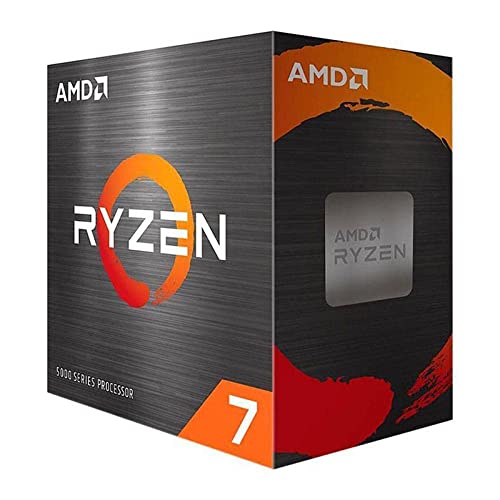
Ryzen 7 5700G APU Build -- Best No-GPU Option
The Ryzen 7 5700G includes integrated Vega graphics capable of running esports titles at 1080p medium settings without a discrete GPU. This makes it ideal if you want to start using the PC immediately and plan to add a GPU later. The savings on a GPU allow for a better case, a higher-capacity SSD, or 32GB of fast RAM. For productivity tasks -- document editing, video calls, coding, and web browsing -- this build is entirely adequate. Gaming performance is limited compared to discrete-GPU configurations, but daily computing tasks run smoothly.

Intel i3-14100 + B760 Build -- Best Productivity Home Office
The i3-14100 is a capable four-core, eight-thread processor that handles office work, browser tabs, spreadsheets, and video calls without hesitation. A B760 board, 16GB DDR4, and a 1TB SSD complete the build for leaving for a case, power supply, and basic peripherals. There is no GPU in this configuration beyond Intel's integrated UHD 730, which is not suitable for gaming but adequate for display output and video playback. This is the right choice for households replacing an aging office PC with no gaming requirement.
What to look for
What to consider
Define your use case before selecting components. Gaming builds require a GPU allocation of at least 40% of the total budget. Productivity builds can skip the discrete GPU and invest in faster storage and more RAM. Check used markets -- eBay and Facebook Marketplace frequently list GPUs at 20-30% below retail. Always verify that PSU wattage matches GPU requirements; a GPU drawing 200W needs at least a 550W power supply with a clean efficiency rating.
What to consider
For full setup guidance, see our [best PC building guides for beginners](/articles/best-computer-builders) and [best computer monitors ](/articles/best-computer-monitor-under-300) articles. Our [methodology page](/methodology) explains how we evaluate component configurations.
FAQs
Yes, at medium to high settings in most titles. A build centered on a Ryzen 5 7600 and an RX 6700 or RTX 4060 hits 60-plus FPS at 1080p in demanding games. Expect to lower settings in the most graphically intensive recent releases. Older game libraries and esports titles run at high framerates without compromise.
Building your own consistently delivers 20-30% more performance per dollar at this price point. Prebuilts at this price often use lower-tier power supplies and compact cases that limit upgradability. The assembly process takes two to four hours for a first-time builder using a mid-tower case with manufacturer documentation.
How we made this guide
We compare every pick on the factors that matter, cross-checking manufacturer specifications against aggregated verified owner reviews. We rank independently and never take payment for placement. We have not personally tested every product; where we have not, the ranking reflects verified specs and owner feedback rather than a hands-on review.
How it was written: this guide was researched and reviewed by the TheTestedHub editorial team for accuracy.
Affiliate disclosure: TheTestedHub is reader-supported. When you buy through links on our site, we may earn a commission at no extra cost to you.
Related guides

Your Docking Station Match: CalDigit TS4 and More

Digital Art Computers 2026: Best for Every Budget
Dev & IT Computers in 2026: Ranked for Real Work

Desktop PCs for Every Budget: Find Your Perfect Match
Desktop and Laptop Computers: Performance Reviewed and Ranked
MacBook Pro M4 Pro vs Dell XPS 15: 2026 Shortlist

Buy the Best DIY Computer in 2026: Corsair One i300
