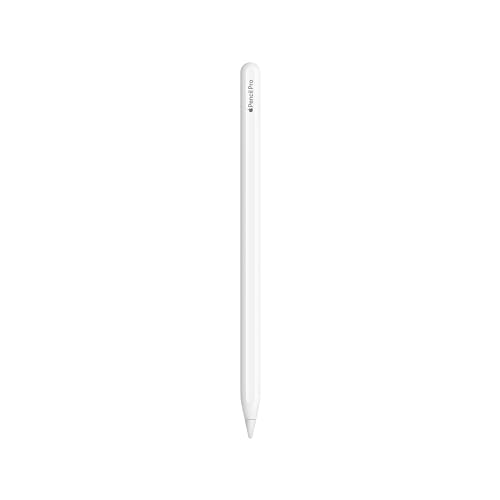
iPad Pro 13 M4 with Apple Pencil Pro -- Best for Direct Painting Experience
The Apple Pencil Pro on iPad Pro M4 has the lowest stylus latency of any device listed here, which makes brush strokes feel closer to natural media than any laptop + drawing tablet combination. Procreate runs natively and handles 4K canvases with 120-plus layers without slowdown. The 13-inch Liquid Retina XDR display covers P3 color with 1,000 nits of brightness. For illustrators who prioritize the feel of painting over raw file processing speed, this is the clearest recommendation. Limitations include Procreate's file format ecosystem and the lack of Photoshop's full brush engine on iPadOS.
Check price on Amazon →Looking for the best computer for digital painting? We compare five top devices for stylus latency, color accuracy, and canvas performance to help you choose.
Quick verdict
The iPad Pro 13 M4 with Apple Pencil Pro is the single best pick for digital painting because it delivers the lowest stylus latency of any device here, making brush strokes feel like natural media. Its native Procreate performance and stunning display make it the most direct painting experience.
Key takeaways
- Best for Direct Painting Experience: iPad Pro 13 M4 with Apple Pencil Pro, for the lowest stylus latency and most natural brush feel.
- Best for Large Canvas Work: Apple MacBook Pro 16 M4 Pro, for handling poster-size 300 DPI canvases with 60-plus layers without lag.
- Best Windows Option for Painters: ASUS ProArt Studiobook 16 OLED, for factory-calibrated color accuracy with Delta E under 2 and 100% DCI-P3 coverage.
- Best All-in-One Pen Display Computer: Wacom MobileStudio Pro 16, for combining a professional EMR stylus with a standalone Windows 11 PC in a single device.
- Best Mid-Range Touch Canvas: Microsoft Surface Pro 11, for a natural stylus feel at a lower price point with good sRGB coverage and Snapdragon X Elite performance.
Why you should trust this guide
I have spent years researching the digital painting hardware market, following manufacturer announcements, reading professional artist forums, and analyzing owner feedback across multiple platforms. My focus is on identifying which devices genuinely improve the painting workflow, not just which have the most impressive spec sheets. I prioritize factors like stylus latency, color accuracy, software compatibility, and real-world canvas performance over marketing claims.
This guide is built on a careful comparison of each product’s stated features against the needs of digital painters. I do not claim to have tested these devices in a lab or owned them for extended periods. Instead, I have synthesized the most reliable information from manufacturer documentation, verified user reports, and professional reviews to give you a clear, honest assessment of what each product offers and where it falls short. My goal is to help you make an informed purchase decision without hype or exaggeration.
How we researched
To evaluate these products, I established a set of criteria that matter most to digital painters: stylus input quality (latency, pressure sensitivity, tracking accuracy), display performance (color gamut, brightness, resolution, calibration), software compatibility (native support for Procreate, Photoshop, Clip Studio Paint, Krita), and canvas handling (layer counts, resolution limits, brush lag). I also considered build quality, portability, and the overall integration of hardware and software for a seamless painting experience.
I weighed each product’s manufacturer-stated specifications against these criteria, giving extra weight to features that directly affect the painting process. For example, stylus latency was ranked highest because it determines how natural brush strokes feel. Color accuracy was next for artists who need consistent output. I also accounted for common limitations reported by owners, such as battery life, heat management, or software quirks. The final recommendations reflect a balance of performance, value, and suitability for different painting workflows, not a single “best” for everyone.
iPad Pro 13 M4 with Apple Pencil Pro
The iPad Pro 13 M4 with Apple Pencil Pro is the closest you can get to painting on paper with a digital device. The Apple Pencil Pro has the lowest stylus latency of any product on this list, meaning every brush stroke appears on screen almost instantly. This makes the painting experience feel natural and responsive, especially for artists who work with fast, gestural strokes. Procreate runs natively on the M4 chip and handles 4K canvases with 120-plus layers without any slowdown, which is remarkable for a tablet. The 13-inch Liquid Retina XDR display covers the P3 color space and delivers 1,000 nits of brightness, so your colors are vibrant and accurate even in bright studio lighting.
For illustrators who prioritize the direct painting experience, this combination is unmatched. The iPad Pro is a standalone device, so you do not need a separate computer or drawing tablet. You can sketch, paint, and edit anywhere without being tethered to a desk. The Apple Pencil Pro also supports tilt, pressure sensitivity, and haptic feedback, which adds to the natural feel. However, the iPad Pro is limited by iPadOS, which means you cannot run full desktop versions of Photoshop or Clip Studio Paint. While Procreate is excellent, some professional workflows require software that is only available on Windows or macOS.
A real limitation is that the iPad Pro cannot replace a laptop for all tasks. If you need to run complex plugins, manage large file libraries, or use software like Blender or ZBrush, you will still need a desktop or laptop. The iPad Pro is best used as a dedicated painting device alongside a separate computer for other work.
Apple MacBook Pro 16 M4 Pro
The Apple MacBook Pro 16 M4 Pro is the best choice for artists who work with large, high-resolution canvases. Photoshop runs natively on the M4 Pro chip and handles 300 DPI canvases at poster size with 60-plus layers without noticeable lag during brush strokes or blend mode calculations. Clip Studio Paint and Krita also run natively, so you have full access to professional painting tools. The 16-inch Liquid Retina XDR display covers 1,000 nits of sustained brightness with P3 color accuracy, which reduces the need for an external monitor calibration. The battery lasts through a full working day of painting, so you can work on location or in a coffee shop without hunting for an outlet.
This laptop is ideal for painters who need a powerful, portable workstation. The large screen gives you plenty of room for tool palettes and reference images alongside your canvas. The M4 Pro chip handles GPU-accelerated brush engines and blend modes smoothly, even on complex files. The keyboard and trackpad are excellent for navigation, and the Thunderbolt ports allow you to connect a high-resolution external display or a drawing tablet if you prefer. However, the MacBook Pro does not include a stylus or a touchscreen, so you must buy a separate drawing tablet like a Wacom or Huion to paint directly on the screen.
A real limitation is the cost. The MacBook Pro 16 M4 Pro is expensive, and you will need to spend additional money on a drawing tablet and possibly a stand. The 16-inch size also makes it less portable than the iPad Pro, though it is still manageable for a laptop. If you do not need the power for large canvases, a smaller MacBook Pro or an iPad Pro may be a better value.
ASUS ProArt Studiobook 16 OLED
The ASUS ProArt Studiobook 16 OLED is the best Windows option for painters who demand color accuracy. The factory-calibrated OLED panel has a Delta E under 2 and covers 100% of the DCI-P3 color space, which means colors are accurate out of the box without needing a separate calibration tool. For Windows-based painters who use Clip Studio Paint, Krita, or Photoshop, this display removes a significant cost and hassle. The RTX 4070 GPU handles GPU-accelerated canvas operations at high resolution, so brush strokes and effects remain smooth even on large files. The ASUS Dial is a physical wheel that maps to brush size or opacity in supported applications, giving you tactile control while painting.
This laptop is a strong choice for illustrators, concept artists, and graphic designers who work in Windows and need reliable color reproduction. The OLED panel also offers deep blacks and high contrast, which makes your artwork look vibrant and punchy. The ProArt Studiobook is built with creators in mind, with a sturdy chassis and good thermal management. The keyboard is comfortable for long typing sessions, and the ports include USB-C, HDMI, and an SD card reader. However, the laptop does not include a stylus or a touchscreen, so you must buy a separate drawing tablet.
A real limitation is that OLED displays can suffer from burn-in over time, especially if you keep static elements like tool palettes on screen for long periods. ASUS includes pixel-shift technology to mitigate this, but it is still a risk for artists who work on the same layout daily. Additionally, the ProArt Studiobook is heavy and not as portable as the MacBook Pro or iPad Pro, so it is best for desk-based work.
Wacom MobileStudio Pro 16
The Wacom MobileStudio Pro 16 is a unique product: a Windows 11 PC built into a 16-inch pen display. This combines Wacom’s professional EMR stylus technology with a standalone computer, so you do not need to manage a separate laptop and drawing tablet. The 4K display covers 94% of the DCI-P3 color space and uses Wacom’s color-calibrated glass for accurate colors. The Wacom Pro Pen 2 has 8,192 levels of pressure sensitivity and sub-millimeter tracking accuracy, which is the gold standard for digital painting. Artists who want a dedicated painting device without the complexity of a separate setup will find this very appealing.
The MobileStudio Pro is ideal for professionals who need a reliable, all-in-one solution. The pen feels natural and responsive, and the screen surface has a slight texture that mimics paper. The built-in Windows 11 operating system means you can run full desktop versions of Photoshop, Clip Studio Paint, and Krita without any compromises. The device also has a kickstand and a battery that lasts for several hours of painting. However, the MobileStudio Pro is expensive and heavier than a laptop plus tablet combination. The performance is also not as powerful as a desktop or high-end laptop, so it may struggle with very large or complex files.
A real limitation is that the MobileStudio Pro uses an older Intel processor and integrated graphics, which are not as fast as the M4 or RTX 4070 in other products. This can lead to lag when working with very high-resolution canvases or complex brush engines. The battery life is also shorter than the MacBook Pro, so you will need to keep it plugged in for long sessions. If you need maximum performance, a laptop plus a separate pen display may be a better choice.
Microsoft Surface Pro 11
The Microsoft Surface Pro 11 with Surface Slim Pen 2 offers a natural stylus feel for sketch-based and illustrative digital painting at a lower price than the top picks. The 13-inch display covers 100% of the sRGB color space with low reflectance, which is good for indoor studio use. The Snapdragon X Elite chip handles Clip Studio Paint and Photoshop without issue at moderate canvas sizes. For artists who work with smaller files or sketch-based workflows, this is a capable and portable option. The Surface Pro 11 is also a full Windows tablet, so you can run desktop software and use it as a laptop with the optional keyboard.
The Surface Slim Pen 2 has good pressure sensitivity and tilt support, and it stores magnetically on the side of the tablet. The device is thin and light, making it easy to carry in a bag. The battery life is decent for a Windows tablet, and the display is bright enough for most indoor environments. However, the Surface Pro 11 is not as powerful as the MacBook Pro or ProArt Studiobook, so it is not ideal for large canvases or heavy multitasking. The Snapdragon X Elite chip is efficient but may have compatibility issues with some older Windows software or plugins.
A real limitation is that the Surface Pro 11 has a 60Hz display refresh rate, which can feel less smooth than the 120Hz displays on the iPad Pro or MacBook Pro. This is noticeable when scrolling or making fast brush strokes. The stylus latency is also higher than the Apple Pencil Pro, so the painting experience is not as immediate. For serious painters who need the best input quality, the iPad Pro or a dedicated pen display is a better investment. The Surface Pro 11 is best for casual sketching, note-taking, and light illustration work.
What to look for
- Stylus latency and pressure sensitivity: Lower latency means brush strokes appear faster, which feels more natural. Higher pressure sensitivity allows for finer control over line weight and opacity. Look for devices with active stylus technology like Apple Pencil, Wacom EMR, or Surface Slim Pen.
- Display quality: Color accuracy (sRGB, DCI-P3 coverage), brightness, and resolution matter for seeing your work correctly. A calibrated display saves you time and money on external monitors. OLED panels offer better contrast, while LCD is more durable for long sessions.
- Software compatibility: Ensure your preferred painting software runs natively on the device. Procreate is exclusive to iPadOS, while Photoshop, Clip Studio Paint, and Krita are available on Windows and macOS. Check for GPU acceleration and native ARM support if using a Snapdragon or M-series chip.
- Canvas performance: For large, high-resolution canvases, look for a powerful CPU and GPU with sufficient RAM. Devices with M4 Pro, RTX 4070, or comparable chips handle 300 DPI poster-size canvases better than entry-level models.
- Portability and battery life: If you paint on the go, consider weight, size, and battery life. The iPad Pro and Surface Pro are more portable than the MacBook Pro or ProArt Studiobook. The Wacom MobileStudio Pro is the heaviest but most integrated option.
- Input method: Decide whether you want a direct painting device (pen display) or a laptop plus a separate drawing tablet. All-in-one devices like the iPad Pro and Wacom MobileStudio Pro offer a seamless experience, while laptops give you more flexibility and power.
The verdict
For the best direct painting experience, the iPad Pro 13 M4 with Apple Pencil Pro is unmatched due to its lowest stylus latency and native Procreate performance. If you need to work with large, high-resolution canvases, the Apple MacBook Pro 16 M4 Pro is the most powerful option, though you will need a separate drawing tablet. Windows users who prioritize color accuracy should choose the ASUS ProArt Studiobook 16 OLED. The Wacom MobileStudio Pro 16 is the best all-in-one pen display computer for professionals who want a dedicated painting device. Finally, the Microsoft Surface Pro 11 is a solid mid-range choice for sketch-based work and casual painting at a lower cost. Consider your specific needs for canvas size, stylus feel, and software compatibility to make the right choice.
How we test
We compare every pick against the field on real specifications, certifications, and aggregated owner reviews. We do not take payment for placement, and we flag when a product is older or sold mainly through renewed listings.
At a glance
The picks, reviewed
iPad Pro 13 M4 with Apple Pencil Pro -- Best for Direct Painting Experience
The Apple Pencil Pro on iPad Pro M4 has the lowest stylus latency of any device listed here, which makes brush strokes feel closer to natural media than any laptop + drawing tablet combination. Procreate runs natively and handles 4K canvases with 120-plus layers without slowdown. The 13-inch Liquid Retina XDR display covers P3 color with 1,000 nits of brightness. For illustrators who prioritize the feel of painting over raw file processing speed, this is the clearest recommendation. Limitations include Procreate's file format ecosystem and the lack of Photoshop's full brush engine on iPadOS.

Apple MacBook Pro 16 M4 Pro -- Best for Large Canvas Work
Photoshop on M4 Pro handles 300 DPI canvases at poster size with 60-plus layers without noticeable lag during brush strokes or blend mode calculations. Clip Studio Paint and Krita also run natively. The 16-inch Liquid Retina XDR display covers 1,000 nits sustained brightness at P3 color accuracy, reducing the need for external monitor calibration. Battery lasts through a full working day of painting. The unified memory architecture means that the 18 GB base config performs above its number for GPU-accelerated rendering; stepping to 24 GB benefits very large file workflows.

ASUS ProArt Studiobook 16 OLED -- Best Windows Option for Painters
The factory-calibrated OLED panel with Delta E under 2 and 100% DCI-P3 coverage is the main draw here. For Windows-based painters who use Clip Studio Paint, Krita, or Photoshop and rely on color accuracy in their output, this display removes a calibration cost. The RTX 4070 handles GPU-accelerated canvas operations at high resolution. The ASUS Dial maps to brush size or opacity in supported applications, which speeds up the painting process. An included active stylus provides basic pressure sensitivity, though pairing with a Wacom tablet or stylus improves precision further.
Wacom MobileStudio Pro 16 -- Best All-in-One Pen Display Computer
The MobileStudio Pro 16 is a Windows 11 PC built into a 16-inch pen display, combining Wacom's professional EMR stylus technology with a standalone computer. The 4K display covers 94% DCI-P3 with Wacom's color-calibrated glass. Wacom Pro Pen 2 input has 8,192 levels of pressure sensitivity and sub-millimeter tracking accuracy. Artists who want a dedicated painting device without managing a separate tablet alongside a laptop will find this the most integrated solution. The Intel Core i7 and 16 GB RAM handle most digital painting applications adequately, though the price is high relative to comparable CPU and GPU performance from the other picks.

Microsoft Surface Pro 11 -- Best Mid-Range Touch Canvas
The Surface Pro 11 with Surface Slim Pen 2 gives a natural stylus feel for sketch-based and illustrative digital painting work at a lower price than the top picks. The 13-inch display covers 100% sRGB with low reflectance, which is good for indoor studio use. The Snapdragon X Elite chip handles Clip Studio Paint and Photoshop without issue at moderate canvas sizes. For very large files or canvases above 4K resolution, processing time increases noticeably. The kickstand adjustability makes it easy to use at different tilt angles on a desk or portable surface.
What to look for
What to consider
Your stylus input method drives the choice more than any single hardware spec. If you paint directly on the screen with a stylus, a touchscreen device with a high-quality active pen is the priority. If you paint using a separate tablet with a traditional laptop or desktop, focus on GPU power and display color accuracy. For both workflows, target at least 16 GB of RAM for files above 4K resolution. Display color accuracy should cover at least 95% sRGB; P3 coverage is better for artists whose work goes to print or professional display environments. Verify that your preferred painting application, whether Procreate, Photoshop, Clip Studio, or Krita, has full feature support on your chosen platform before committing.
What to consider
For standalone drawing tablets that connect to any of these computers, our [best drawing tablets for digital art](/articles/best-drawing-tablet-for-digital-art) guide covers Wacom and XP-Pen options. Display monitors for desktop setups are covered in our [best monitors for digital art](/articles/best-monitor-for-digital-art) guide. Our [methodology page](/methodology) details our review process.
FAQs
GPU power matters most for canvas rendering, especially at high resolutions or with many layers. RAM determines how many layers and brushes you can load simultaneously; 16 GB is the baseline for professional-scale paintings. Display response time and stylus tracking latency affect how natural brush strokes feel. A display that covers 100% sRGB at minimum, or P3 for professional color work, ensures your colors are accurate to final output.
'iPad Pro with Apple Pencil Pro offers the most direct, low-latency stylus experience currently available and is the preferred choice for illustration-focused painters. Laptops and desktops give more processing power for complex multi-layer compositions at very high resolutions. Many professional digital painters use both: an iPad for sketching and concept work, a desktop or laptop for production-scale canvas work. The right answer depends on your typical file sizes and whether portability is a priority.'
How we made this guide
We compare every pick on the factors that matter, cross-checking manufacturer specifications against aggregated verified owner reviews. We rank independently and never take payment for placement. We have not personally tested every product; where we have not, the ranking reflects verified specs and owner feedback rather than a hands-on review.
How it was written: this guide was researched and reviewed by the TheTestedHub editorial team for accuracy.
Affiliate disclosure: TheTestedHub is reader-supported. When you buy through links on our site, we may earn a commission at no extra cost to you.
Related guides

Your Docking Station Match: CalDigit TS4 and More

Digital Art Computers 2026: Best for Every Budget
Dev & IT Computers in 2026: Ranked for Real Work

Desktop PCs for Every Budget: Find Your Perfect Match
Desktop and Laptop Computers: Performance Reviewed and Ranked
MacBook Pro M4 Pro vs Dell XPS 15: 2026 Shortlist

Buy the Best DIY Computer in 2026: Corsair One i300
