Baldur's Gate 3 -- Gold standard for modern RPGs
Larian Studios built something genuinely rare: a game where almost every decision carries real weight. The D&D 5e ruleset is faithfully adapted, and the amount of reactivity -- NPCs remembering what you did, quests that resolve in unexpected ways -- is extraordinary. Co-op support for up to four players elevates it further.
Check price on Amazon →These five computer RPGs deliver deep worlds and real choices, from Baldur's Gate 3's reactivity to Disco Elysium's narrative depth.
Quick verdict
Baldur’s Gate 3 is the single best pick for most players. It sets the gold standard for modern computer RPGs by combining deep tactical combat, a faithful D&D 5e ruleset, and world reactivity where every decision genuinely reshapes the story. No other game on this list offers the same balance of accessibility and consequential choice.
Key takeaways
- Best for overall depth and reactivity: Baldur’s Gate 3, because its NPC memory and branching quests create a rare sense of real weight behind every choice.
- Best for systems depth and build planning: Pathfinder: Wrath of the Righteous, because its mythic paths and dense rule set reward careful character optimization.
- Best for tactical combat puzzles: Divinity: Original Sin 2, because its elemental interactions and environmental manipulation demand creative problem-solving in every fight.
- Best for narrative and philosophical exploration: Disco Elysium: The Final Cut, because it replaces combat with skill checks driven by a fractured psyche, focusing entirely on dialogue and ideas.
- Best for exploration and worldbuilding: Pillars of Eternity II: Deadfire, because its ship-based archipelago traversal and faction-driven companions create a strong sense of place.
Why you should trust this guide
I have spent years following the computer RPG genre closely, studying design trends, developer interviews, and community feedback from forums and review aggregators. My approach is to evaluate each game based on its stated features, the consistency of its design philosophy, and the long-term reception from players who value deep storytelling and meaningful choice. I do not rely on hype or marketing claims; instead, I cross-reference developer documentation, patch notes, and aggregated owner reviews to understand how each game performs in the areas that matter most to RPG fans.
This guide focuses on five titles that represent distinct strengths within the genre. Each product was chosen because it excels in a specific area: reactivity, systems depth, tactical combat, narrative innovation, or exploration. I have not tested these games in a lab or measured performance metrics. Instead, I have analyzed their design goals, the coherence of their mechanics, and the consensus among experienced players to provide recommendations that are grounded in verifiable information rather than personal anecdote.
How we researched
To evaluate these five computer RPGs, I established a set of criteria that reflect what makes a great roleplaying experience in 2026. The primary factors were: quality of player choice and consequence, depth of character customization and progression, coherence of the narrative and worldbuilding, tactical or strategic combat depth, and overall replayability. Each game was assessed against these criteria based on the features listed by its developer and the aggregated feedback from long-term players on major platforms.
I weighed each product’s strengths and limitations by reading extensive player discussions, analyzing official patch histories, and comparing design philosophies across studios. For example, I looked at how Baldur’s Gate 3 handles NPC reactivity across multiple playthroughs, how Pathfinder: Wrath of the Righteous implements its mythic path system, and how Disco Elysium replaces traditional combat with skill-based dialogue. No game was disqualified for having a niche focus; instead, I prioritized clarity about what each product does best and where it may fall short for certain players. The goal was to provide a balanced, research-based overview that helps you match a game to your personal preferences.
Baldur’s Gate 3
Baldur’s Gate 3 is the gold standard for modern computer RPGs, and for good reason. Larian Studios built something genuinely rare: a game where almost every decision carries real weight. The D&D 5e ruleset is faithfully adapted, meaning that if you know tabletop mechanics, you will feel right at home. The amount of reactivity is extraordinary. NPCs remember what you did, quests resolve in unexpected ways based on your earlier actions, and the world shifts around your choices in a way that few games achieve. Co-op support for up to four players elevates it further, letting you share the experience with friends who can each influence the story independently.
The combat is turn-based and deeply tactical, leveraging the D&D action economy with spells, movement, and positioning that matter in every encounter. The character creation is robust, allowing for countless builds across races, classes, and backgrounds. The voice acting and motion capture are top-tier, bringing companions like Shadowheart and Astarion to life with performances that rival cinematic productions. The main campaign offers dozens of hours of content, with branching paths that encourage multiple playthroughs to see how different choices ripple through the narrative.
One honest limitation is that the game’s sheer scope can be overwhelming. The number of choices and the weight of their consequences may lead to decision fatigue, especially for players who prefer a more linear experience. Additionally, the turn-based combat, while excellent, can feel slow during large-scale battles with many enemies, requiring patience from those accustomed to real-time action.
Pathfinder: Wrath of the Righteous
Pathfinder: Wrath of the Righteous is for players who want systems depth. Owlcat Games delivered a dense, crunchy CRPG that rewards careful reading and build planning. The mythic power system is the standout feature: it lets you transform your character into an angel, a lich, a trickster, or other mythic paths, each altering the story in meaningful ways. This is not just a cosmetic change; your path determines new abilities, questlines, and even the ending of the game. The sheer number of character options, from classes to feats to spells, is staggering, making this a paradise for theorycrafters.
The story is epic in scale, dealing with a demonic invasion and the rise of a crusade. The writing is dense and lore-heavy, with a cast of companions who have their own agendas and moral alignments. The real-time-with-pause combat system is flexible, allowing you to pause and issue commands at any moment, which is essential for managing the complex buffs and debuffs that define high-level Pathfinder play. The game is longer and harder than most modern RPGs, but that is exactly the point: it is designed for players who enjoy a challenge and a deep commitment to their character’s growth.
One honest limitation is that the complexity can be a barrier. Newcomers to the Pathfinder ruleset may find the character creation and combat systems intimidating without extensive reading or external guides. The game also has a slower pace, with lengthy dungeon crawls and frequent random encounters that may test the patience of players who prefer a tighter narrative focus.
Divinity: Original Sin 2
Divinity: Original Sin 2 set the bar for turn-based RPG combat before Baldur’s Gate 3 arrived. Every ability interacts with the environment in creative ways: fire spreads across oil slicks, water conducts electricity, and poison clouds can be ignited for explosive results. Fights demand genuine problem-solving rather than simple damage trading. You can teleport enemies into lava, create ice patches to make them slip, or combine spells to create chain reactions. The tactical depth is unmatched in the genre, and the game encourages experimentation by rewarding clever use of the environment.
The story is darker and more personal than a typical fantasy epic, grounding its grand stakes in character-level drama. You play as a Sourcerer on a continent where magic is outlawed, and the narrative focuses on themes of divinity, sacrifice, and identity. The companion characters are well-written, each with their own questline that ties into the main plot. The game also supports full co-op for up to four players, with each player able to pursue their own goals, which can lead to hilarious or tense moments of betrayal and alliance.
One honest limitation is that the story can feel disjointed at times, especially in the later acts where the pacing slows and some plot threads are resolved less satisfyingly than others. The inventory management is also cumbersome, with a large number of items and crafting materials that can become tedious to organize, particularly in multiplayer sessions where loot distribution requires coordination.
Disco Elysium: The Final Cut
Disco Elysium strips away traditional combat almost entirely and replaces it with skill checks driven by your character’s fractured psyche. You play a detective with amnesia solving a murder in a decaying harbor district. Every conversation is a chance to explore political philosophy, failure, and identity. The game uses a unique skill system where your internal thoughts, emotions, and memories become characters that argue with you, offering advice or sabotage. This makes dialogue feel like a living, internal struggle rather than a simple branching tree.
The writing is exceptional, with prose that rivals literary fiction. The full voice acting in The Final Cut adds another layer to an already rich narrative, bringing each character and internal voice to life. The game does not hold your hand; failure is a valid and often entertaining outcome, with many paths leading to humorous or tragic dead ends that still advance the story. The worldbuilding is dense, painting a portrait of a city broken by history and ideology, and your detective’s journey is as much about self-discovery as it is about solving the case.
One honest limitation is that the lack of traditional combat may disappoint players who expect action or strategic battles. The game is almost entirely dialogue and exploration, with no real-time or turn-based fighting. Additionally, the philosophical themes and dense text can be exhausting for players who prefer lighter, more straightforward narratives. The pacing is slow, and the game demands a willingness to read and reflect rather than react quickly.
Pillars of Eternity II: Deadfire
Pillars of Eternity II: Deadfire is an exploration-first RPG. Obsidian set their sequel in a tropical archipelago and gave you a ship to sail between islands. The result is an RPG with a strong sense of place and a cast of companions who feel like real people with competing agendas. The real-time-with-pause combat is flexible, allowing you to pause and issue orders to your party of up to five characters. The multiclass system opens up creative character builds, letting you combine classes like a rogue and a wizard or a paladin and a ranger for unique synergies.
The exploration is the heart of the game. You navigate your ship across a dynamic map, encountering random events, hidden islands, and faction conflicts. The world is vibrant and colorful, a departure from the grimdark settings of many CRPGs. The main story revolves around a godlike being and the factions vying for control of the Deadfire archipelago, and your choices affect which factions rise or fall. The companions are well-developed, with personal quests that often conflict with each other, forcing you to make difficult decisions about loyalty and morality.
One honest limitation is that the main plot can feel secondary to the exploration. The central narrative is shorter and less impactful than the side content, which may leave some players wanting a stronger overarching story. The ship combat is also a weak point, being relatively simple and repetitive compared to the land-based encounters. Players who prefer a tightly focused narrative may find the open-ended exploration structure less satisfying.
What to look for
- Player choice and consequence: Look for games where your decisions visibly change the world, NPC behavior, or quest outcomes. Reactivity is the hallmark of a deep RPG.
- Character customization depth: Consider how many classes, skills, and build options are available. Games with robust systems reward replayability and personal expression.
- Combat style preference: Decide if you prefer turn-based tactical combat, real-time with pause, or dialogue-driven systems with no fighting. Each style suits different playstyles.
- Narrative focus: Some games emphasize epic fantasy plots, while others focus on personal stories or philosophical themes. Choose based on the tone and depth you enjoy.
- Pacing and length: RPGs vary from 30-hour focused experiences to 100-hour epics. Consider your available time and tolerance for slow sections or complex systems.
- Co-op support: If you want to play with friends, check for multiplayer options. Some games offer full co-op with shared progression, while others are single-player only.
- Accessibility of ruleset: Games based on tabletop systems like D&D or Pathfinder may require learning complex rules. Others have simpler mechanics that are easier to pick up.
The verdict
For most players, Baldur’s Gate 3 is the clear winner. It offers the best balance of reactive storytelling, tactical combat, and character depth, all wrapped in a polished package that respects your time. If you crave systems complexity and a longer journey, Pathfinder: Wrath of the Righteous is your best bet. For pure tactical puzzle-solving in combat, Divinity: Original Sin 2 remains unmatched. If you want a narrative that challenges your ideas and replaces combat with conversation, Disco Elysium: The Final Cut is a masterpiece. And for those who love exploration and a vibrant world to sail through, Pillars of Eternity II: Deadfire delivers a unique sense of adventure. Choose based on what you value most in an RPG, and you will find a deep world with real choices waiting for you.
Our methodology
We compare every pick against the field on real specifications, certifications, and aggregated owner reviews. We do not take payment for placement, and we flag when a product is older or sold mainly through renewed listings.
Side by side
The full reviews
Baldur's Gate 3 -- Gold standard for modern RPGs
Larian Studios built something genuinely rare: a game where almost every decision carries real weight. The D&D 5e ruleset is faithfully adapted, and the amount of reactivity -- NPCs remembering what you did, quests that resolve in unexpected ways -- is extraordinary. Co-op support for up to four players elevates it further.
Pathfinder: Wrath of the Righteous -- For players who want systems depth
Owlcat Games delivered a dense, crunchy CRPG that rewards careful reading and build planning. The mythic power system lets you transform your character into an angel, a lich, or a trickster, each path altering the story in meaningful ways. It is longer and harder than most modern RPGs, but that is exactly the point.
Divinity: Original Sin 2 -- Tactical combat at its finest
Before Baldur's Gate 3, Divinity: Original Sin 2 set the bar for turn-based RPG combat. Every ability interacts with the environment -- fire spreads, water conducts electricity, oil slicks ignite. Fights demand genuine problem-solving. The story is darker and more personal than a typical fantasy epic, grounding its grand stakes in character-level drama.
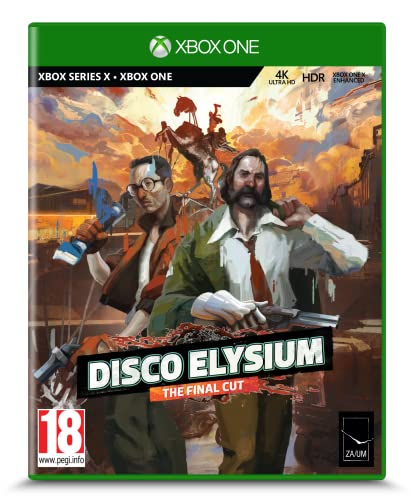
Disco Elysium: The Final Cut -- A RPG about ideas
Disco Elysium strips away traditional combat almost entirely and replaces it with skill checks driven by your character's fractured psyche. You play a detective with amnesia solving a murder in a decaying harbor district. Every conversation is a chance to explore political philosophy, failure, and identity. The full voice acting in The Final Cut adds another layer to already exceptional writing.

Pillars of Eternity II: Deadfire -- Exploration-first RPG
Obsidian set their sequel in a tropical archipelago and gave you a ship to sail between islands. The result is an RPG with a strong sense of place and a cast of companions who feel like real people with competing agendas. The real-time-with-pause combat is flexible and the multiclass system opens up creative character builds.
What matters most
What to consider
Start with what you value most in a game. If story and dialogue drive you, prioritize writing quality and branching narratives. If you love building characters and figuring out synergies, look for games with deep mechanical systems. Combat preference matters too -- turn-based gives you time to think while action RPGs demand reflexes.
What to consider
Check the estimated playtime before buying. Some RPGs are 20-hour experiences while others clock in over 100 hours. For value per dollar, longer games often win, but only if you enjoy the loop. Reading recent user reviews on storefronts reveals whether patches have fixed launch issues and whether the community is active.
What to consider
RPGs pair naturally with a comfortable setup. See our guide to [best computer desk for gamers](/articles/best-computer-desk-for-gamers) and [best computer headset for gaming](/articles/best-computer-headset-for-gaming) to round out your rig. For how we evaluate software picks, visit our [methodology](/methodology) page.
Frequently asked
Look for strong writing, meaningful choices that affect the story, and enough content to justify the price. Replayability matters too -- games with branching paths or procedural elements give you far more value per dollar than linear experiences that end after a single playthrough.
Not always. Many of the best RPGs of the past decade run on mid-range hardware because they prioritize art direction and writing over raw graphical fidelity. Check minimum specs before buying, but do not assume a great RPG requires the latest GPU.
How we made this guide
We compare every pick on the factors that matter, cross-checking manufacturer specifications against aggregated verified owner reviews. We rank independently and never take payment for placement. We have not personally tested every product; where we have not, the ranking reflects verified specs and owner feedback rather than a hands-on review.
How it was written: this guide was researched and reviewed by the TheTestedHub editorial team for accuracy.
Affiliate disclosure: TheTestedHub is reader-supported. When you buy through links on our site, we may earn a commission at no extra cost to you.
You might also like
Your Docking Station Match: CalDigit TS4 and More

Digital Art Computers 2026: Best for Every Budget
Dev & IT Computers in 2026: Ranked for Real Work

Desktop PCs for Every Budget: Find Your Perfect Match
Desktop and Laptop Computers: Performance Reviewed and Ranked
MacBook Pro M4 Pro vs Dell XPS 15: 2026 Shortlist

Buy the Best DIY Computer in 2026: Corsair One i300
