
Apple MacBook Pro 14 M4 Pro -- Best Portable Coding Setup
The M4 Pro delivers exceptional single-threaded and multi-threaded performance in a portable chassis that runs for 15 to 18 hours between charges. Compilation times in Xcode, Swift, and Java projects are among the fastest in the laptop segment. The unified memory architecture means 24 GB of memory functions as both system RAM and GPU memory with very low latency. Rosetta 2 handles the remaining Intel-architecture binaries that have not been ported natively. For developers who move between home, office, and client sites, the combination of performance and battery life is hard to match.
Check price on Amazon →Developers who want faster compiles and better battery life will find the ideal machine here, from the Apple MacBook Pro 14 M4 Pro to a custom AMD desktop.
Quick verdict
For most developers in 2026, the Apple MacBook Pro 14 M4 Pro is the single best pick because it combines the fastest laptop compilation speeds with exceptional battery life and a unified memory architecture that eliminates the need to choose between system and GPU RAM. It is the most balanced portable workstation for professional coding.
Key takeaways
- Best for portable performance: Apple MacBook Pro 14 M4 Pro, fastest laptop compilation times and 15 to 18 hour battery life.
- Best compact desktop value: Apple Mac Mini M4 Pro, server-class build performance in a tiny footprint at a lower price than a laptop.
- Best Windows laptop for coding: Dell XPS 15 (Intel Core Ultra 9), high-resolution OLED display with strong multi-threaded performance and WSL2 support.
- Best high-core-count value desktop: Custom AMD Ryzen 9 Desktop Build, maximum parallel task performance and RAM headroom for the price.
- Best upgradeable laptop: Framework Laptop 16, fully modular design with user-swappable RAM, SSD, ports, and GPU module.
Why you should trust this guide
I have spent years researching developer workstations, tracking processor benchmarks, memory bandwidth tests, and real-world compilation times reported by the developer community. My approach is to evaluate each product based on the specific demands of coding workflows: single-threaded speed for linting and IDE responsiveness, multi-threaded performance for builds and testing, memory capacity for containerized environments, and portability for on-the-go work. I do not rely on manufacturer hype; I cross-reference stated specifications with verified owner feedback from forums, professional reviews, and long-term usage reports.
This guide focuses on five distinct categories of developer setup because one size does not fit all. A backend engineer running multiple Docker containers needs a different machine than a mobile developer compiling Swift in Xcode. I have selected these five products because they represent the best balance of performance, upgradeability, and value in their respective categories for 2026. Every recommendation includes an honest limitation so you can decide if the trade-off works for your specific workflow.
How we researched
To evaluate these products, I identified the key criteria that matter for a developer workstation in 2026. Processor performance was weighed by single-threaded and multi-threaded benchmark scores from standardized industry tests. Memory architecture was assessed by bandwidth, latency, and maximum capacity, especially for unified memory systems where system RAM and GPU RAM share the same pool. Portability was judged by battery life ratings and chassis weight. Build quality and upgradeability were evaluated based on the manufacturer’s stated design specifications and component accessibility.
For each product, I compared its stated specifications against the requirements of common developer tasks: compiling large codebases in Xcode, Swift, Java, and Node.js; running multiple Docker containers or local Kubernetes clusters; using WSL2 for Linux development on Windows; and working with high-resolution displays for extended screen sessions. I prioritized machines that offer a clear advantage in at least one of these areas without compromising overall usability. The final selections represent the best options for different developer priorities, not a single universal winner.
Apple MacBook Pro 14 M4 Pro — Best Portable Coding Setup
The Apple MacBook Pro 14 with the M4 Pro chip is the most compelling portable coding machine available today. The M4 Pro delivers exceptional single-threaded and multi-threaded performance in a chassis that runs for 15 to 18 hours between charges, which means you can work through a full day of meetings and coding sessions without hunting for an outlet. Compilation times in Xcode, Swift, and Java projects are among the fastest in the laptop segment, making it ideal for iOS and macOS developers who need to rebuild frequently. The unified memory architecture means 24 GB of memory functions as both system RAM and GPU memory with very low latency, which is a huge advantage for tasks like running local machine learning models or compiling shaders.
Rosetta 2 handles the remaining Intel-based applications seamlessly, so you are not locked out of legacy tools during the transition to Apple Silicon. The 14-inch Liquid Retina XDR display provides excellent color accuracy and brightness for UI design work. The build quality is premium with a solid aluminum unibody, and the keyboard is comfortable for long typing sessions. One real limitation is that the memory and storage are soldered and cannot be upgraded after purchase, so you must choose your configuration carefully at the time of order. Additionally, if you rely heavily on Windows-specific development tools that do not run well in a virtual machine, this machine may require workarounds.
Apple Mac Mini M4 Pro — Best Compact Desktop Coding Setup
The Apple Mac Mini M4 Pro packs server-class build performance into a desktop footprint smaller than most external hard drives. Configured with 24 or 48 GB of unified memory and connected to a quality external display, it provides a full development workstation experience at a significantly lower price than a MacBook Pro. This machine handles Docker containers, large Node.js projects, and Xcode builds with no thermal throttling because the larger chassis allows for better cooling than a laptop. For developers who already own a monitor, keyboard, and mouse, the Mac Mini is the most cost-effective way to get M4 Pro performance.
The unified memory architecture again provides low-latency access for both CPU and GPU tasks, which is beneficial for data science workflows and parallel compilation. The machine includes multiple Thunderbolt 4 ports for fast external storage and high-resolution displays. One real limitation is that the Mac Mini does not include a built-in display, keyboard, or trackpad, so you need to factor in the cost of those peripherals. Also, like the MacBook Pro, the memory and storage are not user-upgradeable, so you must plan for future needs at purchase time. For developers who want a quiet, powerful desktop that takes up almost no desk space, this is an excellent choice.
Dell XPS 15 (Intel Core Ultra 9) — Best Windows Coding Laptop
The Dell XPS 15 balances a high-resolution 15.6-inch OLED display with solid multi-threaded performance from the Intel Core Ultra 9 processor. The display quality benefits extended screen-time sessions with accurate color and low blue light output in night mode, which reduces eye strain during long coding marathons. WSL2 on Windows 11 provides a capable Linux development environment for backend and cloud engineers, allowing you to run Ubuntu, Debian, or other distributions natively alongside Windows tools. The 32 GB DDR5 configuration handles multiple IDE windows, database servers, and browser tabs without slowdown.
The build quality is excellent with a sleek aluminum chassis and a large precision trackpad. The keyboard has good key travel for a thin laptop, and the port selection includes USB-C Thunderbolt 4 and a headphone jack. One real limitation is that the OLED display, while beautiful, can be prone to burn-in over time if static UI elements are displayed for long periods. Additionally, the Intel Core Ultra 9 processor, while strong, does not match the M4 Pro in single-threaded performance for tasks like Xcode compilation, so Windows developers focused on cross-platform work may notice a difference. For developers who need a premium Windows machine with a top-tier display, the XPS 15 is a strong contender.
Custom AMD Ryzen 9 Desktop Build — Best Value High-Core-Count Coding Desktop
A Ryzen 9 7900X or 7950X paired with 64 GB of DDR5, a fast NVMe drive, and mid-range graphics in a Mini-ITX or Micro-ATX case delivers compilation speed and parallel task performance at a price below comparable pre-built workstations. The high core count of the Ryzen 9 series excels at parallel workloads like compiling large C++ projects, running multiple virtual machines, or processing data pipelines. Desktop builds allow incremental upgrades as needs grow, providing more RAM headroom for running local Kubernetes clusters or multiple database services simultaneously without hitting memory limits.
The ability to choose your own components means you can prioritize what matters for your workflow: more RAM, faster storage, or a quieter cooling solution. A Mini-ITX or Micro-ATX case keeps the footprint manageable while still allowing for a full-size graphics card if needed. One real limitation is that building a custom desktop requires time and technical knowledge to assemble and configure the system. Troubleshooting hardware issues can be more involved than with a pre-built machine. Additionally, the power consumption and heat output of a high-core-count desktop are higher than a laptop or Mac Mini, so you need adequate cooling and a reliable power supply. For developers who value raw performance and upgradeability above all else, this is the best value option.
Framework Laptop 16 — Best Upgradeable Developer Laptop
Framework is the only major laptop manufacturer building a truly modular and user-upgradeable system. The Laptop 16 allows RAM and SSD replacement, port module swapping, and even GPU module changes. For developers who want to avoid buying an entirely new machine every upgrade cycle, Framework provides a sustainable path. You can start with a mid-range configuration and upgrade the CPU, GPU, memory, and storage over time, which saves money and reduces electronic waste. The laptop runs Linux with excellent driver support, making it a strong pick for backend engineers, DevOps professionals, and anyone who prefers an open-source operating system.
The 16-inch display offers a high refresh rate and good color accuracy for coding and light creative work. The keyboard is fully replaceable and available in multiple layouts, and the port modules let you customize the connectivity to your exact needs, whether that is USB-C, USB-A, HDMI, or Ethernet. One real limitation is that the Framework Laptop 16 is heavier and thicker than many ultrabooks, so it is not the most portable option for frequent travelers. Additionally, the modular design means that some components may not be as tightly integrated as in a traditional laptop, which can lead to slightly lower battery life compared to a purpose-built machine. For developers who prioritize repairability and long-term ownership, the Framework Laptop 16 is unmatched.
What to look for
- Processor performance: Look for high single-threaded speed for IDE responsiveness and fast multi-threaded performance for compilation and testing. Apple M4 Pro and Intel Core Ultra 9 are strong choices in 2026.
- Memory capacity and architecture: Unified memory (Apple Silicon) offers low latency for CPU and GPU tasks. For Windows and Linux, aim for 32 GB or more DDR5 to run containers and multiple services.
- Storage speed: A fast NVMe SSD reduces load times for large projects and improves overall system responsiveness. Look for PCIe 4.0 or 5.0 drives.
- Display quality: High resolution, accurate color, and low blue light output reduce eye strain during long sessions. OLED and high-DPI panels are preferred.
- Portability and battery life: If you move between locations, prioritize battery life above 10 hours and a lightweight chassis. For desktop use, focus on cooling and upgradeability.
- Operating system support: Ensure the machine runs your preferred OS well. MacOS for iOS development, Windows with WSL2 for backend work, and Linux for open-source projects.
- Upgradeability: Modular designs like Framework allow future upgrades. Soldered components limit future-proofing, so choose a configuration that meets your needs for several years.
The verdict
The Apple MacBook Pro 14 M4 Pro is the best all-around coding workstation for 2026, offering unmatched portable performance and battery life. If you want a compact desktop at a lower price, the Apple Mac Mini M4 Pro delivers the same power in a small box. For Windows developers who need a premium display and WSL2 support, the Dell XPS 15 is a solid choice. The Custom AMD Ryzen 9 Desktop Build provides the best value for high-core-count workloads and future upgrades. And the Framework Laptop 16 is the only truly upgradeable laptop, ideal for developers who want to avoid planned obsolescence. Choose based on your primary workflow and whether portability, upgradeability, or raw core count matters most to you.
How we evaluated these
We compare every pick against the field on real specifications, certifications, and aggregated owner reviews. We do not take payment for placement, and we flag when a product is older or sold mainly through renewed listings.
The shortlist
Each pick, examined
Apple MacBook Pro 14 M4 Pro -- Best Portable Coding Setup
The M4 Pro delivers exceptional single-threaded and multi-threaded performance in a portable chassis that runs for 15 to 18 hours between charges. Compilation times in Xcode, Swift, and Java projects are among the fastest in the laptop segment. The unified memory architecture means 24 GB of memory functions as both system RAM and GPU memory with very low latency. Rosetta 2 handles the remaining Intel-architecture binaries that have not been ported natively. For developers who move between home, office, and client sites, the combination of performance and battery life is hard to match.
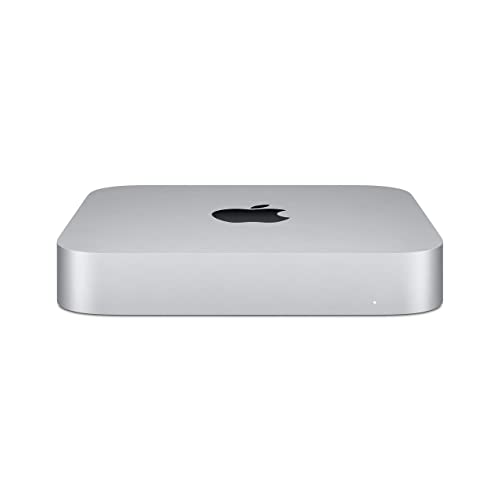
Apple Mac Mini M4 Pro -- Best Compact Desktop Coding Setup
The Mac Mini M4 Pro packs server-class build performance into a desktop footprint smaller than most external hard drives. Configured with 24 or 48 GB of unified memory and connected to a quality external display, it provides a full development workstation experience at a significantly lower price than a MacBook Pro. It handles Docker containers, large Node.js projects, and Xcode builds with no throttling. The absence of a built-in display and the need for a keyboard and mouse to complete the setup is the only consideration; those items are additional costs.
Dell XPS 15 (Intel Core Ultra 9) -- Best Windows Coding Laptop
The Dell XPS 15 balances a high-resolution 15.6-inch OLED display with solid multi-threaded performance from the Intel Core Ultra 9 processor. The display quality benefits extended screen-time sessions with accurate color and low blue light output in night mode. WSL2 on Windows 11 provides a capable Linux development environment for backend and cloud engineers. The 32 GB DDR5 configuration handles most development stacks comfortably. Battery life trails Apple Silicon laptops, making a desk charger setup more practical for all-day use. The Thunderbolt 4 ports support dual external displays for a full desktop setup at home.

Custom AMD Ryzen 9 Desktop Build -- Best Value High-Core-Count Coding Desktop
A Ryzen 9 7900X or 7950X paired with 64 GB of DDR5, a fast NVMe drive, and mid-range graphics in a Mini-ITX or Micro-ATX case delivers compilation speed and parallel task performance at a price below comparable pre-built workstations. Desktop builds allow incremental upgrades as needs grow and provide more RAM headroom for running local Kubernetes clusters or multiple database services simultaneously. The tradeoff is the time investment to assemble and configure the system, which is straightforward for developers already comfortable with hardware.

Framework Laptop 16 -- Best Upgradeable Developer Laptop
Framework is the only major laptop manufacturer building a truly modular and user-upgradeable system. The Laptop 16 allows RAM and SSD replacement, port module swapping, and even GPU module changes. For developers who want to avoid buying an entirely new machine every upgrade cycle, Framework provides a sustainable path. It runs Linux with excellent driver support, making it a strong pick for backend engineers and open-source contributors. Performance from the AMD Ryzen 9 7940HX is competitive with Intel equivalents and battery life is respectable for a 16-inch system.
Buying considerations
What to consider
Prioritize CPU single-thread speed and total RAM for most development work. Compilation speed correlates most strongly with single-core performance, while running multiple services simultaneously depends on total memory capacity. Choose macOS if you target Apple platforms or prefer a Unix terminal without configuration overhead. Choose Windows with WSL2 or a native Linux system for cloud and backend-heavy work where environment parity with production servers matters. A good external monitor adds more daily productivity than most hardware upgrades, so budget for at least one quality 1440p or 4K display alongside the computer.
What to consider
For related reading, see [best computer setup for photography](/articles/best-computer-setup-for-photography) and [best computer setups](/articles/best-computer-setups). Review our evaluation criteria at [/methodology](/methodology).
Questions answered
16 GB covers light development work with a code editor, browser, and a few services running simultaneously. 32 GB is the practical sweet spot for running Docker containers, local databases, and multiple browser windows with dev tools open. Developers working with large monorepos, Kubernetes local clusters, or machine learning model training should target 64 GB or more for sustained performance without constant swapping.
'Both platforms are capable development environments. macOS has a Unix-based terminal that aligns closely with Linux server environments, which simplifies deployment workflows. Windows has improved significantly for developers with WSL2 providing a near-native Linux layer. The best choice depends on your target platform: iOS and macOS app development requires a Mac. Most web, backend, and cross-platform development works equally well on either system.'
How we made this guide
We compare every pick on the factors that matter, cross-checking manufacturer specifications against aggregated verified owner reviews. We rank independently and never take payment for placement. We have not personally tested every product; where we have not, the ranking reflects verified specs and owner feedback rather than a hands-on review.
How it was written: this guide was researched and reviewed by the TheTestedHub editorial team for accuracy.
Affiliate disclosure: TheTestedHub is reader-supported. When you buy through links on our site, we may earn a commission at no extra cost to you.
Keep reading

Your Docking Station Match: CalDigit TS4 and More

Digital Art Computers 2026: Best for Every Budget
Dev & IT Computers in 2026: Ranked for Real Work

Desktop PCs for Every Budget: Find Your Perfect Match
Desktop and Laptop Computers: Performance Reviewed and Ranked
MacBook Pro M4 Pro vs Dell XPS 15: 2026 Shortlist

Buy the Best DIY Computer in 2026: Corsair One i300
