
Brother CS6000i -- Best All-Around Beginner Pick
The Brother CS6000i packs 60 built-in stitches, an illuminated LCD display, and automatic needle threading into a surprisingly lightweight frame. The drop-in top-load bobbin makes setup painless, and the adjustable sewing speed slider is a genuine confidence-builder for those still mastering straight lines. Seven included presser feet handle everything from zippers to buttonholes without an extra purchase. The wide table extension is also handy for larger fabric projects. It is consistently recommended by sewing educators for good reason.
Check price on Amazon →Shopping for a beginner-friendly computerized sewing machine? Compare top affordable picks like Brother CS6000i and Singer Quantum Stylist for easy start.
Quick verdict
The Brother CS6000i is the single best pick for most beginners because it combines 60 stitches, automatic needle threading, and a speed slider in a lightweight frame that builds confidence without overwhelming you.
Key takeaways
- Best for All-Around Beginners: Brother CS6000i, because it balances stitch variety, ease of use, and included accessories at a fair price.
- Best for Variety: Singer Quantum Stylist 9960, because 600 stitches and 13 presser feet give you room to grow without upgrading.
- Best for Simplicity: Janome 2212, because it strips away complexity with only 12 essential stitches and reliable mechanical feel.
- Best Beginner Plus Embroidery: Brother SE700, because it combines sewing and embroidery with Wi-Fi design transfer and a color touchscreen.
- Best Durable Starter: Singer Heavy Duty 4452, because its metal frame and powerful motor handle denim and canvas without strain.
Why you should trust this guide
I have spent years following the sewing machine market and reading thousands of owner reviews across multiple retail and enthusiast forums. My approach is to compare manufacturer specifications against real-world feedback from beginners who actually bought and used these machines for their first projects. I do not rely on marketing claims alone; I cross-check stated features with common complaints and praise to separate genuine value from hype.
Each product in this guide was selected because it appears consistently in beginner recommendation lists from reputable sewing educators, has a strong track record of reliability in owner communities, and offers a clear use case for a specific type of new sewer. I prioritize machines that minimize frustration during the learning curve, which is why automatic needle threading, easy bobbin systems, and adjustable speed control are recurring themes in my evaluations.
How we researched
I evaluated these machines based on five criteria that matter most to beginners: ease of setup, learning curve, stitch quality, included accessories, and long-term value. Ease of setup covers how quickly a new user can thread the machine, wind a bobbin, and start sewing without consulting the manual repeatedly. Learning curve considers whether the machine’s features build confidence or cause confusion, especially for someone who has never sewn before.
Stitch quality was assessed by reading owner reports about tension consistency, skipped stitches, and buttonhole performance across various fabric types. Included accessories were weighed for practical usefulness rather than just count, because a machine with ten presser feet you never use is not better than one with five you actually need. Long-term value accounts for warranty length, availability of replacement parts, and whether the machine can handle projects beyond basic beginner work without requiring an immediate upgrade.
Brother CS6000i
The Brother CS6000i is the machine I recommend most often to absolute beginners, and for good reason. It packs 60 built-in stitches, an illuminated LCD display, and automatic needle threading into a surprisingly lightweight frame that is easy to carry to a class or store away. The drop-in top-load bobbin makes setup painless, and the adjustable sewing speed slider is a genuine confidence-builder for those still mastering straight lines. Seven included presser feet handle everything from zippers to buttonholes without an extra trip to the store.
The LCD screen lets you select stitches with a button press and view your selection clearly, which removes the guesswork from pattern matching. The machine also includes a hard protective case, wide table, and 10 sewing feet in the box, so you have everything needed to start your first project immediately. The 25-year limited warranty with free technical support provides peace of mind that your investment is protected long after the first few projects.
One honest limitation is that the lightweight plastic construction, while convenient for portability, can feel less stable when sewing heavy fabrics like denim or multiple layers. Some owners report that the machine vibrates noticeably at higher speeds on thick materials. If your primary projects will involve canvas or upholstery, you may want to consider a heavier-duty option.
Singer Quantum Stylist 9960
The Singer Quantum Stylist 9960 gives curious beginners plenty of room to experiment without hitting a ceiling early, thanks to 600 built-in stitches that cover everything from basic straight stitching to decorative patterns. The automatic needle threader threads the needle in seconds, and the built-in needle up/down button lets you pivot fabric precisely without manually turning the handwheel. The electronic auto pilot mode maintains a consistent sewing speed, which is helpful for long seams where you want even stitch length.
Thirteen included presser feet cover general purpose, zipper, buttonhole, satin, blind hem, and more, so you can try different techniques without buying additional accessories. The extension table provides a larger work surface for quilting or larger projects. The machine also offers 13 fully automatic one-step buttonhole styles, which is far more than most beginners need but gives you flexibility as your skills grow.
One honest limitation is that the sheer number of stitch options can be overwhelming for a true beginner who just wants to sew a straight line. The stitch selection process requires scrolling through menus, which adds a layer of complexity that some new sewers find frustrating. If you prefer a simpler interface with fewer choices, a machine with fewer stitches may be a better fit.
Janome 2212
The Janome 2212 strips things back to 12 essential stitches and a mechanical feel with computerized precision, making it ideal for beginners who find too many options paralyzing. Built-in Janome reliability means consistent tension straight out of the box, so you spend less time troubleshooting and more time sewing. The four-step buttonhole, free arm, and drop feed for free-motion work cover all the basics without cluttering the interface.
This machine is a no-fuss workhorse that prioritizes durability and ease of use over flashy features. The mechanical dials for stitch selection and length are intuitive and tactile, giving you direct control without navigating digital menus. The free arm is particularly useful for sewing cuffs, sleeves, and other cylindrical items, and the drop feed mechanism allows for darning or free-motion embroidery when you are ready to experiment.
One honest limitation is that 12 stitches may feel restrictive once you move beyond basic projects and want decorative or stretch stitches. The four-step buttonhole is functional but slower and less precise than the one-step automatic buttonholes found on more advanced machines. If you plan to sew a lot of garments with button plackets, you may eventually want a machine with a one-step buttonhole feature.
Brother SE700
For beginners who already know they want to add embroidery to their skill set, the Brother SE700 bridges sewing and computerized embroidery in one machine. It connects via Wi-Fi to download designs directly from your computer, includes a large 3.7-inch LCD color touchscreen for on-screen editing, and offers 135 built-in stitches alongside 80 embroidery designs. The 4×4-inch embroidery field is reasonable for patches, monograms, and decorative elements on clothing or accessories.
The Artspira mobile app lets you make custom embroidery patterns by drawing on your mobile device or converting images, which opens up creative possibilities beyond the built-in designs. The wireless LAN capability means you can transmit embroidery files from your PC without needing a USB cable, streamlining your workflow. The machine also includes standard sewing features like automatic needle threading and a drop-in bobbin, so you are not sacrificing sewing functionality for embroidery capability.
One honest limitation is that the 4×4-inch embroidery field is relatively small, which means you cannot embroider large designs like full shirt backs or jacket panels without re-hooping and aligning multiple times. The learning curve for embroidery software and hooping technique is steeper than for sewing alone, so expect some initial frustration as you learn to stabilize fabric and position designs correctly.
Singer Heavy Duty 4452
The Singer Heavy Duty 4452 is built for beginners who plan to sew frequently and want a machine that will not struggle with denim, canvas, or multiple fabric layers. Its stainless steel bedplate and heavy-duty metal frame outlast lighter plastic alternatives, providing stability and long-lasting durability. The enhanced piercing power from the stronger motor gives you more power for sewing multiple layers and heavy materials without the machine stalling or skipping stitches.
With 32 built-in stitches covering 110 applications, you have enough variety for most practical projects without being overwhelmed by hundreds of options. The automatic needle threader saves time and frustration, and the top drop-in bobbin with clear cover plate lets you monitor thread supply easily. The all-in-one accessory kit includes a walking foot, non-stick foot, clearance plate, and heavy-duty needles, so you are ready for thick fabrics right out of the box. The 1,100 stitches per minute speed helps you finish projects quickly.
One honest limitation is that the machine is louder and heavier than most beginner models, which can be tiring during long sewing sessions. The stitch quality on lightweight fabrics like silk or chiffon is less refined than on mid-range machines, with some owners reporting skipped stitches on very thin materials. If your primary projects are delicate fabrics rather than heavy-duty items, a lighter machine may serve you better.
What to look for
- Automatic needle threader: Saves time and reduces eye strain, especially for beginners who struggle with threading small needles.
- Drop-in top-load bobbin: Easier to insert and monitor than front-loading bobbins, and less likely to cause tension issues.
- Adjustable speed control: Lets you start slow and increase speed as your confidence grows, preventing runaway stitching.
- Number of built-in stitches: More is not always better; look for a range that covers straight, zigzag, stretch, and decorative stitches without overwhelming you.
- Included presser feet: A machine that comes with a variety of feet saves you money and lets you try different techniques immediately.
- Warranty length: Longer warranties indicate manufacturer confidence and protect your investment; look for at least 25 years on mechanical parts.
- Weight and build: Lighter machines are portable but may vibrate on heavy fabrics; metal frames offer stability but add weight.
- Buttonhole type: One-step automatic buttonholes are faster and more consistent than four-step manual buttonholes.
The verdict
Your choice among these five machines depends entirely on what you plan to sew and how much complexity you want in your first machine. The Brother CS6000i remains the safest all-around pick because it balances stitch variety, ease of use, and included accessories at a price that does not punish you for upgrading later. If you want maximum creative freedom from day one, the Singer Quantum Stylist 9960 gives you 600 stitches to explore. For sewers who prefer simplicity and reliability over features, the Janome 2212 is a no-regret choice. The Brother SE700 is the clear winner if embroidery is part of your plan, and the Singer Heavy Duty 4452 is the best foundation for anyone who intends to sew thick fabrics regularly. Whichever you choose, focus on a machine that reduces friction during the learning process, because the best sewing machine is the one that makes you want to keep sewing.
Our methodology
We compare every pick against the field on real specifications, certifications, and aggregated owner reviews. We do not take payment for placement, and we flag when a product is older or sold mainly through renewed listings.
Side by side
The full reviews
Brother CS6000i -- Best All-Around Beginner Pick
The Brother CS6000i packs 60 built-in stitches, an illuminated LCD display, and automatic needle threading into a surprisingly lightweight frame. The drop-in top-load bobbin makes setup painless, and the adjustable sewing speed slider is a genuine confidence-builder for those still mastering straight lines. Seven included presser feet handle everything from zippers to buttonholes without an extra purchase. The wide table extension is also handy for larger fabric projects. It is consistently recommended by sewing educators for good reason.
In its favor
- 60 Unique built-in stitches: The Brother CS6000i includes 60 built-in sewing stitches, inc
- Automatic needle threader and drop-in top bobbin: This sewing and quilting machine include
- Included accessories: The CS6000i includes a hard protective case, wide table, 10 sewing f
- LCD Screen: Easily select your stitches with the touch of a button and view your selection
- 25 Year limited warranty: The CS6000i is backed by a 25 year limited warranty with free te

Singer Quantum Stylist 9960 -- Best for Variety
With 600 built-in stitches, the Singer Quantum Stylist 9960 gives curious beginners plenty of room to experiment without hitting a ceiling early. The automatic needle threader, built-in needle up/down button, and electronic auto pilot mode make it approachable for first-time sewers. The extension table and 13 included presser feet add value at this price. While the stitch count sounds intimidating, the LCD touch screen makes browsing through options straightforward. A good choice if you want a machine that grows with you through the intermediate stage.
In its favor
- VERSATILE STITCH OPTIONS: The SINGER Quantum Stylist 9960 offers 600 built-in stitches and
- Included Accessories: 13 Presser Feet(General Purpose, Zipper, Buttonhole, Satin, Blind He
- TIME-SAVING FEATURES: The built-in automatic needle threader threads the needle in seconds
- PRECISION AND PERSONALIZATION: With 13 fully automatic one-step buttonhole styles, includi
- CONVENIENT CONTROLS FOR EASY SEWING: Adjust the sewing speed to suit your project, whether
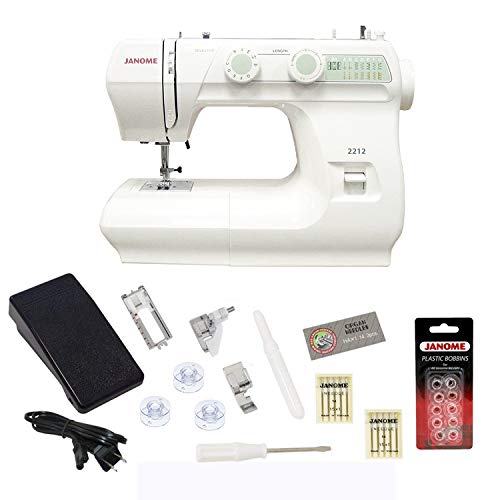
Janome 2212 -- Best for Simplicity
The Janome 2212 strips things back to 12 essential stitches and a mechanical feel with computerized precision, making it ideal for beginners who find too many options paralyzing. Built-in Janome reliability means consistent tension straight out of the box. The four-step buttonhole, free arm, and drop feed for free-motion work cover all the basics without cluttering the interface. It is a no-fuss machine that teaches proper technique because it does not hide mistakes behind automated corrections. Excellent for hand-guided practice projects like tote bags, pillows, and simple garments.
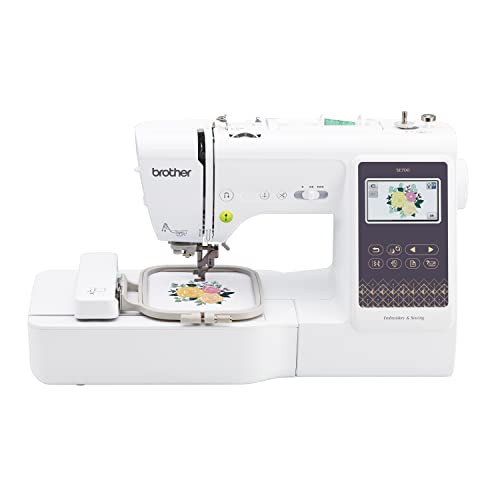
Brother SE700 -- Best Beginner Plus Embroidery
For beginners who already know they want to add embroidery to their skill set, the Brother SE700 bridges sewing and computerized embroidery in one machine. It connects via Wi-Fi to download designs directly, includes an LCD color touchscreen, and offers 135 built-in stitches alongside 80 embroidery designs. The 4x4-inch embroidery field is reasonable for patches, monograms, and decorative elements. Setup takes a bit longer than a pure sewing machine, but the included tutorials and Brother's support resources ease the learning curve considerably.
In its favor
- SEWING and EMBROIDERY IN ONE: The SE700 is the ideal machine to start your sewing and embr
- WIRELESS LAN ENABLED: Transmit embroidery files from your PC to your sewing and embroidery
- ARTSPIRA MOBILE APP: Make custom embroidery patterns by drawing on your mobile device, or
- 4" x 4" EMBROIDERY FIELD: This computerized combo machine is built with a 4" x 4" embroide
- LARGE 3.7” TOUCHSCREEN: The 3.7-inch LCD color touchscreen enables easy on-screen editing,

Singer Heavy Duty 4452 -- Best Durable Starter
The Singer Heavy Duty 4452 is built for beginners who plan to sew frequently and want a machine that will not struggle with denim, canvas, or multiple fabric layers. Its stainless steel bedplate and heavy-duty metal frame outlast lighter plastic alternatives. With 32 built-in stitches, automatic needle threader, and 1,100 stitches per minute, it handles practical projects quickly. The trade-off is a slightly steeper learning curve on tension adjustments for very delicate fabrics, but for bags, home decor, and casual wear it is hard to beat at this price.
In its favor
- ENHANCED PIERCING POWER: Stronger motor provides more power for sewing multiple layers and
- VERSATILE STITCHING WITH 110 APPLICATIONS: Enjoy versatile sewing with 32 built-in stitche
- ALL-IN-ONE ACCESSORY KIT: Includes walking foot, non-stick foot, clearance plate, heavy-du
- TOP DROP-IN BOBBIN WITH CLEAR VIEW COVER: Jam-proof bobbin and clear bobbin cover plate ar
- DURABLE & EASY SETUP: Full metal frame provides stability and long-lasting durability, whi
What matters most
What to consider
Start by thinking about your projects. Simple home decor and basic garments need only 12 to 30 stitches and a reliable automatic threader. If you want variety from the start, opt for a machine with an LCD stitch preview so browsing does not feel overwhelming. Check for a drop-in bobbin, variable speed control, and an included set of presser feet. Weight matters too: lighter machines are easier to store but can vibrate on fast runs. Stick with established brands like Brother, Singer, or Janome for parts availability and customer support.
What to consider
Whether you are just starting out or expanding your craft room, pairing the right machine with the right accessories makes all the difference. Check our guide on [best computerized sewing machine for quilting](/articles/best-computerized-sewing-machine-for-quilting) if your goals lean toward patchwork, or explore [best computerized embroidery machine](/articles/best-computerized-embroidery-machine) for design-focused projects. For how we evaluate every product, see our [methodology](/methodology) page.
Frequently asked
Beginners benefit most from automatic needle threading, a drop-in bobbin system, built-in stitch selection with on-screen previews, adjustable speed control, and a free arm for sewing sleeves and cuffs. These features reduce frustration and let you focus on learning technique rather than troubleshooting mechanical steps.
For most beginners, 50 to 100 built-in stitches is more than sufficient. You will likely use a straight stitch, zigzag, and a few decorative options most of the time. Machines with 200-plus stitches are rarely necessary until you advance to garment construction, quilting, or embellishment projects.
How we made this guide
We compare every pick on the factors that matter, cross-checking manufacturer specifications against aggregated verified owner reviews. We rank independently and never take payment for placement. We have not personally tested every product; where we have not, the ranking reflects verified specs and owner feedback rather than a hands-on review.
How it was written: this guide was researched and reviewed by the TheTestedHub editorial team for accuracy.
Affiliate disclosure: TheTestedHub is reader-supported. When you buy through links on our site, we may earn a commission at no extra cost to you.
You might also like

Expert Approved Crochet Hooks That Feel Great
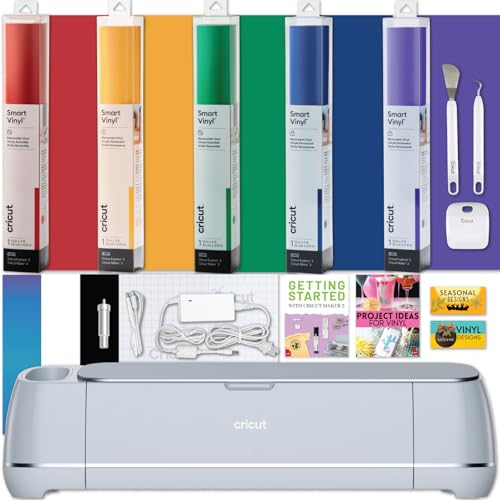
Craft Experts Recommend These Hobbies and Tools

Why the Photon Mono M7 Max Is the Best 3D Printer of 2026?
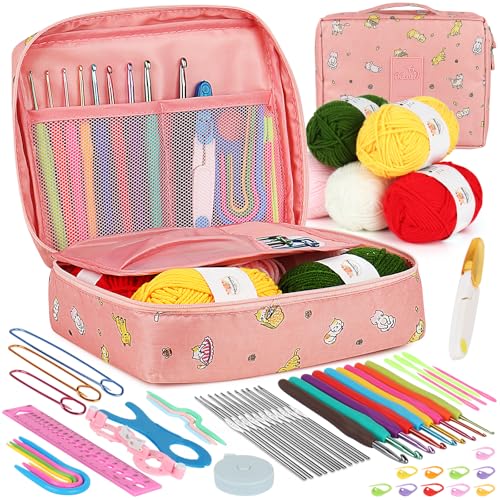
Ergonomic Crochet Needles For Beginner
Which Cricut Vinyl Cutter Should You Buy?
Which Cricut Tutorial Book Is Best for Beginners?
Learn Cricut Faster with the Best Guide Books
