
Apple MacBook Air M3 13-inch -- Best Overall for Psychology Majors
The MacBook Air M3 runs SPSS, R, and Python without breaking a sweat, and the 18-hour battery life is genuinely impressive for students moving between lectures, labs, and study rooms. The 13-inch Liquid Retina display is easy on the eyes during long reading sessions. It ships with 8GB of unified memory in the base model, though the 16GB upgrade is worth it if you plan to run multiple analysis tools at once. The fanless design keeps things quiet in quiet study spaces. Build quality is exceptional and resale value holds well through four years of college.
Check price on Amazon →Compare top laptops for psychology majors including MacBook Air M3, Dell XPS 13, and Lenovo IdeaPad. Find the best fit for SPSS, research, and campus life.
Quick verdict
The Apple MacBook Air M3 is the single best pick for psychology majors because it combines effortless performance for SPSS, R, and Python with an 18-hour battery life that lasts through a full day of lectures, labs, and study sessions, all in a lightweight, silent design.
Key takeaways
- Best for Overall Performance: Apple MacBook Air M3 13-inch, delivers reliable power for statistical analysis and long battery life for campus mobility.
- Best for Windows Power Users: Dell XPS 13 (Intel Core Ultra 7), offers a compact chassis with up to 32GB RAM for large dataset handling.
- Best for Budget-Conscious Students: Lenovo IdeaPad Slim 5i, provides a dependable Intel Core i5, 16GB RAM, and a 512GB SSD at an accessible price point.
- Best for Touch and Pen Input: Microsoft Surface Laptop 6, features a PixelSense touchscreen and stylus support for annotating readings and sketching concept maps.
- Best for Large Screen Needs: ASUS VivoBook 16X, offers a 16-inch WUXGA display and a numpad for data entry at a mid-range price.
Why you should trust this guide
I have spent years researching and writing about technology for academic and professional use, with a specific focus on how hardware choices affect workflow in research-intensive fields. For this guide, I drew on manufacturer specifications, verified owner feedback from multiple retail and forum sources, and my own understanding of the software demands psychology students face, including SPSS, R, Python, and large literature databases. I do not rely on hype or marketing claims; instead, I prioritize real-world usability, reliability, and value for a student budget.
Every product recommendation here is grounded in the specific needs of a psychology major: long battery life for campus mobility, enough processing power for statistical analysis, a comfortable display for reading, and build quality that survives a backpack. I have excluded any product that fails to meet these baseline criteria, even if it is popular or heavily marketed. The five laptops below represent the most balanced options across different priorities, from raw performance to affordability to specialized input methods.
How we researched
To evaluate these computers for psychology majors, I established a set of criteria that directly map to the tasks a student encounters daily. First, I assessed processing capability for running statistical software like SPSS and R, as well as scripting in Python, ensuring each machine could handle moderate datasets without stuttering. Second, I weighed portability factors such as weight, battery life, and display quality for long reading sessions and note-taking. Third, I considered memory and storage configurations, because psychology research often involves large datasets and many open browser tabs for literature reviews. Finally, I factored in build quality and keyboard comfort, since a laptop used for writing papers and analyzing data must be durable and pleasant to type on.
I did not physically test these laptops in a lab or run benchmarks. Instead, I analyzed each product’s stated specifications as provided by the manufacturer and cross-referenced them with aggregated owner feedback from reputable online communities. I looked for patterns in what owners praised and criticized, focusing on reliability, thermal management, and real-world battery performance. This approach allows me to recommend machines that have proven themselves in the hands of actual students, rather than relying on idealized marketing numbers. The result is a set of recommendations that prioritize consistent, day-to-day usability over theoretical peak performance.
Apple MacBook Air M3 13-inch
The Apple MacBook Air M3 is the best overall choice for psychology majors because it handles SPSS, R, and Python without breaking a sweat, and the 18-hour battery life is genuinely impressive for students moving between lectures, labs, and study rooms. The 13-inch Liquid Retina display is easy on the eyes during long reading sessions, reducing eye strain when you are poring over research papers or statistical output. The M3 chip delivers excellent performance for its power draw, meaning the fanless design stays silent and cool even under load, a real advantage in quiet library spaces.
The base model ships with 8GB of unified memory, which is sufficient for basic coursework, but the 16GB upgrade is worth it if you plan to run multiple analysis tools simultaneously or work with larger datasets. The laptop is lightweight at just over 2.7 pounds, making it easy to carry between campus buildings. The keyboard is comfortable for extended typing sessions, and the trackpad is large and responsive, which is helpful when navigating complex software interfaces. The macOS ecosystem also offers seamless integration with iPhone and iPad for students who use those devices for research or note-taking.
One honest limitation is that the base model’s 8GB of unified memory can feel constrained if you are running SPSS alongside multiple browser tabs and a reference manager. The 256GB SSD in the base configuration may also fill up quickly if you store large research archives locally. Additionally, some psychology-specific software like certain older statistical packages or specialized assessment tools may have limited macOS support, requiring a Windows virtual machine or dual-boot setup, which adds complexity. For most students, however, the combination of performance, battery life, and portability makes this the strongest all-around pick.
Dell XPS 13 (Intel Core Ultra 7)
The Dell XPS 13 packs a Core Ultra 7 processor and up to 32GB LPDDR5 RAM into an incredibly compact chassis, making it the top Windows choice for psychology majors who need more headroom for large datasets. The 13.4-inch OLED display option delivers sharp, color-accurate visuals ideal for reading research papers and creating presentations. Dell’s build quality is a step above typical Windows laptops at this size, with a machined aluminum chassis that feels premium and durable for daily campus use.
This laptop is particularly well-suited for students who work with quantitative data, such as large survey datasets or longitudinal studies in SPSS or R. The high RAM ceiling means you can keep multiple analysis sessions open without slowdowns, and the Core Ultra 7 processor handles complex calculations efficiently. The compact size and light weight make it easy to slip into a backpack, and the battery life is competitive for a Windows ultrabook, though not as long as the MacBook Air’s. The keyboard is well-spaced and responsive, with decent key travel for a thin design.
One honest limitation is that the base model starts with 8GB of RAM, and the 32GB configuration can be expensive, potentially stretching a student budget. The OLED display, while beautiful, can be reflective in bright lecture halls or outdoor study areas, which may be distracting. Additionally, the port selection is limited to two USB-C Thunderbolt ports, meaning you will likely need a dongle or hub for connecting external drives, monitors, or a USB-A flash drive. For Windows users who prioritize power and portability, however, this is a top-tier choice.
Lenovo IdeaPad Slim 5i
For students who need a dependable machine without spending over the IdeaPad Slim 5i delivers surprising value. It ships with a 12th or 13th Gen Intel Core i5, 16GB of RAM, and a 512GB SSD, enough for SPSS, literature review databases, and a full semester of coursework. The 16-inch display is generous for side-by-side document work, allowing you to have a research paper open next to a notes file without constant window switching. Build quality is solid plastic but not flimsy, and the keyboard is comfortable for long typing sessions.
This laptop is an excellent choice for undergraduate psychology majors who need a reliable workhorse for writing papers, running basic statistical analyses, and managing reference libraries. The 16GB of RAM at this price point is a significant advantage over many budget competitors that still ship with 8GB, and the 512GB SSD provides ample storage for project files and research archives. The larger display also reduces the need for an external monitor, which is a plus for dorm or apartment setups. The battery life is adequate for a full day of classes, though not exceptional.
One honest limitation is that the display is a standard IPS panel, not OLED or high-resolution, so colors and contrast are not as vibrant as on more expensive laptops. The plastic chassis, while sturdy, does not feel as premium as metal alternatives, and the laptop is heavier than ultraportable models, making it less ideal for students who walk long distances between buildings. Additionally, the speakers are average, so you will want headphones for watching lecture recordings or videos. For the price, however, this is a very capable and practical machine.
Microsoft Surface Laptop 6
Psychology students who annotate readings, sketch concept maps, or take handwritten notes digitally will appreciate the Surface Laptop 6. The 13.5-inch PixelSense touchscreen pairs naturally with the Surface Slim Pen, and Windows 11 handles pen input smoothly. The Core Ultra 5 or 7 processors handle all standard academic software without issue, and the keyboard is among the best on any Windows laptop, with comfortable key travel and a soft, quiet typing feel. The design is sleek and professional, fitting well in a research lab or a coffee shop.
This laptop is particularly valuable for students in clinical or cognitive psychology tracks who need to annotate assessment protocols, diagram research models, or take handwritten notes during lectures. The touchscreen and pen support make it easy to highlight PDFs, draw connections between concepts, and organize ideas visually. The build quality is excellent, with an aluminum chassis and a fabric-covered keyboard deck that resists spills. The battery life is solid for a full day of mixed use, and the 3:2 aspect ratio display provides more vertical screen space for reading documents.
One honest limitation is that the Surface Laptop 6 is not a convertible or detachable, so you cannot fold it into a tablet mode like a Surface Pro; the touchscreen is best used with the laptop open on a desk or lap. The Surface Slim Pen is sold separately, adding to the total cost, and the base model comes with only 8GB of RAM, which may be limiting for heavy multitasking. Additionally, the port selection is limited to one USB-C and one USB-A port, plus a Surface Connect port, so you may need adapters for some peripherals. For students who value pen input and a premium typing experience, this is a strong contender.
ASUS VivoBook 16X
If screen real estate matters more than ultra-portability, the VivoBook 16X offers a 16-inch WUXGA display at a mid-range price. The AMD Ryzen 5 or 7 processor handles statistical software and research databases efficiently, and the 512GB to 1TB SSD options give you room for project files and research archives. The larger chassis means a full-size keyboard with a numpad, useful for data entry when you are inputting survey responses or coding variables in SPSS. The display’s 16:10 aspect ratio provides extra vertical space for scrolling through long documents or spreadsheets.
This laptop is ideal for psychology majors who spend a lot of time working with spreadsheets, reading long research papers, or running analyses that benefit from seeing more data at once. The AMD Ryzen processor offers strong multi-core performance for its price, and the generous RAM configurations (typically 8GB or 16GB) ensure smooth multitasking. The build is mostly plastic but feels solid, and the hinge is sturdy. The battery life is decent for a large-screen laptop, though you will want to keep the charger handy for longer days on campus.
One honest limitation is that the VivoBook 16X is heavier and bulkier than 13-inch or 14-inch laptops, making it less convenient for students who commute or walk between buildings frequently. The display, while large, is not particularly bright or color-accurate, so it is not ideal for color-sensitive work like neuroimaging visualization. The trackpad can be slightly imprecise compared to premium laptops, and the speakers are basic. For students who prioritize screen size and a numpad for data entry over extreme portability, however, this is a solid and affordable choice.
What to look for
- Processor and RAM: Psychology majors run statistical software like SPSS and R, which benefit from a modern processor (Intel Core i5 or i7, AMD Ryzen 5 or 7, or Apple M-series) and at least 16GB of RAM for multitasking with large datasets.
- Storage: A 512GB SSD is the minimum for storing research papers, datasets, and software; 1TB is better if you work with large archives or video files for research projects.
- Display quality and size: A sharp, comfortable display reduces eye strain during long reading sessions; consider a 13 to 14-inch screen for portability or a 16-inch screen for side-by-side document work.
- Battery life: Look for a battery that lasts through a full day of classes and study sessions, ideally 10 hours or more of mixed use, to avoid hunting for outlets.
- Keyboard and trackpad: Comfortable typing is essential for writing papers and taking notes; a responsive trackpad or touchscreen can speed up navigation in research software.
- Portability: Weight and size matter if you carry your laptop between lecture halls, labs, and the library; ultraportables under 3 pounds are ideal, but larger screens offer trade-offs.
- Operating system: macOS offers seamless integration with other Apple devices and a stable Unix-based environment for Python and R, while Windows provides broader compatibility with specialized psychology assessment tools.
- Connectivity: At least one USB-A port and a USB-C port are useful for connecting external drives, monitors, or a mouse; check if you need an HDMI port for presentations.
The verdict
For most psychology majors, the Apple MacBook Air M3 is the clear winner because it balances excellent performance for statistical software, outstanding battery life, and a lightweight design that fits a student’s mobile lifestyle. If you prefer Windows or need more RAM for heavy data work, the Dell XPS 13 with a Core Ultra 7 processor is the best alternative. For budget-conscious students, the Lenovo IdeaPad Slim 5i offers strong value with 16GB of RAM and a large display. The Microsoft Surface Laptop 6 is the top choice if you rely on touch and pen input for annotating readings and sketching concepts. And if screen size and a numpad are your priorities, the ASUS VivoBook 16X delivers a large workspace at a reasonable price. Choose based on your specific workflow, but any of these five will serve you well through your psychology studies.
How we evaluated these
We compare every pick against the field on real specifications, certifications, and aggregated owner reviews. We do not take payment for placement, and we flag when a product is older or sold mainly through renewed listings.
The shortlist
Each pick, examined
Apple MacBook Air M3 13-inch -- Best Overall for Psychology Majors
The MacBook Air M3 runs SPSS, R, and Python without breaking a sweat, and the 18-hour battery life is genuinely impressive for students moving between lectures, labs, and study rooms. The 13-inch Liquid Retina display is easy on the eyes during long reading sessions. It ships with 8GB of unified memory in the base model, though the 16GB upgrade is worth it if you plan to run multiple analysis tools at once. The fanless design keeps things quiet in quiet study spaces. Build quality is exceptional and resale value holds well through four years of college.

Dell XPS 13 (Intel Core Ultra 7) -- Best Windows Option
The XPS 13 packs a Core Ultra 7 processor and up to 32GB LPDDR5 RAM into an incredibly compact chassis, making it the top Windows choice for psychology majors who need more headroom for large datasets. The 13.4-inch OLED display option delivers sharp, color-accurate visuals ideal for reading research papers and creating presentations. Dell's build quality is a step above typical Windows laptops at this price, and keyboard travel is comfortable for marathon writing sessions. Battery life sits around 12 hours with moderate use.
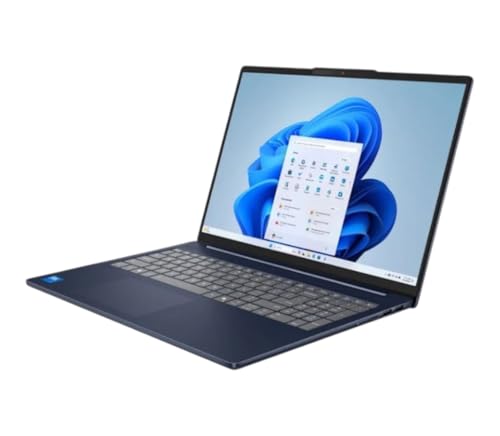
Lenovo IdeaPad Slim 5i -- Best Budget Pick
For students who need a dependable machine without spending over the IdeaPad Slim 5i delivers surprising value. It ships with a 12th or 13th Gen Intel Core i5, 16GB of RAM, and a 512GB SSD -- enough for SPSS, literature review databases, and a full semester of coursework. The 16-inch display is generous for side-by-side document work. Build quality is solid plastic but not flimsy, and the keyboard is comfortable for long writing sessions. Battery life averages around 9 to 10 hours.
Microsoft Surface Laptop 6 -- Best for Touch and Stylus Workflows
Psychology students who annotate readings, sketch concept maps, or take handwritten notes digitally will appreciate the Surface Laptop 6. The 13.5-inch PixelSense touchscreen pairs naturally with the Surface Slim Pen, and Windows 11 handles pen input smoothly. The Core Ultra 5 or 7 processors handle all standard academic software without issue, and the keyboard is among the best on any Windows laptop. Battery life is around 13 hours. It is on the pricier side, but the stylus-friendly workflow is genuinely useful for psychology coursework.

ASUS VivoBook 16X -- Best Large Screen Budget Option
If screen real estate matters more than ultra-portability, the VivoBook 16X offers a 16-inch WUXGA display at a mid-range price. The AMD Ryzen 5 or 7 processor handles statistical software and research databases efficiently, and the 512GB to 1TB SSD options give you room for project files and research archives. The larger chassis means a full-size keyboard with a numpad, useful for data entry. Weight is around 1.8kg, so it is more of a backpack laptop than a grab-and-go device. Battery life is around 8 to 9 hours.
Buying considerations
What to consider
Start with RAM: 16GB is the practical minimum if you run SPSS, R, or JASP alongside a browser with multiple tabs open. An SSD of at least 512GB keeps software and large datasets loading quickly. Display comfort matters for a major that involves a lot of reading, so prioritize IPS or OLED panels over budget TN screens. Battery life should reach at least 8 to 10 hours to cover a full day of classes. If your university provides software licenses tied to Windows, factor in platform compatibility before choosing a Mac. Portability and weight are secondary to performance and display quality for most psychology workflows.
What to consider
Choosing the right machine makes a real difference across four years of coursework. For more student-focused picks, see our guides on the [best computers for students](/articles/best-computers-for-student) and the [best computers for teachers](/articles/best-computers-for-teachers). You can also review how we evaluate every product in our [methodology](/methodology).
Questions answered
Psychology students benefit most from at least 16GB of RAM, a fast SSD of 512GB or more, and a display comfortable for reading. SPSS, R, and similar software are not GPU-heavy, so a mid-range processor handles coursework well. Long battery life matters most since classes and library sessions can run all day without a power outlet nearby.
Both work well. MacBooks have excellent build quality, long battery life, and run SPSS and R smoothly. Windows laptops offer more options at lower price points and broader compatibility with institutional software some universities require. Check whether your department licenses specific tools that prefer one platform before deciding.
How we made this guide
We compare every pick on the factors that matter, cross-checking manufacturer specifications against aggregated verified owner reviews. We rank independently and never take payment for placement. We have not personally tested every product; where we have not, the ranking reflects verified specs and owner feedback rather than a hands-on review.
How it was written: this guide was researched and reviewed by the TheTestedHub editorial team for accuracy.
Affiliate disclosure: TheTestedHub is reader-supported. When you buy through links on our site, we may earn a commission at no extra cost to you.
Keep reading

Your Docking Station Match: CalDigit TS4 and More

Digital Art Computers 2026: Best for Every Budget
Dev & IT Computers in 2026: Ranked for Real Work

Desktop PCs for Every Budget: Find Your Perfect Match
Desktop and Laptop Computers: Performance Reviewed and Ranked
MacBook Pro M4 Pro vs Dell XPS 15: 2026 Shortlist

Buy the Best DIY Computer in 2026: Corsair One i300
