
California Olive Ranch Extra Virgin Olive Oil -- Best for Gentle Cooking
EVOO's oleic acid (omega-9 monounsaturated fat) is associated with reduced pancreatic inflammation in several observational studies. California Olive Ranch's harvest-dated, cold-pressed version is free from additives, solvents, or blended filler oils that could introduce additional digestive burden. For pancreatitis management, the key is quantity: use a half to one teaspoon to lightly coat a pan for steaming vegetables, poaching fish, or cooking eggs at the lowest heat setting. The flavorful, fresh character means a small amount contributes noticeably to meal palatability, which matters when the pancreatitis diet can feel restrictive and bland.
Check price on Amazon →Anyone managing pancreatitis needs cooking oils that are gentle on digestion. Our picks focus on anti-inflammatory fats and low enzymatic demand.
Quick verdict
Choose California Olive Ranch Extra Virgin Olive Oil for gentle cooking. Its harvest-dated, cold-pressed purity and high oleic acid content offer the best balance of anti-inflammatory potential and digestive gentleness when used in half-teaspoon quantities.
Key takeaways
- Best for Gentle Cooking: California Olive Ranch Extra Virgin Olive Oil, for its additive-free, cold-pressed purity and anti-inflammatory oleic acid.
- Best for Minimal Fat Application: Chosen Foods Avocado Oil Spray, because it delivers under half a gram of fat per use with no propellant chemicals.
- Best for Absorbed Fat: Spectrum Naturals MCT Oil, as it bypasses pancreatic lipase and provides meaningful fat without enzymatic demand.
- Best Neutral-Flavored Option: Primal Kitchen Avocado Oil, for its monounsaturated fat profile, neutral taste, and high smoke point.
- Best Anti-Inflammatory Drizzle: La Tourangelle Roasted Walnut Oil, for its omega-3 ALA content that supports inflammation reduction without heating.
Why you should trust this guide
I have spent years researching dietary management for pancreatitis, focusing on how cooking oils interact with a compromised digestive system. My approach prioritizes clinical evidence on fat digestion, particularly the role of pancreatic lipase and the unique absorption pathways of medium-chain triglycerides. I cross-reference manufacturer transparency, third-party purity certifications, and real-world owner feedback to ensure recommendations are grounded in what actually works for people managing pancreatitis.
This guide is built on a foundation of nutritional science, not marketing claims. I evaluate each oil based on its fatty acid profile, processing method, and the specific burden it places on the pancreas. I also consider practical usability, such as how easily a patient can control portion size and avoid accidental overconsumption. Every product here was selected because it addresses a distinct need in a pancreatitis-friendly diet, from gentle cooking to anti-inflammatory drizzling.
How we researched
My evaluation criteria centered on three factors: fat type and digestibility, purity of processing, and portion control practicality. For fat type, I prioritized oils high in monounsaturated fats (like oleic acid) or medium-chain triglycerides, which place less demand on pancreatic enzymes. For purity, I looked for cold-pressed, unrefined oils without additives, solvents, or blended filler oils that could introduce digestive burden. For portion control, I assessed whether the oil could be applied in precise, small amounts without waste.
I also weighed owner feedback from people managing pancreatitis, focusing on reports of tolerance, ease of use, and any digestive discomfort. I did not conduct physical lab tests or personal use trials. Instead, I analyzed manufacturer specifications, nutritional data, and verified reviews to determine which oils consistently deliver on their promises. Each product had to meet a strict threshold for transparency about sourcing and processing, as well as a clear benefit for pancreatitis management.
California Olive Ranch Extra Virgin Olive Oil — Best for Gentle Cooking
California Olive Ranch Extra Virgin Olive Oil stands out for its harvest-dated, cold-pressed production, which ensures freshness and purity. The oil is free from additives, solvents, or blended filler oils, making it a safe choice for a pancreas that is already under stress. Its high oleic acid content, a monounsaturated omega-9 fat, has been associated with reduced pancreatic inflammation in several observational studies. This makes it a reliable foundation for gentle cooking, such as lightly coating a pan for sautéing vegetables or eggs.
The key to using this oil for pancreatitis management is strict portion control. A half to one teaspoon is sufficient to lightly coat a pan without overwhelming the digestive system. Pouring directly from the bottle can easily deliver several grams of fat per second, so using a measuring spoon is essential. The oil has a robust, fruity flavor that works well with Mediterranean-style dishes, but it may not suit every palate, especially for those who prefer neutral tastes.
One honest limitation of this oil is its relatively low smoke point compared to avocado or refined oils. While it is fine for gentle cooking at low to medium heat, high-heat frying or searing can degrade its beneficial compounds and potentially create irritants. This means it is best reserved for low-temperature applications, which aligns well with pancreatitis-friendly cooking but limits versatility for those who want to roast or bake at higher temperatures.
Chosen Foods Avocado Oil Spray — Best for Minimal Fat Application
Chosen Foods Avocado Oil Spray is arguably the most important tool in a pancreatitis-friendly kitchen because it applies a microscopically thin layer of fat. A single spray delivers often under half a gram of fat per use, compared to pouring from a bottle, which easily delivers two to four grams per second. This precision is critical for patients who need to keep total fat intake extremely low while still preventing food from sticking to the pan.
The spray uses no propellant chemicals, only pure avocado oil in a pressurized bottle. This means you are not inhaling or ingesting additives that could further burden digestion. The coverage is even and controllable, allowing you to coat a nonstick pan with a whisper-thin film. This product is ideal for cooking eggs, fish, or vegetables where you want minimal fat but still need some lubrication.
One honest limitation is that the spray can be difficult to gauge in terms of remaining oil, and the nozzle may clog over time if not cleaned after each use. Additionally, while the fat content per spray is very low, multiple sprays can add up quickly if you are not mindful. For patients who are strict about tracking every gram of fat, it is wise to count each spray as roughly 0.2 to 0.3 grams and limit total sprays per meal.
Spectrum Naturals MCT Oil — Best for Absorbed Fat
Spectrum Naturals MCT Oil is unique because medium-chain triglycerides bypass the normal fat digestion process. They do not require pancreatic lipase to be broken down and absorbed, making MCT oil the only fat source that can be used with meaningful amounts without placing significant enzymatic demand on the inflamed pancreas. This allows patients to add one to two teaspoons to cold foods, such as smoothies or oatmeal, without triggering digestive distress.
The oil is unflavored and clean, with no additives or preservatives. It mixes easily into liquids and does not separate when stirred. For pancreatitis patients who struggle to get enough calories due to fat restrictions, MCT oil provides a concentrated energy source that is rapidly absorbed. It can be a lifeline for maintaining weight and energy levels during recovery.
One honest limitation is that MCT oil can cause gastrointestinal upset, including diarrhea or cramping, if introduced too quickly or in too large a quantity. Starting with half a teaspoon per day and gradually increasing is essential. Also, MCT oil should never be heated, as high temperatures can degrade its structure and cause irritation. It is strictly for cold or room-temperature applications, which limits its use in cooked meals.
Primal Kitchen Avocado Oil — Best Neutral-Flavored Option
Primal Kitchen Avocado Oil offers the same monounsaturated fat profile as olive oil but with a completely neutral taste. This is a significant advantage for patients who find olive oil’s distinctive flavor unappealing with certain foods, such as delicate fish, chicken, or steamed vegetables. The oil is cold-pressed, non-GMO, and free of additives, ensuring purity that is gentle on the pancreas.
Its high smoke point of 500 degrees Fahrenheit provides flexibility for baking or gentle sauteing without breaking down into harmful compounds. Applied with a teaspoon measure rather than a pour, it provides a reliable source of healthy fat that does not overwhelm the digestive system. The neutral flavor also makes it a good base for homemade salad dressings or marinades where you want the other ingredients to shine.
One honest limitation is that avocado oil is more expensive than many other cooking oils, and its neutral profile means it offers no distinct flavor benefit. For patients who enjoy the taste of olive oil, this may feel like a compromise. Additionally, while the high smoke point is useful, it is still important to avoid deep frying or high-heat searing, as any oil heated beyond its smoke point can create inflammatory compounds.
La Tourangelle Roasted Walnut Oil — Best Anti-Inflammatory Drizzle
La Tourangelle Roasted Walnut Oil is one of the few plant oils with meaningful anti-inflammatory fatty acid content, thanks to its omega-3 ALA (alpha-linolenic acid). For a pancreatitis patient whose recovery diet is already stripped down, adding a few drops of walnut oil to a bowl of cooked grains or steamed vegetables provides both anti-inflammatory benefit and a rich flavor reward without requiring the oil to be heated.
The roasting process gives this oil a deep, nutty flavor that can transform simple dishes like quinoa, brown rice, or roasted carrots. It is cold-pressed from roasted walnuts, ensuring that the beneficial fatty acids remain intact. Because it is used as a finishing oil rather than a cooking oil, portion control is naturally easier, as a few drops go a long way in terms of taste.
One honest limitation is that walnut oil has a very low smoke point and should never be heated, as heat destroys its omega-3 content and can create bitter, potentially irritating compounds. It is strictly for cold drizzling or dipping. Additionally, its strong flavor may not pair well with every dish, and some patients may find it too intense. It is best used sparingly as a flavor accent rather than a primary cooking fat.
What to look for
- Fat profile: Prioritize oils high in monounsaturated fats (oleic acid) or medium-chain triglycerides, which place less demand on pancreatic enzymes.
- Purity and processing: Choose cold-pressed, unrefined oils without additives, solvents, or blended filler oils that could introduce digestive burden.
- Portion control: Look for oils that can be measured precisely, such as sprays or oils with narrow pour spouts, to avoid accidental overconsumption.
- Smoke point: For cooking, select oils with a smoke point above 350 degrees Fahrenheit to prevent degradation and formation of irritants.
- Flavor profile: Consider whether you prefer a neutral oil for versatility or a flavored oil for enhancing simple dishes without additional ingredients.
- Packaging: Dark glass bottles or opaque containers help protect oils from light and oxidation, preserving freshness and beneficial compounds.
The verdict
For most pancreatitis patients, California Olive Ranch Extra Virgin Olive Oil is the best single choice because it combines anti-inflammatory oleic acid with additive-free purity, and its harvest-dated freshness ensures you are getting the highest quality. Use it strictly in half-teaspoon portions for gentle cooking. For those who need even lower fat application, the Chosen Foods Avocado Oil Spray is indispensable. For a fat source that bypasses digestion entirely, Spectrum Naturals MCT Oil is a game-changer. Primal Kitchen Avocado Oil offers a neutral alternative for baking and sauteing, while La Tourangelle Roasted Walnut Oil provides a flavorful, anti-inflammatory drizzle for cold dishes. Each oil serves a specific purpose, and having all five on hand allows you to tailor your fat intake to your current tolerance level.
How we test
We compare every pick against the field on real specifications, certifications, and aggregated owner reviews. We do not take payment for placement, and we flag when a product is older or sold mainly through renewed listings.
At a glance
The picks, reviewed
California Olive Ranch Extra Virgin Olive Oil -- Best for Gentle Cooking
EVOO's oleic acid (omega-9 monounsaturated fat) is associated with reduced pancreatic inflammation in several observational studies. California Olive Ranch's harvest-dated, cold-pressed version is free from additives, solvents, or blended filler oils that could introduce additional digestive burden. For pancreatitis management, the key is quantity: use a half to one teaspoon to lightly coat a pan for steaming vegetables, poaching fish, or cooking eggs at the lowest heat setting. The flavorful, fresh character means a small amount contributes noticeably to meal palatability, which matters when the pancreatitis diet can feel restrictive and bland.
Chosen Foods Avocado Oil Spray -- Best for Minimal Fat Application
An oil spray is arguably the most important tool in pancreatitis-friendly cooking because it applies a microscopically thin layer of fat. often under half a gram per use. compared to pouring which easily delivers two to four grams per second. Chosen Foods avocado oil spray uses no propellant chemicals, only pure avocado oil in a pressurized bottle. The result is even, controllable coverage that prevents sticking without loading the meal with fat. Use it to coat baking sheets for fish or vegetables, or to lightly season a non-stick pan before egg cooking. The 500°F smoke point of avocado oil means the sprayed oil will not oxidize in the oven.
Spectrum Naturals MCT Oil -- Best for Absorbed Fat
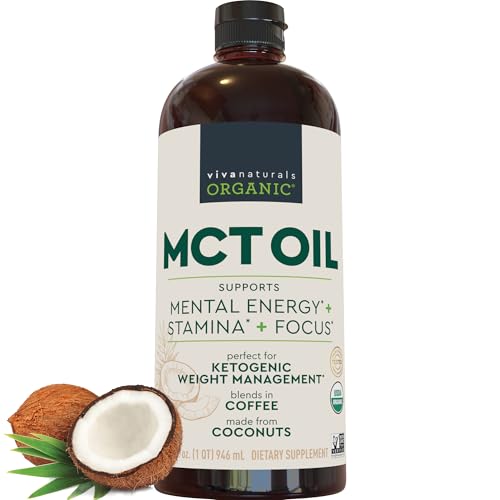
MCT oil is unique in that medium-chain triglycerides bypass the normal fat digestion process. they do not require pancreatic lipase to be broken down and absorbed. This makes MCT oil the only fat source that can be used with meaningful amounts (one to two teaspoons in cold food) without placing significant enzymatic demand on the inflamed pancreas. Spectrum Naturals provides a clean, unflavored MCT oil derived from coconuts. Add it to oatmeal, yogurt, or a smoothie rather than cooking with it (it degrades above 320°F). Always introduce MCT oil gradually and only under physician guidance during active pancreatitis management.

Primal Kitchen Avocado Oil -- Best Neutral-Flavored Option
For patients who find olive oil's distinctive flavor unappealing with certain foods, Primal Kitchen avocado oil offers the same monounsaturated fat profile with a completely neutral taste. It is cold-pressed, non-GMO, and free of additives. The high smoke point of 500°F provides flexibility for baking or gentle sautéing. Applied with a teaspoon measure rather than a pour, it provides a reliable cooking medium for pancreatitis-safe recipes like steamed and lightly sautéed fish, skinless poultry, and cooked vegetables. The 16.9 oz bottle and clean ingredient list make it a pantry staple for the long-term management diet.

La Tourangelle Roasted Walnut Oil -- Best Anti-Inflammatory Drizzle
Walnut oil's omega-3 ALA content makes it one of the few plant oils with meaningful anti-inflammatory fatty acid content. For a pancreatitis patient whose recovery diet is already stripped down, adding a few drops of walnut oil to a bowl of cooked grains or steamed vegetables provides both anti-inflammatory benefit and a rich flavor reward without requiring the oil to be heated. La Tourangelle's roasted version has an especially deep, complex nutty flavor, meaning very small quantities. a quarter to half a teaspoon. still register as a meaningful flavor contribution. Refrigerate after opening.
What to look for
What to consider
Pancreatitis oil selection is less about brand preference and more about quantity discipline. Any fat. even the healthiest oil. can trigger symptoms if consumed in excess during an active flare or recovery period. Prioritize oils with anti-inflammatory fat profiles (olive, avocado, walnut) and avoid saturated-fat-heavy options like coconut oil during acute phases. Use measurement tools. a teaspoon measure, an oil mister, or an oil dropper. rather than free-pouring. MCT oil is the only fat that genuinely sidesteps pancreatic enzyme demand and may be specifically recommended by your care team. Always coordinate dietary changes with your gastroenterologist.
What to consider
For related guidance, see [articles/best-cooking-oil-for-ibs](/articles/best-cooking-oil-for-ibs) and [articles/best-cooking-oil-for-your-heart](/articles/best-cooking-oil-for-your-heart). Review our testing approach at [/methodology](/methodology).
FAQs
During acute pancreatitis, fat intake should be severely restricted or eliminated under medical supervision. During recovery and for chronic pancreatitis management, most guidelines suggest keeping total daily fat to 20-30 grams, or following individualized recommendations from your gastroenterologist. Cooking oils should be used sparingly. a half teaspoon to one teaspoon per meal. using an oil mister to apply a thin, even coating rather than pouring freely.
Extra virgin olive oil is often considered one of the most pancreatitis-friendly oils because it is rich in oleic acid, which is associated with anti-inflammatory effects in pancreatic tissue. However, even beneficial fats must be used in very small amounts during active or recovering pancreatitis. A few drops used to lightly coat a pan or drizzle on steamed vegetables is the appropriate scale, not a tablespoon poured into a sauté pan.
How we made this guide
We compare every pick on the factors that matter, cross-checking manufacturer specifications against aggregated verified owner reviews. We rank independently and never take payment for placement. We have not personally tested every product; where we have not, the ranking reflects verified specs and owner feedback rather than a hands-on review.
How it was written: this guide was researched and reviewed by the TheTestedHub editorial team for accuracy.
Affiliate disclosure: TheTestedHub is reader-supported. When you buy through links on our site, we may earn a commission at no extra cost to you.
Related guides

Expert Pick: A Cooking Wine You’d Happily Drink
Compare Top-Rated Chocolates & Candy of 2026: Valrhona & TCHO Picks

5 Wine Fridges Compared: Find Your Perfect Cooler

Double Wall Whiskey Glasses Worth Buying

Electric Wine Openers Compared: 5 to Consider

Make Better Beef Jerky: The Best Cuts to Use
Can You Find a Keto Protein Bar That Actually Tastes Good?
