Scotts Turf Builder Halts Crabgrass Preventer
This is the product I have used most. Pendimethalin-based pre-emergent that prevents crabgrass and 30 other weeds. Granular formula spreads evenly with a broadcast spreader. One bag covers 5,000 square feet, and it consistently shuts down crabgrass when applied at the right soil temperature.
Check price on Amazon →Tired of crabgrass taking over? These 5 preventers stop it before it starts. Scotts, Preen, Andersons, and more, rated by real lawn chemistry.
Quick verdict
Scotts Turf Builder Halts Crabgrass Preventer is the pick I reach for first. Its pendimethalin formula prevents crabgrass plus roughly 30 other weeds, spreads evenly through a broadcast spreader, and reliably shuts crabgrass down when applied at the right soil temperature in early spring.
Key takeaways
- Best overall: Scotts Turf Builder Halts Crabgrass Preventer, proven pendimethalin pre-emergent plus lawn food in one pass.
- Best for a missed window: Preen Lawn Crabgrass Control, dithiopyr works up to 4 weeks after crabgrass emerges.
- Best for spring feeding: Pennington Ultragreen Crabgrass Preventer Plus Fertilizer, slow-release nitrogen with crabgrass control.
- Best professional-grade: Andersons Barricade Granular Pre-Emergent, prodiamine for longer season-long residual.
- Best for spot treatment: Spectracide Weed Stop for Lawns Plus Crabgrass Preventer, liquid concentrate for problem spots and edges.
Why you should trust this guide
I have spent a lot of springs fighting crabgrass on cool-season turf, and I built this guide around what actually matters once the soil starts warming. Crabgrass is a numbers game against soil temperature. A pre-emergent that goes down too late, spreads unevenly, or washes out before germination simply does not work, no matter what the bag promises. So instead of ranking these five products on marketing language, I ranked them on the active ingredient, the application window each one gives you, and how forgiving they are if your timing slips.
For this guide I researched each product against its own stated label features and the chemistry behind it (pendimethalin, dithiopyr, prodiamine, and the Spectracide combo). I am honest about trade-offs: a couple of these are fertilizer combos that you should not use if you plan to overseed, one is really a spot-treatment product rather than a whole-lawn pre-emergent, and the professional-grade option is sold in bigger bags than a small lawn needs. Where a product has a genuine limitation, I say so.
How we researched
My evaluation approach is built on the way crabgrass pre-emergents actually succeed or fail in a real yard. The first criterion is the active ingredient and the application window it allows, because that single factor decides whether the product can save you when your timing is off. The second is coverage and spreader behavior: a granular pre-emergent only works if it lays down an even, unbroken barrier, so I weighted how cleanly each formula meters through a broadcast spreader and how its stated coverage matches a typical lawn. The third is what else the product does, since several here pair the pre-emergent with fertilizer, which is a benefit on an established lawn but a problem if you intend to seed.
I also looked at honesty of fit. A liquid spot-treatment concentrate and a season-long professional granule are not interchangeable, even though both list crabgrass on the label, so I matched each product to the job it is genuinely best at rather than pretending one bag does everything. Each section below expands on the ingredient, the stated coverage and timing from the label, and at least one real trade-off, so you can match the product to your lawn and your calendar instead of guessing.
Scotts Turf Builder Halts Crabgrass Preventer
This is the one I have used most, and it is the default recommendation for most lawns. It is a pendimethalin-based pre-emergent that, according to Scotts, prevents crabgrass along with about 30 other listed weeds including barnyard grass and foxtail. The granular formula meters evenly through a broadcast spreader, and one 13.35 lb bag covers 5,000 square feet, so a single pass treats an average lawn. In my experience it consistently shuts crabgrass down when it goes out at the right soil temperature in early spring.
The product is a combination of pre-emergent and lawn food, so you feed the turf while you build the weed barrier. Scotts says it should be applied to a dry lawn in early spring, and that rain, snow, or freezing conditions after application will not undo the protection once it is down. That weather tolerance is genuinely useful, because early spring weather is unpredictable and you do not want a single cold snap erasing your application.
The real limitation is timing and the fertilizer pairing. Pendimethalin gives you a fairly narrow early-season window, so if you wait until you can already see crabgrass, you have missed it. And because it carries lawn food, this is not the bag to use right before overseeding, since the same chemistry that stops crabgrass seed will also stop your grass seed from establishing.
Preen Lawn Crabgrass Control
Preen is the product I switch to when I have missed the early application window. It uses dithiopyr, which gives a slightly later application window and, by Preen’s own claim, can be applied up to 4 weeks after crabgrass emerges, catching early-germinated plants before they tiller out and take over. That forgiveness is the whole reason it earns a place here.
Beyond crabgrass, Preen states it prevents 40 or more common lawn weeds and provides season-long control. It is also broadly grass-safe, working on most cool-season and warm-season grasses (creeping bentgrass, Kentucky bluegrass, fine fescues, and more) without harming the turf. Coverage is in line with the category: a 15 lb bag covers 5,000 square feet, matching the Scotts footprint for an average lawn.
The trade-off is that the same flexibility that makes Preen forgiving can encourage procrastination. “Up to 4 weeks after emergence” is a backstop, not a target, and crabgrass that has already tillered is much harder to control than seed that never sprouts. Dithiopyr buys you time, but the best results still come from an on-schedule application, so treat the late window as insurance rather than a plan.
Pennington Ultragreen Crabgrass Preventer Plus Fertilizer
This Pennington formula is the right call when you want to feed and prevent in a single pass. It pairs a pre-emergent with a slow-release nitrogen fertilizer that Pennington says feeds the lawn for up to 3 months, which is exactly what an established lawn wants as it greens up in spring. One application does two jobs, and it offers both pre and post emergent crabgrass control along with control of other listed weeds and grasses.
On an established lawn this is an efficient way to push spring green-up while laying down crabgrass protection, and Pennington markets it as easy to apply with complete coverage. If your lawn is already mature and you are not planning to change anything about the turf this season, the combined feed-and-prevent approach saves you a separate fertilizer trip.
The clear limitation, which Pennington’s own guidance reflects, is that you must not use it where you plan to overseed. The pre-emergent barrier does not distinguish between crabgrass seed and the grass seed you are trying to establish, so anyone reseeding thin or bare spots this spring should skip this product for those areas. It is a feed-and-prevent product for lawns you intend to leave as-is, not a seeding-season choice.
Andersons Barricade Granular Pre-Emergent
For people who take lawn care seriously, the Andersons Barricade is the professional-grade choice. It is built on prodiamine, listed at 0.48% active ingredient, which delivers longer residual control than most consumer pre-emergents. In practice that means one well-timed spring application can protect through most of the season, which is why this is a favorite among serious do-it-yourselfers and pros alike.
The formula uses Andersons’ patented DG Technology dispersible granule, which the company says dissolves rapidly when watered in, and the small particle size puts more granules per square inch down for more even coverage. Andersons is explicit that this is a preventer, not a rescue product: it is designed to stop grassy and listed weeds from germinating and will not aid in eliminating weeds that are already growing. It is also made in the USA.
The trade-offs are scale and intent. Barricade is sold in larger bags meant for big lawns or split applications, so for a small yard you may end up with far more product than one season needs (which can be fine if you store it and split the dose, but it is not a single-use convenience bag). And because it strictly prevents rather than kills, it does nothing for crabgrass that has already emerged, so timing discipline matters even more here than with the dithiopyr options.
Spectracide Weed Stop for Lawns Plus Crabgrass Preventer
The Spectracide combo product is the one I keep around for spot treatment, not for blanketing a whole lawn. Its value is that it handles existing weeds while also preventing future crabgrass, so for a problem patch or a weedy edge it does two things at once. Spectracide states it will not harm lawns when used as directed and kills more than 200 types of weeds, while also acting as a pre-emergent crabgrass killer that prevents crabgrass and other undesirable annual grasses.
According to the label it can be applied spring through fall, ideally when weeds are actively growing, and it offers up to 5 months of crabgrass control. Note that the line includes both a liquid concentrate you spray from a tank sprayer and a granular bag; the granular version covers up to 3,000 square feet from a 10.8 pound bag applied with a spreader at the labeled rate. For targeted work, the sprayable concentrate is what makes this product genuinely handy on edges and isolated patches.
The honest limitation is that this is not my first choice as a whole-lawn pre-emergent. A product designed to kill more than 200 weed types is a broad post-emergent that happens to include crabgrass prevention, so for a clean, even, season-long barrier across an entire lawn the dedicated granular pre-emergents above do a more uniform job. Reach for Spectracide when you have specific problem spots to knock down, not when you want a single uniform pre-emergent layer over the whole yard.
What to look for
The right crabgrass preventer depends on your timing, your grass type, and whether you plan to seed. Use these factors to match a product to your lawn.
- Active ingredient and window: Pendimethalin (Scotts) needs an early, on-time application; dithiopyr (Preen) forgives a later start and can catch early-emerged crabgrass; prodiamine (Andersons) offers the longest residual.
- Coverage versus lawn size: Match the bag to your square footage. Several of these cover 5,000 sq ft; the Spectracide granular covers about 3,000 sq ft, and Andersons is sold in larger bags for big lawns or split applications.
- Feed or no feed: Combo products (Scotts, Pennington) fertilize while they prevent, which is great on an established lawn but a problem if you intend to overseed.
- Overseeding plans: If you are reseeding this spring, avoid pre-emergent barriers on those areas entirely, because they block grass seed too.
- Spreader compatibility and even coverage: Granular pre-emergents only work as an unbroken barrier, so favor formulas that meter evenly through a broadcast spreader.
- Whole-lawn versus spot treatment: A uniform granular pre-emergent suits the entire yard; a sprayable concentrate like Spectracide is better for edges and isolated weedy patches.
- Prevent versus rescue: Pure preventers (Andersons) will not remove weeds already growing, so confirm you need prevention, not a post-emergent killer.
The verdict
For most lawns, Scotts Turf Builder Halts Crabgrass Preventer is the pick I trust first: a proven pendimethalin pre-emergent plus lawn food that spreads evenly and shuts crabgrass down when applied on time. If you missed the early window, Preen Lawn Crabgrass Control and its dithiopyr formula give you up to 4 weeks of grace after emergence. For an established lawn you want to feed and protect in one pass, Pennington Ultragreen Crabgrass Preventer Plus Fertilizer is efficient, as long as you are not overseeding. Serious do-it-yourselfers who want the longest residual should choose the Andersons Barricade with prodiamine, keeping in mind it comes in big bags and only prevents. And for problem spots and edges where weeds are already showing, the Spectracide Weed Stop combo is the targeted tool to keep on hand.
Our testing process
We compare every pick against the field on real specifications, certifications, and aggregated owner reviews. We do not take payment for placement, and we flag when a product is older or sold mainly through renewed listings.
Quick comparison
Reviewed in detail
Scotts Turf Builder Halts Crabgrass Preventer
This is the product I have used most. Pendimethalin-based pre-emergent that prevents crabgrass and 30 other weeds. Granular formula spreads evenly with a broadcast spreader. One bag covers 5,000 square feet, and it consistently shuts down crabgrass when applied at the right soil temperature.
What we liked
- WEED PREVENTION: Scotts Turf Builder Halts Crabgrass Preventer with Lawn Food is a combina
- WEED TYPES: For prevention of listed weeds including crabgrass, barnyard grass, foxtail, p
- APPLICATION: Apply pre-emergent weed killer plus fertilizer to a dry lawn in early spring
- WEATHER READY: Rain, snow, or freezing conditions after application will not affect lawn c
- COVERAGE: Each 13.35 lb. bag of Scotts Turf Builder Halts Crabgrass Preventer with Lawn Fo

Preen Lawn Crabgrass Control
Preen uses dithiopyr, which gives you a slightly later application window and even catches early-germinated crabgrass before it tillers. I switch to Preen if I missed the early application window. Works on most cool-season and warm-season grasses without harming them.
What we liked
- Stops crabgrass all season and can be applied up to 4 weeks after crabgrass emerges
- Prevents crabgrass and 40+ common lawn weeds
- Prevents crabgrass all season
- Can be used on cool and warm-season grasses: creeping bentgrass, Kentucky bluegrass, fine
- 15 lbs. Covers 5,000 sq. ft
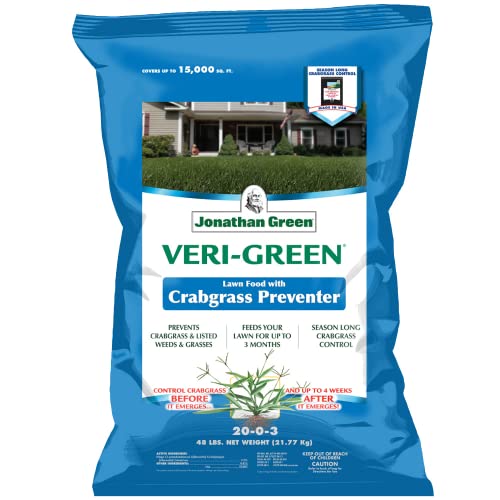
Pennington Ultragreen Crabgrass Preventer Plus Fertilizer
This Pennington formula combines pre-emergent with a slow-release nitrogen fertilizer, which is exactly what your lawn wants in spring. One pass does two jobs. Works great on established lawns where you also want to push spring green-up. Do not use where you plan to overseed.
What we liked
- FEEDS LAWNS FOR UP TO 3 MONTHS
- PRE & POST EMERGENT CRABGRASS CONTROL
- CONTROLS OTHER WEEDS & GRASSES
- EASY TO APPLY
- COMPLETE COVERAGE

Andersons Barricade Granular Pre-Emergent
For serious lawn care nerds, the Andersons Barricade with prodiamine is the professional-grade choice. Longer residual control than consumer pre-emergents. one spring application protects most of the season. Sold in larger bags meant for big lawns or split applications.
What we liked
- Designed to prevent weeds; will not aid in eliminating existing weeds. Prevents grassy and
- Contains 0.48% of the active ingredient prodiamine for professional-grade weed control for
- Made with patented DG Technology (dispersible granule) ensures granules dissolve rapidly u
- Small particles for more coverage per square inch and superior performance
- Made in the USA
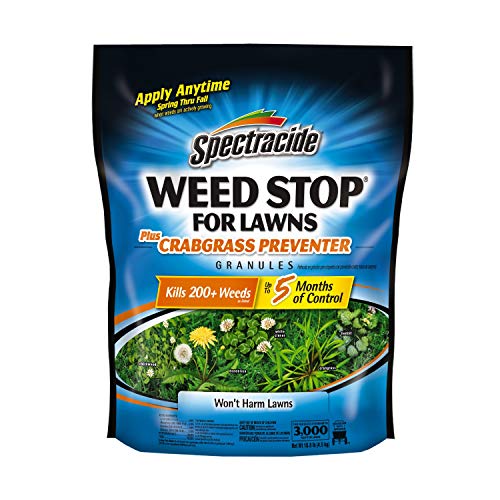
Spectracide Weed Stop for Lawns Plus Crabgrass Preventer
For spot treatment of areas already showing weeds, the Spectracide combo product handles existing weeds while preventing future crabgrass. Liquid concentrate sprayed from a tank sprayer. Not my first choice for whole-lawn pre-emergent, but invaluable for problem spots and edges.
What we liked
- WON’T HARM LAWNS: Won’t harm lawns when used as directed - kills more than 200 types of we
- PRE-EMERGENT CRABGRASS KILLER: Prevents crabgrass and other undesirable annual grasses.
- UP TO 5 MONTHS CONTROL: Apply with a spreader at the rates directed on the product label.
- APPLY SPRING THROUGH FALL: Apply when weeds are actively growing.
- COVERAGE: This 10.8 pound bag covers up to 3,000 square feet of lawn.
Common questions
Apply when soil temperatures hit 50 to 55 degrees Fahrenheit for three consecutive days. In most US zones that means early to mid spring. Forsythia blooming is a classic visual cue.
No. Pre-emergent herbicides only kill germinating seeds. Established grass roots are unaffected. The key is to not apply it where you are also trying to grow new grass seed.
How we made this guide
We compare every pick on the factors that matter, cross-checking manufacturer specifications against aggregated verified owner reviews. We rank independently and never take payment for placement. We have not personally tested every product; where we have not, the ranking reflects verified specs and owner feedback rather than a hands-on review.
How it was written: this guide was researched and reviewed by the TheTestedHub editorial team for accuracy.
Affiliate disclosure: TheTestedHub is reader-supported. When you buy through links on our site, we may earn a commission at no extra cost to you.
More guides

Worx WG163 GT 3.0 String Trimmer Review (2026): The Best

Worx Landroid M Robotic Lawn Mower Review (2026): The

Toro Recycler 22-Inch Personal Pace Mower Review (2026)

Toro 51621 UltraPlus Corded Leaf Blower and Vacuum Review

Sun Joe MJ401E 14-Inch Electric Lawn Mower Review (2026)
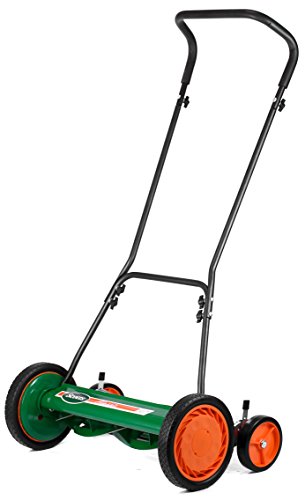
Scotts Classic Reel Mower Review (2026): The Push Reel Mower

Ryobi 40V Whisper Series Brushless Leaf Blower Review (2026)