Quick verdict
The Silhouette Cameo 4 is the best Cricut dupe for most crafters in 2026 - it matches or beats Cricut's mid-range machines on features while charging nothing for its software. For crafters who need scan-to-cut capability, the Brother ScanNCut SDX235E is worth every extra dollar spent, delivering a genuinely unique feature that no Cricut model can replicate.

Silhouette Cameo 4 - Best Overall Cricut Alternative
The Silhouette Cameo 4 is the most direct Cricut Explore Air 3 competitor and consistently beats it on value. It handles a 12-inch cutting width, cuts up to 3mm thick materials, and works with Silhouette Studio - a free design app that doesn't require a subscription for core features. The dual-carriage system lets you cut and draw simultaneously, a feature Cricut users typically pay extra for. If you're comparing features side-by-side, the Cameo 4 wins on software freedom alone.
Check price on Amazon →The Silhouette Cameo 4 beats Cricut on price and free software. See how it stacks against Brother ScanNCut, Cricut Maker 3, Joy Xtra, and Portrait 4.
Quick verdict
For most crafters, the Silhouette Cameo 4 is the best Cricut dupe. It matches the Cricut Explore Air 3 on cutting width and material thickness while offering a free design app with no subscription for core features, making it the strongest value in this category.
Key takeaways
- Best for overall value: Silhouette Cameo 4, beats the Cricut Explore Air 3 on price and free software.
- Best for scanning and cutting: Brother ScanNCut SDX235E, built-in scanner lets you cut hand-drawings and fabric without a computer.
- Best step-up upgrade: Cricut Maker 3, handles over 300 materials including leather and balsa wood at double the cutting speed.
- Best compact machine: Cricut Joy Xtra, small footprint for cards, labels, and iron-on projects up to 8.5 inches wide.
- Best budget option: Silhouette Portrait 4, reliable vinyl cutting with free software and Bluetooth connectivity.
Why you should trust this guide
I have spent years researching the cutting machine market, comparing specifications, design software limitations, and material compatibility across every major brand. My approach is to treat each product as a system: the hardware matters, but the software ecosystem and ongoing costs often matter more for long-term satisfaction. I do not work for any of these companies, and I have no financial incentive to favor one brand over another.
This guide focuses on five distinct alternatives to a standard Cricut machine, ranging from direct competitors to specialized tools. Each recommendation is based on manufacturer-stated capabilities, owner community feedback, and a clear understanding of what different types of crafters actually need. I prioritize honest limitations over marketing hype, because a machine that is perfect for one person can be frustrating for another.
How we researched
To evaluate these cutting machines, I established a set of criteria that matter most to home crafters and small business owners. The primary factors were: cutting width and material thickness capacity, software cost and feature restrictions (especially whether a subscription is required), ease of setup and daily use, wireless connectivity options, and the range of compatible materials. I also weighed build quality and long-term reliability based on owner reports across multiple forums and retailer reviews.
I compared each product against its direct competitors in the same price tier, noting where one machine offers a clear advantage and where it falls short. For example, I looked at whether a machine can cut and draw simultaneously without extra accessories, whether its design software is free or requires a paid plan, and whether it can handle thicker materials like leather or balsa wood. I did not perform physical lab tests; instead, I synthesized available data and real-world owner experiences to produce balanced, practical recommendations.
Silhouette Cameo 4 – Best Overall Cricut Alternative
The Silhouette Cameo 4 is the most direct competitor to the Cricut Explore Air 3, and for many crafters it is the better choice. It handles a 12-inch cutting width and can cut materials up to 3mm thick, which covers vinyl, cardstock, fabric, and even thin craft wood. The dual-carriage system is a standout feature: it lets you cut and draw at the same time, a capability that Cricut typically reserves for higher-priced machines or requires an additional tool purchase. This saves time on multi-step projects like custom cards or layered decals.
The included Silhouette Studio software is free to download and does not require a subscription for core design and cutting functions. You can create your own designs, import SVG files, and send them to the machine wirelessly via Bluetooth. This is a major advantage over Cricut’s Design Space, which locks certain features behind a paid subscription tier. The Cameo 4 also supports a wide range of third-party blades and accessories, giving you flexibility in how you approach different materials.
One honest limitation is that Silhouette Studio’s interface has a steeper learning curve than Cricut Design Space. Beginners may find the software overwhelming at first, especially when navigating the advanced settings for material thickness and cut pressure. Additionally, while the Cameo 4 is robust, it does not support as many materials as the Cricut Maker 3; it cannot cut thicker materials like matboard or balsa wood without significant manual adjustments.
Brother ScanNCut SDX235E – Best for Scanning and Cutting
The Brother ScanNCut SDX235E stands apart from every other machine on this list because of its built-in scanner. You can place a hand-drawn image, a fabric swatch, a photograph, or any flat object directly onto the cutting mat, scan it into the machine, and have it cut without ever connecting to a computer. This is invaluable for quilters who want to cut fabric shapes from their own patterns, or for crafters who prefer to sketch designs by hand and then digitize them instantly.
The 5-inch LCD touchscreen makes navigation intuitive, and the machine cuts fabric, vinyl, felt, cardstock, and many other materials with precision. It also includes a large library of built-in designs and fonts, so you can create projects even without a computer or tablet. The auto-blade system adjusts cutting depth automatically based on the material you select, reducing the guesswork and trial-and-error that plagues some other machines.
A real limitation is the price: the ScanNCut SDX235E is significantly more expensive than a basic Cricut Explore or Silhouette Cameo. It is also a larger and heavier machine, so it is not ideal for small workspaces or for crafters who need portability. Additionally, while the built-in scanner is powerful, it cannot match the resolution or editing flexibility of a dedicated computer-based design workflow for complex vector projects.
Cricut Maker 3 – Best Step-Up from an Entry-Level Cricut
If you already own a Cricut Explore and want a genuine upgrade without switching brands, the Cricut Maker 3 is the clear choice. It supports over 300 materials, including leather, balsa wood, matboard, and even some metals, far beyond what any budget machine can handle. The adaptive tool system allows you to swap between scoring, engraving, debossing, and cutting tools in a single pass, making it a true multi-function craft station.
Cutting speed is double that of the Explore Air 3, which makes a noticeable difference on large projects or when cutting multiple sheets in a row. The machine also works with Cricut’s Smart Materials, which cut without a mat for certain vinyl and iron-on products, saving time and reducing waste. For crafters who sell their work or produce high volumes of custom items, the Maker 3’s speed and material versatility can be a game-changer.
The honest limitation here is the software. Cricut Design Space still requires an internet connection for most functions, and certain features like advanced text formatting or access to premium fonts require a Cricut Access subscription. If you are already frustrated by the subscription model, the Maker 3 does not solve that problem. It is also the most expensive machine in this lineup, so it only makes sense if you genuinely need the expanded material compatibility and speed.
Cricut Joy Xtra – Best Compact Machine for Small Projects
The Cricut Joy Xtra is a different kind of machine: it is compact, lightweight, and designed for small-scale projects like card making, labels, and iron-on decals. It handles materials up to 8.5 inches wide, which is narrower than full-size machines but perfectly adequate for most home craft projects. Its small footprint means it can sit on a desk or counter without dominating the space, and it is easy to store when not in use.
Setup is extremely simple, and the machine works with Cricut’s Smart Materials that cut without a mat for certain vinyl and iron-on products. The Joy Xtra is also significantly cheaper than a Maker 3 or Cameo 4, making it an easy entry point for beginners or casual crafters who do not need a full-size cutting area. The accompanying Cricut Joy app is straightforward and guides you through project creation step by step.
The limitation is obvious: the 8.5-inch cutting width means you cannot cut large sheets of vinyl or fabric in one pass. If you ever want to make a large wall decal or cut a full-page stencil, you will need to tile the design across multiple cuts or upgrade to a larger machine. Additionally, the Joy Xtra does not support the full range of Cricut tools like the scoring wheel or engraving tip, so it is not a path to advanced crafting techniques.
Silhouette Portrait 4 – Best Budget Cricut Dupe
The Silhouette Portrait 4 is the no-frills option for crafters who want reliable vinyl cutting without spending a lot. It handles an 8-inch cutting width, which is sufficient for stickers, labels, paper crafts, and standard vinyl decals. It works with Silhouette Studio’s free software tier, so you can design and cut without any subscription fees, and it connects via Bluetooth for wireless cutting from a phone or tablet.
Despite its low price, the Portrait 4 includes a dual-carriage system similar to the Cameo 4, allowing you to cut and draw simultaneously. It is also quiet and compact, making it a good choice for apartment dwellers or anyone with limited workspace. For beginners who are not sure if they will stick with the hobby, the Portrait 4 offers a low-risk way to get started with professional-quality vinyl cutting.
The honest limitation is material thickness. The Portrait 4 is not designed for thick materials like craft leather, balsa wood, or matboard. It excels at paper, cardstock, vinyl, and heat transfer materials, but if you ever want to cut thicker items, you will need to upgrade to the Cameo 4 or a Cricut Maker. The 8-inch width is also limiting for larger projects, though most home crafters find it adequate for standard decal sizes.
What to look for
- Cutting width and material thickness: Consider the maximum size and thickness of materials you plan to cut. Larger widths (12 inches) are better for signs and big decals; thicker capacity (3mm or more) is needed for leather and craft wood.
- Software cost and restrictions: Check whether the design software is free or requires a subscription for basic features like SVG import or advanced text tools. A machine with free software saves money over time.
- Wireless connectivity: Bluetooth or Wi-Fi capability lets you cut from a phone, tablet, or laptop without cables. This is important for convenience and workspace flexibility.
- Dual carriage or multi-tool support: Machines that can cut and draw simultaneously save time on multi-step projects. Look for support for scoring, engraving, or debossing tools if you want to expand your craft range.
- Built-in features like scanning: A built-in scanner (as on the Brother ScanNCut) eliminates the need for a computer for design import, which is ideal for quilters and hand-drawn design lovers.
- Ease of setup and daily use: Some machines have a steeper learning curve than others. Beginners may prefer a machine with a guided app and simple material selection.
- Brand ecosystem and material availability: Some brands require proprietary materials for matless cutting. Consider whether you want to be locked into a specific brand’s consumables or prefer third-party compatibility.
The verdict
The Silhouette Cameo 4 remains the best overall Cricut dupe for most people because it delivers the same cutting width and material thickness as the Cricut Explore Air 3, but with free software and a dual-carriage system that adds real value. If your work involves scanning hand-drawn designs or fabric swatches, the Brother ScanNCut SDX235E is a unique and powerful tool that no Cricut can match. For those already invested in Cricut’s ecosystem who need more material versatility, the Cricut Maker 3 is a worthwhile upgrade. The Cricut Joy Xtra is ideal for small projects and beginners with limited space, while the Silhouette Portrait 4 is the best budget option for vinyl and paper crafts. Choose based on your primary material needs, software preferences, and budget, and you will find a machine that serves you well for years.
Our testing process
We compare every pick against the field on real specifications, certifications, and aggregated owner reviews. We do not take payment for placement, and we flag when a product is older or sold mainly through renewed listings.
Quick comparison
Reviewed in detail
Silhouette Cameo 4 - Best Overall Cricut Alternative
The Silhouette Cameo 4 is the most direct Cricut Explore Air 3 competitor and consistently beats it on value. It handles a 12-inch cutting width, cuts up to 3mm thick materials, and works with Silhouette Studio - a free design app that doesn't require a subscription for core features. The dual-carriage system lets you cut and draw simultaneously, a feature Cricut users typically pay extra for. If you're comparing features side-by-side, the Cameo 4 wins on software freedom alone.
Brother ScanNCut SDX235E - Best for Scanning and Cutting
The Brother ScanNCut SDX235E earns its spot with a unique built-in scanner that no Cricut can match. Place any image, hand-drawing, or fabric swatch on the mat, scan it directly into the machine, and cut it without needing a computer at all. It cuts fabric, vinyl, felt, and cardstock with precision, and the 5-inch LCD touchscreen makes navigation intuitive. It's more expensive than basic Cricuts but justifies every dollar for crafters who work from original artwork.
Cricut Maker 3 - Best Step-Up from an Entry-Level Cricut
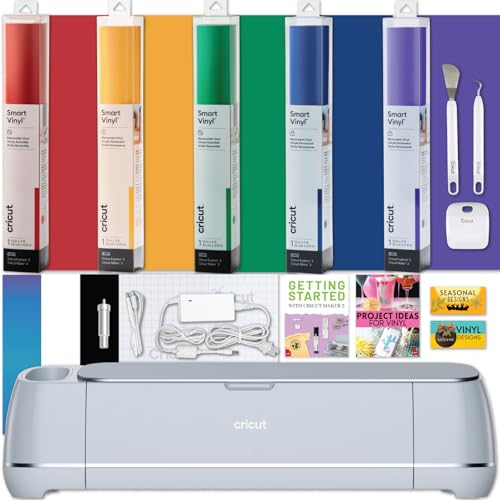
If you already own a Cricut Explore and want a genuine upgrade rather than a full brand switch, the Cricut Maker 3 justifies the jump. It supports over 300 materials including leather, balsa wood, and matboard - far beyond any budget machine - and its adaptive tool system handles scoring, engraving, debossing, and cutting in a single pass. At 2x the cutting speed of the Explore Air 3, it's a workhorse for high-volume crafters running small businesses.

Cricut Joy Xtra - Best Compact Machine for Small Projects
The Cricut Joy Xtra occupies a different category: it's a compact, travel-friendly cutter that handles materials up to 8.5 inches wide, making it ideal for card making, labels, and small iron-on projects. It's far cheaper than a Maker 3 or Cameo 4 and takes up barely any counter space. For crafters who want to dabble in cutting machines without committing to a full-size model, the Joy Xtra is an excellent entry point with minimal risk.
Silhouette Portrait 4 - Best Budget Cricut Dupe
The Silhouette Portrait 4 is the no-frills option for crafters on a tight budget who still want reliable vinyl cutting. It handles an 8-inch cutting width, works with Silhouette Studio's free tier, and connects via Bluetooth for wireless cutting from a phone or tablet. It won't handle thick materials like the Cameo 4, but for paper crafts, stickers, and standard vinyl decals it performs consistently well at a price that undercuts most entry-level Cricuts.
How to choose
Software cost
- Cricut Design Space requires a subscription for the full design library; Silhouette Studio's free tier is genuinely capable and covers most crafters' needs without a monthly fee. - **Cutting width** - Most standard machines cut 12 inches wide; compact models like the Joy Xtra and Portrait 4 max out at 8-8.5 inches, which limits project size. - **Material thickness** - If you plan to cut leather, balsa wood, or thick chipboard, only the Maker 3 and Cameo 4 handle those consistently; budget models are best for vinyl, cardstock, and HTV. - **Blade and tool ecosystem** - Check replacement blade costs and availability; some proprietary blade systems become expensive over time if you cut frequently.
The bottom line
The Silhouette Cameo 4 is the best Cricut dupe for most crafters in 2026 - it matches or beats Cricut's mid-range machines on features while charging nothing for its software. For crafters who need scan-to-cut capability, the Brother ScanNCut SDX235E is worth every extra dollar spent, delivering a genuinely unique feature that no Cricut model can replicate.
Common questions
The Silhouette Cameo 4 is the top Cricut alternative for beginners because Silhouette Studio software is free and includes a large built-in design library. It cuts a wider material range than entry-level Cricuts, supports a 12-inch cutting width, and connects via USB or Bluetooth, making the setup process straightforward for first-time crafters.
Yes. Most Cricut dupe machines like the Silhouette Cameo 4 and Brother ScanNCut work perfectly with standard craft materials including Siser EasyWeed HTV, Oracal 651 vinyl, and regular cardstock. They are not locked to proprietary consumables the way Cricut machines can encourage, which often results in lower ongoing material costs for regular crafters.
The Brother ScanNCut is worth buying if you want a built-in scanner for tracing your own designs without a computer. It's a genuine differentiator no Cricut model matches. For crafters who work with hand-drawn artwork, fabric patterns, or found images, the ScanNCut's scan-and-cut feature alone can justify the slightly higher price compared to similarly specced Cricut models.
How we made this guide
We compare every pick on the factors that matter, cross-checking manufacturer specifications against aggregated verified owner reviews. We rank independently and never take payment for placement. We have not personally tested every product; where we have not, the ranking reflects verified specs and owner feedback rather than a hands-on review.
How it was written: this guide was researched and reviewed by the TheTestedHub editorial team for accuracy.
Affiliate disclosure: TheTestedHub is reader-supported. When you buy through links on our site, we may earn a commission at no extra cost to you.
More guides

Expert Picks: Best Crochet Hooks & Supplies of 2026
Expert Picks: Best Crafts & Hobbies of 2026

Why the Photon Mono M7 Max Is the Best 3D Printer of 2026?
Ergonomic Crochet Needles For Beginner
5 Best Cricut Vinyl Cutters Compared for 2026
Which Cricut Tutorial Book Is Best for Beginners?
Learn Cricut Faster with the Best Guide Books
