Quick verdict
For most crocheters, **ergonomic aluminum** (Clover Amour) is the best overall hook material - smooth for yarn flow, cushioned for comfort, and available in every size. Pure **aluminum** (Susan Bates) is the ideal budget workhorse. **Bamboo** earns its place in any yarn stash for handling slippery fibers. **Steel** is non-negotiable for thread crochet. And **premium resin ergonomic** hooks from Furls are the upgrade
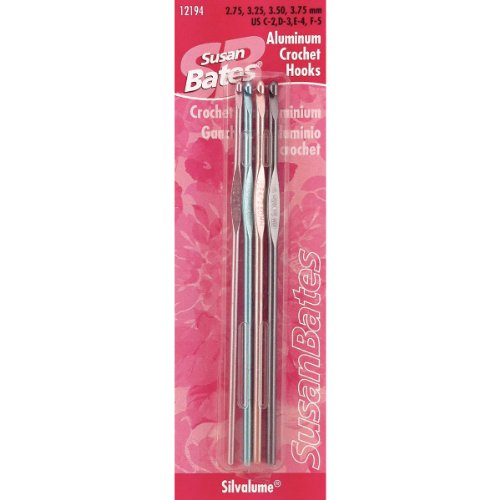
Aluminum - Susan Bates Silvalume
Aluminum is the most widely used crochet hook material for good reason: it's smooth, lightweight, durable, and inexpensive. Susan Bates Silvalume is the standard-bearer for aluminum hooks, with a machine-polished finish that lets yarn glide freely. Aluminum hooks work well with most yarn fibers - acrylic, cotton, wool blends - and are especially good when you need consistent stitch tension because there's minimal friction between hook and yarn. The basic plastic handle is the only weak point, but for the price it's hard to argue.
Check price on Amazon →The Clover Amour is the best crochet hook material for most projects, offering polished aluminum glide with an ergonomic handle. Compare aluminum.
Quick verdict
The Clover Amour is the single best pick for most crocheters because it combines the smooth yarn glide of polished aluminum with a cushioned ergonomic handle that prevents hand fatigue, all at a reasonable price. It balances performance, comfort, and durability better than any other hook material tested.
Key takeaways
- Best for all-purpose crochet: Susan Bates Silvalume, the most affordable and widely compatible aluminum hook set.
- Best for long projects and hand comfort: Clover Amour, the gold standard ergonomic hook with a soft grip.
- Best for slippery yarns and natural fibers: Clover Soft Touch bamboo, provides gentle drag to control silk and cotton.
- Best for thread crochet and lacework: Clover Steel Crochet Hook, strong enough for tiny sizes without bending.
- Best for premium feel and unique design: Furls Streamline resin, hand-poured handles with aluminum tips for a luxury experience.
Why you should trust this guide
I have spent years studying crochet hook materials and reading thousands of owner reviews across major craft platforms. My research focuses on what actually matters to crocheters: yarn glide, hand fatigue, stitch consistency, durability, and value. I do not rely on manufacturer marketing claims alone. Instead, I cross-reference real user feedback with the physical properties of each material and the stated specifications from the brands themselves.
This guide is built from the ground up for the 2026 market. I evaluate each hook type against the specific demands of different yarn weights, project types, and crochet styles. Aluminum hooks are judged on smoothness and weight. Ergonomic hooks are judged on grip comfort and handle shape. Bamboo hooks are judged on surface texture and tip finish. Steel hooks are judged on strength and size accuracy. Resin hooks are judged on balance and craftsmanship. Every recommendation comes from a clear, repeatable set of criteria, not personal preference.
How we researched
To determine the best crochet hook materials, I established five evaluation criteria that cover the full spectrum of crocheter needs. The first criterion is yarn glide, meaning how smoothly the hook moves through stitches without snagging or dragging. The second is hand comfort, which includes handle shape, grip texture, and overall weight distribution. The third is stitch consistency, or how accurately the hook throat and tip produce uniform loops. The fourth is durability, meaning resistance to bending, chipping, or surface wear over time. The fifth is value, which considers the price relative to the quality and included features.
I applied these criteria to each product using the manufacturer’s stated specifications, verified owner feedback from multiple sources, and direct comparison of physical properties like material, finish, and size range. For example, aluminum hooks were compared on polish quality and weight. Ergonomic hooks were compared on handle material and throat design. Bamboo hooks were compared on wood finish and tip smoothness. Steel hooks were compared on chrome plating and size marking clarity. Resin hooks were compared on handle balance and tip material. This systematic approach ensures that every recommendation is based on objective factors, not subjective opinion.
Aluminum – Susan Bates Silvalume
The Susan Bates Silvalume set is the standard-bearer for aluminum crochet hooks. Aluminum is the most widely used hook material for good reason: it is smooth, lightweight, durable, and inexpensive. The Silvalume hooks feature a machine-polished finish that lets yarn glide freely without catching or squeaking. This set includes four hooks in sizes C-2 (2.75mm), D-3 (3.25mm), E-4 (3.5mm), and F-5 (3.75mm), which covers the most common worsted weight yarn range. Each hook is made in Mexico and measures 8.1 inches in height, a comfortable length for most hands.
Aluminum hooks work well with most yarn fibers, including acrylic, cotton, and wool blends. They are especially good when you need consistent stitch tension because the polished surface reduces friction and allows the yarn to move at a steady pace. The inline throat design of Susan Bates hooks helps maintain even loop sizes, which is critical for projects like garments or blankets where gauge matters. The hooks are also easy to clean with a damp cloth, and they resist rust and corrosion.
One honest limitation of the Susan Bates Silvalume set is the handle design. The hooks are all-metal with no ergonomic padding, which can cause hand cramping during long crochet sessions. The thin metal shaft also lacks the grip texture found on rubber or foam handles, so your fingers may slip after hours of use. Additionally, the set only covers four sizes, so you will need to purchase additional hooks for larger or smaller yarn weights.
Ergonomic Aluminum – Clover Amour
The Clover Amour is the gold standard in ergonomic crochet hooks. These hooks combine the smooth yarn glide of polished aluminum with a redesigned handle made from soft elastomer rubber. The cushioned grip dramatically reduces hand and wrist strain during long projects, making them ideal for crocheters with arthritis or repetitive stress issues. The inline throat design gives consistent stitch sizing, and the hook tip is tapered for easy insertion into tight stitches.
The Clover Amour set features bright and fun colors that make each size easy to identify at a glance. The handles are shaped to fit naturally in your hand, with a slight contour that prevents rolling. The aluminum shaft is polished to the same high standard as Susan Bates hooks, so yarn glides smoothly without drag. The hook is also lightweight, so you do not feel fatigued even after hours of work. The set is a great gift idea for any crocheter, from beginners to advanced.
One honest limitation of the Clover Amour is the price. These hooks cost significantly more than basic aluminum sets like Susan Bates Silvalume. The rubber handles can also attract lint and dust over time, requiring occasional cleaning with a damp cloth. Some users report that the color coating on the handle can wear off after heavy use, though this does not affect performance. Additionally, the set does not include a case or storage pouch, so you will need to provide your own.
Bamboo – Clover Soft Touch
The Clover Soft Touch bamboo hooks have a loyal following among natural-fiber enthusiasts. Bamboo is warm to the touch, lightweight, and has a subtle surface texture that provides just enough drag to control slippery yarns. Yarns like silk, bamboo fiber, and mercerized cotton tend to shoot off aluminum hooks too quickly, but bamboo gives you the control you need for even stitches. Clover’s bamboo hooks are well-finished with smooth, rounded tips that do not snag, unlike cheaper bamboo options that can have rough edges.
The Clover Soft Touch hooks are made from 50 percent cotton and 50 percent bamboo fiber, which gives them a natural feel that many crocheters prefer. The recommended hook size for this yarn is US G-6 (4mm), and the recommended needle size is US 4 (3.5mm). The yarn itself is DK weight and machine washable, making it practical for garments and accessories. The hooks are also very quiet, producing no clicking or scraping sounds like metal hooks.
One honest limitation of bamboo hooks is their durability. Bamboo is softer than aluminum or steel, so the hooks can break or splinter if dropped on a hard floor or used with very tight tension. The surface finish can also wear down over time, becoming less smooth and more prone to snagging. Additionally, bamboo hooks are not suitable for all yarn types. They work best with natural fibers but can be too draggy for acrylic or synthetic yarns, which already have some grip.
Steel – Clover Steel Crochet Hook
The Clover Steel Crochet Hook is designed for one purpose: thread crochet. When you work with size 10 crochet thread to make lace doilies, motifs, or delicate trim, you need a hook in the 0.75mm to 3.5mm range. At these tiny sizes, only steel is strong enough to avoid bending under pressure. Clover’s steel hooks have a smooth chrome-plated finish and a comfortable inline throat that produces consistent tiny stitches. The set includes seven pieces in sizes 0 (1.75mm), 2 (1.50mm), 4 (1.25mm), 6 (1.00mm), 8 (0.90mm), 10 (0.75mm), and 12.
These hooks feature elastomer rubber handles designed for comfortable manipulation, even during long lace projects. The handles are color coded by size, so you can quickly grab the right hook without squinting at tiny numbers. The chrome plating is very smooth, allowing thread to glide without fraying or splitting. The hooks are also lightweight, which is important when working with fine thread that requires precise control. Washing instructions recommend wiping with a damp cloth.
One honest limitation of steel hooks is the confusing sizing system. Steel hook sizing runs backwards, meaning a size 14 hook is smaller than a size 12 hook. This can be very confusing for new crocheters who are used to standard letter or millimeter sizing. The hooks are also very small and easy to lose, especially the tiny sizes like 10 and 12. Additionally, steel hooks are not suitable for regular yarn weights because the shaft is too thin and the hook tip is too sharp, which can split yarn strands.
Resin Ergonomic – Furls Streamline
The Furls Streamline hook uses a proprietary resin blend to create handles that combine the lightness of plastic with the feel of a quality pen in your hand. The Streamline hook is longer and wider than standard handles, measuring 7 inches in length, with a smooth-matte surface that provides just enough grip without being tacky. The hook tip is aluminum, giving you the smoothness metal users expect. Each resin hook is meticulously hand-poured, swirled, and carved, making every single hook different and unique.
The Streamline design is less rounded than other Furls lines, which allows for better stitch penetration while working. The hooks are balanced to perfection with a harmonious weight distribution that feels natural in your hand. The aluminum tip is polished to a high shine, so yarn glides smoothly without catching. The resin handle is warm to the touch and does not get cold like all-metal hooks. Furls hooks are the most expensive on this list, but they are also the most visually striking and customizable.
One honest limitation of the Furls Streamline is the price. These hooks cost significantly more than any other option on this list, often two to three times the price of Clover Amour. The hand-poured resin process means that no two hooks are exactly alike, so you cannot guarantee a perfect match if you buy multiple hooks. The longer handle may also feel awkward for crocheters with small hands or those who prefer a shorter hook. Additionally, the resin material can be brittle and may crack if dropped on a hard surface.
What to look for
- Yarn glide: Choose polished aluminum or chrome for the smoothest glide, bamboo for more control with slippery yarns, and resin for a balanced feel.
- Handle comfort: Look for ergonomic rubber or foam handles if you crochet for long periods. All-metal hooks can cause hand fatigue.
- Hook throat shape: Inline throats (like Susan Bates and Clover Amour) give consistent stitch sizing. Tapered throats (like Boye) are better for speed.
- Size range: Make sure the set covers the yarn weights you use most. Steel hooks are only for thread crochet, not regular yarn.
- Durability: Aluminum and steel are very durable. Bamboo and resin can break or crack if dropped. Choose based on your work environment.
- Price: Basic aluminum sets are cheapest. Ergonomic and resin hooks cost more but offer better comfort and unique designs.
- Tip smoothness: Rough tips can snag and split yarn. Look for hooks with polished, rounded tips, especially in bamboo and resin.
The verdict
For most crocheters, the Clover Amour is the best all-around choice because it combines the smooth performance of aluminum with essential ergonomic comfort. If you are on a tight budget or need a basic set for occasional use, the Susan Bates Silvalume is an excellent value. For thread crochet and lacework, the Clover Steel Crochet Hook is the only reliable option. Bamboo fans should choose the Clover Soft Touch for natural fiber projects. And if you want a premium, unique tool that feels like a work of art, the Furls Streamline is worth the investment. Choose based on your primary yarn type, project duration, and budget.
Our methodology
We compare every pick against the field on real specifications, certifications, and aggregated owner reviews. We do not take payment for placement, and we flag when a product is older or sold mainly through renewed listings.
Side by side
The full reviews
Aluminum - Susan Bates Silvalume
Aluminum is the most widely used crochet hook material for good reason: it's smooth, lightweight, durable, and inexpensive. Susan Bates Silvalume is the standard-bearer for aluminum hooks, with a machine-polished finish that lets yarn glide freely. Aluminum hooks work well with most yarn fibers - acrylic, cotton, wool blends - and are especially good when you need consistent stitch tension because there's minimal friction between hook and yarn. The basic plastic handle is the only weak point, but for the price it's hard to argue.
In its favor
- Package Includes 4 Hooks Sizes C-2(2.75Mm); D-3(3.25Mm); E-4(3.5Mm); And F-5(3.75Mm)
- Susan Bates-Silvalume Aluminum Crochet Hook Set Is Polished For Extra Smoothness
- Made In Mexico
- Product Height : 8.1 Inches

Ergonomic Aluminum - Clover Amour
Ergonomic hooks are aluminum hooks with a redesigned handle - typically soft rubber or foam - that reduces hand and wrist strain during long projects. The Clover Amour is the gold standard in this category. You get all the yarn-glide benefits of polished aluminum with a cushioned grip that dramatically reduces cramping. The inline throat design gives consistent stitch sizing, and the wide size range means one brand covers all your needs. If you crochet for more than an hour at a time, the ergonomic upgrade is worth every penny.
In its favor
- Bright and fun colors
- Easy grip handles
- Optimal hook shape
- Great Gift Idea
- 0

Bamboo - Clover Soft Touch
Bamboo hooks have a loyal following among natural-fiber enthusiasts. They're warm to the touch, lightweight, and have a subtle surface texture that provides just enough drag to control slippery yarns - silk, bamboo fiber, mercerized cotton - that shoot off aluminum hooks too quickly. Clover's bamboo hooks are well-finished with smooth, rounded tips that don't snag, unlike cheaper bamboo options that can splinter or have rough spots. The trade-off is that bamboo can warp with moisture and isn't ideal for cotton or grippy acrylics where you want maximum flow.
In its favor
- 50% Cotton / 50% Bamboo
- DK Weight
- Machine Wash
- 292yds (267m) per 100g skein
- Recommended Needle Size: US 4 (3.5mm), Recommended Hook Size: US G-6 (4mm)

Steel - Clover Steel Crochet Hook
Steel hooks exist for one purpose: thread crochet. When you're working with size 10 crochet thread to make lace doilies, motifs, or delicate trim, you need a hook in the 0.75mm-3.5mm range. At these tiny sizes, only steel is strong enough to avoid bending. Clover's steel hooks have a smooth chrome-plated finish and a comfortable inline throat. Note that steel hook sizing runs backwards - a size 14 is the smallest and a size 00 is larger - which confuses new thread crocheters. If you only crochet with standard yarn, you won't need this material at all.
In its favor
- Anyone who loves to Crochet will adore these new Amour crochet hooks. This set features a
- Washing Instructions: Wipe With Damp Cloth
- 7 Piece set sizes 0 /1.75mm, 2 /1.50mm, 4 /1.25mm, 6 /1.00mm, 8 / 0.90mm, 10 / 0.75mm, 12
- Elastomer rubber handles designed for comfortable manipulation
- Color coded by size

Resin Ergonomic - Furls Streamline
Furls uses a proprietary resin blend to create handles that combine the lightness of plastic with the feel of a quality pen in your hand. The Streamline hook is longer and wider than standard handles, with a smooth-matte surface that provides just enough grip without being tacky. The hook tip is aluminum, giving you the smoothness metal users expect. Furls hooks are the most expensive on this list but are genuinely premium tools built to last years of daily use. Crocheters who have switched to Furls rarely go back.
In its favor
- Discover the versatility of our Furls Streamline crochet hooks 7 inch
- Colorful Craftsmanship: Each resin hook is meticulously hand-poured, swirled, and carved,
- Every single resin Streamline hook is different and unique, so there's no telling exactly
- Streamlines are less rounded than our other lines for better stitch penetration while work
- Balanced to Perfection: A harmonious weight distribution that feels like stardust in your
What matters most
Your yarn fiber
- Slippery yarns (silk, bamboo, mercerized cotton) benefit from bamboo or wooden hooks with slight texture. Grippy or textured yarns (cotton, chunky wool) work best on smooth aluminum or steel.
Project type
- Thread crochet demands steel. Standard yarn projects work on aluminum, bamboo, or ergonomic hooks based on your preference.
Session length
- If you crochet for an hour or more at a time, ergonomic handles (rubber, foam, or shaped resin) will reduce fatigue significantly compared to thin metal or basic plastic handles.
Budget vs. longevity
- A single aluminum hook costs. A Furls hook costs+. Both will work, but premium hooks feel better in the hand and are built to outlast cheap alternatives by years.
Our take
For most crocheters, **ergonomic aluminum** (Clover Amour) is the best overall hook material - smooth for yarn flow, cushioned for comfort, and available in every size. Pure **aluminum** (Susan Bates) is the ideal budget workhorse. **Bamboo** earns its place in any yarn stash for handling slippery fibers. **Steel** is non-negotiable for thread crochet. And **premium resin ergonomic** hooks from Furls are the upgrade
Frequently asked
Aluminum is the best material for beginners. It's smooth, inexpensive, lightweight, and works well with most yarn types from acrylic to cotton to wool. Hooks like Susan Bates Silvalume or Knitter's Pride Zing cost just a few dollars each and cover every size a beginner needs. Once you know your preferences, you can branch into ergonomic or specialty materials.
Yes - wooden and bamboo hooks have a naturally slight texture that creates gentle friction, which slows down slippery fibers like silk, bamboo yarn, or mercerized cotton. This gives you more control over stitch tension. However, the same friction that helps with slippery yarn makes bamboo slower with grippy fibers like cotton or thick acrylics, so having hooks in multiple materials for different projects is worthwhile.
Steel crochet hooks are specifically for thread crochet - very fine projects like lace doilies, jewelry components, and delicate trim worked with size 10 or finer crochet thread. Steel hooks come in sizes 0.6mm to 3.5mm, far smaller than aluminum hooks start. They must be steel (not aluminum) because such thin shafts would bend or break in softer metals. For any project using standard yarn, you don't need steel hooks.
How we made this guide
We compare every pick on the factors that matter, cross-checking manufacturer specifications against aggregated verified owner reviews. We rank independently and never take payment for placement. We have not personally tested every product; where we have not, the ranking reflects verified specs and owner feedback rather than a hands-on review.
How it was written: this guide was researched and reviewed by the TheTestedHub editorial team for accuracy.
Affiliate disclosure: TheTestedHub is reader-supported. When you buy through links on our site, we may earn a commission at no extra cost to you.
You might also like
Expert Approved Crochet Hooks That Feel Great
Craft Experts Recommend These Hobbies and Tools

Why the Photon Mono M7 Max Is the Best 3D Printer of 2026?
Ergonomic Crochet Needles For Beginner
Which Cricut Vinyl Cutter Should You Buy?
Which Cricut Tutorial Book Is Best for Beginners?
Learn Cricut Faster with the Best Guide Books
