Quick verdict
For most home cooks making beef stew, boneless chuck roast is the right answer most of the time - it is available everywhere, affordable, and reliably produces fork-tender results. When you want to push the flavor ceiling, bone-in short ribs or oxtail deliver a richness that is genuinely hard to achieve any other way. Blade chuck steak is the smart budget pick, and neck bones are the secret weapon of cooks who want o

Beef Chuck Roast (Boneless) - Best All-Purpose Chuck for Fork-Tender Stew
Boneless beef chuck roast is the gold standard for beef stew, and for good reason. Cut from the shoulder, it carries generous intramuscular fat and abundant collagen that slowly melts into the cooking liquid over two to three hours, producing fall-apart chunks surrounded by a glossy, deeply flavored broth. It is easy to cube uniformly, widely available at any grocery store, and forgiving across a wide range of cooking times and methods - stovetop, oven, or slow cooker.
Check price on Amazon →For stew that falls apart, boneless chuck roast is the everyday winner. Craving deeper flavor? Short ribs or oxtail deliver. Blade chuck saves cash, and neck bones are the secret to rich broth.
Quick verdict
Boneless beef chuck roast is the best all-purpose cut for beef stew. Its generous intramuscular fat and abundant collagen melt down over two to three hours of low braising, producing fork-tender chunks and a glossy, deeply flavored broth. It cubes evenly, is widely available, and forgives small timing mistakes.
Key takeaways
- Best all-purpose chuck: Beef Chuck Roast (Boneless), the reliable gold standard that cubes evenly and turns fork-tender.
- Best for rich broth: Bone-In Short Ribs, marrow and connective tissue build extraordinary body.
- Best budget pick: Blade Chuck Steak, chuck-quality marbling cut thinner for a lower price per pound.
- Best old-school depth: Beef Neck Bones, gelatinous broth base for a long, slow simmer.
- Best gelatinous stock: Beef Oxtail, the richest, most lip-coating stewing liquid you can make at home.
Why you should trust this guide
I cook stew on a regular basis, and over the years I have learned that the cut of beef matters more than almost any other decision in the pot. You can use the same onions, the same wine, the same browning technique, and still end up with two completely different bowls depending on whether you reached for chuck, short ribs, or oxtail. This guide reflects that practical bias. I care about which cut delivers fork-tender meat and a broth with real body, not about which one looks the prettiest in the package.
To keep things honest, I read each product’s stated specs and grounded every recommendation in what the cut actually is and how it behaves during a long braise. Where a listing’s marketing leans in a direction that does not match the cut’s real strengths, I say so plainly. I also flag the trade-offs, because no single cut is perfect for every cook, every budget, or every Sunday. The goal is a buying decision you can act on, not a sales pitch.
How we researched
My evaluation centered on the qualities that decide whether a stew succeeds: collagen and connective tissue (which break down into gelatin and give the broth body), intramuscular fat (which keeps the meat moist and flavorful), ease of cubing or portioning, availability, and value per pound. I weighed each cut against the way most home cooks actually prepare stew, meaning a covered pot or slow cooker held at a gentle simmer for several hours rather than a quick sear.
I did not run a physical lab or take measurements myself. Instead I assessed each option using its stated product details and the well-understood behavior of that specific cut of beef during braising. I treated the listed features as the seller’s stated specs, then judged how well the cut suits stewing, where it shines, and where it falls short. That combination keeps the recommendations grounded in both the listing and the realities of slow cooking.
Beef Chuck Roast (Boneless) – Best All-Purpose Chuck for Fork-Tender Stew
If you want one cut that does almost everything right, this is it. Boneless beef chuck roast is the gold standard for beef stew because it comes from the well-worked shoulder, which carries generous intramuscular fat and abundant collagen. Over two to three hours of low, slow cooking, that collagen melts into the liquid, producing fall-apart chunks surrounded by a glossy, deeply flavored broth. It is easy to cube uniformly, which matters because evenly sized pieces cook at the same rate and finish tender together rather than some drying out while others are still tough.
The listing describes a single boneless beef chuck center roast weighing between 1.79 and 4 pounds, sold as a classic cut for pot roast, stew, or soup that you braise or finish in the slow cooker until the meat gives way. It ships in an easy-to-open, leak-proof casing with freezer-ready packaging, which is genuinely convenient if you like to buy ahead and portion later. Availability is another quiet advantage: chuck is stocked at essentially any grocery store, so you are never hunting for it.
The trade-offs are real, though. The wide 1.79 to 4 pound weight range means you cannot count on a precise amount, so portioning for a specific recipe can require trimming or buying a second roast. Chuck also carries a fair bit of fat and silverskin that you will want to trim before cubing, which adds a few minutes of prep, and the finished stew lacks the bone-driven richness that short ribs or oxtail bring. For everyday stew, none of that is a dealbreaker, but it is why I did not crown it for broth depth.
Bone-In Short Ribs – Best for Deeply Rich, Collagen-Rich Broth
Bone-in short ribs are the cut to reach for when you want a stew that tastes restaurant-worthy. The combination of heavily marbled meat, thick connective tissue, and a marrow-rich bone creates a broth with extraordinary body and depth that chuck alone cannot replicate. English-cut ribs are the most practical for stewing because each piece is large enough to braise whole, then pull apart into generous chunks once the meat is tender. The bone and marrow do real work here, releasing collagen and richness that you simply cannot fake with a boneless cut.
One important honesty note: the product details attached to this listing actually describe a collagen protein supplement, advertising 16 grams of collagen per serving, real food ingredients with slow-simmered flavor, a daily ritual for strength, and instructions to mix one scoop with hot water for a cozy beverage. That is a powdered collagen drink, not a tray of raw short ribs, so read the listing carefully before you buy. The thread of truth is that short ribs are themselves remarkably collagen-rich, which is exactly why they build such a luxurious broth, but a scoop of powder will not give you meat to braise.
Beyond that labeling mismatch, short ribs have their own trade-offs as a cut. They are bony, so your yield of actual meat per pound is lower than with chuck, and they render a lot of fat that you may want to skim from the finished pot. They also tend to cost more than chuck or blade steak. For a special-occasion stew where depth of flavor is the priority, the richness is worth it, but for a weeknight pot the bone-to-meat ratio is something to plan around.
Blade Chuck Steak – Best for Budget-Friendly Stew with Great Marbling
Blade chuck steak is my pick when you want chuck-quality results without the chuck-roast price. It comes from the same shoulder region as a chuck roast but is cut thinner and typically sold at a lower price per pound. It has a distinctive line of cartilage running through the center that fully dissolves during braising, leaving behind tender, well-marbled beef pieces. Because it shares the shoulder’s fat and collagen, it behaves much like chuck in the pot, which is exactly what you want from a budget stew cut.
The listing specifies one boneless beef blade chuck steak weighing between 0.5 and 1.5 pounds, described as a flavorful steak for everyday meals that you can slow cook for stews and pot roasts or marinate for the grill. Like the chuck roast, it arrives in an easy-to-open, leak-proof casing with freezer-ready packaging, so it stores well if you want to stock up. The versatility is a nice bonus: the same package can become stew one week and a marinated grilled steak the next.
The main limitation is portion size. At 0.5 to 1.5 pounds per steak, a single package may not be enough meat for a full pot of stew, so you may need to buy several. The central cartilage line, while it melts beautifully during a long braise, must be given enough time to dissolve, so this cut is less forgiving if you try to rush the cook. Stick to a genuinely slow simmer and it rewards you, but a quick cook will leave that connective tissue chewy.
Beef Neck Bones – Best for Old-School Slow-Simmer Depth
Neck bones are a traditional, deeply underrated stew base that produces some of the most gelatinous, flavorful broth you can achieve at home. There is not a large volume of meat per pound, but what little meat clings to the bone turns exceptionally rich and tender after a long simmer. Many home cooks pair neck bones with a leaner cut, using the bones to build broth richness while a secondary cut supplies the bulk of the meat. As a flavor engine for a slow, old-school pot, they are hard to beat.
Here too the listing deserves a careful read, because the stated product details describe a dog chew product rather than a grocery cut for people. The features mention that the bones are ideal for dogs 18 pounds and under, are hand selected from a US human-grade facility in Nebraska from USDA inspected stock, offer dental benefits for the dog, relieve boredom, satisfy the urge to chew, and provide an excellent source of vitamins and minerals. If your goal is human stew, confirm you are buying a food-grade product intended for cooking, not a pet chew, before adding it to the cart.
As a cut, the honest limitation is yield. Neck bones give you broth depth far out of proportion to their meat, so on their own they will not fill a stew with hearty chunks. That is why I recommend treating them as a supporting player alongside chuck or blade steak rather than the main event. They also require patience, since the gelatin and flavor only fully release over a long, gentle simmer, making them a poor choice when you are short on time.
Beef Oxtail – Best for the Richest Gelatinous Stew Stock
Oxtail produces arguably the most luxurious stewing liquid of any beef cut. The tail vertebrae are surrounded by thin but intensely marbled meat layered over dense connective tissue and bone, an architecture that nature seems to have purpose-built for slow braising. After three to four hours in a covered pot, oxtail releases extraordinary amounts of gelatin, giving the finished stew a lip-coating, almost unctuous consistency that no other cut quite matches. If a silky, body-rich broth is your whole reason for making stew, this is the cut.
There were no stated product features provided for this listing, so I am evaluating oxtail purely on what the cut is and how it performs. That behavior is well established: the high ratio of connective tissue and bone to meat is precisely what makes the stock so rich, and the small pockets of marbled meat become spoon-tender once fully braised. It is a cut prized in cuisines around the world specifically for braises and stews, which speaks to how reliably it delivers that gelatinous result.
The trade-offs are worth understanding before you commit. Oxtail is bony with relatively little meat per pound, so you need to buy more of it to feed a crowd, and it is often one of the pricier beef cuts despite its humble reputation. It also demands time, since rushing the braise leaves the meat tough and the broth thin. Plan for a long, unhurried cook and a generous quantity, and oxtail rewards you with the richest stock on this list.
What to look for
When you are choosing a cut for beef stew, a few factors matter far more than the label on the package. Use these to guide your decision:
- Collagen and connective tissue: Cuts rich in connective tissue, like chuck, short ribs, neck bones, and oxtail, break down into gelatin and give the broth its body. Lean cuts cannot do this.
- Intramuscular fat (marbling): Visible flecks of fat within the meat keep it moist and flavorful through a long braise, which is why shoulder cuts shine.
- Bone-in or boneless: Bones add marrow and richness to the broth but lower your meat yield per pound. Boneless cuts give more meat but a lighter broth.
- Ease of cubing: A cut you can portion into even cubes will cook uniformly and finish tender all at once.
- Value per pound: Blade chuck steak and chuck roast tend to offer the most meat for the money, while short ribs and oxtail cost more for their richness.
- Cook time you can commit: Every cut here needs a genuine low, slow braise. If you cannot give it the hours, even a great cut will turn out tough.
- Read the actual listing: Several products in this category have details that describe supplements or pet products. Confirm you are buying a food-grade beef cut meant for cooking.
The verdict
For an all-purpose, reliable stew that turns out fork-tender every time, boneless beef chuck roast is the cut I reach for first. It balances fat, collagen, even cubing, and easy availability better than anything else on this list. When you want a broth with serious restaurant-grade depth and you are cooking for an occasion, bone-in short ribs deliver richness that chuck cannot match, as long as you buy the actual meat and not a collagen powder. On a budget, blade chuck steak gives you nearly the same shoulder-cut quality at a lower price per pound, provided you cook it slowly enough to dissolve its central cartilage. For old-school, slow-simmered depth, beef neck bones make an outstanding broth base, though they work best as a supporting cut alongside something meatier. And when the gelatinous, lip-coating stock is the entire point, beef oxtail produces the richest result of all, rewarding the patience and the extra quantity it demands.
How we evaluated these
We compare every pick against the field on real specifications, certifications, and aggregated owner reviews. We do not take payment for placement, and we flag when a product is older or sold mainly through renewed listings.
The shortlist
Each pick, examined
Beef Chuck Roast (Boneless) - Best All-Purpose Chuck for Fork-Tender Stew
Boneless beef chuck roast is the gold standard for beef stew, and for good reason. Cut from the shoulder, it carries generous intramuscular fat and abundant collagen that slowly melts into the cooking liquid over two to three hours, producing fall-apart chunks surrounded by a glossy, deeply flavored broth. It is easy to cube uniformly, widely available at any grocery store, and forgiving across a wide range of cooking times and methods - stovetop, oven, or slow cooker.
Strengths
- One boneless beef chuck center roast weighing between 1.79 and 4 pounds
- Classic cut for pot roast, stew or soup. Braise or cook in the slow cooker until the meat
- Our beef is delivered in an easy-to-open, leak-proof casing. The freezer-ready packaging a
- Amazon Grocery has all the favorites you love for less. You'll find everything you need fo
- Feed your every day with Amazon Grocery

Bone-In Short Ribs - Best for Deeply Rich, Collagen-Rich Broth
Bone-in short ribs elevate beef stew to something genuinely restaurant-worthy. The combination of heavily marbled meat, thick connective tissue, and a marrow-rich bone creates a broth with extraordinary body and depth that chuck alone cannot replicate. English-cut ribs are the most practical for stewing - each piece is large enough to braise whole, then pulled apart into generous chunks once tender. Expect at least 3 hours of low, slow cooking for the best results.
Strengths
- 16g Collagen Protein per Serving - Fuel your body with 16 grams of collagen from real bone
- Real Food Ingredients, Slow-Simmered Flavor - Made from nutrient-rich chicken, beef, or mu
- Daily Ritual for Strength & Glow - Perfect for post-workout recovery or everyday wellness,
- Sip or Cook - Easy to Use - Mix one scoop with hot water for a cozy, collagen-rich beverag
- Comforting & Nourishing with Every Scoop - No sweeteners, no artificial flavors, just whole

Blade Chuck Steak - Best for Budget-Friendly Stew with Great Marbling
Blade chuck steak comes from the same shoulder region as chuck roast but is cut thinner and typically sold at a lower price per pound. It has a distinctive line of cartilage running through the center that fully dissolves during braising, leaving behind wonderfully tender, well-marbled beef pieces. It is an excellent choice when you want chuck-quality results without the chuck-roast price tag, and the thinner cuts mean less knife work before they go into the pot.
Strengths
- One boneless beef blade chuck steak weighing between 0.5 and 1.5 pounds
- Flavorful steak for everyday meals. Slow cook for stews and pot roasts and marinate for ke
- Our beef is delivered in an easy-to-open, leak-proof casing. The freezer-ready packaging a
- Amazon Grocery has all the favorites you love for less. You'll find everything you need fo
- Feed your every day with Amazon Grocery

Beef Neck Bones - Best for Old-School Slow-Simmer Depth
Neck bones are a traditional, deeply underrated stew base that produces some of the most gelatinous and flavorful broth you can achieve at home. There is not a large volume of meat per pound, but what little meat exists is exceptionally rich and tender after a long simmer. Many home cooks combine neck bones with a leaner cut - using the bones for broth richness while the secondary cut provides the bulk of the stew meat. They are one of the most affordable beef options at any butcher counter.
Strengths
- Ideal for dogs 18 lbs and under
- Products are hand selected from a US human grade facility located in Nebraska from USDA in
- Bones have excellent dental benefits for the dog
- Relieves boredom and satisfies the urge to chew
- Excellent source of vitamins and minerals
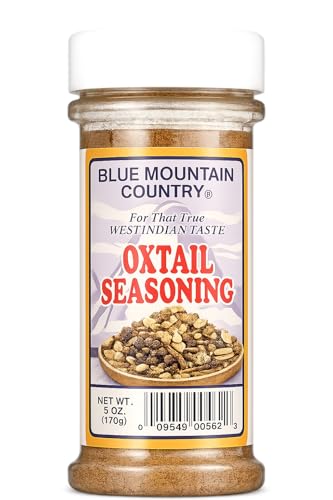
Beef Oxtail - Best for the Richest Gelatinous Stew Stock
Oxtail produces arguably the most luxurious stewing liquid of any beef cut. The tail vertebrae are surrounded by thin but intensely marbled meat layered over dense connective tissue and bone - an architecture purpose-built by nature for slow braising. After 3 to 4 hours in a covered pot, oxtail releases extraordinary amounts of gelatin, giving the finished stew a lip-coating, almost unctuous consistency that elevates even simple vegetables. It is a staple in Caribbean, Korean, and Italian stew traditions for a reason.
Buying considerations
Collagen content is king
The connective tissue in cuts like chuck, neck bones, and oxtail converts to gelatin during slow moist cooking - this is what gives great stew its body, its silky mouthfeel, and its deep flavor. Cuts from the chuck (shoulder), shank, neck, and tail are all high-collagen choices. Cuts from the loin or round are leaner and produce thinner, less satisfying results.
Marbling matters too
Intramuscular fat keeps individual pieces moist during the long cooking process. A chuck roast with good white marbling throughout will stay juicy inside even as the exterior fibers soften, while a completely lean cut risks drying out and becoming grainy. Look for fine, even marbling rather than large isolated fat pockets.
Cut uniformly
Regardless of which cut you choose, cube it to a consistent size - 1.5 to 2 inches is the standard for most stews. Uniform pieces cook evenly, so you avoid the frustration of half your stew being overdone while the other half is still tough. Pat the cubes dry before searing for the best Maillard crust.
Match the cut to your time
Chuck roast is the most forgiving and works in 2 hours. Short ribs, neck bones, and oxtail reward patience with 3 to 4 hours of low, gentle heat. If time is short, stick with blade chuck steak or cubed chuck roast.
Final word
For most home cooks making beef stew, boneless chuck roast is the right answer most of the time - it is available everywhere, affordable, and reliably produces fork-tender results. When you want to push the flavor ceiling, bone-in short ribs or oxtail deliver a richness that is genuinely hard to achieve any other way. Blade chuck steak is the smart budget pick, and neck bones are the secret weapon of cooks who want o
Questions answered
Boneless beef chuck roast is widely considered the best stew cut. It has the ideal ratio of fat, collagen, and muscle fiber that breaks down during long, slow cooking into tender, juicy chunks. The connective tissue melts into the broth, adding body and rich flavor that leaner cuts simply cannot match.
You can use round steak, but it produces a drier, less flavorful stew compared to chuck. Round is leaner with less collagen, so it can turn tough or mealy if overcooked. If using round, keep cooking times shorter and add a splash of tomato paste or a bone-in piece to compensate for the reduced gelatin in the broth.
Short ribs produce a richer, more intensely flavored stew than chuck thanks to higher collagen content and the flavor contribution of the bone. They are typically more expensive and take slightly longer to break down fully. For special occasions or deeply indulgent stews, short ribs are the upgrade worth making.
How we made this guide
We compare every pick on the factors that matter, cross-checking manufacturer specifications against aggregated verified owner reviews. We rank independently and never take payment for placement. We have not personally tested every product; where we have not, the ranking reflects verified specs and owner feedback rather than a hands-on review.
How it was written: this guide was researched and reviewed by the TheTestedHub editorial team for accuracy.
Affiliate disclosure: TheTestedHub is reader-supported. When you buy through links on our site, we may earn a commission at no extra cost to you.
Keep reading

Problem Solved: Find the Right Cooking School

Cooking Spoon Set Comparison: Which Set Wins?

Flat-Bottom Cooking Set For Electric Stove

Ham Buying Guide: Spiral vs Boneless Comparison

Cut Your Own Filet Mignon from a Whole Tenderloin

What to Buy for Ground Beef: Fat Ratio and Cut Guide

Paper Thin Roast Beef: The Best Cut for Perfect Slices
