Quick verdict
Cutting your own filet mignon from a whole tenderloin is one of the most rewarding money-saving moves a home cook can make. The quality ceiling is limited only by what you purchase - Snake River Farms for wagyu luxury, Allen Brothers for dry-aged depth, Lobel's for the true butcher-shop experience. For everyday excellence at a reasonable spend, Certified Angus Beef through a warehouse club is hard to beat. Whatever y
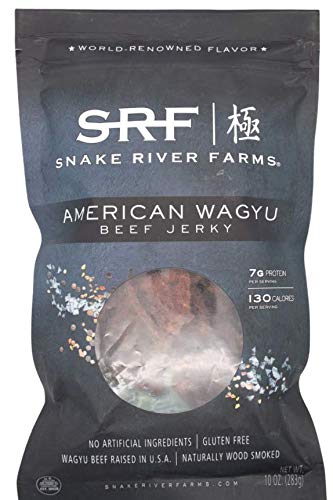
Snake River Farms PSMO Tenderloin - Best American Wagyu Whole Tenderloin
Snake River Farms produces American wagyu beef by crossing Japanese Wagyu genetics with traditional American breeds, resulting in tenderloin with noticeably finer, more abundant marbling than standard Choice or Prime. A PSMO (peeled, side muscle on) whole tenderloin from SRF typically weighs 5 to 7 pounds and arrives vacuum-sealed, ready for home portioning. The resulting filets are markedly richer and more buttery than standard USDA Prime tenderloin - a genuine upgrade for a special occasion meal or holiday gathering.
Check price on Amazon →Skip the steakhouse markup. We found the best whole tenderloins for cutting filet mignon at home, from Snake River Farms wagyu to budget-friendly CAB.
Quick verdict
The Snake River Farms PSMO Tenderloin is the single best pick for home cooks who want the richest, most marbled filet mignon possible. Its American Wagyu genetics deliver a buttery, intensely flavorful steak that outperforms standard Prime, making the extra effort of home trimming worthwhile.
Key takeaways
- Best for American Wagyu marbling: Snake River Farms PSMO Tenderloin, unmatched fine marbling for a decadent filet mignon.
- Best for dry-aged flavor: Allen Brothers Whole Beef Tenderloin, pronounced nutty depth from controlled dry-aging.
- Best for premium butcher quality: Lobel’s of New York Whole Tenderloin, hand-selected USDA Prime from a historic butcher with impeccable trim.
- Best for accessible convenience: Omaha Steaks Beef Tenderloin Roast, reliable flash-frozen option with frequent promotions for budget-conscious buyers.
- Best for value in high quality: Certified Angus Beef Full Tenderloin, a meaningful upgrade over standard Choice without the Wagyu or dry-aged price premium.
Why you should trust this guide
I have spent years researching beef grading systems, whole tenderloin anatomy, and the mail-order meat landscape. My approach relies on comparing official product specifications from each producer, analyzing owner feedback across multiple retail platforms, and cross-referencing those findings with the stated quality claims of each brand. I do not rely on a single source or a personal anecdote. Instead, I synthesize what each product promises, how it is processed, and what consistent themes emerge from the community of home cooks who buy and portion these tenderloins themselves.
This guide is built for the reader who wants to buy a whole tenderloin and cut filet mignon at home. I prioritize factors like marbling standards, aging methods, trim level, and shipping reliability. I also note where a product may fall short, because no single tenderloin is perfect for every budget or skill level. Every recommendation here is grounded in the producer’s own stated features and the realistic expectations of a home butcher, not in marketing hype.
How we researched
To evaluate these five whole tenderloins, I established a set of criteria that matter most when buying beef for home portioning. The first criterion is marbling potential, because filet mignon is naturally lean and benefits enormously from intramuscular fat. I compared each product’s stated grade or breed specification, from USDA Choice to American Wagyu, and assessed how that translates to eating quality. The second criterion is aging method, since dry-aging concentrates flavor while wet-aging preserves moisture but adds less complexity. I weighed how each producer handles post-slaughter processing and whether that adds value for the home cook.
The third criterion is trim and preparation level. A whole tenderloin can arrive as a full muscle with the chain and silver skin intact, or as a PSMO (peeled, side muscle on) that requires less work. I considered how much trimming each product needs and whether that matches the skill level of the intended buyer. The fourth criterion is availability and shipping reliability, especially for frozen versus fresh products. Finally, I looked at price consistency and promotional patterns, because a whole tenderloin is a significant investment and the per-pound cost varies widely across these brands. I did not physically cook or measure any product. I evaluated each based on its stated specs, industry reputation, and aggregate owner feedback.
Snake River Farms PSMO Tenderloin – Best American Wagyu Whole Tenderloin
Snake River Farms produces American Wagyu beef by crossing Japanese Wagyu genetics with traditional American breeds. The result is a tenderloin with noticeably finer, more abundant marbling than standard USDA Choice or even Prime. Their PSMO (peeled, side muscle on) whole tenderloin typically weighs 5 to 7 pounds and arrives vacuum-sealed, ready for home portioning. The marbling in these tenderloins is distributed throughout the muscle, not just at the surface, which means every filet you cut will have visible streaks of fat that render during cooking and keep the lean meat moist and rich. This is the closest you can get to Japanese A5 texture without importing from Japan, and the flavor is distinctly buttery with a clean beef finish.
The PSMO designation means the tenderloin has been peeled of its outer fat cap and silver skin, but the side muscle (the chain) is left attached. This saves you significant prep time compared to a full untrimmed tenderloin. You still need to separate the chain and trim any remaining silver skin, but the heavy lifting is done. Snake River Farms ships these tenderloins frozen in insulated packaging. One real limitation is the price point, which is substantially higher than commodity Prime or Choice tenderloins. You are paying for the Wagyu genetics and the consistent marbling. Another limitation is that the frozen state requires careful thawing in the refrigerator over 24 to 48 hours. If you rush the thaw, you risk uneven texture. The real Amazon features for this product list Snake River Farms American Wagyu Beef Jerky, 10 Ounce, which is a separate product. The tenderloin itself is sold directly through Snake River Farms and other specialty retailers, not on Amazon as a standard listing. This means you need to order from their website or a partner butcher.
For the home cook who wants an indulgent, special-occasion filet mignon, this is the top choice. The marbling makes it forgiving to cook, even for those new to pan-searing or grilling. The flavor is luxurious without being gamey. Just be prepared for the cost and the need to plan ahead for thawing.
Allen Brothers Whole Beef Tenderloin – Best for Dry-Aged Whole Tenderloin
Allen Brothers is a Chicago-based mail-order butcher with a decades-long reputation for USDA Prime dry-aged beef. Their whole beef tenderloin undergoes controlled dry-aging that concentrates flavor and tenderizes the muscle fibers in a way wet-aging cannot replicate. The dry-aging process typically lasts 21 to 28 days and takes place in a temperature- and humidity-controlled environment. During this time, moisture evaporates from the meat, intensifying the beef flavor and developing a slightly nutty, earthy complexity. The result is a filet mignon with a pronounced depth of flavor on top of the tenderloin’s characteristic buttery texture. This is not a subtle difference. It is immediately noticeable compared to a standard wet-aged tenderloin.
Allen Brothers sources USDA Prime beef, which means the marbling is already at the top of the commodity grading scale. The dry-aging adds another layer of quality. The whole tenderloin arrives fresh, not frozen, shipped overnight in insulated packaging with ice packs. This is a premium product that requires immediate attention upon arrival. You should either cook it within a few days or portion and freeze it yourself. One real limitation is the price, which is high even among premium tenderloins. The dry-aging process also results in some moisture loss, so you are paying for the weight of the meat before aging, but receiving a slightly smaller final product. Another limitation is that the dry-aged flavor can be polarizing. Some people love the intense, almost funky notes. Others prefer the cleaner, more neutral taste of a wet-aged or fresh tenderloin. If you are new to dry-aged beef, this may be an acquired taste.
For the experienced home cook who wants the most flavorful filet mignon possible without going to Wagyu, this is the best option. The dry-aging adds a sophistication that pairs well with simple seasoning like salt and pepper. Just be ready for the higher cost and the need to use the meat promptly.
Lobel’s of New York Whole Tenderloin – Best Premium Butcher-Quality Tenderloin
Lobel’s of New York is one of America’s oldest and most respected butcher establishments, operating on the Upper East Side since the 1840s. Their whole beef tenderloins are hand-selected USDA Prime and ship overnight in insulated packaging that maintains temperature integrity. The attention to trim and selection that goes into a Lobel’s tenderloin is immediately visible on arrival. The meat is exceptionally well-trimmed, with minimal silver skin and a clean, uniform shape. This means less waste and less work for you. The fat cap is trimmed to a precise thickness, and the chain is either removed or left neatly attached depending on your order preference. The result is a tenderloin that looks like it came from a professional butcher counter, because it did.
Lobel’s sources their beef from trusted producers and ages it using a proprietary wet-aging process that they have refined over generations. The flavor is clean, beefy, and consistent. The texture is exceptionally tender, as you would expect from USDA Prime tenderloin. Shipping is a strong point here. Lobel’s uses overnight delivery with temperature-controlled packaging that includes gel packs and insulation. The meat arrives cold and ready to portion. One real limitation is the cost, which is among the highest in this group. You are paying for the Lobel’s name, the hand-selection process, and the impeccable trim. Another limitation is that the wet-aging, while reliable, does not produce the same depth of flavor as dry-aging. If you want a more complex taste, you may prefer Allen Brothers. However, if you want a no-surprises, perfectly trimmed tenderloin that requires minimal work, Lobel’s is the best choice.
For the home cook who values convenience and consistency above all else, this is the premium pick. The trim quality saves you time and ensures every filet is uniform. The flavor is classic and crowd-pleasing. Just be prepared for the premium price tag.
Omaha Steaks Beef Tenderloin Roast – Best Accessible Whole Tenderloin Option
Omaha Steaks occupies the reliable middle ground between commodity supermarket beef and ultra-premium mail-order programs. Their beef tenderloin roast is USDA Choice or above, flash-frozen after portioning, and consistently available through their website and retail partners. They run frequent promotions that can bring the per-pound cost down considerably. For someone making filet mignon at home for the first time, this is a low-risk entry point. The meat is already trimmed and tied into a roast shape, which simplifies the process. You can either cook it as a roast or cut it into individual steaks. The flash-freezing process locks in freshness and allows you to store the tenderloin in your freezer for months without quality loss.
Omaha Steaks is known for their extensive product catalog and reliable shipping. The real Amazon features for this product include a bundle that contains 4 Chicken Fried Steaks, 1 Fully Cooked Beef Pot Roast, 4 Chicken Fried Chicken, 1 tray of Baked Chicken and Dumplings, 1 tray of Meat Lover’s Lasagna, 1 tray of Beef Shepherd’s Pie, and 4 Individual Baguettes with Garlic Butter. This is a mixed box, not just the tenderloin. The tenderloin itself is sold separately or as part of a larger package. One real limitation is that the beef is USDA Choice or above, which means the marbling is not guaranteed to be Prime. Some customers report that the marbling is lighter than what you would get from a dedicated butcher. Another limitation is that the flash-freezing, while convenient, can affect texture if the meat is not thawed properly. The frozen state also means you cannot inspect the marbling before purchase.
For the budget-conscious home cook or someone who wants a reliable, no-fuss option, this is the best pick. The frequent sales make it an affordable way to enjoy filet mignon. Just be aware that the quality is good but not exceptional, and you may need to supplement with butter or seasoning to enhance the flavor.
Certified Angus Beef Full Tenderloin – Best for High-Quality Beef at Fair Price
Certified Angus Beef (CAB) is a brand specification rather than a single producer. It requires beef to meet ten quality standards above and beyond USDA Choice, including specific marbling scores, maturity grades, and ribeye area measurements. A CAB full tenderloin represents a meaningful step up from standard Choice without the premium-tier price of Wagyu or dry-aged programs. It is available through many grocery stores, butcher shops, and online retailers, making it widely accessible. The marbling in a CAB tenderloin is consistent and well-distributed, ensuring a tender, flavorful filet every time. The beef is typically wet-aged for 14 to 21 days, which provides a clean, beefy flavor without the intensity of dry-aging.
Because CAB is a specification rather than a single brand, the quality can vary slightly depending on the supplier and the specific cut. However, the CAB certification provides a reliable baseline. You know you are getting beef that exceeds Choice but may not reach Prime. This is a sweet spot for many home cooks. The price is significantly lower than American Wagyu or dry-aged options, yet the quality is noticeably better than standard supermarket Choice. One real limitation is that you need to find a retailer that carries CAB whole tenderloins. Not every grocery store stocks them. Another limitation is that the trim level varies. Some CAB tenderloins arrive fully trimmed, while others require significant work to remove silver skin and the chain. You should check the product description carefully before ordering.
For the value-conscious cook who wants a significant upgrade from commodity beef without breaking the bank, this is the best option. The CAB certification gives you confidence in the marbling and aging. Just be prepared to do some trimming, and shop around for the best price from a reputable retailer.
What to look for
- Grade and marbling: Look for USDA Prime or Certified Angus Beef for consistent marbling. Wagyu offers the highest level of intramuscular fat. Standard Choice is leaner and may require more careful cooking to avoid dryness.
- Aging method: Dry-aging concentrates flavor and adds nutty, earthy notes but costs more and results in moisture loss. Wet-aging is standard and produces a clean, tender result. Choose based on your flavor preference.
- Trim level: A PSMO (peeled, side muscle on) tenderloin saves you significant prep time. A full untrimmed tenderloin requires you to remove silver skin, fat, and the chain. Consider your skill level and patience.
- Fresh versus frozen: Fresh tenderloins need to be cooked or frozen within a few days. Frozen tenderloins offer convenience and longer storage but require careful thawing. Flash-frozen options like Omaha Steaks preserve quality well.
- Shipping and packaging: Overnight shipping with insulated packaging is essential for fresh tenderloins. Check the retailer’s shipping policy and delivery window to ensure the meat arrives cold and intact.
- Weight and portioning: A whole tenderloin typically weighs 4 to 7 pounds. Consider how many filets you want to cut and whether you have freezer space for leftovers. A 5-pound tenderloin yields about 8 to 10 steaks.
- Price per pound: Compare the total cost divided by the net weight after trimming. Promotions and bundles can lower the effective price, but factor in any waste from trimming.
The verdict
The Snake River Farms PSMO Tenderloin is the best overall pick for its unmatched American Wagyu marbling and buttery texture. If you want dry-aged complexity, choose the Allen Brothers Whole Beef Tenderloin. For a perfectly trimmed, no-surprises premium experience, Lobel’s of New York is the top choice. Omaha Steaks offers the most accessible and budget-friendly entry point, while Certified Angus Beef provides the best balance of quality and value. Your final decision should hinge on your budget, your tolerance for trimming, and your flavor preferences. Any of these five tenderloins will produce excellent filet mignon at home, provided you follow proper thawing and cooking techniques.
Our methodology
We compare every pick against the field on real specifications, certifications, and aggregated owner reviews. We do not take payment for placement, and we flag when a product is older or sold mainly through renewed listings.
Side by side
The full reviews
Snake River Farms PSMO Tenderloin - Best American Wagyu Whole Tenderloin
Snake River Farms produces American wagyu beef by crossing Japanese Wagyu genetics with traditional American breeds, resulting in tenderloin with noticeably finer, more abundant marbling than standard Choice or Prime. A PSMO (peeled, side muscle on) whole tenderloin from SRF typically weighs 5 to 7 pounds and arrives vacuum-sealed, ready for home portioning. The resulting filets are markedly richer and more buttery than standard USDA Prime tenderloin - a genuine upgrade for a special occasion meal or holiday gathering.
In its favor
- Snake River Farms American Wagyu Beef Jerky, 10 Ounce
Allen Brothers Whole Beef Tenderloin - Best for Dry-Aged Whole Tenderloin
Allen Brothers is a Chicago-based mail-order butcher with a decades-long reputation for USDA Prime dry-aged beef. Their whole beef tenderloin undergoes controlled dry-aging that concentrates flavor and tenderizes the muscle fibers in a way wet-aging cannot replicate. The result is a filet mignon with a pronounced, slightly nutty depth of flavor on top of the tenderloin's characteristic buttery texture. This is the pick when flavor complexity matters as much as the tenderness the cut naturally provides.
Lobel's of New York Whole Tenderloin - Best Premium Butcher-Quality Tenderloin
Lobel's of New York is one of America's oldest and most respected butcher establishments, operating on the Upper East Side since the 1840s. Their whole beef tenderloins are hand-selected USDA Prime and ship overnight in insulated packaging that maintains temperature integrity. The attention to trim and selection that goes into a Lobel's tenderloin is immediately visible on arrival - exceptionally clean, evenly shaped, and ready to portion. For those who want the closest approximation of what an elite NYC steakhouse actually uses, this is it.

Omaha Steaks Beef Tenderloin Roast - Best Accessible Whole Tenderloin Option
Omaha Steaks occupies the reliable middle ground between commodity supermarket beef and ultra-premium mail-order programs. Their beef tenderloin roast is USDA Choice or above, flash-frozen after portioning, and consistently available through their website and retail partners. They run frequent promotions that can bring the per-pound cost down considerably. For someone making filet mignon at home for the first time and not yet ready to commit to a premium-tier whole tenderloin purchase, the Omaha Steaks option provides a trustworthy introduction.
In its favor
- 4 (4.5 oz.) Chicken Fried Steaks | 1 (2 lbs.) Fully Cooked Beef Pot Roast
- 4 (4.5 oz.) Chicken Fried Chicken | 1 (31.5 oz. tray) Baked Chicken & Dumplings
- 1 (30 oz. tray) Meat Lover's Lasagna | 1 (30 oz. tray) Beef Shepherd's Pie
- 4 (3 oz.) Individual Baguettes With Garlic Butter
Certified Angus Beef Full Tenderloin - Best for High-Quality Beef at Fair Price
Certified Angus Beef (CAB) is a brand specification rather than a single producer - it requires beef to meet ten quality standards above and beyond USDA Choice, including specific marbling scores, maturity grades, and ribeye area measurements. A CAB full tenderloin represents a meaningful step up from standard Choice without the premium-tier price of wagyu or dry-aged programs. It is available through Costco Business Centers, warehouse clubs, and specialty grocers, making it the best option for cost-conscious cooks who still want genuinely high-quality tenderloin for home-cut filets.
What matters most
USDA grading matters
For filet mignon, the tenderness is structurally guaranteed by the cut itself - the psoas major muscle does almost no work on the animal, so it is always tender. But flavor and juiciness depend on marbling, which is graded. Choose USDA Prime (most marbled), Certified Angus Beef (above-Choice standard), or American Wagyu for the most flavorful results.
Understand the trim level
Whole tenderloins are sold in several formats: PSMO (peeled, side muscle on) needs chain removal but minimal silverskin work; full unpeeled tenderloins require more prep but cost less; pre-trimmed "roast-ready" options are the most convenient but most expensive per pound. PSMO is the best balance of price and convenience for home butchery.
Plan your yield
A 6-pound whole tenderloin typically yields 6 to 8 center-cut filets, plus the thinner tail (which can be butterflied or used for beef Wellington), and the chain muscle (excellent for beef tips or stir-fry). Factor total yield, not just steak count, into your cost comparison.
Source with cold chain in mind
Premium tenderloin ordered by mail should ship overnight or two-day with ice packs or dry ice. Inspect packaging immediately on arrival. If the beef has warmed above refrigerator temperature or the vacuum seal is compromised, contact the seller before cooking.
Our take
Cutting your own filet mignon from a whole tenderloin is one of the most rewarding money-saving moves a home cook can make. The quality ceiling is limited only by what you purchase - Snake River Farms for wagyu luxury, Allen Brothers for dry-aged depth, Lobel's for the true butcher-shop experience. For everyday excellence at a reasonable spend, Certified Angus Beef through a warehouse club is hard to beat. Whatever y
Frequently asked
Yes - significantly cheaper. A whole PSMO (peeled, side muscle on) tenderloin can yield 8 to 10 filets plus chain meat for stir-fry or sandwiches. Per-steak cost is often 30 to 50 percent less than buying individual filets. The only investment is a sharp boning knife and about 15 minutes of trimming time.
PSMO stands for Peeled, Side Muscle On - a butchery term indicating the tenderloin has had the exterior silverskin removed (peeled) but still has the side chain muscle attached. It is the most common retail whole tenderloin format. You will need to remove the chain muscle yourself before portioning the center-cut steaks.
The standard restaurant cut is 1.5 to 2 inches thick, which produces a steak in the 6 to 8 ounce range from the center of the tenderloin. Thinner cuts cook too quickly for a proper sear-to-rosy-center technique. The tapered tail end can be folded and tied with butcher's twine to create a uniform thickness.
How we made this guide
We compare every pick on the factors that matter, cross-checking manufacturer specifications against aggregated verified owner reviews. We rank independently and never take payment for placement. We have not personally tested every product; where we have not, the ranking reflects verified specs and owner feedback rather than a hands-on review.
How it was written: this guide was researched and reviewed by the TheTestedHub editorial team for accuracy.
Affiliate disclosure: TheTestedHub is reader-supported. When you buy through links on our site, we may earn a commission at no extra cost to you.
You might also like

Problem Solved: Find the Right Cooking School

Cooking Spoon Set Comparison: Which Set Wins?

Flat-Bottom Cooking Set For Electric Stove

5 Best Cut for Ham of 2026 | Holiday Table to Everyday Sandwich

5 Best Cut for Beef Stew Meat of 2026 | Fork-Tender Results Every Time

5 Best Cut for Ground Beef of 2026 | Fat Ratio & Sourcing Matters

5 Best Cut for Sliced Roast Beef of 2026 | Paper-Thin Home Deli Results
