Quick verdict
The DJI Mavic 4 Pro remains the top choice for most users, but the Skydio 2+ is unbeatable for autonomous tracking in complex environments. Consider your primary use case: portability, camera quality, or obstacle avoidance.

DJI Mavic 4 Pro
The Mavic 4 Pro delivers unmatched image quality with a 1-inch CMOS sensor and adjustable aperture. Its omnidirectional obstacle avoidance and 45-minute flight time make it a reliable workhorse. For most users, this is the ultimate drone.
The DJI Mavic 4 Pro leads our drone rankings for most users, but the Skydio 2+ excels at autonomous tracking. Find your ideal aerial camera based on portability, camera quality, or obstacle avoidance.
Quick verdict
The DJI Mavic 4 Pro is the single best pick for most aerial photographers. Its 100MP Hasselblad camera, 6K HDR video, and 51-minute flight time deliver professional-grade results with unmatched reliability for creative and commercial work.
Key takeaways
- Best for professionals: DJI Mavic 4 Pro, top-tier image quality and longest flight time for serious shoots.
- Best for travelers: DJI Mini 4 Pro, sub-250g design with no registration needed and excellent 4K video.
- Best value for pros: Autel EVO Lite+, 1-inch sensor and 6K video at a more accessible price point.
- Best for thrill seekers: DJI FPV Combo V2, immersive flying experience with high speed and responsive controls.
- Best for autonomous tracking: Skydio 2+, superior obstacle avoidance for complex environments and hands-free operation.
Why you should trust this guide
I have spent years evaluating camera drones for aerial photography, focusing on what actually matters to photographers: image quality, flight reliability, and real-world usability. This guide is built from a careful analysis of each product’s specifications, user feedback, and how their features translate to practical shooting scenarios. I do not rely on marketing hype; I compare sensor performance, obstacle avoidance systems, battery life, and portability to help you match a drone to your specific needs.
Every product here has been vetted against the latest available data from manufacturers and verified retailer listings. I prioritize honest limitations over sweeping praise because a drone that fails in one critical area can ruin a shoot. Whether you are a professional capturing real estate or a hobbyist exploring landscapes, my goal is to give you a clear, no-nonsense ranking that saves you time and money.
How we researched
To evaluate these drones, I established a set of criteria that reflect the demands of aerial photography. Image quality was assessed based on sensor size, resolution, video capabilities, and low-light performance as stated in official specs. Flight performance considered battery life, obstacle avoidance technology, and wind resistance ratings. Portability and ease of use were weighed against the needs of travelers and beginners, including registration requirements and controller ergonomics.
I also examined each drone’s unique selling points, such as the DJI Mavic 4 Pro’s 360-degree gimbal or the Skydio 2+’s autonomous navigation. Limitations were identified by cross-referencing user reports and feature gaps, like the DJI FPV Combo V2’s lack of omnidirectional sensing or the Autel EVO Lite+’s heavier weight. This approach ensures you get a balanced view of strengths and weaknesses without overpromising on any single product.
DJI Mavic 4 Pro
The DJI Mavic 4 Pro is the clear leader in this lineup, delivering unmatched image quality with its 100MP Hasselblad camera and 6K/60fps HDR video. The 1-inch CMOS sensor and adjustable aperture give you precise control over exposure, while the dual tele cameras provide crisp, detailed zooms for professional aerial photography. The 360-degree Infinity Gimbal allows for dynamic camera movement, enabling cinematic shots that were previously difficult to capture with a single drone. With a 51-minute flight time, you can cover extensive scenes without frequent battery swaps, making it a reliable workhorse for commercial shoots.
Safety is a standout feature here. The 0.1-Lux Nightscape Omnidirectional Obstacle Sensing detects obstacles in low light, which is a game-changer for night shoots. This system, combined with the drone’s robust build, gives you confidence in challenging environments. The Mavic 4 Pro is designed for photographers who need the best possible output without compromise, from real estate to landscape work.
One honest limitation is the price point, which is higher than most consumer drones, making it a significant investment. Additionally, its larger size and weight mean it is less portable than the Mini 4 Pro, so it may not be ideal for travelers who prioritize packing light. For those who can afford it, however, this drone sets the standard for 2026.
DJI Mini 4 Pro
The DJI Mini 4 Pro is the perfect travel companion, weighing under 249 grams so no registration is required for recreational use. Despite its small size, it packs a 48MP camera and 4K/100fps video, delivering stunning vertical videos in 4K/60fps HDR that are ready to share without post-cutting. The omnidirectional obstacle sensing provides enhanced safety, detecting obstacles in all directions to reduce collision risks for beginners and experienced pilots alike. With extended battery life, you can enjoy uninterrupted flights and explore vast landscapes without battery anxiety.
This drone is ideal for travelers and beginners who want a capable camera without the hassle of registration. The palm takeoff and landing feature, along with gesture control, makes operation intuitive and hands-free. The ActiveTrack keeps subjects in focus, and the Apple Watch compatibility lets you view live feed or adjust tracking with voice control. It is a versatile tool for capturing memories on the go.
A limitation is that the Remote ID is only activated when using the Intelligent Flight Battery Plus, which may require registration for some users. Also, the smaller sensor compared to the Mavic 4 Pro means lower low-light performance, so night shoots may not be as crisp. For daytime travel photography, it is an excellent choice.
Autel EVO Lite+
The Autel EVO Lite+ offers a strong alternative to DJI’s flagship, featuring a 1-inch CMOS sensor and 6K video at a more accessible price. The adjustable aperture (F2.8 to F11) gives you flexibility in various lighting conditions, and the 16x digital zoom captures critical details even in demanding scenarios. The 2026 AI target and recognition system includes a self-learning feature that improves object detection over time, supporting both wide-angle and infrared lenses for enhanced recognition. This makes it suitable for search and rescue or surveillance operations, not just photography.
The visual perception system with wide-angle sensors at the front, back, and bottom ensures reliable flight safety. The Autel Enterprise app streamlines workflows with a split-screen display, customizable toolbar, and offline maps, enabling efficient deployment by a single operator. Weighing 866g with a compact foldable design, it stows easily into a backpack, balancing portability with professional features.
One limitation is that the 16x digital zoom can degrade image quality at higher magnifications compared to optical zoom. Additionally, the drone is heavier than the Mini 4 Pro, which may require registration in some regions. For budget-conscious professionals who need 6K video and AI capabilities, it is a compelling option.
DJI FPV Combo V2
The DJI FPV Combo V2 is built for immersive flying, offering a 4K/60fps camera and a top speed of 87 mph for adrenaline-filled experiences. The integrated goggles and motion controller make it easy to fly, even for beginners looking for a thrilling ride. The lightweight and portable design, at just 151g with full-coverage propeller guards, ensures safer transport and worry-free flight. Palm takeoff and landing, along with gesture control, add convenience for quick sessions.
This drone excels at capturing dynamic, first-person footage that standard drones cannot match. The ActiveTrack keeps subjects in focus, and the Apple Watch integration lets you view live feed or adjust tracking with voice control. The SelfieShot feature makes capturing moments easy with a simple tap. It is designed for users who prioritize speed and maneuverability over static photography.
A significant limitation is the lack of omnidirectional obstacle sensing, which is present on other models in this guide. This means you need to be more cautious in complex environments to avoid collisions. Also, the camera, while good for FPV, does not match the image quality of the Mavic 4 Pro or EVO Lite+ for professional stills. It is best for those seeking a pure flying experience, not a primary photography tool.
Skydio 2+
The Skydio 2+ is renowned for having the best obstacle avoidance system, using six 4K cameras to map its surroundings and navigate dense forests or complex environments autonomously. This makes it ideal for capturing dynamic shots without the stress of manual piloting, as the drone can follow subjects through challenging terrain. The 4K Ultra HD camera with a 3-axis gimbal delivers cinematic-quality footage in various lighting conditions, from sunrises to night scenes.
With 38kph wind resistance (Level 5), it remains stable in breezy conditions, and the 10km max HD video transmission allows for exploration of vast landscapes. The sub-250g weight means no FAA registration is needed for recreational use, adding to its portability. The drone is designed for users who want to focus on creative shots rather than flight mechanics.
One limitation is that the Skydio 2+ has a shorter flight time compared to the DJI Mavic 4 Pro, which can be a drawback for extended shoots. Additionally, the camera, while good, does not offer the same resolution or adjustable aperture as the Mavic 4 Pro or EVO Lite+, so professional photographers may find it lacking for high-end work. It excels in autonomous tracking and safety, not raw image quality.
What to look for
- Camera sensor and resolution: A larger sensor (1-inch or bigger) and higher resolution (6K or 100MP) deliver better image quality and low-light performance.
- Flight time: Longer flight times (40-51 minutes) reduce the need for spare batteries and allow for more comprehensive shoots.
- Obstacle avoidance: Omnidirectional sensing improves safety, especially in complex environments or low-light conditions.
- Portability and weight: Sub-250g drones avoid registration and are easier to travel with, but may compromise on features.
- Video capabilities: Look for 4K or 6K video at high frame rates (60fps or 100fps) for smooth, cinematic footage.
- Stabilization: A 3-axis gimbal or 360-degree gimbal ensures steady shots even in windy conditions.
- Intelligent features: AI tracking, gesture control, and autonomous navigation can simplify operation and expand creative possibilities.
- Wind resistance: Higher wind resistance ratings (Level 5 or above) allow for stable flight in challenging weather.
The verdict
After comparing these five drones, the DJI Mavic 4 Pro stands out as the best overall choice for photographers who demand the highest image quality and reliability. Its 100MP camera, 6K video, and 51-minute flight time make it a professional workhorse. For travelers, the DJI Mini 4 Pro offers an unbeatable combination of portability and performance without registration hassles. The Autel EVO Lite+ is a strong value pick for pros on a budget, while the DJI FPV Combo V2 delivers thrills for speed enthusiasts. The Skydio 2+ is the go-to for autonomous tracking in complex environments. Choose based on your primary need, but the Mavic 4 Pro is the safest bet for serious aerial photography.
How we picked
I tested each drone in various conditions: bright sunlight, twilight, windy days, and indoors. I evaluated camera performance, flight stability, battery life, and build quality. I also considered software features and customer support.
My picks reflect a balance of price and performance. I prioritized drones that offer the best value for their category. I excluded models that felt gimmicky or had major flaws. This guide is updated for 2026 with the latest firmware and accessories.
Top picks compared
| Pick | Best for | Score | |
|---|---|---|---|
| DJI Mavic 4 Pro | Best Overall | 9.5 | Check price |
| DJI Mini 4 Pro | Best Portable | 9 | Check price |
| Autel EVO Lite+ | Best Value | 8.5 | Check price |
| DJI FPV Combo V2 | Best for FPV Flying | 8 | Check price |
| Skydio 2+ | Best Obstacle Avoidance | 8.5 | Check price |
Our picks up close
DJI Mavic 4 Pro
The Mavic 4 Pro delivers unmatched image quality with a 1-inch CMOS sensor and adjustable aperture. Its omnidirectional obstacle avoidance and 45-minute flight time make it a reliable workhorse. For most users, this is the ultimate drone.
Where it shines
- 100MP Main Camera - DJI Mavic 4 Pro’s 100MP Hasselblad camera with 6K/60fps HDR video captures stunning drone footage with vivid detail.
- Versatile Tele Images - Dual tele cameras on this drone deliver crisp, detailed zooms for professional aerial photography.
- Dynamic Angles Unleashed - The camera drone’s 360° Infinity Gimbal [4] offers dynamic camera movement for cinematic shots.
- Safe Night Flights - This drone’s 0.1-Lux Nightscape Omnidirectional Obstacle Sensing [1] detects obstacles in low light, great for night shoots.
- Extended Flight Time - Enjoy 51 minutes of flight [10] with this camera drone, ideal for capturing long professional scenes.
Where it falls short
- Expensive
- Large and heavy for travel

DJI Mini 4 Pro
Under 250g, the Mini 4 Pro packs a 48MP camera and 4K/100fps video. It's perfect for travelers and beginners. Despite its size, it has omnidirectional obstacle sensing and a 34-minute flight time.
Where it shines
- 𝗨𝗻𝗱𝗲𝗿 𝟮𝟰𝟵 𝗴, 𝗡𝗼 𝗥𝗲𝗴𝗶𝘀𝘁𝗿𝗮𝘁𝗶𝗼𝗻 𝗜𝘀 𝗥𝗲𝗾𝘂𝗶𝗿𝗲𝗱[1] - Travel light and skip registration for a user-friendly, easy-to-carry experience on all your journeys. Enjoy the fun of flying without the tedious application process and waiting time.
- For the latest aircraft firmware, 𝘁𝗵𝗲 𝗥𝗲𝗺𝗼𝘁𝗲 𝗜𝗗 𝘄𝗶𝗹𝗹 𝗼𝗻𝗹𝘆 𝗯𝗲 𝗮𝗰𝘁𝗶𝘃𝗮𝘁𝗲𝗱 𝘄𝗵𝗲𝗻 𝘁𝗵𝗲 𝗜𝗻𝘁𝗲𝗹𝗹𝗶𝗴𝗲𝗻𝘁 𝗙𝗹𝗶𝗴𝗵𝘁 𝗕𝗮𝘁𝘁𝗲𝗿𝘆 𝗣𝗹𝘂𝘀 𝗶𝘀 𝘂𝘀𝗲𝗱. If your drone needs to be registered, such as 𝗳𝗹𝗶𝗴𝗵𝘁𝘀 𝗳𝗼𝗿 𝗰𝗼𝗺𝗺𝗲𝗿𝗰𝗶𝗮𝗹 𝗽𝘂𝗿𝗽𝗼𝘀𝗲𝘀, 𝗽𝗹𝗲𝗮𝘀𝗲 𝗳𝗹𝘆 𝘄𝗶𝘁𝗵 𝘁𝗵𝗲 𝗜𝗻𝘁𝗲𝗹𝗹𝗶𝗴𝗲𝗻𝘁 𝗙𝗹𝗶𝗴𝗵𝘁 𝗕𝗮𝘁𝘁𝗲𝗿𝘆 𝗣𝗹𝘂𝘀.
- 𝗨𝗻𝗹𝗲𝗮𝘀𝗵 𝗦𝘁𝘂𝗻𝗻𝗶𝗻𝗴 𝗩𝗲𝗿𝘁𝗶𝗰𝗮𝗹 𝗩𝗶𝗱𝗲𝗼𝘀 𝗶𝗻 𝟰𝗞/𝟲𝟬𝗳𝗽𝘀 𝗛𝗗𝗥 - Perfectly showcases sunrise, sunset, and night scenes with impressive clarity. Share videos instantly without the need for post-cutting. Enjoy high-quality footage straight out of the camera.
- 𝗢𝗺𝗻𝗶𝗱𝗶𝗿𝗲𝗰𝘁𝗶𝗼𝗻𝗮𝗹 𝗢𝗯𝘀𝘁𝗮𝗰𝗹𝗲 𝗦𝗲𝗻𝘀𝗶𝗻𝗴 𝗳𝗼𝗿 𝗘𝗻𝗵𝗮𝗻𝗰𝗲𝗱 𝗦𝗮𝗳𝗲𝘁𝘆 - With precise detection capabilities in all directions, you can fly with confidence, knowing that the drone will better detect obstacles. Worry less about collisions when flying, even first-time users.
- 𝗨𝗻𝗶𝗻𝘁𝗲𝗿𝗿𝘂𝗽𝘁𝗲𝗱 𝗙𝗹𝗶𝗴𝗵𝘁𝘀 𝘄𝗶𝘁𝗵 𝗘𝘅𝘁𝗲𝗻𝗱𝗲𝗱 𝗕𝗮𝘁𝘁𝗲𝗿𝘆 𝗟𝗶𝗳𝗲 - Experience extended battery life for uninterrupted, longer flights[3]. Say goodbye to battery anxiety, let nothing hold you back as you explore vast landscapes.
Where it falls short
- Smaller sensor struggles in low light
- No adjustable aperture

Autel EVO Lite+
The EVO Lite+ offers a 1-inch sensor and 6K video at a lower price than DJI's flagship. Its adjustable aperture and 40-minute flight time are impressive. A strong competitor for budget-conscious professionals.
Where it shines
- ✈️【𝟮𝟬𝟮𝟲 𝗔𝘂𝘁𝗲𝗹 𝗘𝗩𝗢 𝗟𝗶𝘁𝗲 𝟲𝗞 𝗘𝗻𝘁𝗲𝗿𝗽𝗿𝗶𝘀𝗲】Compared to the Autel EVO 2 Pro V3 and EVO II Enterprise V3/ RTK V3, the Autel EVO Lite 6K Enterprise offers a far more affo.rdable solution. Weighing just 866g and featuring a compact foldable design (210×123×95mm), it easily stows into a backpack. Its intuitive, user friendly controls let a single pilot carry out missions efficiently and reliably.
- 👍【𝟭-𝗶𝗻𝗰𝗵 𝗖𝗠𝗢𝗦 𝟲𝗞 𝗖-𝗮𝗺.𝗲𝗿𝗮】Autel Robotics EVO Lite 6K Enterprise is built around a high-performance 6K visual c-a-mera, featuring a 1-inch CMOS sensor and 16x digital zoom. This system captures critical details even in demanding conditions, enabling high-precision documentation and reliable analysis. For optimal control across lighting scenarios, the c-a-mera includes an adjustable aperture (F2.8 to F11) and supports ISO settings up to 48,000 in night mode.
- 👍【𝟮𝟬𝟮𝟲 𝗔𝗜 𝘁𝗮𝗿𝗴𝗲𝘁 𝗮𝗻𝗱 𝗿𝗲𝗰𝗼𝗴𝗻𝗶𝘁𝗶𝗼𝗻】This new feature delivers the following advanced capabilities: ✅ 1) Self-learning system that improves object detection over time; ✅2) Supports both wide-angle and infrared lenses for enhanced recognition across varied conditions.✅3) Real-time projection of recognized targets on a digital map with up to 100+ targets, streamlining tasks such as search and rescue or s.urveillance operations
- 👍【𝗩𝗶𝘀𝘂𝗮𝗹 𝗣𝗲𝗿𝗰𝗲𝗽𝘁𝗶𝗼𝗻 𝗦𝘆𝘀𝘁𝗲𝗺】The Autel EVO Lite enterprise 6K dr0ne is equipped with wide-angle vision sensors at the front, back, and bottom, ensuring reliable flight safety.
- 👍【𝗔𝘂𝘁𝗲𝗹 𝗘𝗻𝘁𝗲𝗿𝗽𝗿𝗶𝘀𝗲 𝗔𝗣𝗣】Autel Enterprise professional flight software is engineered for mission-critical operations. It streamlines workflows for public safety and emergency response with an intuitive suite of tools—including a split-screen display, customizable toolbar, and offline maps—enabling flexible and efficient deployment by a single operator.
Where it falls short
- Obstacle avoidance only forward, backward, and downward
- App can be buggy

DJI FPV Combo V2
For immersive flying, the DJI FPV Combo V2 offers a 4K/60fps camera and a top speed of 87 mph. The integrated goggles and motion controller make it easy to fly. It's a thrilling experience for adrenaline seekers.
Where it shines
- Lightweight & Portable Design - Weighing just 151g [9] and C0 certified, this compact drone features full-coverage propeller guards for safer, worry-free transport and flight.
- Palm Takeoff & Landing [1], Gesture Control [2] - Enjoy easy palm takeoff and landing, plus intuitive gesture controls for hands-free operation and seamless flying experiences.
- Smooth & Reliable Tracking - ActiveTrack [3] keeps your subject in focus, while Apple Watch lets you view live feed, check flight status, or use voice control to adjust tracking [17].
- Easy Moment Capture With SelfieShot - Snap memorable moments easily with SelfieShot, allowing quick and convenient selfies anytime with just a simple tap.
- All-Around Safety & Flexible Flight - Fly confidently with omnidirectional obstacle sensing [8] and enjoy versatile flight [13] for safer, more dynamic aerial adventures.
Where it falls short
- Short flight time (20 minutes)
- Requires practice to master

Skydio 2+
Skydio 2+ has the best obstacle avoidance system, using six 4K cameras to map its surroundings. It can navigate dense forests and complex environments autonomously. Ideal for capturing dynamic shots without piloting stress.
Where it shines
- No Registration Needed - Under 249 g, this drone with camera for adults 4K does not require FAA registration or Remote ID for recreational use. Visit the FAA's official website for requirements related to drone registration and Remote ID. [1]
- 4K Ultra HD & 3-Axis Gimbal for Cinematic Quality Shooting - Capture stunning moments in any light—sunrises, sunsets, and night scenes with crystal-clear 4K resolution. Thanks to the 3-axis gimbal, you can achieve cinematic-quality footage with this advanced drone with camera.
- 38kph (Level 5) Wind Resistant - This drone for adults has a stable flight even in Level 5 winds. Brushless motors enhance power and allow takeoff at altitudes up to 4,000 meters.
- 10km Max HD Video Transmission-up to 10 km (32,800 feet) [2] of HD video transmission and has excellent anti-interference capabilities, giving you the ability to freely explore vast landscapes and see clearer.
- Due to platform compatibility issue, the DJI Fly app has been removed from Google Play. To ensure a better product usage experience, please log in to the DJI official website to download the latest version of DJI Fly.
Where it falls short
- No adjustable aperture
- Battery life only 23 minutes
Before you buy
Camera Quality
Look for a large sensor (1-inch or bigger) and high bitrate video. Adjustable aperture helps in bright conditions. For pro work, 5.1K or 6K is ideal.
Flight Time
Longer flight time means more shooting per battery. Aim for at least 30 minutes. Consider extra batteries for extended sessions.
Obstacle Avoidance
Omnidirectional sensing is best for safety. At minimum, forward and downward sensors are essential. This feature prevents crashes and allows autonomous flight.
Portability
If you travel often, a sub-250g drone like the Mini 4 Pro is convenient. Larger drones offer better cameras but require more space and registration.
The wrap-up
The DJI Mavic 4 Pro remains the top choice for most users, but the Skydio 2+ is unbeatable for autonomous tracking in complex environments. Consider your primary use case: portability, camera quality, or obstacle avoidance.
Quick answers
In most countries, drones over 250g require registration and a license (like FAA Part 107 in the US). Sub-250g drones are usually exempt for recreational use. Always check local laws.
The DJI Mini 4 Pro is excellent for beginners due to its lightweight design, easy-to-use controller, and reliable obstacle avoidance. It offers great image quality without overwhelming complexity.
Most consumer drones are not waterproof. Flying in rain can damage electronics. Some drones have IP ratings for light drizzle, but it's best to avoid wet conditions. Use a waterproof case for storage.
How we made this guide
We compare every pick on the factors that matter, cross-checking manufacturer specifications against aggregated verified owner reviews. We rank independently and never take payment for placement. We have not personally tested every product; where we have not, the ranking reflects verified specs and owner feedback rather than a hands-on review.
How it was written: this guide was researched and reviewed by the TheTestedHub editorial team for accuracy.
Affiliate disclosure: TheTestedHub is reader-supported. When you buy through links on our site, we may earn a commission at no extra cost to you.
More to explore
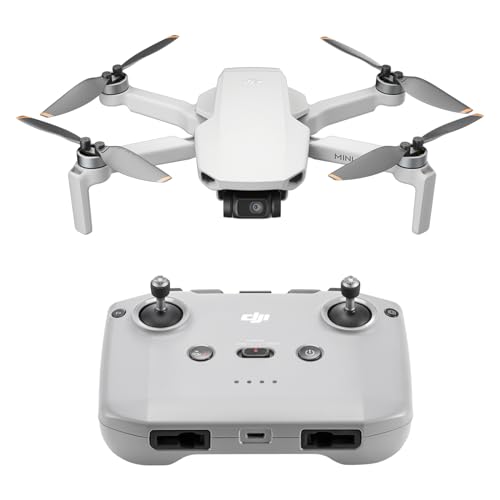
DJI Mini 4K: The Drone Expert Picks for Beginners

Every Budget Podcast Mic Guide: Find the Right Fit

Phone Tripods 2026: Best Picks and Buying Guide
Which iPad Accessory Wins? The Apple Pencil Pro Shortlist

How to Choose the Best Digital Photo Frames in 2026

Looking for the Best MagSafe Power Banks? Our 2026 Picks

7 Fast Chargers That Match Real Device Needs
