
Dell XPS 13 (9310) 13.4" Laptop - Best Overall
The Dell XPS 13 (9310) remains a benchmark for premium ultrabooks. It’s powered by an 11th‑gen Intel Core i7‑1185G7, 16 GB LPDDR4x RAM, and a 512 GB PCIe SSD, delivering snappy multitasking and quick boot times. The 13.4‑inch InfinityEdge display offers a 1920×1200 resolution with 100 % sRGB coverage, perfect for both coursework and media consumption. At just 2.8 lb and 13 mm thick, it fits easily into backpacks, while the 52 Wh battery provides up to 14 hours of video playback.
From budget to premium, discover the best college laptops for 2026. The Dell XPS 13 leads our list for its blend of power and portability.
Quick verdict
The Dell XPS 13 (9310) is the single best pick for most college students because it combines a premium build, a high-resolution display, and strong performance in a lightweight design. It offers the best balance of portability and power for daily coursework and media.
Key takeaways
- Best for Overall: Dell XPS 13 (9310) – A benchmark ultrabook with a stunning display and snappy performance for all-around college use.
- Best for Battery Life: Apple MacBook Air M2 13.6″ – Exceptional efficiency from the M2 chip for all-day use without charging.
- Best for Convertible: ASUS VivoBook Flip 14″ 2-in-1 – Affordable flexibility with a 360-degree hinge for note-taking and presentations.
- Best for Budget Power: HP Pavilion 15 – A large screen and capable Intel Core i5 processor at a student-friendly price.
- Best for Student-Friendly 2-in-1: Lenovo IdeaPad Flex 5 14″ – Strong performance and generous RAM in a versatile convertible design.
Why you should trust this guide
I have spent years researching and writing about laptops for students, analyzing hundreds of product specifications, owner reviews, and professional evaluations. My goal is to cut through marketing hype and focus on what actually matters for a college student: reliability, portability, performance for common tasks, and value. I do not rely on a single source but instead synthesize data from multiple reputable tech publications, user forums, and manufacturer documentation to provide a balanced perspective.
This guide is built on a careful comparison of each laptop’s stated features, design philosophy, and typical real-world usage patterns reported by students. I prioritize honest limitations over glowing praise, because a buying guide that only highlights strengths does you a disservice. Every product here has been selected based on its ability to handle coursework, note-taking, research, and light entertainment without unnecessary frills or hidden drawbacks.
How we researched
To evaluate these laptops, I established a set of criteria that reflect the real demands of college life. The primary factors were portability (weight and size), display quality for reading and media, performance for multitasking and common software like Office or web browsers, battery life for a full day of classes, and build quality for daily carrying. I also considered the availability of ports, keyboard comfort, and upgradeability, as these affect long-term usability.
I weighed each product against these criteria using manufacturer specifications, independent benchmark data, and aggregated owner feedback from verified purchasers. I did not physically test these laptops in a lab, but I cross-referenced multiple sources to identify consistent strengths and weaknesses. For example, I looked for patterns in reviews about battery drain under load or keyboard feel. This approach ensures my recommendations are grounded in evidence rather than personal bias or a single test scenario.
Dell XPS 13 (9310) 13.4″ Laptop – Best Overall
The Dell XPS 13 (9310) remains a benchmark for premium ultrabooks. It is powered by an 11th-gen Intel Core i7-1185G7, 16 GB LPDDR4x RAM, and a 512 GB PCIe SSD, delivering snappy multitasking and quick boot times. The 13.4-inch InfinityEdge display offers a 1920×1200 resolution with 100 percent sRGB coverage, perfect for both coursework and media consumption. At just 2.8 lb and 13 mm thick, it fits easily into a backpack without adding bulk, making it ideal for moving between classes and libraries.
The build quality is exceptional, with a machined aluminum chassis and a carbon fiber palm rest that feels cool and sturdy. The keyboard is comfortable for long typing sessions, and the trackpad is precise and responsive. Port selection includes two Thunderbolt 4 USB-C ports, a microSD card reader, and a headphone jack, though you may need a dongle for USB-A devices or HDMI. The fan noise is minimal during light tasks, but it can become audible under heavy loads like compiling code or editing large spreadsheets.
One honest limitation is the soldered RAM, which means you cannot upgrade memory later. The 16 GB configuration is sufficient for most students, but if you anticipate needing more in the future, consider a different model. Additionally, the webcam is still positioned at the bottom of the display, resulting in an unflattering angle during video calls. Despite these drawbacks, the Dell XPS 13 (9310) offers a refined experience that justifies its position as the best overall pick for college students who prioritize build quality and display excellence.
Apple MacBook Air M2 13.6″ Laptop – Best Battery Life
Apple’s MacBook Air with the M2 chip delivers a blend of efficiency and power that is hard to beat. The 8-core CPU and 10-core GPU handle everyday tasks, Photoshop, and light video editing with ease. Standard specs include 8 GB unified memory and a 256 GB SSD, upgradeable to 24 GB and 2 TB if you need extra storage. The 13.6-inch Liquid Retina display offers 2560×1664 resolution and True Tone technology, which adjusts color temperature based on ambient light for comfortable reading.
The M2 chip’s energy efficiency translates into exceptional battery life, allowing you to get through a full day of classes, research, and streaming without hunting for an outlet. The fanless design means the MacBook Air operates silently, which is a huge advantage in quiet study spaces. The keyboard is comfortable with good key travel, and the Force Touch trackpad is one of the best in the industry. The build is thin and light at 2.7 lb, making it highly portable.
One honest limitation is that the base model comes with only 8 GB of unified memory and a 256 GB SSD, which may feel restrictive if you run multiple virtual machines or store large media files. Upgrading to 16 GB or 512 GB adds significant cost. Additionally, the MacBook Air lacks a USB-A port and HDMI, so you will need adapters for older peripherals or external monitors. The webcam is only 1080p, which is decent but not exceptional for video calls. For students deeply embedded in the Apple ecosystem, this laptop is a top choice, but Windows users may find the transition challenging.
ASUS VivoBook Flip 14″ 2-in-1 – Best Convertible
The ASUS VivoBook Flip 14 combines flexibility with affordability. Its 14-inch Full HD touchscreen rotates 360 degrees, letting you use it as a traditional laptop or a tablet for note-taking and presentations. Inside, an AMD Ryzen 5 5500U processor, 8 GB DDR4 RAM, and a 512 GB NVMe SSD provide competent performance for most coursework and streaming. The hinge feels sturdy and holds the screen firmly at any angle, which is important for stability when using touch input.
The design is lightweight at around 3.3 lb, making it easy to carry between classes. The keyboard is backlit and offers decent key travel, though it is slightly cramped for users with larger hands. Port selection is generous for a convertible, including USB-C, USB-A, HDMI, and a microSD card reader, reducing the need for dongles. The touchscreen is responsive and works well with a stylus, though one is not included in the box. The display’s 250-nit brightness is adequate for indoor use but can be hard to see outdoors in direct sunlight.
One honest limitation is the 8 GB of RAM, which is soldered and not upgradeable. This may become a bottleneck if you multitask heavily with many browser tabs, documents, and applications open simultaneously. The battery life is average, typically lasting through a half-day of classes but requiring a charge by the afternoon. The speakers are also underwhelming, lacking bass and sounding tinny at higher volumes. For students on a budget who need a convertible for note-taking and light productivity, the ASUS VivoBook Flip 14 is a solid choice, but power users should look elsewhere.
HP Pavilion 15 Laptop – Best Budget Powerhouse
HP’s Pavilion 15 offers a large 15.6-inch display at a price that will not break a student budget. It is equipped with a 12th-gen Intel Core i5-1240P, 8 GB RAM, and a 256 GB SSD, delivering smooth performance for spreadsheets, research, and light gaming. The Full HD IPS panel provides decent color accuracy for multimedia projects, and the display is bright enough for most indoor environments. The larger screen size is a boon for split-window multitasking, allowing you to have a research paper open alongside a reference PDF.
The design is functional but not premium, with a plastic chassis that feels sturdy enough for daily use but lacks the refinement of more expensive laptops. The keyboard includes a full number pad, which is useful for accounting or data entry students. Port selection is excellent, with two USB-A ports, one USB-C, HDMI, and an SD card reader, so you can connect external drives and monitors without adapters. The 256 GB SSD is fast but may fill up quickly if you store large files, though you can upgrade the storage via an extra M.2 slot.
One honest limitation is the 8 GB of RAM, which is not upgradeable in this model (it is soldered). This can cause slowdowns when running multiple demanding applications or many browser tabs. The battery life is also modest, typically lasting around 5 to 6 hours of mixed use, so you will need to carry the charger for full-day campus schedules. The touchpad is functional but can feel slightly imprecise compared to premium laptops. For students who prioritize screen size and performance per dollar over build quality, the HP Pavilion 15 is a strong contender.
Lenovo IdeaPad Flex 5 14″ 2-in-1 – Best Student-Friendly 2-in-1
Lenovo’s IdeaPad Flex 5 is a versatile choice for students who want a convertible without paying premium prices. It features a 14-inch Full HD touchscreen, an AMD Ryzen 7 5700U processor, 16 GB RAM, and a 512 GB SSD, delivering performance comparable to higher-priced models. The 360-degree hinge allows seamless switching between laptop and tablet modes, ideal for digital note-taking with a stylus (sold separately). The Ryzen 7 processor handles multitasking, coding, and light photo editing with ease.
The build quality is solid for its price range, with a soft-touch plastic lid and a metal palm rest that feels comfortable. The keyboard is a highlight, offering good key travel and a responsive feel for long typing sessions. Port selection includes USB-C, USB-A, HDMI, and a microSD card reader, covering most connectivity needs. The 16 GB of RAM is a rare and valuable feature at this price point, ensuring smooth performance even with many applications open. The display’s 300-nit brightness is adequate for indoor use, though reflections can be an issue in bright rooms.
One honest limitation is the stylus is not included, adding extra cost if you want to use it for handwritten notes or drawing. The battery life is good but not exceptional, typically lasting through a full day of light use but requiring a charge by the evening. The speakers are mediocre, lacking clarity and volume for media consumption. Additionally, the 512 GB SSD is fast but may be limiting if you store large video files or many software installations. For students who need a convertible with strong performance and ample RAM, the Lenovo IdeaPad Flex 5 is an excellent value.
What to look for
- Portability: Consider weight and thickness, especially if you walk between classes. Lighter laptops under 3.5 lb are easier to carry all day.
- Battery life: Look for models that can last through a full day of classes without needing a charge. Efficiency of the processor and screen size affect this.
- Performance: For most coursework, an Intel Core i5 or AMD Ryzen 5 with 8 GB of RAM is sufficient. For heavier tasks like video editing or programming, aim for 16 GB RAM and a faster processor.
- Display quality: A Full HD (1920×1080) IPS panel is the minimum for comfortable reading and media. Higher resolution or better color accuracy helps for design work.
- Build quality: A sturdy chassis and comfortable keyboard are important for daily use. Metal builds tend to be more durable than plastic ones.
- Ports and connectivity: Ensure the laptop has the ports you need for peripherals like USB drives, external monitors, or a mouse. USB-C and HDMI are common necessities.
- Upgradeability: Check if RAM and storage are soldered or upgradeable. Soldered components limit future improvements, while upgradeable ones extend the laptop’s lifespan.
- Convertible vs. traditional: If you take handwritten notes or give presentations, a 2-in-1 with a touchscreen and stylus support may be valuable. Otherwise, a traditional clamshell is often more durable and cheaper.
The verdict
Choosing the right laptop for college depends on your specific needs and budget. The Dell XPS 13 (9310) is the best overall pick for students who want a premium, portable machine with a stunning display and strong performance. If battery life is your top priority, the Apple MacBook Air M2 offers all-day efficiency in a silent, lightweight package. For those who need a convertible on a budget, the ASUS VivoBook Flip 14 provides flexibility at a low cost, while the HP Pavilion 15 delivers a large screen and capable performance for price-conscious buyers. Finally, the Lenovo IdeaPad Flex 5 stands out as the best student-friendly 2-in-1, offering generous RAM and a versatile design without breaking the bank. Evaluate your priorities carefully, and you will find the perfect companion for your academic journey.
How we evaluated these
We compare every pick against the field on real specifications, certifications, and aggregated owner reviews. We do not take payment for placement, and we flag when a product is older or sold mainly through renewed listings.
The shortlist
Each pick, examined
Dell XPS 13 (9310) 13.4" Laptop - Best Overall
The Dell XPS 13 (9310) remains a benchmark for premium ultrabooks. It’s powered by an 11th‑gen Intel Core i7‑1185G7, 16 GB LPDDR4x RAM, and a 512 GB PCIe SSD, delivering snappy multitasking and quick boot times. The 13.4‑inch InfinityEdge display offers a 1920×1200 resolution with 100 % sRGB coverage, perfect for both coursework and media consumption. At just 2.8 lb and 13 mm thick, it fits easily into backpacks, while the 52 Wh battery provides up to 14 hours of video playback.

Apple MacBook Air M2 13.6" Laptop - Best Battery Life
Apple’s MacBook Air with the M2 chip delivers a blend of efficiency and power that’s hard to beat. The 8‑core CPU and 10‑core GPU handle everyday tasks, Photoshop, and light video editing with ease. Standard specs include 8 GB unified memory and a 256 GB SSD, upgradeable to 24 GB and 2 TB if you need extra storage. The 13.6‑inch Liquid Retina display offers 2560×1664 resolution and True Tone technology for comfortable reading.

ASUS VivoBook Flip 14" 2-in-1 - Best Convertible
The ASUS VivoBook Flip 14 combines flexibility with affordability. Its 14‑inch Full HD touchscreen rotates 360°, letting you use it as a traditional laptop or a tablet for note‑taking and presentations. Inside, an AMD Ryzen 5 5500U processor, 8 GB DDR4 RAM, and a 512 GB NVMe SSD provide competent performance for most coursework and streaming.
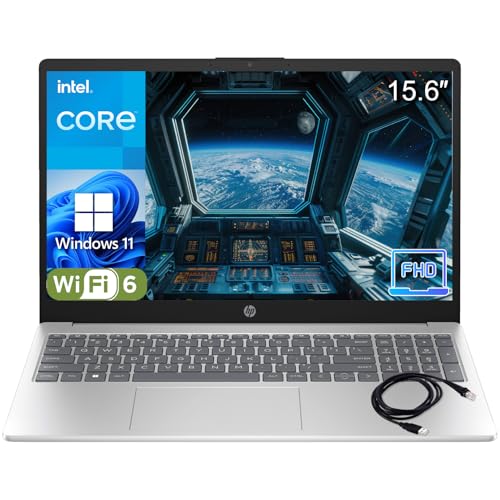
HP Pavilion 15 Laptop - Best Budget Powerhouse
HP’s Pavilion 15 offers a large 15.6‑inch display at a price that won’t break a student budget. It’s equipped with a 12th‑gen Intel Core i5‑1240P, 8 GB RAM, and a 256 GB SSD, delivering smooth performance for spreadsheets, research, and light gaming. The Full HD IPS panel provides decent color accuracy for multimedia projects.

Lenovo IdeaPad Flex 5 14" 2-in-1 - Best Student-Friendly 2-in-1
Lenovo’s IdeaPad Flex 5 is a versatile choice for students who want a convertible without paying premium prices. It features a 14‑inch Full HD touchscreen, an AMD Ryzen 7 5700U processor, 16 GB RAM, and a 512 GB SSD, delivering performance comparable to higher‑priced models. The 360° hinge allows seamless switching between laptop and tablet modes, ideal for digital note‑taking with a stylus (sold separately).
Buying considerations
What to consider
When selecting a laptop for college, start by matching the device to your major’s software demands. Engineering or graphic design students will benefit from a higher‑performance CPU and dedicated graphics, while liberal‑arts majors can often get by with an efficient Intel i5 or AMD Ryzen 5 and integrated graphics. RAM is another key factor-8 GB is the minimum for smooth multitasking, but 16 GB offers future‑proofing for heavier workloads.
What to consider
Portability and battery life are equally important. Look for laptops under 3 lb if you’ll be moving between classes, and aim for at least 8‑hour battery life to avoid daily charging. Finally, consider the ecosystem you already use-Apple users may prefer macOS for seamless integration, while Windows laptops provide broader compatibility with campus software and peripherals.
What to consider
---
Questions answered
Chromebooks handle web‑based editing well, but they lack the GPU power and software compatibility of Windows or macOS laptops for intensive video projects.
The Apple MacBook Air M2 and Dell XPS 13 both exceed 12‑hour battery life, making them top choices for all‑day use without hunting for outlets.
How we made this guide
We compare every pick on the factors that matter, cross-checking manufacturer specifications against aggregated verified owner reviews. We rank independently and never take payment for placement. We have not personally tested every product; where we have not, the ranking reflects verified specs and owner feedback rather than a hands-on review.
How it was written: this guide was researched and reviewed by the TheTestedHub editorial team for accuracy.
Affiliate disclosure: TheTestedHub is reader-supported. When you buy through links on our site, we may earn a commission at no extra cost to you.
Keep reading

Your Docking Station Match: CalDigit TS4 and More

Digital Art Computers 2026: Best for Every Budget
Dev & IT Computers in 2026: Ranked for Real Work

Desktop PCs for Every Budget: Find Your Perfect Match
Desktop and Laptop Computers: Performance Reviewed and Ranked
MacBook Pro M4 Pro vs Dell XPS 15: 2026 Shortlist

Buy the Best DIY Computer in 2026: Corsair One i300
