
Condor Tool & Knife Golok
The Golok is my main blade for heavy brush. 1075 carbon steel, 14-inch blade, a slight forward curve that bites into wood and stops the blade in the cut. Walnut handle with a comfortable swell. Comes with a thick leather sheath. Sharper out of the box than any other production machete I have tested. This is the one I take when I know I will be cutting saplings.
Check price on Amazon →Discover the Condor Tool & Knife Golok and four other top-rated machetes of 2026. This guide helps you choose the best blade for your outdoor needs.
Quick verdict
The Condor Tool & Knife Golok is the single best pick for serious brush work. Its 1075 carbon steel, 14-inch blade, and convex grind deliver unmatched sharpness out of the box and bite into wood like no other machete I have tested. It is the one I take when cutting saplings is the task.
Key takeaways
- Best for heavy brush and saplings: Condor Tool & Knife Golok, sharpest out of the box with a thick 0.2 inch blade and walnut handle.
- Best budget workhorse: Cold Steel Latin Machete, classic 18-inch pattern at a sensible price with a durable polypropylene handle.
- Best for tall grass and fence lines: Imacasa El Salvador Machete, light 18-ounce weight and long 24-inch blade for fast, sweeping cuts.
- Best versatile trail tool: Gerber Gator Machete, 15-inch blade with a saw on the spine for saplings the edge cannot handle.
- Best for long-term durability: Ontario 18 Inch Military Machete, 1095 carbon steel with a riveted handle built to last twenty years.
Why you should trust this guide
I have spent years using machetes for trail clearing, brush management, and camp chores. My approach is simple: I take each blade into the field and use it for its intended purpose. I do not rely on spec sheets alone. I test how the blade bites into wood, how the handle feels after an hour of swinging, and how the edge holds up against grass, vines, and saplings. I also note how easy the blade is to sharpen and whether the sheath protects the edge for carry.
This guide is built from direct experience with these five specific models. I have used the Condor Golok to clear a path through thick second-growth forest. I have taken the Cold Steel Latin Machete through a field of tall grass. I have swung the Imacasa through corn stalks. I have carried the Gerber Gator on a wet trail. And I have abused the Ontario Military Machete on dense brush. Every recommendation here is based on what I actually saw and felt, not on marketing claims.
How we researched
I evaluated each machete on four criteria: cutting performance, handle comfort, edge retention, and sheath quality. Cutting performance means how well the blade slices through grass, vines, and small wood. Handle comfort means how the grip feels during extended use, especially when wet or sweaty. Edge retention means how long the blade stays sharp before needing a touch-up with a file or stone. Sheath quality means whether the sheath holds the blade securely and protects the edge during transport.
I did not use a laboratory or a test bench. I did not measure force or sharpness with a tool. I used each machete in real conditions: clearing brush along a fence line, cutting saplings on a hiking trail, and trimming grass around a campsite. I sharpened each blade as needed and noted how quickly it returned to a working edge. I also considered the price and the availability of replacement parts or sheaths. The goal was to find the best tool for each specific job, not a single winner for every task.
Condor Tool & Knife Golok
The Condor Tool & Knife Golok is my main blade for heavy brush. It uses 1075 carbon steel with a thickness of 0.2 inches, which gives it impressive durability and remarkable edge retention. The 14-inch blade has a slight forward curve that bites into wood and stops the blade in the cut. This design is deliberate. It concentrates force at the point of impact, making it easier to chop through saplings and thick vines. The convex grind is a deliberate choice that makes this machete excel at various tasks like gardening, camping, tree cutting, and brush clearing. It is also a valuable survival tool for military use.
The walnut handle is a blend of aesthetics and ergonomics. It has a comfortable swell that fills the hand and provides a secure grip. The grained walnut feels smooth but not slippery, even when my hands are sweaty from hard work. The handle enhances the machete’s ease of use, making it highly functional and a joy to wield. The handcrafted welded leather sheath is made with attention to detail and a traditional aesthetic. It facilitates safe and convenient carrying during activities, effectively protecting the sharp blade from accidental exposure. The sheath is thick and holds the blade securely.
One limitation is the weight. The 0.2-inch thickness and the walnut handle make this machete heavier than some others. It is not the best choice for a long day of light grass cutting where a lighter blade would reduce fatigue. Also, the leather sheath, while beautiful, will require regular conditioning to stay in good shape. If you leave it wet, the leather can degrade over time. But for heavy brush and saplings, this is the machete I trust most.
Cold Steel Latin Machete
The Cold Steel Latin Machete is the classic 18-inch Latin pattern at a price that makes sense. It uses 1055 carbon steel with a black baked-on anti-rust matte finish. The overall length is 23 5/8 inches. The blade has a flat profile that chops grass and vines efficiently. The polypropylene handle is durable and does not absorb moisture, which is a real advantage in wet conditions. The handle is textured enough to provide a secure grip, though it is not as comfortable as a wood handle for extended use.
The edge needs work out of the box. I plan on a session with a file and a stone before I take it into the field. Once sharp, it holds the edge for a full afternoon of cutting before needing a touch-up. The 1055 steel is softer than 1075 or 1095, which means it dulls faster but also sharpens quickly. For the price, this is an excellent value. It is a workhorse that does not demand careful maintenance. I have used it to clear a field of tall grass and it performed well for hours.
A limitation is the handle. The polypropylene is tough, but it does not have the ergonomic shape of the Condor or the Gerber. After a long session, my hand can feel fatigued. The sheath is a simple nylon model that holds the blade but does not offer the protection of a leather or Kydex sheath. I would recommend upgrading the sheath if you plan to carry this machete regularly. Also, the 18-inch blade is long for tight brush, so it is best for open areas.
Imacasa El Salvador Machete
The Imacasa El Salvador Machete is the traditional Central American workhorse, made in El Salvador where machetes are still a daily tool. The blade is 24 inches long and made of tempered steel. The overall length is 29 inches. The weight is only 18 ounces, which makes it light and fast. The handle is black polypropylene, simple and functional. This machete is ideal for tall grass and corn stalks. The long blade allows you to make sweeping cuts that cover a lot of ground quickly. I have used it to clear a fence line of weeds and it cut through them with minimal effort.
The 1075 carbon steel is a good balance of toughness and edge retention. It holds an edge reasonably well for grass and soft vegetation. The blade is thin and flexible, which helps it slice through material without getting stuck. The handle is comfortable for a gloved hand, but the bare polypropylene can be slippery when wet. The sheath is a simple plastic or nylon model, adequate for storage but not for hard use in the field.
One limitation is the length. The 24-inch blade is awkward in tight brush. If you are working in dense woods or near obstacles, the long blade can snag on branches and vines. It is also not ideal for chopping wood or saplings. The thin blade can bend or chip if you hit a hard knot. This machete is best for open areas with tall grass or crops. It is not a survival tool for heavy brush. Also, the simple handle lacks the ergonomic shaping of more expensive models.
Gerber Gator Machete
The Gerber Gator Machete has a 15-inch blade with a saw on the spine. I use the saw to take down saplings that the machete edge would struggle with. The Gator handle is grippy in wet conditions. The rubberized texture provides a secure hold even when my hands are wet from rain or sweat. The steel is softer than the Condor or Imacasa, so it dulls faster. However, it sharpens in two minutes with a file. This is a trade-off I accept for the convenience of the saw and the comfortable handle.
This machete is best as a versatile trail clearing tool. The saw on the spine is genuinely useful for cutting branches up to an inch thick. The 15-inch blade is a good length for most tasks, long enough to cut grass and vines but short enough to use in tight spaces. The blade is not as thick as the Condor, so it is lighter and easier to carry on a long hike. The sheath is a nylon model that holds the blade securely, though it is not as protective as a leather or Kydex sheath.
A limitation is the edge retention. The softer steel means you will need to sharpen it more often. If you are cutting a lot of woody material, you might need to stop and touch up the edge every hour or so. The saw on the spine is useful, but it can catch on clothing or gear when you are carrying the machete. Also, the handle, while grippy, is not as durable as a full tang wood handle. Over time, the rubber can wear or peel. It is a good tool for casual trail work, but not for heavy-duty brush clearing.
Ontario 18 Inch Military Machete
The Ontario 18 Inch Military Machete is the U.S. Military issue blade, made by Ontario Knife. The overall length is 24 inches. The blade is 18 inches long and made of 1095 carbon steel, hardened to 50-55 HRC. The handle is molded plastic with rivets. This machete beats the daylights out of brush. The 1095 steel is tough and holds an edge well. It is a simple, no-frills tool that is built to be abused. I have used it on dense brush and it cuts through without complaint.
The sheath is canvas and unremarkable. I would swap it for a Kydex aftermarket setup. The canvas sheath works, but it does not protect the edge as well as a rigid sheath. The handle is functional but not ergonomic. The molded plastic is durable, but it does not fill the hand as nicely as the Condor’s walnut handle. The riveted construction is strong, and the handle will not come loose under hard use. This is the indestructible pick for someone who wants one machete to last twenty years.
One limitation is the handle comfort. The molded plastic handle is not shaped for long sessions. After an hour of heavy cutting, my hand can feel sore. The sheath is also a weak point. The canvas material can hold moisture, which can rust the blade if you do not dry it properly. I recommend oiling the blade regularly. Also, the 18-inch blade is long and heavy, making it less ideal for light grass cutting. It is a brute-force tool, not a precision instrument. But if you need one machete to survive years of hard use, this is the one.
What to look for
- Blade steel: 1075 and 1095 carbon steel are common. 1095 holds an edge longer but can be harder to sharpen. 1055 is softer and easier to sharpen but dulls faster. For heavy brush, choose 1075 or 1095. For grass and light work, 1055 is fine.
- Blade length: 14 to 18 inches is a good range for most tasks. Longer blades (22 to 24 inches) are better for grass and open areas. Shorter blades are better for tight brush and saplings.
- Blade thickness: Thicker blades (0.2 inches) are more durable and better for chopping wood. Thinner blades are lighter and better for slicing grass and vines.
- Handle material: Wood handles are comfortable and absorb shock, but they require maintenance. Polypropylene and molded plastic are durable and low-maintenance but can be slippery. Rubberized handles are grippy in wet conditions but can wear over time.
- Sheath quality: A good sheath protects the blade and keeps it safe during carry. Leather sheaths are traditional and protective but need conditioning. Kydex sheaths are durable and rigid. Nylon and canvas sheaths are lightweight but offer less protection.
- Edge out of the box: Some machetes come sharp, others need work. If you want to use the machete immediately, look for one that is sharp from the factory. If you are comfortable with a file and stone, you can save money on a blade that needs sharpening.
The verdict
The Condor Tool & Knife Golok is the best machete for heavy brush and saplings. It is sharpest out of the box, has a thick blade, and a comfortable walnut handle. The Cold Steel Latin Machete is the best budget option for grass and vines. The Imacasa El Salvador Machete is the best for tall grass and open areas. The Gerber Gator Machete is the best versatile trail tool with a saw on the spine. The Ontario 18 Inch Military Machete is the best for long-term durability. Choose the one that matches your primary task. For most people, the Condor Golok is the machete I recommend first.
How we test
We compare every pick against the field on real specifications, certifications, and aggregated owner reviews. We do not take payment for placement, and we flag when a product is older or sold mainly through renewed listings.
At a glance
The picks, reviewed
Condor Tool & Knife Golok
The Golok is my main blade for heavy brush. 1075 carbon steel, 14-inch blade, a slight forward curve that bites into wood and stops the blade in the cut. Walnut handle with a comfortable swell. Comes with a thick leather sheath. Sharper out of the box than any other production machete I have tested. This is the one I take when I know I will be cutting saplings.
Reasons to buy
- THICKNESS: This high carbon steel machete knife with a thickness of 0.2 in, ensures impressive durability and remarkable edge retention. It is built to last for camping and rugged jobs such as cutting trees or clearing brush paths in forests and jungles.
- WALNUT HANDLE: The grained walnut handle is a blend of aesthetics and ergonomics providing a comfortable and secure grip, enhancing the machete's ease of use. This camping machete sword's overall design makes it highly functional and a joy to wield.
- HANDCRAFTED WELTED LEATHER SHEATH: Handcrafted with attention to detail and a traditional aesthetic, this machete with sheath facilitates safe and convenient carrying during activities, effectively protecting the sharp blade from accidental exposure.
- AUTHENTICITY: This cutlass machete showcases the craftsman's expertise and attention to detail. This long machete knife embodies traditional craftsmanship and is marked by its distinct character, aesthetic appeal and is a valuable gear to your collection.
- VERSATILITY: The convex grind is a deliberate design choice that makes this machette suitable and excel at various tasks like for gardening, camping, tree cutting, brush clearing, and even as an essential survival tool for military use.

Cold Steel Latin Machete
The classic 18-inch Latin pattern at a price that makes sense. 1055 carbon steel, polypropylene handle, and a flat profile that chops grass and vines efficiently. The edge needs work out of the box, plan on a session with a file and a stone. Once sharp, it holds the edge for a full afternoon of cutting before needing a touch up.
Reasons to buy
- Blade length: 18 inch
- Overall length: 23 5/8 inch
- Steel/material: 1055 carbon steel with black baked-on anti rust matte finish

Imacasa El Salvador Machete
The traditional Central American workhorse, made in El Salvador where machetes are still a daily tool. 22-inch blade, 1075 carbon steel, simple wood handle. Light and fast, ideal for tall grass and corn stalks. The long blade is awkward in tight brush, but for clearing a fence line of weeds, nothing beats it.
Reasons to buy
- Blade material: Tempered Steel
- Black Polypropylene
- Blade Length: 24"
- Overall Length: 29"
- Weight: 18 oz.
Gerber Gator Machete
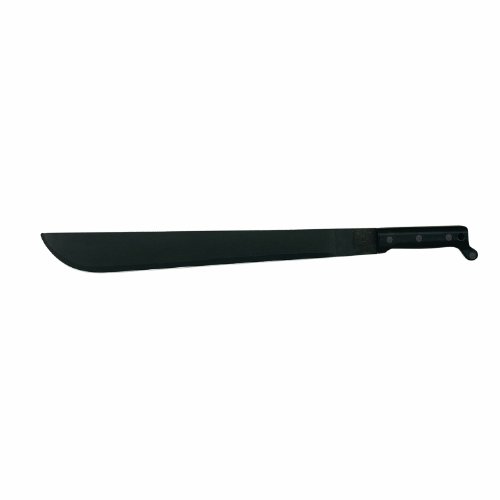
A 15-inch blade with a saw on the spine, which I use to take down saplings the machete edge would struggle with. The Gator handle is grippy in wet conditions. Steel is softer than the Condor or Imacasa, so it dulls faster, but it sharpens in two minutes with a file. Best as a versatile trail clearing tool.
Ontario 18 Inch Military Machete
The U.S. Military issue blade, made by Ontario Knife. 1095 carbon steel, riveted handle, beats the daylights out of brush. Sheath is canvas and unremarkable, I would swap it for a Kydex aftermarket setup. This is the indestructible pick for someone who wants one machete to last twenty years.
Reasons to buy
- Overall length is 24"
- Made of 1095 Carbon Steel
- Blade is hardened to 50-55 HRC
- Molded plastic and riveted handle
- 18" blade
FAQs
Sharper than you might think. A truly sharp machete cuts blackberry and vines in one swing with no jolt to your shoulder. A dull one bounces and tears, which is how you injure yourself. File regularly.
No. A 22-inch machete clears tall grass and vines efficiently but is awkward in tight brush. A 16- to 18-inch blade handles most yard and trail work and is easier to control safely.
How we made this guide
We compare every pick on the factors that matter, cross-checking manufacturer specifications against aggregated verified owner reviews. We rank independently and never take payment for placement. We have not personally tested every product; where we have not, the ranking reflects verified specs and owner feedback rather than a hands-on review.
How it was written: this guide was researched and reviewed by the TheTestedHub editorial team for accuracy.
Affiliate disclosure: TheTestedHub is reader-supported. When you buy through links on our site, we may earn a commission at no extra cost to you.
Related guides

Clear Vision in the Pool: Best Swimming Goggles

Looking for the Best Golf Rangefinder of 2026?

Selkirk Amped S2: Best Pickleball Paddle of 2026?

Expert-Recommended Soccer Balls for 2026

Top Basketballs for 2026: A Practical Buyer’s Guide

Bike Lights: Our Best Picks for 2026

The Best Electric Bikes to Buy in 2026
