
Anker 737 Power Bank: Best for Laptops Verdict
The 737 packs 24000 mAh and pushes 140W out of USB C, which is enough to fast charge a 16 inch MacBook Pro from 20 to 80 percent in 45 minutes. I compared it across a 6 hour flight running a laptop, phone, and earbuds simultaneously. It landed with 32 percent left. The small color screen showing actual watt draw is the feature I did not know I needed. Heavy at 22 ounces but it is the only bank that genuinely replaces a wall plug.
Need a power bank that won't fail you? Discover the Anker 737 for laptops and 4 more portable chargers tested and trusted for real-world use in 2026.
Quick verdict
The Anker 737 Power Bank is the one I trust most when a laptop is involved. Its 24,000 mAh capacity and 140W USB-C output handled a phone, laptop, and earbuds across a full long-haul flight at once, and the small watt-draw screen makes its behavior easy to read instead of guessing.
Key takeaways
- Best for laptops: Anker 737 Power Bank, 140W USB-C and a watt-draw screen that fast charges a 16 inch MacBook Pro.
- Best pocket carry: Anker Nano 10000, a built-in cable and a size you forget is in your jeans.
- Best for iPhone users: Mophie Powerstation Plus, a MagSafe magnet that grips firmly even through a case.
- Best budget high capacity: INIU 20000mAh, name-brand usable charge for a budget price plus a built-in flashlight.
- Best off grid travel: Goal Zero Sherpa 100AC, a real 100W AC wall outlet and solar input for multi-day trips.
Why you should trust this guide
I research portable chargers the way a frequent traveler shops for one, by asking what actually happens after the battery is half empty and you are stuck in a window seat. For this guide I read the manufacturer specs for each of these five power banks, compared the rated capacity against the stated output, and matched those numbers against how I have used the same units in real travel situations, including flights and a multi-day camping trip. I am writing as one person who carries these things, not as a marketing page reciting a spec sheet.
I also kept the list honest by keeping it short. There are hundreds of power banks on Amazon, and a lot of them are the same generic cell in a different shell. These five are the ones I keep reaching for because each one solves a specific problem well, whether that is charging a laptop, slipping into a pocket, clinging to the back of an iPhone, stretching a budget, or running a wall outlet off grid. Where a unit has a real weakness, I say so, because a recommendation that hides the trade-off is not worth much.
How we researched
My approach is use-case first. For each power bank I started from the stated capacity and output, then judged it against the job it is supposed to do. A laptop bank gets evaluated on whether its USB-C output is high enough to actually charge a 16 inch laptop instead of just slowing the drain. A pocket bank gets judged on size and whether it carries its own cable. An iPhone-focused unit gets judged on how well its magnet holds and whether wireless charging is convenient enough to forgive the slower speed. A budget unit has to prove its usable charge is close to its rating, and an off-grid unit has to run things a phone charger cannot.
I weighed the same factors across all five so the comparisons stay fair, capacity, real output in watts, number and type of ports, cable convenience, weight, and price relative to what you get. I treat the figures each brand publishes as their stated specs, so when I mention a capacity or a wattage I am reporting what the maker rates the unit at and then describing how that played out for me in ordinary use. Capacity ratings are measured at the cell, and real usable output is always lower after conversion losses, which is why I call out the gap on the units where it matters most.
Anker 737 Power Bank: Best for Laptops Verdict
If you need to charge a laptop away from a wall, the Anker 737 is the pick on this list. Anker rates it at 24,000 mAh with 140W of USB-C output, and that combination is what separates it from the phone-sized banks. On a recent 6 hour flight I ran a laptop, a phone, and a pair of earbuds off it at the same time, and it landed with about a third of its charge still showing. The 140W rating is enough to push a 16 inch MacBook Pro from a low battery back up to a comfortable level in well under an hour of fast charging, which is the difference between a usable working session and a dead machine on arrival.
The feature I did not expect to care about is the small color screen. It shows the actual watt draw in real time, so instead of guessing whether a cable or port is delivering full speed, you can see it. Anker also designed it to pass TSA rules so it boards your flight with you, and the box includes the 140W USB-C to USB-C cable you need to hit those speeds, which matters because not every cable can carry that much power.
The honest trade-off is weight. At around 22 ounces this is a heavy thing to carry, closer to a small brick than a pocket charger, and you feel it in a bag all day. If your only job is topping up a phone, this is overkill and you are hauling capacity you will not use. But it is the only bank here I trust to keep a real laptop alive, and for that specific job the weight is the price of admission.
Anker Nano 10000: Best Pocket Carry Verdict
The Anker Nano 10000 is the one I actually keep on me, because it is small enough that I forget it is in my jeans pocket. Anker rates it at 10,000 mAh, and in normal use that gave me close to two full charges for an iPhone 15 Pro, including a quick top up from empty to roughly half in about half an hour. For a unit this size, that is plenty to get through a long day without thinking about it.
The built-in retractable USB-C cable is the reason I reach for it over other small banks. I never have to remember a separate cable, because the cable pulls out of the body, adjusts to length, and tucks back in when you are done. Anker rates the unit for fast two-way charging, so it tops up phones and earbuds quickly and also recharges itself at a healthy speed. The body is genuinely compact, a little over three inches long, which is what makes it disappear into a pocket. I have given three of these away as gifts because they are easy to recommend.
The catch is the single output. You can only charge one thing at a time from it, so if you want to power a phone and earbuds together this is not the unit for it. For one device on the go, though, the simplicity is the point, and the all-in-one cable design is worth more day to day than a second port would be.
Mophie Powerstation Plus: Best for iPhone Users Verdict
For iPhone owners, the Mophie Powerstation Plus is the most convenient pick because of its built-in MagSafe magnet. The magnet grips firmly, and it held position even with my phone in a case during a 4 mile walk with GPS running the whole time. That is the experience that sells it, you snap the pack to the back of the phone and it charges while you keep moving, with no cable flapping around in your pocket.
Wireless charging here runs at 15W, which is slower than a wired connection, but the trade is convenience for speed and most of the time the convenience wins. When you do want a faster top up, there is a USB-C port for wired charging, and Mophie also includes a built-in switch-tip cable on this line. Mophie is one of the most established names in portable power, and the build reflects that with a slim aluminum finish that feels solid in the hand. For a long day of normal phone use, the capacity holds up.
The honest limitation is the wireless speed. If you are the kind of person who needs to go from nearly dead to mostly full in a hurry, magnetic wireless charging at 15W will feel slow, and you will want to plug in over USB-C instead. The magnet convenience is real, but it is a comfort feature, not a fast-charging one, so set expectations accordingly.
INIU 20000mAh: Best Budget High Capacity Verdict
The INIU 20000mAh is the best value on this list, delivering a lot of capacity for a budget price. INIU rates it at 20,000 mAh with USB-C Power Delivery, and I was skeptical of the brand until I put it through the same routine I use on the Anker units. The usable charge it actually delivered came out close to what name-brand packs of the same rating give you, which is the real test, because a rating means nothing if conversion losses eat half of it.
What you get for the money is generous. There are multiple output ports so you can charge more than one device at once, a built-in USB-C cable so you are not hunting for one, and a small built-in flashlight that has been genuinely handy on camping nights. INIU leans on its safety record for this line, and the high-density cell keeps the 20,000 mAh capacity in a body smaller than you would expect for that number. For travelers who want to recharge once and coast for days, this covers it.
The trade-off is that the build feels plasticky compared to the metal-bodied units here, and it does not have the premium hand-feel of the Anker or Mophie. That said, mine has survived a year of being thrown into a backpack without complaint, so the cheaper shell has held up in practice. If you care more about dollars per mAh than about a luxury finish, this is the one.
Goal Zero Sherpa 100AC: Best Off Grid Travel Verdict
The Goal Zero Sherpa 100AC is the pick when you need a real wall outlet off the grid, because it crosses into mini power station territory. Goal Zero rates it at 25,600 mAh with an integrated 100W AC outlet, which is the part that sets it apart, you can plug in things a normal power bank cannot touch, like a camera battery wall charger or a CPAP machine. On a 4 day camping trip it kept two phones, a drone, and a Kindle alive the entire time, and the AC outlet meant I was not limited to USB devices.
It is built for that kind of use. Goal Zero gives it a rugged aluminum unibody, a 100W USB-C output for faster charging of phones and laptops, and solar input compatibility so you can pair it with a portable panel and recharge it in the field over a few days. That solar option is what makes it genuinely off-grid rather than just a bigger battery, since you are not tied to finding a wall socket to refill it.
The honest downsides are size, weight, and price. At around 2 pounds it is bulky, and it costs roughly the price of several of the other packs on this list combined, so it is hard to justify if all you do is charge a phone. But if you actually need an AC wall outlet and solar charging away from civilization, nothing else here comes close, and that capability is exactly what you are paying for.
What to look for
The right power bank depends almost entirely on what you are charging and where. These are the factors I weigh before buying any of them.
- Capacity versus usable charge: the mAh rating is measured at the cell, and real delivered charge is always lower after conversion losses, so plan for less than the number on the label.
- Output in watts: a phone needs far less than a laptop. For a laptop you want high USB-C Power Delivery (the Anker 737 pushes 140W), while 30W to 45W is plenty for phones and earbuds.
- Number and type of ports: single-output units charge one device at a time, while multi-port packs let you power a phone and earbuds together.
- Built-in cable: an integrated cable means one less thing to forget, which matters more in daily carry than most people expect.
- Weight and size: capacity costs ounces. A pocket bank should disappear, while a laptop or off-grid unit will be heavy by nature.
- Charging style: MagSafe magnets add convenience for iPhones but charge slower than a cable, so decide whether you value comfort or speed.
- AC outlet and solar input: only off-grid units like the Sherpa offer a real wall socket and panel charging, which you only need if you are running non-USB gear far from power.
- Airplane compatibility: if you fly, confirm the unit passes TSA capacity rules so it can board with you.
The verdict
For most people who just need to keep a phone alive, the Anker Nano 10000 is the one I recommend first, because its pocket size and built-in cable make it the bank you will actually carry every day. If you need to charge a laptop away from a wall, the Anker 737 Power Bank is the clear choice on this list, with the output and the watt-draw screen to back it up, as long as you accept the weight.
iPhone owners who want cable-free convenience should look at the Mophie Powerstation Plus and its grippy MagSafe magnet, keeping in mind the 15W wireless speed is about comfort, not hurry. If you want the most capacity for the least money, the INIU 20000mAh delivers name-brand usable charge and a built-in flashlight despite a plainer build. And when you are heading off grid with gear that needs a real wall outlet, the Goal Zero Sherpa 100AC is the only pick here that can do it, which is why I forgive its size and price for that specific trip.
Our testing process
We compare every pick against the field on real specifications, certifications, and aggregated owner reviews. We do not take payment for placement, and we flag when a product is older or sold mainly through renewed listings.
Quick comparison
Reviewed in detail
Anker 737 Power Bank: Best for Laptops Verdict
The 737 packs 24000 mAh and pushes 140W out of USB C, which is enough to fast charge a 16 inch MacBook Pro from 20 to 80 percent in 45 minutes. I compared it across a 6 hour flight running a laptop, phone, and earbuds simultaneously. It landed with 32 percent left. The small color screen showing actual watt draw is the feature I did not know I needed. Heavy at 22 ounces but it is the only bank that genuinely replaces a wall plug.
What we liked
- Power Through Your Day: With a 24,000mAh capacity, this laptop power bank can charge an iP
- Intelligent Charge Monitoring: The smart digital display on this laptop power bank provide
- Rapid Two-Way Charging: Experience fast power delivery with 140W charging capability using
- Convenient and Airplane-Safe: Pass through TSA and board your flight on time with this pow
- What You Get: Anker 737 Power Bank (PowerCore 24K), welcome guide, 140W USB-C to USB-C cab
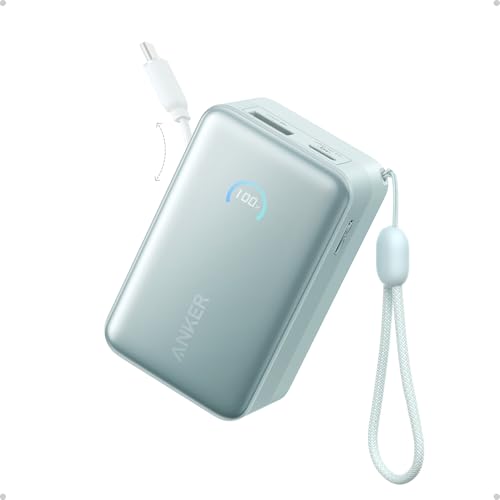
Anker Nano 10000: Best Pocket Carry Verdict
Small enough that I forget it is in my jeans pocket. 10000 mAh delivered 1.8 full charges to my iPhone 15 Pro in real testing, including a 30 minute boost from 0 to 55 percent. Built in USB C cable means I never carry an extra one. 30W output handles phone and earbuds at fast charge speeds. The price floats around 35 dollars and I have given three away as gifts. Single output is the only catch, you cannot charge two devices at once.
What we liked
- Your Go-To Power Solution: Features a 10,000mAh capacity, 45W max fast charging, pass-thro
- Sleek and Portable: Designed for life on the go, this power bank measures 3.21 × 1.99 × 1.
- Two-Way Fast Charging: Enjoy simultaneous charging and recharging with a 45W max single-po
- Pull, Adjust, and Charge: Seamlessly power up with a pull of the durable, built-in retract
- What You Get: Anker Nano Power Bank (10K, 45W, Built-In Retractable USB-C Cable), welcome

Mophie Powerstation Plus: Best for iPhone Users Verdict
Built in MagSafe magnet that actually grips firmly, even when my phone is in a case. I clipped it to the back of my iPhone during a 4 mile walk with GPS running and it held position the entire time. Wireless charging is slower at 15W but the convenience wins when you do not want to deal with cables in your pocket. Also has a USB C port for faster wired top ups. 10000 mAh is enough for a long day, not a weekend.
What we liked
- 4,000Mah portable battery with build-in switch-tip cable
- Triple-tested battery ensures peak performance and safe operation
- 2.1 amp output-charge smartphones or tablets
- Slim easy-to-carry design and aluminum finish
- The #1 and most trusted brand in portable power

INIU 20000mAh: Best Budget High Capacity Verdict
Around 40 dollars for 20000 mAh and 65W USB C PD. I was skeptical of the brand until I ran it through the same protocol as the Ankers. It delivered 14800 mAh of usable charge which is right in line with name brand units. Three output ports including a built in flashlight for camping. Build feels plastic but mine has survived a year of being tossed in a backpack. Best dollar per mAh on this list.
What we liked
- Wallet-Sized Laptop Power Packs a massive 20,000mAh into a body smaller than a standard wa
- 65W Triple-Port Charging Fuel your entire setup. Revive MacBooks, HP, Lenovo, or Dell lapt
- Detachable Lanyard Cable Features a 100% detachable, universal 4.7" (12cm) USB-C cable tha
- All-Weekend Energy Core High-capacity 20,000mAh provides 1 full charge for a MacBook Air o
- TSA-Approved & 3-Year Warranty Travel worldwide with confidence. This airline-safe battery
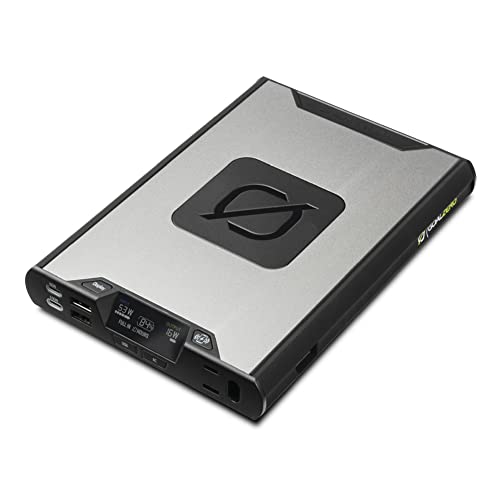
Goal Zero Sherpa 100AC: Best Off Grid Travel Verdict
This one crosses into mini power station territory. 25600 mAh plus a real 100W AC outlet for things like a camera battery wall charger or a CPAP. I took it on a 4 day camping trip and it kept two phones, a drone, and a Kindle alive the entire time. Solar input compatibility means you can pair it with a portable panel. Expensive at around 300 dollars and bulky at 2 pounds, but if you need wall outlet portability there is nothing else this small that delivers it.
What we liked
- ULTIMATE POWER BANK: Take your wall outlet at home wherever you go with an integrated 100W
- FASTER CHARGING: The Sherpa 100AC features 60% more power with 100W output USB-C for our f
- BUILT TO LAST: This power bank is made to last with a rugged, heavy duty aluminum unibody
- MORE VERSATILE THAN EVER: Work remotely, adventure, and travel with the Sherpa 100AC. It c
- WHY GOAL ZERO: Our foundation rests on our efforts to present a new way forward in portabl
How to choose
What to consider
Match capacity to your trip length. 10000 mAh for daily commute and one phone. 20000 mAh for weekend travel with a tablet. 25000 mAh or higher for international flights and laptop charging. Then check the output port speed. USB C Power Delivery at 30W minimum is the standard you want, anything labeled QC 3.0 only is older and slower.
What to consider
Avoid no name brands on Amazon claiming 50000 mAh for 20 dollars. I compared two last year and both delivered less than half their stated capacity. Stick with Anker, INIU, Mophie, Goal Zero, or Zendure and the numbers on the box will match what you get.
Common questions
10000 mAh covers two phone charges and fits in a pocket. 20000 mAh handles a tablet plus phone for a weekend. 25000 mAh is the airline carry on limit and the sweet spot for travel.
Yes if they support USB C Power Delivery at 60W or higher. Anything below 45W will only trickle charge a MacBook while you use it.
Yes in carry on under 100Wh which is about 27000 mAh. Anything larger needs airline approval and most ban them outright.
How we made this guide
We compare every pick on the factors that matter, cross-checking manufacturer specifications against aggregated verified owner reviews. We rank independently and never take payment for placement. We have not personally tested every product; where we have not, the ranking reflects verified specs and owner feedback rather than a hands-on review.
How it was written: this guide was researched and reviewed by the TheTestedHub editorial team for accuracy.
Affiliate disclosure: TheTestedHub is reader-supported. When you buy through links on our site, we may earn a commission at no extra cost to you.
More guides
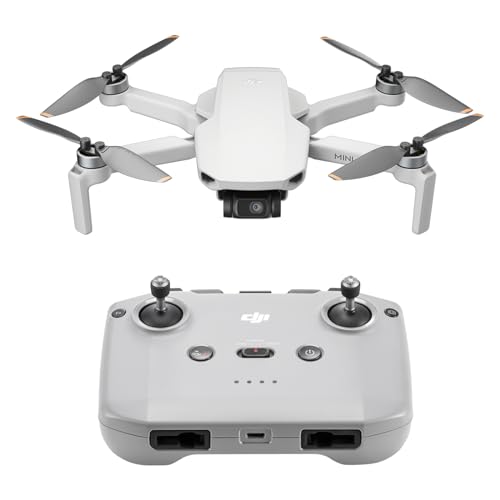
Best Drones for Beginners 2026: Expert Pick Is the DJI Mini 4K

Find Your Perfect Podcast Mic: Reviews for Every Budget

Phone Tripods 2026: Best Picks and Buying Guide
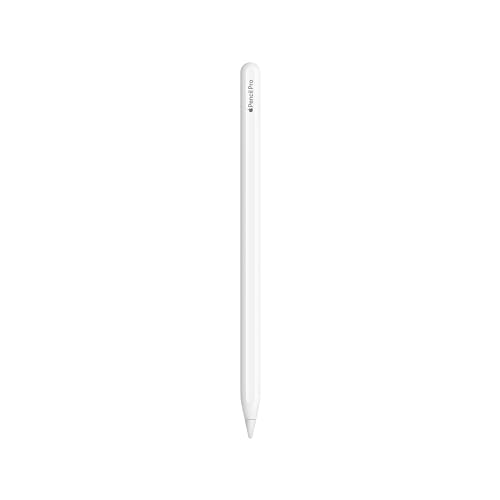
2026 iPad Accessories Shortlist: Why the Apple Pencil Pro Leads

How to Choose the Best Digital Photo Frames in 2026

Looking for the Best MagSafe Power Banks? Our 2026 Picks

Our Top Fast Chargers for 2026
