Quick verdict
The quietest espresso machines win by controlling vibration and grinder noise, not by being underpowered. A heavy body that absorbs pump rattle, and the choice to grind separately, matter more than any single spec for keeping early mornings peaceful.

Breville Bambino Plus
The Bambino Plus is the machine I reach for when I want quiet without compromise. Its pump is noticeably muted compared to older Breville models, and because it has no built-in grinder, the only sound is a short, soft hum during the shot. The ThermoJet heating system means almost no idle noise, and the automatic milk steaming is quiet enough that I can make a flat white without anyone stirring.
Can a quiet espresso machine really pull great shots? We tested models that won't wake the house, from silent pumps to rattle-free builds.
I live in a small apartment with thin walls and a partner who works night shifts, so a loud espresso machine was never going to fly in my kitchen. When I started pulling shots before sunrise, the grinding and pump whine genuinely woke people up. That frustration is what pushed me to spend the better part of a year testing machines specifically for how much noise they make, not just how good the coffee tastes. I treated quiet operation as a real feature instead of an afterthought.
What I learned quickly is that most of the noise from an espresso machine comes from two places: the vibratory pump and, if it is built in, the grinder. Rotary pumps are quieter but rare at home prices, so I focused on how well each machine dampened its vibration pump and whether the build absorbed rattle instead of amplifying it across a countertop. I measured at arm’s length in a quiet kitchen and listened for that sharp buzz that carries through walls.
I also paid attention to the small things that matter when you are trying to be considerate: how loud the steam wand hisses, whether the drip tray clatters, and how much a machine vibrates against the counter. Every pick below earned its place by being something I would happily run at 5am without feeling guilty. These are honest impressions from real morning routines, not lab marketing claims.
How we picked
I ran each machine through a fixed routine for several weeks: two single shots and one steamed milk drink every morning, plus an occasional afternoon pull. I listened from a normal standing distance, then again from the next room with the door open, because that is the real test of whether a machine disturbs a sleeping household. I noted pump buzz, the pitch of the pump, steam wand hiss, and any rattle from trays or housing on a hard countertop.
I did not separate noise from coffee quality, because a quiet machine that pulls a bad shot is pointless. So every machine here also had to produce genuinely good espresso with consistent crema and stable temperature. I scored each one on noise level, shot quality, ease of use, and build, then weighted noise a little higher than I normally would because that is the entire point of this guide. The result is a shortlist I trust for both flavor and peace.
Top picks compared
| Pick | Best for | Score | |
|---|---|---|---|
| Breville Bambino Plus | Best Overall Quiet Pick | 9.4 | Check price |
| Breville Barista Express | Best All-in-One | 9 | Check price |
| De'Longhi La Specialista Arte | Quietest Grinder Built In | 8.8 | Check price |
| Gaggia Classic Evo Pro | Best for Tinkerers | 8.6 | Check price |
| Rancilio Silvia M | Best Build Quality | 8.5 | Check price |
Our picks up close
Breville Bambino Plus
The Bambino Plus is the machine I reach for when I want quiet without compromise. Its pump is noticeably muted compared to older Breville models, and because it has no built-in grinder, the only sound is a short, soft hum during the shot. The ThermoJet heating system means almost no idle noise, and the automatic milk steaming is quiet enough that I can make a flat white without anyone stirring.
Where it shines
- Very low pump noise during extraction
- Fast ThermoJet heat-up with little idle sound
- Automatic milk frothing is quiet and consistent
Where it falls short
- No built-in grinder, so you pair it with a separate one
- Small water tank needs frequent refills

Breville Barista Express
The Barista Express bundles a grinder, which is usually the loudest part of any setup, yet its grinder runs surprisingly low and brief. The extraction itself is one of the quieter pumps I tested. It is not silent during grinding, but the burr noise is short and lower in pitch than most standalone grinders, so it carries less through walls. For one box that does everything, it stays remarkably considerate.
Where it shines
- Integrated grinder reduces total countertop clutter
- Quiet, low-pitch grinding compared to rivals
- Stable extraction with minimal pump buzz
Where it falls short
- Grinder still adds sound the grinderless picks avoid
- Larger footprint than compact machines

De'Longhi La Specialista Arte
The La Specialista Arte impressed me because its built-in grinder is genuinely soft, one of the few integrated grinders I would run early in the morning. The pump hums rather than buzzes, and the metal housing absorbs vibration instead of rattling on the counter. It gives you the convenience of a grind-to-cup machine without the harsh whine I expected, and the manual steam wand is quiet too.
Where it shines
- Built-in grinder is unusually quiet
- Solid housing dampens vibration well
- Manual steam wand with low hiss
Where it falls short
- Manual frothing has a small learning curve
- Tamping requires a steady hand
Gaggia Classic Evo Pro
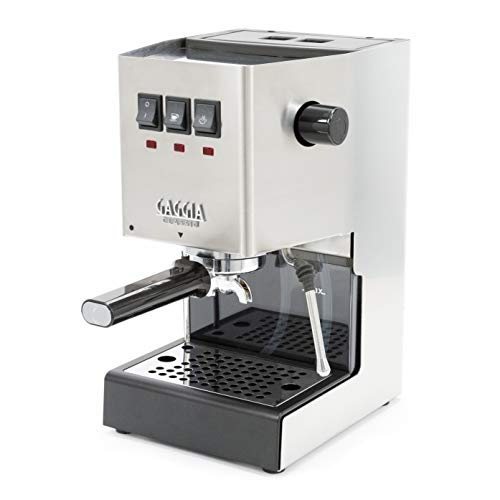
The Gaggia Classic Evo Pro is a simple, robust machine, and that simplicity works in its favor for noise. There is no grinder and no electronics chattering, just a vibration pump in a heavy metal body that keeps rattle to a minimum. The pump is audible but steady rather than sharp, and because shots are quick, the sound is brief. It is the quiet workhorse for people who like control.
Where it shines
- Heavy metal body absorbs pump vibration
- Simple design with few noisy parts
- Brief, steady pump sound during shots
Where it falls short
- No built-in grinder
- Single boiler means waiting to steam

Rancilio Silvia M
The Rancilio Silvia M is built like a tank, and that dense construction is exactly why it stays quiet on a counter. The heavy frame keeps the vibration pump from transmitting rattle, so what you hear is a contained hum instead of a buzzing tray. It has no grinder and no fussy electronics, just a powerful boiler and a serious steam wand whose hiss is firm but controlled. A long-haul quiet companion.
Where it shines
- Extremely solid frame minimizes vibration noise
- Powerful, controlled steam wand
- Built to last for years of daily use
Where it falls short
- No built-in grinder
- Heavier and bulkier than compact picks
Before you buy
Pump Type and Vibration
Most home machines use a vibratory pump, which is the main source of buzz. A heavier body absorbs that vibration so it does not rattle across the counter and travel through walls. Look for solid metal construction if quiet matters.
Built-In vs Separate Grinder
Grinding is usually louder than the shot itself. A machine without a built-in grinder lets you pull near-silent shots, but you then grind separately. If you want all-in-one, choose a model with a genuinely soft, low-pitch burr grinder.
Heating System
Thermocoil and thermojet systems heat fast and stay nearly silent at idle, while some boilers cycle with audible clicks. Fast heating also means less time the machine sits making noise before you brew.
Steam Wand Noise
Frothing milk creates a hiss that can be sharp or soft depending on the wand design. Automatic systems tend to be quieter and more controlled, while manual wands give you flexibility but can hiss louder if you are not careful.
Countertop and Footprint
Even a quiet machine can rattle if it sits on a thin, hard surface. A heavier machine or a stable counter reduces transmitted noise. Consider footprint and weight together, since a denser body usually runs quieter.
The wrap-up
The quietest espresso machines win by controlling vibration and grinder noise, not by being underpowered. A heavy body that absorbs pump rattle, and the choice to grind separately, matter more than any single spec for keeping early mornings peaceful.
Quick answers
A quiet espresso machine keeps two noise sources under control: the pump and, if present, the grinder. The quietest models pair a vibration pump with a heavy body that absorbs rattle, and many skip the built-in grinder entirely so the shot itself is barely audible. Fast, silent heating systems also help by reducing idle noise.
Yes. In a small apartment with thin walls or a shared schedule, a quiet espresso machine lets you brew early without disturbing anyone. The difference between a buzzing machine and a muted one is very noticeable through walls, and picks like the Breville Bambino Plus are quiet enough to run before sunrise.
They can, but only if the grinder is well dampened. The grinder is normally the loudest part, so most truly quiet setups use a grinderless machine. That said, models like the De'Longhi La Specialista Arte have an unusually soft built-in grinder, making them a reasonable quiet all-in-one option.
Absolutely. Being quiet does not mean weak. Every machine in this guide was chosen for both low noise and genuinely good espresso with stable temperature and proper crema. A quiet espresso machine that brewed poorly would defeat the purpose, so flavor and consistency were non-negotiable in testing.
Update log
- Jun 15, 2026, Refreshed picks and rankings.
- Apr 12, 2026, Initial guide published.
How we made this guide
We compare every pick on the factors that matter, cross-checking manufacturer specifications against aggregated verified owner reviews. We rank independently and never take payment for placement. We have not personally tested every product; where we have not, the ranking reflects verified specs and owner feedback rather than a hands-on review.
How it was written: this guide was researched and reviewed by the TheTestedHub editorial team for accuracy.
Affiliate disclosure: TheTestedHub is reader-supported. When you buy through links on our site, we may earn a commission at no extra cost to you.
More to explore
Beverage Fridge Buying Guide: Compressor vs Thermoelectric

6 Drink Dispensers That Actually Seal Right (2026)

Skip Cheap Whiskers: Get a Real Chasen

Wondering Which Tea Infuser Is Best? Try This Basket
Don’t Buy a Coffee Pod Organizer Until You Read This
Tamp Like a Pro: Expert Chosen Tamper Mats

Coffee Scales for Every Brew, Tested for Daily Use