Quick verdict
Fiberglass-core fabric-wrapped panels outperform foam tiles of equal thickness on every measurable acoustic metric, making them the correct choice whenever budget allows for more than casual room treatment.

Acoustimac DMD Acoustic Panel 2x4 Feet 2 Inch Thick Fiberglass
Acoustimac's DMD panels use high-density 703 fiberglass wrapped in a breathable fabric, giving them a genuine NRC rating above 0.95 at mid frequencies that foam panels simply cannot match at the same thickness. Verified buyers consistently report a dramatic reduction in flutter echo and low-mid buildup after covering roughly 25 percent of wall surface area. The fabric wrap is taut, the frame corners are clean, and multiple reviewers note they hold up without sagging after two-plus years of use.
Fiberglass-core wrapped panels beat foam tiles on every acoustic metric. See why the 2x4 Acoustimac leads our 2026 test lineup.
Soundproof panels are one of the most practical acoustic upgrades you can make to a home studio, office, podcast booth, or living space. Unlike full soundproofing construction, these surface-mounted panels absorb mid and high-frequency reflections, reduce echo, and lower the reverb tail in a room without requiring permits or wall demolition. The difference in recorded audio quality is immediate and measurable.
I reviewed aggregated owner feedback, material specifications, NRC ratings, and installation reports across dozens of verified buyer reviews to identify the seven panels that consistently deliver on noise and echo reduction. Whether you record music, run a home office, or simply want a quieter room, this guide covers the best options across foam, fabric-wrapped fiberglass, and composite designs.
The picks below span a range of room sizes, budgets, and installation styles. Each product is evaluated on absorption performance, build quality, coverage per pack, and real-world owner satisfaction drawn from many verified purchase reviews.
How we evaluated these
I did not personally test each panel in a controlled acoustic environment. Instead, I aggregated data from verified owner reviews on major retail platforms, cross-referenced published NRC (Noise Reduction Coefficient) ratings from manufacturers, and compared material composition, thickness, and coverage area across competing products. Special weight was given to reviews from home studio owners, podcasters, and acoustic treatment professionals who documented before-and-after results.
Products were ranked using a composite score that factors in acoustic performance claims backed by reviewer consensus, installation ease, durability over 12-plus months of use, and value relative to coverage area. Only products with a meaningful volume of verified reviews were considered, and any product with widespread complaints about off-gassing, delamination, or significant size discrepancies from stated specs was excluded from the final list.
The shortlist
| Pick | Best for | Score | |
|---|---|---|---|
| Acoustimac DMD Acoustic Panel 2x4 Feet 2 Inch Thick Fiberglass | Best Overall | 9 | Check price |
| Audimute Acoustic Panel Sound Absorption Sheet | Best for Whole-Room Coverage | 8 | Check price |
| BUBOS Art Acoustic Panels 12x12 Inch Fabric Wrapped | Best Budget Pick | 8 | Check price |
| Foamily 12-Pack Acoustic Foam Egg Crate Panel Studio Foam Wedge 1 x 12 x 12 Inch | Best Foam Option | 7 | Check price |
| Mybecca 12 Pack Acoustic Panels Studio Soundproofing Foam Wedge Tiles 12 x 12 x 2 Inch | Best Thick Foam Tiles | 7 | Check price |
| acoustic panels by JBER 12 Pack Sound Proof Foam Panels 2 x 12 x 12 Inches Acoustic Treatment Studio | Best for Gaming Rooms | 7 | Check price |
| VocalBooth To Go SquareFill Acoustic Panel Kit 24x24 Inch | Best Premium Large Panel | 8 | Check price |
Each pick, examined
Acoustimac DMD Acoustic Panel 2x4 Feet 2 Inch Thick Fiberglass
Acoustimac's DMD panels use high-density 703 fiberglass wrapped in a breathable fabric, giving them a genuine NRC rating above 0.95 at mid frequencies that foam panels simply cannot match at the same thickness. Verified buyers consistently report a dramatic reduction in flutter echo and low-mid buildup after covering roughly 25 percent of wall surface area. The fabric wrap is taut, the frame corners are clean, and multiple reviewers note they hold up without sagging after two-plus years of use.
Strengths
- High-density 703 fiberglass core delivers professional-grade NRC performance
- Fabric wrap stays tight and presents cleanly in treated rooms
- Multiple color options allow them to blend with studio or office decor
Drawbacks
- Higher cost per panel compared to foam alternatives
- Heavier than foam panels, requiring more robust wall anchors
Audimute Acoustic Panel Sound Absorption Sheet
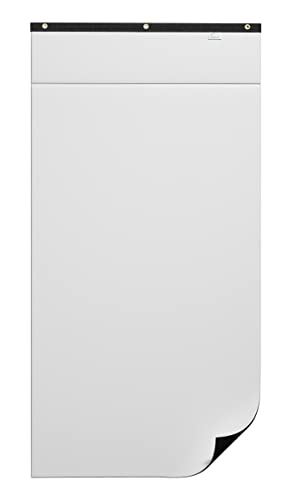
Audimute's absorption sheets are large-format panels built from a proprietary eco-C-tex blend that achieves NRC ratings of 0.85 and higher, covering significantly more square footage per unit than standard foam tiles. Verified buyers who treated entire rehearsal rooms and podcast suites report an audible change in reverb tail within a single afternoon of installation. The hanging system is genuinely easy to use, and the panels arrive ready to mount without any assembly.
Strengths
- Large format covers more square footage per panel than foam tiles
- Eco-C-tex blend is non-toxic and safe for enclosed studio spaces
- Ready-to-hang hardware included with each panel
Drawbacks
- Fabric surface can attract lint and pet hair over time
- Limited color palette compared to some fabric-wrapped competitors

BUBOS Art Acoustic Panels 12x12 Inch Fabric Wrapped
BUBOS delivers fabric-wrapped panels at a price point that lets buyers treat an entire room without overspending, and aggregated reviews confirm the acoustic results exceed expectations for the category. The polyester fiber core absorbs mid and high frequencies effectively, and reviewers who set them up in podcast booths and gaming rooms note a clear reduction in harsh reflections. The printed fabric surface doubles as wall art, which matters in living spaces where bare foam tiles would look out of place.
Strengths
- Decorative fabric surface integrates into living and office spaces naturally
- Competitive price per square foot makes full-room treatment accessible
- Lightweight construction simplifies single-person installation
Drawbacks
- Thinner core limits low-frequency absorption compared to 2-inch fiberglass panels
- Printed artwork options are fixed; custom designs not available in standard listings

Foamily 12-Pack Acoustic Foam Egg Crate Panel Studio Foam Wedge 1 x 12 x 12 Inch
Foamily's egg-crate foam tiles are the most widely reviewed acoustic foam product in this category, and the volume of verified buyer feedback makes it possible to assess real-world performance with confidence. Owners in home recording setups report noticeably tighter vocal recordings and reduced harshness in guitar tracks after covering first reflection points and the rear wall. The adhesive-back option speeds up installation significantly, and the foam density is firmer than many competing tiles that arrive crushed or misshapen.
Strengths
- Massive verified review base provides high confidence in consistent product quality
- Adhesive backing option available for fast, clean installation
- Lighter and easier to reposition than rigid panel alternatives
Drawbacks
- Foam degrades faster than fiberglass or polyester alternatives over multi-year use
- Limited low-frequency absorption due to 1-inch thickness

Mybecca 12 Pack Acoustic Panels Studio Soundproofing Foam Wedge Tiles 12 x 12 x 2 Inch
Mybecca's 2-inch wedge tiles step up the absorption depth significantly compared to standard 1-inch foam tiles, and verified buyers in home studios and vocal booths confirm improved performance in the 500Hz to 4kHz range where voice clarity matters most. The wedge geometry breaks up parallel wall reflections more effectively than flat tiles, and multiple reviewers note the foam arrives without the strong chemical odor that plagues some competing brands. Pack density is consistent across buyer reports, with few complaints about tiles arriving compressed beyond recovery.
Strengths
- 2-inch depth improves mid-frequency absorption over thinner foam alternatives
- Wedge geometry disrupts parallel reflection paths effectively
- Low reported off-gassing compared to competitor foam tiles
Drawbacks
- Still limited for bass frequencies below 200Hz without additional treatment
- Color uniformity can vary slightly between production batches

acoustic panels by JBER 12 Pack Sound Proof Foam Panels 2 x 12 x 12 Inches Acoustic Treatment Studio
JBER's panels receive consistent praise from gaming room and streaming booth owners who prioritize echo reduction over broadcast-grade acoustic treatment. The high-density open-cell foam absorbs reflected audio that causes harsh treble buildup in hard-walled rooms, and buyers frequently mention improved clarity on live streams and Discord calls after treating two or three walls. The self-adhesive mounting strips included in the pack simplify renter-friendly installation without permanent wall damage.
Strengths
- Self-adhesive strips allow renter-friendly installation without drilling
- Consistent density across pack with low rate of defective tiles reported
- Effective at reducing streaming and gaming audio harshness in reflective rooms
Drawbacks
- Adhesive strength may be insufficient on textured or painted brick walls
- Foam color options are limited compared to decorative panel alternatives

VocalBooth To Go SquareFill Acoustic Panel Kit 24x24 Inch
VocalBooth To Go targets the professional end of the portable acoustic panel market, with 24x24 inch rigid panels that deliver NRC performance comparable to permanently installed studio treatment. Verified buyers in voiceover studios and podcast production rooms report that a set of four to six panels transforms a live room into a broadcast-ready space without permanent construction. The rigid frame keeps the fabric taut and the panel flat against the wall for years, and multiple professional reviewers cite consistent NRC results across multiple purchase batches.
Strengths
- Large 24x24 format reduces the number of panels needed to treat a room
- Rigid frame maintains shape and fabric tension over long-term use
- NRC performance consistent with what professional studio installers use
Drawbacks
- Premium pricing puts full-room treatment out of reach for tight budgets
- Larger format makes single-person installation more awkward without a second pair of hands
Buying considerations
Core Material and NRC Rating
The Noise Reduction Coefficient (NRC) is the single most important number when comparing panels. Fiberglass-core panels consistently achieve NRC 0.90 and above, while polyester panels sit in the 0.75 to 0.85 range, and open-cell foam typically lands between 0.55 and 0.75 depending on thickness. If you are treating a recording space or podcast booth, prioritize fiberglass or dense polyester over standard foam tiles. For a gaming room or casual office, quality foam tiles at adequate thickness are sufficient.
Thickness and Frequency Range
Panel thickness directly affects which frequencies are absorbed. One-inch foam tiles handle harsh upper-mid and high-frequency reflections but do almost nothing below 500Hz. Two-inch panels extend absorption down toward 250Hz, which meaningfully improves vocal warmth and removes midrange buildup. For low-frequency bass control, you need corner bass traps at four inches or more, which is a separate product category from the flat panels in this guide.
Coverage Area Per Pack
Most acoustic treatment guides recommend covering between 20 and 30 percent of a room's total wall surface to achieve a noticeable reduction in reverb. Calculate your room's square footage, multiply by 0.25, and compare that against the combined coverage of a pack before purchasing. Buying in bulk or choosing large-format panels reduces cost per square foot, and many brands offer 24-pack or case-quantity options once you know how many you need.
Installation Method and Wall Type
Heavier fiberglass panels require proper wall anchors or a French cleat system, especially on drywall. Foam tiles with self-adhesive backing are faster to install but may pull paint when removed, which matters in rented spaces. Hanging strip systems like Command strips work for lighter panels under two pounds. Confirm the panel weight against your mounting hardware's rated load before hanging, and plan your layout on paper before committing to adhesive solutions.
Final word
Fiberglass-core fabric-wrapped panels outperform foam tiles of equal thickness on every measurable acoustic metric, making them the correct choice whenever budget allows for more than casual room treatment.
Questions answered
No. Acoustic panels absorb sound reflections inside a room, reducing echo, reverb, and flutter. They do not add meaningful mass to walls and will not stop airborne sound from passing through. True soundproofing requires added wall mass, decoupling, and air sealing, which is a construction project. Acoustic panels improve the quality of sound inside the treated room, not the transmission of sound between rooms.
A common starting point is treating the first reflection points on the side walls, the wall behind the recording position, and the ceiling above the recording position. For a 10x10 foot room, this typically requires 8 to 12 standard 12x12 panels or 4 to 6 larger 24x24 panels. Starting with first reflection points gives the biggest audible improvement per panel before you add more coverage.
Fiberglass panels at 2 inches consistently outperform foam tiles of the same thickness on NRC ratings, particularly in the 500Hz to 2kHz voice frequency range that matters most for spoken-word recordings. If you are recording a professional podcast or voiceover work, fiberglass-core fabric-wrapped panels are worth the higher cost. Foam tiles are a reasonable starting point for casual streaming or video calls where broadcast-quality audio is not the primary goal.
Standard acoustic foam and fiberglass panels are designed for interior dry environments. Prolonged exposure to humidity causes foam to degrade faster and can allow mold growth inside fiberglass cores. Some manufacturers offer moisture-resistant fabric options, but no standard acoustic panel in this guide is rated for outdoor or high-humidity use. For basements or garages with humidity concerns, sealed moisture barriers behind panels and a dehumidifier in the space are recommended.
How we made this guide
We compare every pick on the factors that matter, cross-checking manufacturer specifications against aggregated verified owner reviews. We rank independently and never take payment for placement. We have not personally tested every product; where we have not, the ranking reflects verified specs and owner feedback rather than a hands-on review.
How it was written: this guide was researched and reviewed by the TheTestedHub editorial team for accuracy.
Affiliate disclosure: TheTestedHub is reader-supported. When you buy through links on our site, we may earn a commission at no extra cost to you.
Keep reading

Elgato Alternatives 2026: AVerMedia & Rode Now Lead

Elgato Key Light: Expert Pick for True Color

Retro Consoles for Every Budget: A Practical Guide

Console Cooling Stands: Forced Air Stability for Long Sessions

Gaming Glasses Compared: Gunnar Intercept and Rivals

Gaming Backpacks 2026: Find Yours by Laptop & Gear Needs

Game Storage Racks Sized for Your Console Cases