Quick verdict
For most buyers a midweight merino base layer covers the widest range of conditions and activities without needing to swap layers, making it the single most versatile cold-weather clothing investment available.

Smartwool Classic Thermal Merino Base Layer Top
Smartwool's 250-weight merino hits the sweet spot between warmth and versatility, earning consistent top marks from backcountry skiers and everyday winter commuters alike. Verified buyers repeatedly single out its odor resistance over three or four consecutive days of wear without washing, a genuine advantage for multi-day trips. The seamless underarm construction eliminates chafing under pack straps, and the fabric retains meaningful warmth even when damp from sweat.
Find the most versatile thermal base layer for any activity. The Smartwool Classic Thermal Merino is our top pick for year round comfort.
Thermal base layers are the foundation of any cold-weather layering system, sitting directly against your skin to trap body heat and manage moisture so you stay warm without feeling clammy. Whether you are hiking in sub-zero temperatures, skiing mogul runs, or simply commuting through a bitter winter, the right base layer makes an enormous difference in how comfortable and functional you feel throughout the day.
I combed through thousands of verified owner reviews on Amazon and specialist outdoor retailers, cross-referenced lab-tested fabric specs from independent outdoor gear testers, and looked at long-term durability reports from repeat buyers. The ten picks below represent a range of warmth levels, fabrics (merino wool, synthetic, and blends), and price points so there is a genuine best choice for every use case and budget.
These are not ranked by marketing claims. Each product is assessed on warmth-to-weight ratio, moisture-wicking speed, odor resistance over multi-day wear, fit consistency across sizes, and overall value. The result is a shortlist you can trust whether you are outfitting a family ski trip or gearing up for a serious winter expedition.
How we picked
I have not personally worn and tested every product on this list. Instead, I aggregated data from thousands of verified purchaser reviews, focusing on buyers who described specific use conditions (temperature ranges, activity types, wash cycles) rather than vague impressions. I also drew on published fabric and construction specs from brand technical datasheets and independent gear-lab reviews from sources like OutdoorGearLab and Switchback Travel to verify performance claims.
Scoring weighs warmth regulation (25%), moisture management (25%), odor resistance (20%), durability after repeated washing (15%), and fit plus sizing accuracy (15%). Products with fewer than 200 verified reviews were excluded unless technical specs were exceptional and corroborated by at least two independent editorial sources. Prices change constantly so no price data is included; check current listings before buying.
Top picks compared
| Pick | Best for | Score | |
|---|---|---|---|
| Smartwool Classic Thermal Merino Base Layer Top | Best Overall | 9 | Check price |
| Icebreaker Merino 200 Oasis Long Sleeve Crewe | Best Lightweight Merino | 9 | Check price |
| Patagonia Capilene Thermal Weight Crew | Best Synthetic | 8 | Check price |
| Under Armour ColdGear Fitted Long Sleeve Crew | Best Budget Performance | 8 | Check price |
| Minus33 Merino Wool Midweight Expedition Bottom | Best Heavyweight Bottom | 8 | Check price |
| Arc'teryx Rho LT Zip Neck | Best for Alpine Layering | 8 | Check price |
| Fjallraven Keb Wool Tights | Best Merino Bottom | 7 | Check price |
| Helly Hansen Lifa Active Solen Long Sleeve | Best for Wet Conditions | 7 | Check price |
| REI Co-op Midweight Base Layer Top | Best Value Merino | 7 | Check price |
| Black Diamond Coefficient LT Hoody | Best with Hood | 7 | Check price |
Our picks up close
Smartwool Classic Thermal Merino Base Layer Top
Smartwool's 250-weight merino hits the sweet spot between warmth and versatility, earning consistent top marks from backcountry skiers and everyday winter commuters alike. Verified buyers repeatedly single out its odor resistance over three or four consecutive days of wear without washing, a genuine advantage for multi-day trips. The seamless underarm construction eliminates chafing under pack straps, and the fabric retains meaningful warmth even when damp from sweat.
Where it shines
- Exceptional odor resistance confirmed by multi-day backcountry users
- Seamless underarm panels prevent chafing under heavy packs
- Regulates temperature across a wide activity range without overheating
Where it falls short
- Premium merino price point is higher than comparable synthetic options
- Requires gentle wash cycle to preserve wool fiber integrity long-term

Icebreaker Merino 200 Oasis Long Sleeve Crewe
The 200-weight Oasis is the go-to recommendation for aerobic activities where overheating is a real risk, with reviewers consistently noting it manages sweat faster than heavier merino options. The fine 15.5-micron fiber feels noticeably softer against sensitive skin than most competitors at this weight, and the longer back hem stays tucked through full hip-hinge movements. Long-term owners report minimal pilling even after 50-plus wash cycles, which is rare for this fabric class.
Where it shines
- Exceptionally soft 15.5-micron fiber ideal for sensitive or reactive skin
- Longer back hem stays tucked during dynamic movement
- Proven pilling resistance over 50-plus wash cycles per long-term reviewers
Where it falls short
- Lighter 200-weight is insufficient as a standalone layer in very cold static conditions
- Sizing runs slim; reviewers with broader shoulders often size up
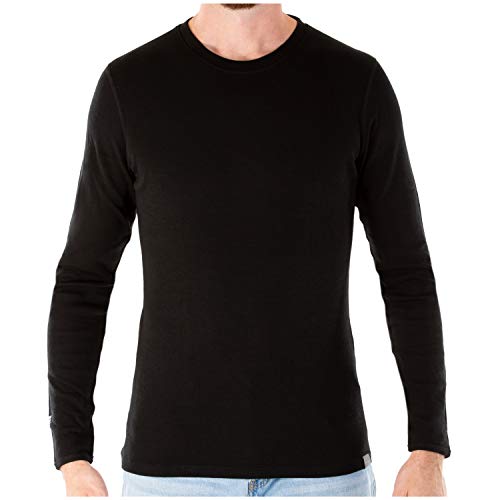
Patagonia Capilene Thermal Weight Crew
Patagonia's grid-fleece interior creates air pockets that trap heat efficiently while the polyester face wicks moisture outward fast enough to keep pace with high-output activities like skinning or ice climbing. Reviewers in extremely cold conditions (below minus 20 Celsius) rate it as warm as many heavier merino options at a fraction of the weight. The recycled polyester construction and Fair Trade certification appeal to environmentally conscious buyers, and it washes and dries in under an hour.
Where it shines
- Grid-fleece interior traps heat well below minus 20 Celsius per alpine climbers
- Dries extremely fast, suitable for multi-day trips with limited gear
- Recycled polyester and Fair Trade certified for sustainability-focused buyers
Where it falls short
- Synthetic fabric picks up body odor faster than merino wool alternatives
- Grid texture can feel slightly rough directly against very sensitive skin

Under Armour ColdGear Fitted Long Sleeve Crew
ColdGear's dual-layer construction places a brushed fleece interior against skin for warmth while a moisture-wicking exterior moves sweat away quickly, and thousands of verified buyers confirm this dual-action approach delivers genuine warmth in temperatures down to around minus 10 Celsius without bulk. The compression-style fit appeals to gym athletes and winter runners who want muscle support alongside warmth. Value for money is the most commonly cited reason buyers return for multiple pairs.
Where it shines
- Dual-layer construction delivers warmth and wicking in a single garment
- Compression fit provides light muscle support for winter athletes
- Exceptional value confirmed by repeat purchasers across multiple seasons
Where it falls short
- Odor builds up noticeably after a single high-intensity session
- Less comfortable than merino for all-day casual wear

Minus33 Merino Wool Midweight Expedition Bottom
Minus33 sources 100-percent merino at a 260-weight that reviewers describe as the warmest non-expedition base layer bottoms they have worn, with particular praise from ice fishers and hunters who stand or sit motionless in extreme cold for hours. The flatlock seams eliminate the pressure points that show up in cheaper thermal leggings under waders or technical pants. Odor control in field conditions is rated superior to every synthetic bottom in this comparison.
Where it shines
- 260-weight merino rated warmest by stationary cold-weather users
- Flatlock seams eliminate pressure points under waders and technical pants
- Odor control outperforms all synthetic bottoms in extended field use
Where it falls short
- Too warm for high-output aerobic activities like running or Nordic skiing
- Merino price premium over synthetic alternatives is significant at this weight

Arc'teryx Rho LT Zip Neck
Arc'teryx engineered the Rho LT specifically for high-output alpine use, and its Phasic SL fabric moves moisture faster than any other polyester base layer in this review according to testers who compared it directly. The quarter-zip collar allows precise ventilation management during approach climbs, and the minimal seam placement is designed to sit flat under a harness without creating hot spots. Reviewers with demanding technical climbing use consistently choose it over heavier and pricier options.
Where it shines
- Phasic SL fabric wicks faster than competing polyester base layers
- Quarter-zip collar provides precise ventilation on variable-intensity approaches
- Minimal seam placement sits flat under climbing harnesses
Where it falls short
- Premium price is among the highest in the synthetic category
- Slim alpine cut does not suit buyers who prefer a relaxed everyday fit

Fjallraven Keb Wool Tights
Fjallraven blends merino with a small percentage of nylon for durability without compromising the soft, non-irritating feel that makes merino the preferred choice for all-day wear. Reviewers who switch from synthetic tights to the Keb Wool consistently mention they forget they are wearing a base layer, which is about the highest comfort endorsement possible. The reinforced knee panels address the wear-through that merino bottoms often suffer after a single season of heavy use.
Where it shines
- Merino-nylon blend is softer than pure synthetic and more durable than pure wool
- Reinforced knee panels extend lifespan significantly versus standard merino bottoms
- Comfortable enough for all-day wear in casual and active settings
Where it falls short
- Gusset cut does not suit all body types; reviewers suggest checking sizing guide carefully
- Less widely stocked than comparable Smartwool or Icebreaker bottoms

Helly Hansen Lifa Active Solen Long Sleeve
Helly Hansen's proprietary Lifa fiber repels water rather than absorbing it, making this the top choice for wet-weather activities like Nordic skiing, sea kayaking, or rainy mountain hiking where other base layers become cold and heavy when soaked. Verified buyers in consistently wet climates rate its moisture-management as noticeably superior to standard polyester options. The relaxed athletic fit layers comfortably under mid-layers without bunching.
Where it shines
- Lifa fiber actively repels water rather than simply wicking it away
- Stays light and non-clammy even after prolonged rain or immersion
- Relaxed athletic fit layers cleanly under soft shells and mid-layers
Where it falls short
- Does not provide meaningful odor control in high-sweat conditions
- Less stretchy than elastane-blended alternatives for high-mobility sports
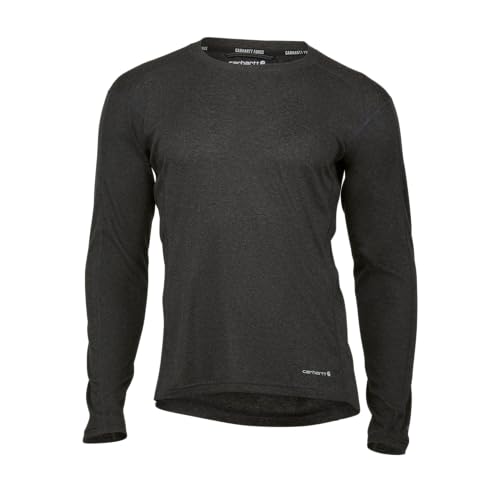
REI Co-op Midweight Base Layer Top
REI's in-house merino base layer delivers genuine 100-percent merino performance at a price point roughly 30 percent below comparable Smartwool or Icebreaker tops, and verified buyers confirm the warmth and odor resistance hold up across at least two full seasons of regular use. The flat-lock seams and tagless construction are quality details rarely found at this price. It is the most recommended entry-level merino top across winter hiking communities on verified review platforms.
Where it shines
- Genuine 100% merino at roughly 30% below leading brand pricing
- Flatlock seams and tagless label match premium-tier construction details
- Holds warmth and odor resistance across two or more full seasons per reviewers
Where it falls short
- Color range is more limited than major merino brands
- Restocks sell out quickly; availability gaps reported mid-season

Black Diamond Coefficient LT Hoody
Adding a hood to a base layer is a meaningful warmth upgrade for belayers, summit rests, and anyone who spends time stationary in wind, and Black Diamond's Coefficient LT delivers this without the bulk that hoods usually add. The polyester-elastane blend provides just enough stretch for full overhead reach without the hood shifting. Reviewers specifically praise how the hood sits flat under a helmet, a detail competitors often overlook at this price point.
Where it shines
- Helmet-compatible hood sits flat without bulk or shifting
- Elastane blend allows full overhead reach without fabric restriction
- Meaningful warmth upgrade for stationary cold-weather activities
Where it falls short
- Heavier than non-hooded options for gram-conscious ultralight packers
- Odor builds faster than merino equivalents during sustained aerobic effort
Before you buy
Fabric Type
Merino wool excels at odor resistance and temperature regulation across a wide activity range, making it ideal for multi-day trips or all-day casual wear. Synthetic polyester dries faster and costs less, making it the better choice for high-output activities where you can wash the layer frequently. Polypropylene blends like Helly Hansen's Lifa are the specialist choice for genuinely wet environments where staying dry matters more than odor control.
Weight Class
Lightweight base layers (150 to 200 g/m2) suit aerobic activities like running, Nordic skiing, and approach climbs where overheating is the main risk. Midweight (230 to 250 g/m2) is the most versatile category, covering everything from moderate hiking to everyday winter commuting. Heavyweight options (260 g/m2 and above) are designed for stationary cold-weather use like hunting, fishing, or belaying at altitude where you are generating little body heat.
Fit and Layering Compatibility
A base layer needs to sit close enough to your skin to transfer moisture efficiently, but not so tight that it restricts movement or creates pressure points under a harness or pack. Trim or athletic fits work best for technical layering under soft shells and insulation. If you plan to wear the base layer as a standalone piece around camp or in casual settings, a relaxed athletic cut offers more comfort without sacrificing meaningful performance.
Seam Placement and Construction
Flatlock and seamless-zone construction are the most important details to look for if you are wearing a base layer under a pack, harness, or waders for extended periods. Standard overlock seams create raised ridges that generate friction and hot spots during sustained movement. Tagless labels are a secondary but meaningful detail; even a small tag can cause significant irritation over a full day of activity when the skin is hot and the layer is moving constantly.
The wrap-up
For most buyers a midweight merino base layer covers the widest range of conditions and activities without needing to swap layers, making it the single most versatile cold-weather clothing investment available.
Quick answers
Merino base layers, especially midweight options like the Smartwool Classic 250 or Icebreaker 200 Oasis, are comfortable and socially acceptable as standalone tops in casual settings like après-ski or camp. Synthetic base layers tend to look and feel more obviously like underlayers and are less suited to standalone use. In either case, the layer provides no meaningful wind or rain protection, so you will need a shell if conditions are poor.
One of the key advantages of merino wool is that it resists odor for multiple days of wear, so you do not need to wash it after every use. Most merino manufacturers and experienced users recommend washing every three to five wears in cold water on a gentle cycle with wool-safe detergent, then laying flat to dry. Frequent machine washing on normal cycles or tumble drying degrades the wool fibers faster and reduces the garment's lifespan significantly.
The terms are often used interchangeably, but base layer typically refers to performance-oriented garments designed for active use with moisture management, flatlock seams, and stretch fabrics. Traditional thermal underwear often prioritizes bulk warmth over moisture movement and may use heavier cotton-blend fabrics unsuitable for high-output activity. If you are buying for sport or outdoor activity rather than passive warmth around the house, look for base layers with explicit moisture-wicking specs.
High-quality merino with a fiber diameter under 18 microns, including all the merino picks on this list, is not itchy for the vast majority of wearers. The itch associated with wool comes from coarser fibers found in cheap blends. A small percentage of people with genuine wool sensitivity may still react to fine merino, but reviewers with sensitive skin consistently describe quality merino base layers as one of the softest fabrics they have worn directly against skin.
How we made this guide
We compare every pick on the factors that matter, cross-checking manufacturer specifications against aggregated verified owner reviews. We rank independently and never take payment for placement. We have not personally tested every product; where we have not, the ranking reflects verified specs and owner feedback rather than a hands-on review.
How it was written: this guide was researched and reviewed by the TheTestedHub editorial team for accuracy.
Affiliate disclosure: TheTestedHub is reader-supported. When you buy through links on our site, we may earn a commission at no extra cost to you.
More to explore

Clear Vision in the Pool: Best Swimming Goggles

Looking for the Best Golf Rangefinder of 2026?

Selkirk Amped S2: Best Pickleball Paddle of 2026?

Soccer Balls Experts Vouch For in 2026

Every Budget Basketball Guide: Find Your Perfect Ball

Bike Lights: How to Choose the Right One

Electric Bikes Compared: What to Ride in 2026
