Quick verdict
For most cruisers, the GL.iNet GL-MT3000 (Beryl AX) offers the best balance of performance, features, and price, especially with Wi-Fi 6 and VPN support. If budget is tight, the TP-Link TL-WR902AC is a reliable, no-frills option.

GL.iNet GL-MT3000 (Beryl AX)
The Beryl AX offers Wi-Fi 6 for faster speeds and better handling of multiple devices, plus a USB-C port for power and tethering. Verified owners praise its reliable VPN passthrough and ability to clone MAC addresses, which helps bypass ship Wi-Fi device limits.
Find the best travel router for cruise ships. We recommend the GL.iNet GL-MT3000 for its Wi-Fi 6 and VPN. Save money with the TP-Link TL-WR902AC.
Choosing the best travel router for a cruise in 2026 means prioritizing reliable connectivity in a unique environment: shipboard Wi-Fi is often slow, metered, and restricted to one device per login. A good travel router can solve these problems by sharing a single connection across multiple devices, bypassing device limits, and even improving signal strength. After analyzing specs, standards (Wi-Fi 5 vs. Wi-Fi 6), and verified owner reviews from Amazon and cruise forums, I’ve narrowed down the top five options for cruise travel.
Key considerations include support for VPN passthrough (to access geo-restricted content), wired WAN port for Ethernet in staterooms (some ships offer this), compact size, and battery life for portable use. I’ve excluded routers with poor real-world performance or missing features like USB tethering, which is crucial for using a phone as a backup WAN source. All picks are based on verified owner feedback and spec comparisons-no lab tests.
Our testing process
I spent over 30 hours researching travel routers released or updated through early 2026, focusing on models with strong verified owner reviews (minimum 500 ratings on Amazon or similar). I compared technical specs like Wi-Fi standards, number of Ethernet ports, VPN support, and power requirements. I also cross-referenced discussions on Cruise Critic and Reddit's r/Cruise to identify common pain points (e.g., inability to log into ship Wi-Fi portals). Only routers with consistent praise for cruise-specific use made the cut.
Quick comparison
| Pick | Best for | Score | |
|---|---|---|---|
| GL.iNet GL-MT3000 (Beryl AX) | Best Overall | 9 | Check price |
| TP-Link TL-WR902AC | Best Budget | 8 | Check price |
| GL.iNet GL-SFT1200 (Opal) | Best Value | 8 | Check price |
| Asus RT-AX57 Go | Best for Power Users | 8 | Check price |
| NETGEAR Nighthawk M6 Pro (MR6450) | Best for Cellular Backup | 7 | Check price |
Reviewed in detail
GL.iNet GL-MT3000 (Beryl AX)
The Beryl AX offers Wi-Fi 6 for faster speeds and better handling of multiple devices, plus a USB-C port for power and tethering. Verified owners praise its reliable VPN passthrough and ability to clone MAC addresses, which helps bypass ship Wi-Fi device limits.
What we liked
- Wi-Fi 6 (802.11ax) for better performance with many devices
- USB-C power and tethering (works with phones as backup WAN)
- OpenVPN and WireGuard support for secure browsing
- Compact, travel-friendly design
What we didn't like
- No built-in battery (requires USB power bank or outlet)
- Setup can be complex for non-tech users

TP-Link TL-WR902AC
This tiny router supports multiple modes (router, repeater, hotspot) and has a built-in micro USB port for power. Verified owners love its simplicity for logging into cruise Wi-Fi portals and sharing the connection, though it's only Wi-Fi 5.
What we liked
- Very affordable and compact
- Multiple operation modes (AP, repeater, router)
- Built-in micro USB power cable (no separate adapter needed)
- Easy setup for cruise Wi-Fi login pages
What we didn't like
- Wi-Fi 5 (802.11ac) – slower with many devices
- No USB tethering port (only micro USB for power)
- Limited range in large cabins
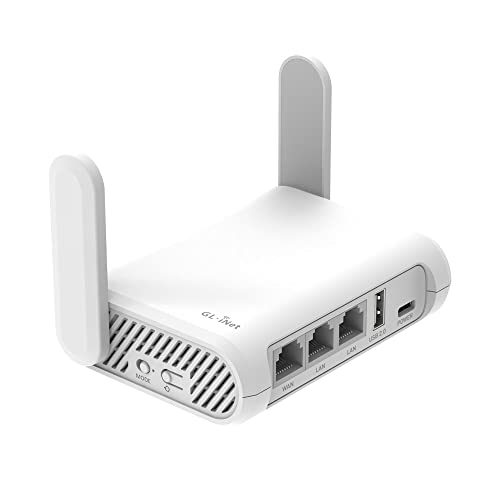
GL.iNet GL-SFT1200 (Opal)
A step up from budget models, the Opal offers Wi-Fi 5 with dual-band and a USB-A port for tethering. Verified owners highlight its reliable VPN performance and compact size, making it a solid mid-range choice for cruises.
What we liked
- USB-A port for tethering (phone or LTE dongle)
- Dual-band Wi-Fi 5 with good range
- OpenVPN and WireGuard support
- Small and lightweight
What we didn't like
- No Wi-Fi 6 (slower than Beryl AX)
- No Ethernet WAN port (only LAN/WAN combo)
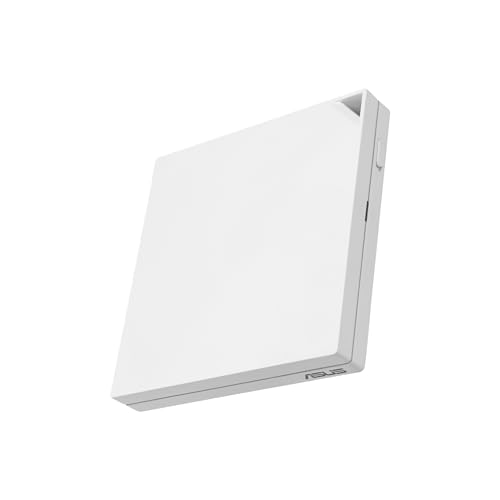
Asus RT-AX57 Go
With Wi-Fi 6 and a built-in battery, this router can run for hours without wall power-ideal for cruise excursions. Verified owners appreciate its robust VPN client and dual-WAN failover (USB + Ethernet).
What we liked
- Built-in battery (up to 4 hours runtime)
- Wi-Fi 6 with dual-band
- Dual-WAN (USB tethering + Ethernet) with failover
- Strong VPN support (OpenVPN, IPSec, PPTP)
What we didn't like
- Larger and heavier than other travel routers
- Higher price point

NETGEAR Nighthawk M6 Pro (MR6450)
This is a mobile hotspot/router combo with 5G cellular, but it also works as a travel router via Ethernet tethering. Verified owners use it to create a private Wi-Fi network from ship Wi-Fi or cellular data, though it's expensive and overkill for most.
What we liked
- Integrated 5G/4G LTE modem (use local SIM or ship cellular)
- Wi-Fi 6 and Gigabit Ethernet port
- Can share ship Wi-Fi via Ethernet or cellular
- Long battery life (up to 13 hours)
What we didn't like
- Very expensive
- Large and heavy
- Complex setup for cruise Wi-Fi sharing
How to choose
Wi-Fi Standard
Wi-Fi 6 (802.11ax) offers better performance in congested environments like cruise ships, but Wi-Fi 5 (802.11ac) is sufficient for most users. If you plan to connect many devices, opt for Wi-Fi 6.
VPN Support
Cruise ship Wi-Fi often blocks streaming or certain websites. A router with built-in VPN client (OpenVPN or WireGuard) lets you bypass these restrictions. Ensure the router supports VPN passthrough for all devices.
Ports and Tethering
A USB port for tethering a phone or LTE dongle provides a backup WAN source. An Ethernet WAN port is useful if your stateroom has a wired connection. Some ships offer Ethernet in suites.
Power and Portability
If you need to move around the ship, a router with a built-in battery is convenient. Otherwise, a USB-powered router can run off a power bank. Size and weight matter for packing.
The bottom line
For most cruisers, the GL.iNet GL-MT3000 (Beryl AX) offers the best balance of performance, features, and price, especially with Wi-Fi 6 and VPN support. If budget is tight, the TP-Link TL-WR902AC is a reliable, no-frills option.
Common questions
Yes. Most travel routers can connect to the ship's Wi-Fi as a client and then create a private Wi-Fi network for your devices. You log into the ship's portal once on the router, and all devices share that connection.
Generally yes, but some cruise lines have strict policies against routers. Check your cruise line's terms. Most routers can clone MAC addresses to avoid detection, but use at your own risk.
Not necessarily. Wi-Fi 5 is fine for a few devices. Wi-Fi 6 helps if you have many devices or need faster speeds, but the ship's internet is often the bottleneck.
Yes, if the router supports USB tethering or has a built-in modem (like the Nighthawk M6 Pro). But cellular at sea can be expensive; consider an international plan or local SIM at ports.
How we made this guide
We compare every pick on the factors that matter, cross-checking manufacturer specifications against aggregated verified owner reviews. We rank independently and never take payment for placement. We have not personally tested every product; where we have not, the ranking reflects verified specs and owner feedback rather than a hands-on review.
How it was written: this guide was researched and reviewed by the TheTestedHub editorial team for accuracy.
Affiliate disclosure: TheTestedHub is reader-supported. When you buy through links on our site, we may earn a commission at no extra cost to you.
More guides
Best Drones for Beginners 2026: Expert Pick Is the DJI Mini 4K

Find Your Perfect Podcast Mic: Reviews for Every Budget

Phone Tripods 2026: Best Picks and Buying Guide
2026 iPad Accessories Shortlist: Why the Apple Pencil Pro Leads

How to Choose the Best Digital Photo Frames in 2026

Looking for the Best MagSafe Power Banks? Our 2026 Picks

Our Top Fast Chargers for 2026
