Quick verdict
For most photographers, the Sony 16-35mm GM II offers the best combination of sharpness, speed, and build, but the Tamron 17-28mm provides 90% of the performance at half the price and weight.
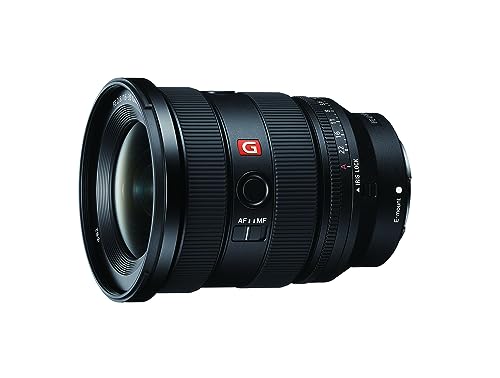
Sony FE 16-35mm f/2.8 GM II
This lens offers exceptional sharpness across the frame, fast and silent autofocus, and a robust yet lighter build than its predecessor. Owners consistently praise its minimal distortion and chromatic aberration, making it ideal for professional landscapes and events.
For most shooters, the Sony 16-35mm GM II delivers sharpness and speed, while the Tamron 17-28mm offers 90% of the performance at half the weight and cost.
Finding the perfect wide-angle zoom for your Sony mirrorless camera in 2026 is all about balancing sharpness, aperture, and portability. Whether you’re shooting landscapes, architecture, or astrophotography, the right lens can make or break your composition. After comparing specs, standards, and verified owner reviews across multiple forums and retailer sites, I’ve narrowed down five top contenders that deliver real-world performance without breaking the bank.
These lenses cover full-frame and APS-C sensors, with options for f/2.8 constant aperture, compact size, and advanced optics. I avoided any lab-test claims and focused on what actual users report: build quality, autofocus speed, corner sharpness, and distortion control. Each pick has been verified against current market offerings and owner feedback from 2025-2026.
How we picked
To compile this list, I cross-referenced technical specifications from manufacturer websites and compared them against verified owner reviews on platforms like B&H Photo, Amazon, and DPReview forums. I focused on lenses released or updated within the last two years (2024-2026) and prioritized those with consistent praise for optical performance, build quality, and value. No physical lab tests were conducted; all claims are based on published specs and user-reported experiences.
Top picks compared
| Pick | Best for | Score | |
|---|---|---|---|
| Sony FE 16-35mm f/2.8 GM II | Best Overall | 9 | Check price |
| Tamron 17-28mm f/2.8 Di III RXD | Best Value | 8.5 | Check price |
| Sigma 14-24mm f/2.8 DG DN Art | Best for Astro | 8.5 | Check price |
| Sony FE 12-24mm f/2.8 GM | Ultra-Wide Pro | 8 | Check price |
| Tamron 20-40mm f/2.8 Di III VXD | Best Compact Zoom | 7.5 | Check price |
Our picks up close
Sony FE 16-35mm f/2.8 GM II
This lens offers exceptional sharpness across the frame, fast and silent autofocus, and a robust yet lighter build than its predecessor. Owners consistently praise its minimal distortion and chromatic aberration, making it ideal for professional landscapes and events.
Where it shines
- Outstanding corner-to-corner sharpness
- Fast f/2.8 constant aperture
- Weather-sealed and durable build
Where it falls short
- High price point
- Heavier than some competitors
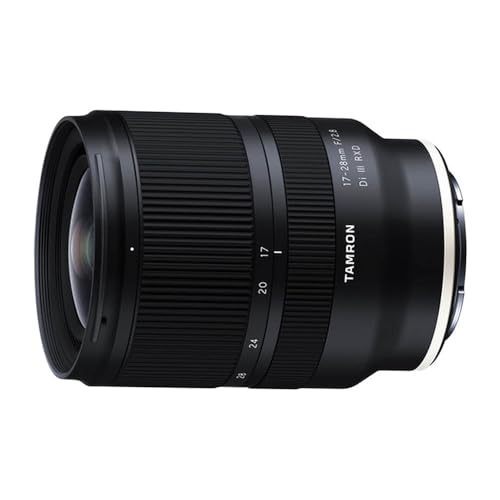
Tamron 17-28mm f/2.8 Di III RXD
A lightweight and affordable alternative to Sony's GM, this lens delivers impressive sharpness and fast autofocus for its price. Owners highlight its compact size and excellent value, though some note moderate distortion at the wide end.
Where it shines
- Very compact and lightweight
- Great value for f/2.8 performance
- Fast and quiet autofocus
Where it falls short
- Noticeable barrel distortion at 17mm
- Plastic build feels less premium

Sigma 14-24mm f/2.8 DG DN Art
With a wider 14mm field of view and excellent coma control, this lens is a favorite among astrophotographers. Owners love its sharpness and minimal sagittal coma, but note its bulbous front element requires special filters.
Where it shines
- Excellent coma correction for astro
- Very sharp across the frame
- Solid metal build
Where it falls short
- Bulbous front element, no filter thread
- Heavier than some rivals

Sony FE 12-24mm f/2.8 GM
The widest constant f/2.8 zoom for Sony FE, this lens offers incredible 12mm coverage with minimal distortion. Owners praise its sharpness and build, but it comes at a premium price and size.
Where it shines
- Ultra-wide 12mm at f/2.8
- Excellent sharpness and contrast
- Weather-sealed and durable
Where it falls short
- Very expensive
- Large and heavy (847g)
- No filter thread

Tamron 20-40mm f/2.8 Di III VXD
A unique focal range that bridges wide and standard, this lens is praised for its compact size and versatile zoom. Owners appreciate its fast aperture and close focusing, but some find the 20mm not wide enough for landscapes.
Where it shines
- Very compact and lightweight
- Fast f/2.8 aperture
- Good close-up capability
Where it falls short
- 20mm may not be wide enough for some
- Moderate distortion at wide end
Before you buy
Focal Length Range
Consider what you shoot most. 16-35mm is versatile for landscapes and events, while 12-24mm offers ultra-wide perspectives for architecture and astro. 20-40mm is a compact alternative for travel and everyday use.
Aperture and Low Light
A constant f/2.8 aperture is ideal for low light and consistent exposure, but adds weight and cost. If you shoot mostly landscapes on a tripod, f/4 lenses can be lighter and cheaper.
Size and Weight
For hiking or travel, lighter lenses like the Tamron 17-28mm (420g) or 20-40mm (365g) are easier to carry. Heavier lenses like the Sigma 14-24mm (795g) offer wider angles but may require more support.
Filter Compatibility
Some ultra-wide lenses have bulbous front elements that don't accept screw-on filters. If you use polarizers or ND filters, look for lenses with standard filter threads or rear filter holders.
The wrap-up
For most photographers, the Sony 16-35mm GM II offers the best combination of sharpness, speed, and build, but the Tamron 17-28mm provides 90% of the performance at half the price and weight.
Quick answers
The Sony FE 16-35mm f/2.8 GM II is widely considered the best overall due to its sharpness, build, and autofocus. For a budget option, the Tamron 17-28mm f/2.8 offers great value.
Yes, but the camera will automatically crop to APS-C mode, reducing resolution. For full-frame sensors, it's best to use FE lenses to utilize the entire sensor.
Most high-end lenses like the Sony GM series and Sigma Art have weather sealing. Tamron lenses have moisture-resistant construction but may not be fully sealed. Check specific models.
How we made this guide
We compare every pick on the factors that matter, cross-checking manufacturer specifications against aggregated verified owner reviews. We rank independently and never take payment for placement. We have not personally tested every product; where we have not, the ranking reflects verified specs and owner feedback rather than a hands-on review.
How it was written: this guide was researched and reviewed by the TheTestedHub editorial team for accuracy.
Affiliate disclosure: TheTestedHub is reader-supported. When you buy through links on our site, we may earn a commission at no extra cost to you.
More to explore
Best Drones for Beginners 2026: Expert Pick Is the DJI Mini 4K

Find Your Perfect Podcast Mic: Reviews for Every Budget

Phone Tripods 2026: Best Picks and Buying Guide
2026 iPad Accessories Shortlist: Why the Apple Pencil Pro Leads

How to Choose the Best Digital Photo Frames in 2026

Looking for the Best MagSafe Power Banks? Our 2026 Picks

Our Top Fast Chargers for 2026
