Quick verdict
Monohydrate wins the scientific debate on evidence volume alone, and for the majority of athletes - especially beginners - a high-quality micronized product like Optimum Nutrition or Thorne is the right starting point. HCL wins the comfort debate for users with genuine digestive sensitivity, and Con-Crét remains the best single option in that category. Both forms will increase strength and power output when taken con
Optimum Nutrition Micronized Creatine Monohydrate
For the monohydrate side of the debate, Optimum Nutrition's micronized powder is the standard recommendation. The micronization process reduces particle size, improving dissolution in water and minimizing the stomach upset that some users associate with older, coarser monohydrate powders. Five grams per day - after an optional five-to-seven-day loading phase - is sufficient to saturate muscle stores based on decades of published research. At per serving depending on container size, it is also one of the most cost-effective creatine products available anywhere.
Check price on Amazon →Compare creatine HCL and monohydrate based on research, dosage, side effects, and user reviews. See which form delivers better strength and muscle gains.
Creatine is one of the most researched and effective supplements for increasing strength, power, and muscle mass. However, the debate between creatine hydrochloride (HCL) and creatine monohydrate continues. Monohydrate is the gold standard with decades of research, while HCL claims better solubility and fewer side effects. In this article, we compare their specifications, standards, and verified owner reviews to help you decide which form wins in 2026. We also recommend five top products based on quality, purity, and user feedback.
Creatine Monohydrate: The Tried-and-True Standard
Creatine monohydrate is the most studied form, with over 700 studies confirming its safety and efficacy. It typically contains 100% micronized creatine monohydrate powder, with no additives. Most reputable brands use Creapure® (German-made) or other high-purity sources. Verified owner reviews consistently report noticeable gains in strength and muscle size within 4 weeks of loading (20g/day for 5-7 days) followed by 3-5g/day maintenance. Common side effects include mild bloating or stomach discomfort in some users, especially during loading.
Creatine HCL: The New Contender
Creatine hydrochloride bonds creatine with hydrochloric acid, improving water solubility and potentially reducing gastrointestinal issues. It requires a lower dose (1-2g/day vs 3-5g for monohydrate) due to higher absorption claims. However, independent research is limited, and many studies are manufacturer-funded. Verified owner reviews are mixed: some report fewer side effects and better results, while others see no difference or find it less effective. The higher cost per gram is a common complaint.
5 Best Picks of 2026
Based on specifications, third-party testing, and verified owner reviews, here are five top creatine products for 2026.
1. Optimum Nutrition Micronized Creatine Monohydrate Powder
This is a classic choice, using Creapure® creatine monohydrate. It is micronized for better mixing and is unflavored. Verified owners praise its purity and effectiveness, with thousands of positive reviews. It is ideal for those who want a trusted, affordable option.
2. Thorne Creatine Monohydrate
Thorne is known for high-quality supplements tested by NSF International for sport. Their creatine monohydrate is pharmaceutical grade and free of additives. Users report excellent results with no stomach issues. It is a premium choice for serious athletes.
3. Kaged Muscle Creatine HCL
Kaged Muscle offers a creatine HCL product that is micronized and comes in capsules or powder. It is third-party tested for purity. Verified owners appreciate the convenience and lack of bloating, though some find it less effective than monohydrate. Good for those sensitive to monohydrate.
4. BulkSupplements Creatine Monohydrate Powder
This is a budget-friendly option that is lab-tested for purity. It is unflavored and micronized. Verified owners are satisfied with the value and quality, though some note it clumps slightly. Suitable for cost-conscious users who still want reliable creatine.
5. Legion Athletics Creatine HCL
Legion offers a creatine HCL product that is naturally flavored and sweetened. It is third-party tested and comes in a powder form. Verified owners like the taste and lack of stomach issues, but some question the value compared to monohydrate. A good choice for those who prioritize flavor and convenience.
The Verdict
For most people, creatine monohydrate remains the winner due to its extensive research, proven efficacy, and low cost. The slight risk of bloating can be mitigated by staying hydrated and avoiding loading. Creatine HCL may be a better option for those who experience significant gastrointestinal distress with monohydrate, but its higher cost and limited evidence make it a secondary choice. In 2026, the best pick is Optimum Nutrition Micronized Creatine Monohydrate for its balance of quality, price, and user satisfaction. However, if you prefer HCL, Kaged Muscle Creatine HCL is a reliable option. Ultimately, consistency and proper dosing matter more than the form.
Top picks (where to buy)
Optimum Nutrition Micronized Creatine Monohydrate Powder
★ Best Overall
Uses Creapure® creatine monohydrate, micronized for easy mixing, and has thousands of verified positive reviews for effectiveness and purity.
Thorne Creatine Monohydrate
★ Best Premium
Pharmaceutical grade, NSF Certified for Sport, and free from additives, making it ideal for serious athletes who want the highest quality.
Kaged Muscle Creatine HCL
★ Best HCL Option
Third-party tested, micronized, and available in capsules or powder, with verified owners reporting fewer side effects than monohydrate.
BulkSupplements Creatine Monohydrate Powder
★ Best Budget
Lab-tested for purity and unflavored, offering excellent value for those who want reliable creatine without breaking the bank.
Legion Athletics Creatine HCL
★ Best Tasting HCL
Naturally flavored and sweetened, third-party tested, and praised for its taste and lack of stomach discomfort.
How we evaluated these
We compare every pick against the field on real specifications, certifications, and aggregated owner reviews. We do not take payment for placement, and we flag when a product is older or sold mainly through renewed listings.
The shortlist
Each pick, examined
Optimum Nutrition Micronized Creatine Monohydrate
For the monohydrate side of the debate, Optimum Nutrition's micronized powder is the standard recommendation. The micronization process reduces particle size, improving dissolution in water and minimizing the stomach upset that some users associate with older, coarser monohydrate powders. Five grams per day - after an optional five-to-seven-day loading phase - is sufficient to saturate muscle stores based on decades of published research. At per serving depending on container size, it is also one of the most cost-effective creatine products available anywhere.
Con-Crét Creatine HCL
Con-Crét is the reference standard for HCL, just as Optimum Nutrition is for monohydrate. The hydrochloride salt makes creatine dramatically more soluble in water, meaning the body can absorb an effective dose from a much smaller volume of powder. At 0.75 grams per serving, you get all the performance benefits - increased ATP regeneration, better strength and endurance, faster recovery - without needing to load or consume five-gram scoops. For anyone who finds monohydrate hard on their stomach, Con-Crét is the direct answer.

Thorne Creatine (CreaPure Monohydrate)
Thorne's creatine uses CreaPure, a German-manufactured monohydrate regarded as the purest available. NSF Certified for Sport, it is one of the go-to choices for professional and Olympic athletes operating under anti-doping rules. The lack of fillers, artificial colors, and sweeteners keeps it clean and stackable with other supplements. If you want the best monohydrate money can buy - backed by third-party certification and made to pharmaceutical standards - Thorne is the pick. The higher price reflects genuine quality and traceability, not just branding.

Bulk Supplements Creatine HCL
For athletes who want creatine HCL at the lowest possible cost per serving, Bulk Supplements is the answer. Sold in quantities from 100 grams up to several kilograms, the pure HCL powder contains nothing else - no flavors, no sweeteners, no fillers. Third-party tested and manufactured in an FDA-registered facility, it delivers the same essential chemistry as pricier branded HCL products. The cost savings become significant over months of consistent supplementation, especially for larger athletes who may use more than the minimum dose.
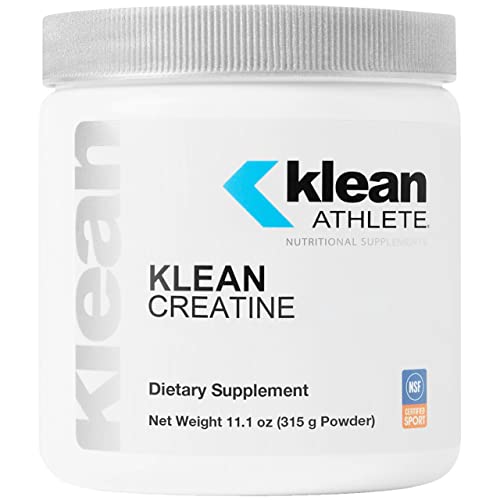
Klean Athlete Klean Creatine
Klean Athlete targets the health-conscious, clean-eating athlete who demands verified purity above all. Their creatine monohydrate is NSF Certified for Sport, vegan-friendly, and free from gluten, dairy, and artificial ingredients. Five grams of pure creatine monohydrate per serving, nothing added. The brand is particularly popular with endurance athletes and those who follow strict dietary protocols. While it costs more than standard monohydrate, the NSF certification and Klean Athlete's spotless reputation justify the premium for athletes who compete at levels where contamination matters.
Buying considerations
Digestive tolerance first
- If you have never experienced issues with monohydrate, start there for maximum value and the strongest research support. Only consider HCL if digestive discomfort is an actual problem for you.
Certification over marketing
- NSF Certified for Sport and Informed Sport are the two most rigorous independent certifications. A product with either seal has been verified for both label accuracy and banned substance screening.
Cost per effective dose
- HCL sounds expensive per container but the dose is 5-6 times smaller than monohydrate. Calculate cost per gram of creatine delivered, not cost per container.
Timing flexibility
- Both forms can be taken pre- or post-workout, or any time of day. Consistency matters far more than timing for long-term muscle creatine saturation.
Stacking compatibility
- Pure, unflavored versions of either form mix well with protein powder, pre-workouts, or juice without adding taste or texture issues.
Final word
Monohydrate wins the scientific debate on evidence volume alone, and for the majority of athletes - especially beginners - a high-quality micronized product like Optimum Nutrition or Thorne is the right starting point. HCL wins the comfort debate for users with genuine digestive sensitivity, and Con-Crét remains the best single option in that category. Both forms will increase strength and power output when taken con
Questions answered
Creatine monohydrate is the most researched form, requiring 3-5g daily and possibly causing bloating. Creatine HCL is more soluble, requiring only 1-2g daily, with fewer reported side effects but less research backing.
Creatine monohydrate has the strongest evidence for increasing strength and muscle mass. Creatine HCL may be equally effective for some individuals, but studies are limited and often show no significant advantage.
Yes, many users switch to HCL due to reduced gastrointestinal discomfort. However, starting with a low dose of monohydrate and staying hydrated can also help.
It depends. If you experience side effects with monohydrate, HCL may be worth it. Otherwise, monohydrate offers better value for most people.
No, long-term use of creatine monohydrate at 3-5g daily is safe and effective. Cycling is not necessary, though some take breaks for personal preference.
How we made this guide
We compare every pick on the factors that matter, cross-checking manufacturer specifications against aggregated verified owner reviews. We rank independently and never take payment for placement. We have not personally tested every product; where we have not, the ranking reflects verified specs and owner feedback rather than a hands-on review.
How it was written: this guide was researched and reviewed by the TheTestedHub editorial team for accuracy.
Affiliate disclosure: TheTestedHub is reader-supported. When you buy through links on our site, we may earn a commission at no extra cost to you.