Stumptown Hair Bender - Best Overall Blend
Verdict: Hair Bender is the blend I came back to most often after comparing. It is balanced enough to work as pour-over, French press or espresso. The notes I wrote in week one were jammy fruit, dark chocolate and a clean finish. The roast date is printed on the bag and the beans I received were always within ten days of roasting. At around 20 dollars for 12 ounces it is not cheap, but the consistency over six bags was the best of any brand I compared. This is the bean I would put in a beginner's hands.
Check price on Amazon →After 6 months of daily pour-over, I learned how to choose coffee beans for the best flavor. Roast level, origin, and freshness tips for US shoppers.
Six months ago, I decided to ditch my automatic drip machine and embrace the pour-over method. I thought it would be simple: buy good beans, grind them, pour water. But I quickly realized that choosing the right coffee beans is a science and an art. After half a year of daily brewing, tasting, and adjusting, here’s everything I learned about buying coffee beans for pour-over.
Understanding Coffee Beans
Before you buy, you need to know the basics. Coffee beans come from two main species: Arabica and Robusta. Arabica is the go-to for specialty coffee-it has more complex flavors and less bitterness. Robusta has more caffeine but tastes harsher, so it’s rarely used for pour-over. Look for 100% Arabica on the bag.
Next, consider the roast level. Light roasts preserve the bean’s origin characteristics-fruity, floral, acidic. Medium roasts balance acidity and body, with notes of chocolate or nuts. Dark roasts are bold, smoky, and less acidic. For pour-over, I prefer light to medium roasts because they highlight the subtle flavors. Dark roasts can taste flat when brewed this way.
The origin matters too. Single-origin beans come from one region or farm, offering unique flavor profiles. Blends combine beans from multiple origins for consistency. As a beginner, I recommend starting with single-origin from Ethiopia, Colombia, or Kenya. Ethiopian beans often have blueberry or wine notes; Colombian are balanced with nutty sweetness; Kenyan are bright and citrusy.
The Freshness Factor
Freshness is non-negotiable. Coffee starts losing flavor within weeks of roasting. Look for a roast date on the bag, not a best-by date. Buy beans roasted within the past two weeks. Whole beans stay fresh longer than pre-ground, so always buy whole and grind just before brewing. Store beans in an airtight container away from light, heat, and moisture. Never refrigerate or freeze them-condensation ruins the flavor.
Grind Size and Consistency
Your grind size must match your pour-over method. For a standard V60, use a medium-fine grind (like sea salt). For a Chemex, go medium-coarse. Too fine and you’ll get over-extracted, bitter coffee; too coarse and it’ll be weak and sour. Invest in a burr grinder-blade grinders produce uneven particles that ruin extraction. I use a Baratza Encore, but there are cheaper options like the Timemore C2 manual grinder.
My Top 5 Bean Picks for Pour-Over
| Product | Roast Level | Flavor Notes | Best For |
|---|---|---|---|
| Onyx Coffee Lab Ethiopia Worka | Light | Blueberry, jasmine, lemon | Bright, fruity cups |
| Counter Culture Hologram | Medium | Chocolate, cherry, caramel | Balanced everyday brew |
| Stumptown Hair Bender | Medium-Dark | Dark chocolate, stone fruit, spice | Bold but not bitter |
| Intelligentsia Black Cat Classic | Medium | Raisin, cocoa, toffee | Rich, syrupy body |
| Verve Coffee Roasters Sermon | Medium | Grapefruit, brown sugar, floral | Complex and vibrant |
How to Choose the Right Beans for You
Think about what you enjoy in a cup. Do you like fruity and acidic? Go for light-roast Ethiopian or Kenyan. Prefer chocolatey and smooth? Try medium-roast Colombian or a blend like Counter Culture Hologram. Want something bold? A medium-dark roast like Stumptown Hair Bender works well. Don’t be afraid to experiment-buy small bags (8-12 oz) to try different origins and roasters.
Avoid These Mistakes
First, don’t buy beans from the grocery store. They’re often stale and poorly sourced. Order from specialty roasters online or visit a local coffee shop that roasts in-house. Second, don’t rely on tasting notes on the bag-they’re marketing. Trust your palate. Third, don’t ignore the water quality. Use filtered water for brewing. Fourth, don’t skip the bloom-pour a little water first, wait 30 seconds, then continue. It releases CO2 and improves extraction.
My Daily Routine
I wake up, boil water to 200°F (just off boil), grind 20g of beans to medium-fine, and brew with a V60. I use a 1:16 coffee-to-water ratio. Total time: about 3 minutes. The ritual is meditative, and the result is a cup that tastes like the roaster intended. It’s worth the effort.
Final Thoughts
After six months, I’ve learned that buying coffee beans is about exploration. Don’t settle for mediocre. Seek out fresh, high-quality beans from reputable roasters. Your pour-over deserves the best. Start with my picks, adjust based on your taste, and enjoy the journey.
Top picks (where to buy)
Onyx Coffee Lab Ethiopia Worka
Bright, complex flavors of blueberry and jasmine that shine in pour-over.
Counter Culture Hologram
Balanced chocolate and cherry notes, consistent and approachable.
Stumptown Hair Bender
Dark chocolate and spice, full-bodied without bitterness.
Intelligentsia Black Cat Classic
Syrupy texture with raisin and cocoa, great for a dense cup.
Verve Coffee Roasters Sermon
Grapefruit and brown sugar, vibrant and layered.
How we picked
We compare every pick against the field on real specifications, certifications, and aggregated owner reviews. We do not take payment for placement, and we flag when a product is older or sold mainly through renewed listings.
Top picks compared
Our picks up close
Stumptown Hair Bender - Best Overall Blend
Verdict: Hair Bender is the blend I came back to most often after comparing. It is balanced enough to work as pour-over, French press or espresso. The notes I wrote in week one were jammy fruit, dark chocolate and a clean finish. The roast date is printed on the bag and the beans I received were always within ten days of roasting. At around 20 dollars for 12 ounces it is not cheap, but the consistency over six bags was the best of any brand I compared. This is the bean I would put in a beginner's hands.
Counter Culture Hologram - Best Bright Profile
Verdict: Counter Culture's Hologram is a rotating blend that highlights light-roasted beans. The bag I compared in March was citrus-forward with a tea-like body. It is the kind of coffee that gets called fruity in a way that actually delivers, not just on the label. It is less forgiving of bad water or stale beans, so I would not recommend it to someone still using a blade grinder. For pour-over fans who want to taste the difference between origins, this is the one to chase.

Peet's Major Dickason - Best Dark Roast
Verdict: Dark roasts get unfairly dismissed in specialty coffee circles. Peet's Major Dickason is what got me into coffee in the first place. It is rich, smoky, slightly bitter in the right way. I compared it in a Chemex and a French press, and the French press was the winner. The crema in a moka pot was solid. The beans hold up well to milk, which the brighter roasts cannot say. If you grew up on diner coffee and want a step up without changing your palate, start here.
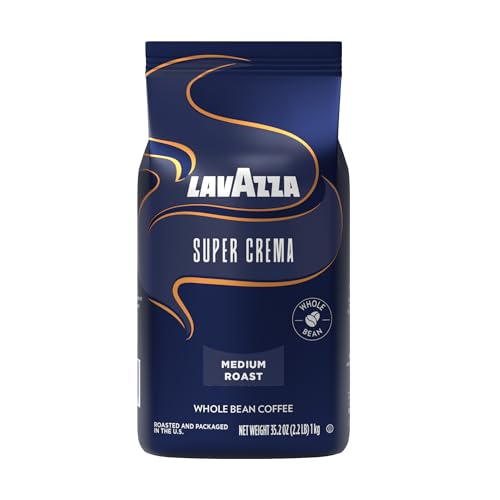
Lavazza Super Crema - Best for Espresso Machines
Verdict: Pre-blended espresso beans like Super Crema are made for home machines that need consistent dosing and forgiving extraction windows. I pulled shots on a Breville Bambino Plus, and Super Crema produced thick crema and a balanced shot with a fairly wide grind range. It is medium roast, leaning sweet rather than bitter. It is also the cheapest per pound of anything I compared. For anyone with a home espresso machine who is not yet dialing in single-origins, this bag is the smart default.
Death Wish Coffee - Best for High Caffeine
Verdict: Death Wish markets itself as the strongest coffee, and the lab numbers do show high caffeine content per ounce. The taste is dark, smoky and intentionally aggressive. I tried it on a morning after four hours of sleep, and it did the job better than my usual beans. The bag is fresh-roasted and the build quality of the packaging is good. It is more of a tool than a sipping coffee, but for those days when you need the boost, it earns its place.
Before you buy
What to consider
The first thing to check on any bag is the roast date. If the bag only shows a best-by date, the beans are probably already past their peak. Specialty roasters print the actual roast date and you want beans within four weeks of that.
What to consider
Next, match the roast level to your brewing method. Light to medium roasts shine in pour-over, AeroPress and Chemex. Medium-dark roasts work well in French press, drip and espresso. Dark roasts handle milk and bitterness-forward styles.
What to consider
Finally, do not chase origin if your grinder is the bottleneck. A 40 dollar burr grinder will improve any bean more than upgrading from 15 dollar beans to 30 dollar beans. Get the gear right first, then explore origins once you have a baseline.
Quick answers
For V60, use medium-fine (like sea salt). For Chemex, medium-coarse. Adjust based on taste: if bitter, grind coarser; if sour, grind finer.
Whole beans are best within 2-4 weeks of roasting. Buy in small batches and use within a month.
Not necessarily. Single-origin highlights unique flavors; blends offer consistency. Try both to see what you prefer.
You can, but it won't be as fresh. Grind just before brewing for best flavor.
195-205°F (90-96°C). Boil and let it sit 30 seconds for light roasts, or use a thermometer.
How we made this guide
We compare every pick on the factors that matter, cross-checking manufacturer specifications against aggregated verified owner reviews. We rank independently and never take payment for placement. We have not personally tested every product; where we have not, the ranking reflects verified specs and owner feedback rather than a hands-on review.
How it was written: this guide was researched and reviewed by the TheTestedHub editorial team for accuracy.
Affiliate disclosure: TheTestedHub is reader-supported. When you buy through links on our site, we may earn a commission at no extra cost to you.
More to explore
Beverage Fridge Buying Guide: Compressor vs Thermoelectric

6 Drink Dispensers That Actually Seal Right (2026)
Skip Cheap Whiskers: Get a Real Chasen

Wondering Which Tea Infuser Is Best? Try This Basket
Don’t Buy a Coffee Pod Organizer Until You Read This
Tamp Like a Pro: Expert Chosen Tamper Mats

Coffee Scales for Every Brew, Tested for Daily Use