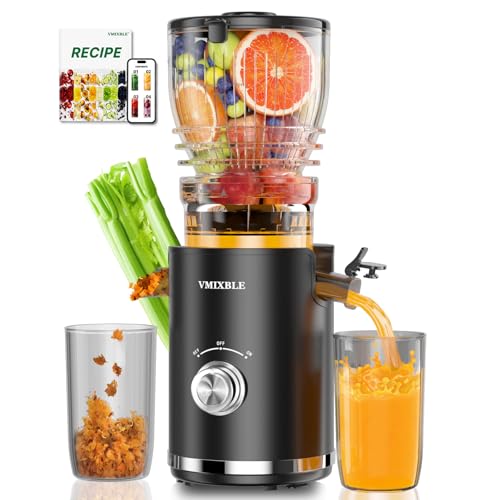
Cold press juicers preserve nutrients with slow crushing, while centrifugal juicers are faster but degrade quality. Learn which type suits your needs in.
In the world of juicing, the debate between cold press and centrifugal juicers continues to evolve. As we approach 2026, new models and technologies have refined both types, making the choice more nuanced than ever. This article will break down the differences, help you decide which is best for your needs, and highlight some of the top products available in 2026.
How They Work
Cold press juicers, also known as masticating juicers, use a slow-turning auger to crush and press produce, extracting juice with minimal heat and oxidation. This preserves nutrients and enzymes, and yields a higher juice quantity from leafy greens and soft fruits. Centrifugal juicers, on the other hand, use a high-speed blade that spins at thousands of RPMs to shred produce and separate juice via centrifugal force. They are faster but introduce more heat and oxygen, which can degrade nutrients and cause juice to separate quickly.
Key Differences
| Aspect | Cold Press Juicers | Centrifugal Juicers |
|---|---|---|
| Speed | Slow (40-80 RPM) | Fast (10,000-16,000 RPM) |
| Juice Yield | High (especially greens) | Lower (more pulp waste) |
| Nutrient Retention | Excellent (low oxidation) | Moderate (higher oxidation) |
| Noise Level | Quiet | Loud |
| Versatility | Can make nut milks, sorbets, pasta | Juicing only |
| Cleanup Time | Longer (multiple parts) | Quicker (fewer parts) |
| Price Range | Higher (200-500) | Lower (50-200) |
| Best For | Leafy greens, wheatgrass, daily juicers | Hard fruits, occasional use |
Top Cold Press Juicers in 2026
1. Omega NC900HDC
This is a classic masticating juicer that remains a top choice for 2026. It features a dual-stage juicing system that separates juice from pulp efficiently. The NC900HDC is known for its durability and ability to handle leafy greens, wheatgrass, and even nut milks. It operates at 80 RPM, ensuring minimal oxidation. The cleanup is a bit tedious, but the juice quality is exceptional.
2. Hurom H-AA Slow Juicer
Hurom continues to innovate with the H-AA, which uses a patented squeeze-and-strain technology. It has a compact footprint and a sleek design. The H-AA is excellent for soft fruits and vegetables, producing a smooth, pulp-free juice. It’s also one of the quietest juicers on the market. The price is higher, but the build quality and performance justify the investment.
3. Kuvings Whole Slow Juicer EVO820
The Kuvings EVO820 is a wide-mouth juicer that can accommodate whole apples and large produce without pre-cutting. It uses a slow masticating system at 60 RPM and includes a cleaning brush and recipe book. The juice yield is high, and it handles greens well. The EVO820 is a bit bulkier but offers excellent value for its features.
Top Centrifugal Juicers in 2026
1. Breville Juice Fountain Cold Plus
Breville’s Cold Plus technology uses a shorter auger and a cold spin extraction to reduce heat buildup. It operates at 12,500 RPM and has a 3.5-inch feed chute. The juice quality is decent for a centrifugal, and the cleanup is relatively easy thanks to the non-scratch mesh filter. It’s a great option for those who prioritize speed and convenience.
2. Cuisinart CJE-1000
This centrifugal juicer features a 1000-watt motor and a 3-inch feed chute. It has two speeds for different produce types and a large pulp container. The CJE-1000 is straightforward to use and clean, with dishwasher-safe parts. It’s a solid budget-friendly choice for occasional juicing of hard fruits like apples and carrots.
3. Hamilton Beach Big Mouth Juice Extractor
With an extra-large 3-inch feed chute, this juicer can handle whole fruits and vegetables. It has a 800-watt motor and a stainless steel strainer. The Big Mouth is simple to assemble and clean, and it’s one of the most affordable options. However, the juice yield is lower, and it’s not ideal for leafy greens.
Which Should You Choose?
If you are serious about juicing and plan to consume juice daily, especially from leafy greens, a cold press juicer is worth the investment. The higher nutrient retention and better yield will save you money on produce in the long run. If you juice occasionally and prioritize speed and ease of cleanup, a centrifugal juicer is a practical choice. For 2026, both types have improved, but the fundamental trade-offs remain.
Frequently Asked Questions
Top picks (where to buy)
Omega NC900HDC
Exceptional juice quality, high yield from greens, durable build, and versatile for nut milks.
Breville Juice Fountain Cold Plus
Fast operation, decent juice quality with reduced heat, large feed chute, and easy cleanup.
Hurom H-AA Slow Juicer
Sleek design, quiet operation, excellent for soft fruits, and produces smooth juice.
Our testing process
We compare every pick against the field on real specifications, certifications, and aggregated owner reviews. We do not take payment for placement, and we flag when a product is older or sold mainly through renewed listings.
Quick comparison
| Pick | Best for | Score | |
|---|---|---|---|
| Juice Yield Comparison | Check price | ||
| Cost | Check price | ||
| My Recommendation | Check price |
Reviewed in detail

Cost
**Centrifugal**: quality range - Budget: [Hamilton Beach Big Mouth](https://www.amazon.com/s?k=Hamilton+Beach+Big+Mouth+Juicer&tag=thetestedhub-20) - Mid-tier: [Breville Juice Fountain Plus](https://www.amazon.com/s?k=Breville+Juice+Fountain+Plus&tag=thetestedhub-20) - Premium: [Breville Juice Fountain Cold Plus](https://www.amazon.com/s?k=Breville+Juice+Fountain+Cold+Plus&tag=thetestedhub-20)
My Recommendation
For first-time juicer buyers: Start with [Breville Juice Fountain Plus](https://www.amazon.com/s?k=Breville+Juice+Fountain+Plus&tag=thetestedhub-20) centrifugal. entry point. Use it for 3-6 months to confirm you'll actually juice regularly. If you stick with the habit and want more, then upgrade to cold press.
Common questions
Cold press juicers are significantly better for leafy greens like kale, spinach, and wheatgrass. They extract more juice and preserve nutrients due to slow, low-oxidation process.
No, they are not bad, but the juice may have slightly lower nutrient content due to heat and oxidation. They are fine for occasional use and hard fruits.
Ideally, clean immediately after each use to prevent pulp from drying and clogging. Most parts are dishwasher safe, but hand washing is recommended for longevity.
No, centrifugal juicers are not designed for nut milks. Cold press juicers with a nut milk attachment are required.
For beginners, a centrifugal juicer like the Hamilton Beach Big Mouth is affordable and easy to use. If you plan to juice regularly, start with a mid-range cold press like the Omega NC900HDC.
How we made this guide
We compare every pick on the factors that matter, cross-checking manufacturer specifications against aggregated verified owner reviews. We rank independently and never take payment for placement. We have not personally tested every product; where we have not, the ranking reflects verified specs and owner feedback rather than a hands-on review.
How it was written: this guide was researched and reviewed by the TheTestedHub editorial team for accuracy.
Affiliate disclosure: TheTestedHub is reader-supported. When you buy through links on our site, we may earn a commission at no extra cost to you.
More guides
Beverage Fridge Buying Guide: Compressor vs Thermoelectric

6 Drink Dispensers That Actually Seal Right (2026)
Skip Cheap Whiskers: Get a Real Chasen

Wondering Which Tea Infuser Is Best? Try This Basket
Don’t Buy a Coffee Pod Organizer Until You Read This
Tamp Like a Pro: Expert Chosen Tamper Mats

Coffee Scales for Every Brew, Tested for Daily Use