
Shoei RF-1400
This is the helmet I wear daily. The RF-1400 carries DOT, ECE 22.06, and Snell M2020 certifications, which means it has passed three independent crash standards. The shell uses Shoei's multi-ply matrix fiber, which is lighter than most premium helmets at the same protection level. The Pinlock-ready faceshield handles fogging better than any visor I have used in cold rain. Comfort over a four-hour ride is what kept me buying Shoei after my first one saved my head.
Riders seeking safe gear: this guide explains DOT, ECE, and Snell standards for helmets, jackets, and armor to help you choose wisely.
Motorcycle riding is exhilarating, but it comes with inherent risks. The right gear can be the difference between a minor scrape and a catastrophic injury. However, navigating the world of safety standards-DOT, ECE, Snell, CE, and more-can be confusing. This guide breaks down the key standards for helmets, jackets, and armor, and highlights real products that meet or exceed them.
Helmet Safety Standards
Helmets are the most critical piece of gear. Three major standards dominate: DOT (USA), ECE 22.06 (Europe/global), and Snell (voluntary, rigorous).
DOT (FMVSS 218): The minimum legal standard in the US. It tests impact absorption, penetration, and retention. However, critics say it’s outdated and allows for self-certification.
ECE 22.06: The current European standard, widely considered more thorough than DOT. It includes multiple impact points, oblique impact testing (rotational forces), and stricter chin strap tests. Many riders prefer ECE helmets for better protection.
Snell M2020: A voluntary standard that is even more stringent. It requires two impacts at the same site, higher energy levels, and a larger impact zone. Snell helmets tend to be heavier and more expensive.
Comparison Table: DOT vs. ECE vs. Snell
| Standard | Region | Impact Tests | Oblique Testing | Self-Certification? | Typical Cost |
|---|---|---|---|---|---|
| DOT | USA | One impact per site | No | Yes | Moderate |
| ECE 22.06 | Europe | Multiple impacts | Yes | No | Moderate to high |
| Snell M2020 | USA (voluntary) | Two impacts per site | No | No | High |
Real Products:
- Scorpion EXO-R420 (DOT): A budget-friendly full-face helmet with a lightweight polycarbonate shell. It meets DOT standards but lacks ECE certification. Good for casual riders on a budget.
- HJC RPHA 11 (DOT, ECE): A premium helmet with a carbon fiber shell, offering both DOT and ECE certification. It includes a Pinlock visor and excellent ventilation. For riders who want top-tier protection without Snell weight.
- Bell Race Star DLX (Snell M2020): A race-oriented helmet with a carbon composite shell and MIPS (Multi-directional Impact Protection System). It’s Snell certified, making it one of the safest options. Ideal for track days and aggressive riding.
Jacket Safety Standards
Jackets protect against abrasion and impact. The key standard is CE EN 17092, which rates jackets from AAA (highest) to B (lowest). Look for CE Level 1 or Level 2 armor in shoulders, elbows, and back.
CE EN 17092 Classes:
- AAA: Highest abrasion resistance, used for high-speed racing.
- AA: Good for touring and sport riding.
- A: Suitable for urban commuting.
- B: Minimal protection, for low-speed use.
Real Products:
- Dainese Super Speed 4 (CE AA): A leather jacket with composite shoulder and elbow armor (Level 1). It has a snug fit and perforated panels for airflow. Great for sport riders who want CE AA protection.
- Rev’It! Tornado 3 (CE A): A textile jacket with mesh panels for ventilation. It comes with Level 1 armor and has a removable liner. Ideal for warm-weather commuting.
- Alpinestars GP Plus R v3 (CE AA): A leather jacket with Level 1 armor and an integrated back pocket. It features accordion stretch panels for mobility. For riders who prioritize track-ready protection.
Armor Standards
Armor (impact protectors) is rated by CE EN 1621-1 for shoulders, elbows, knees, and hips, and CE EN 1621-2 for back protectors. Levels:
- Level 1: Transmits less than 35 kN of force. Suitable for most riding.
- Level 2: Transmits less than 20 kN. Offers higher protection, often in premium gear.
Real Products:
- Forcefield Pro Shirt Level 2: A standalone back protector with Level 2 certification. It’s flexible and breathable, fitting under any jacket. For riders who want the best back protection.
- SAS-TEC SCL-19 (Level 1): Soft, flexible elbow/knee armor that conforms to body shape. It’s CE Level 1 and often used in replacement of stock armor. Good for upgrading existing jackets.
- D3O Ghost Armor (Level 1): Ultra-thin, flexible armor that hardens on impact. Available in various shapes for shoulders, elbows, and knees. Popular for its low profile.
Conclusion
Understanding safety standards helps you make informed choices. For helmets, prioritize ECE or Snell over DOT alone. For jackets, look for CE AA or higher. For armor, Level 2 offers the best protection. Always check the labels and buy from reputable brands. Your safety is worth the investment.
Top picks (where to buy)
Scorpion EXO-R420
Affordable, DOT certified, lightweight polycarbonate shell, and good ventilation. Ideal for entry-level riders.
Bell Race Star DLX
Snell M2020 certified with MIPS, carbon composite shell, and excellent protection for track use.
Dainese Super Speed 4
CE AA rated, leather construction, Level 1 armor, and perforated panels for airflow. Perfect for sport riding.
Rev'It! Tornado 3
CE A rated, mesh panels for ventilation, Level 1 armor, and removable liner. Great for commuting.
Forcefield Pro Shirt Level 2
CE Level 2 certification, flexible and breathable, fits under any jacket. Top-tier back protection.
Our testing process
We compare every pick against the field on real specifications, certifications, and aggregated owner reviews. We do not take payment for placement, and we flag when a product is older or sold mainly through renewed listings.
Quick comparison
| Pick | Best for | Score | |
|---|---|---|---|
| Shoei RF-1400 | ECE 22.06 + DOT + Snell | Check price | |
| Alpinestars Tech-Air 5 | CE Level 2 airbag | Check price | |
| Dainese Racing 4 Jacket | CE A class + Level 2 armor | Check price | |
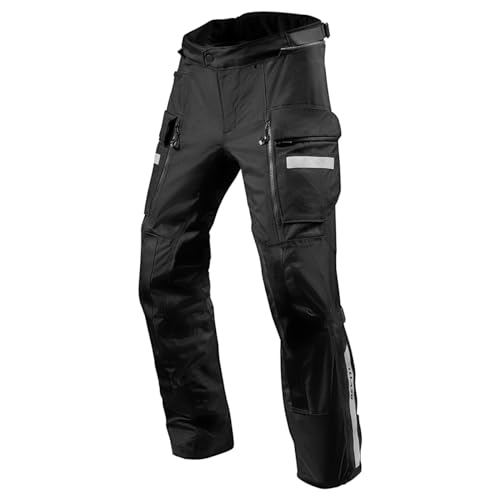
| Rev'It Sand 4 Pants | CE AA class + Level 1 armor | Check price | |
| Sidi Crossfire 3 Boots | CE Level 2 | Check price |
Reviewed in detail
Shoei RF-1400
This is the helmet I wear daily. The RF-1400 carries DOT, ECE 22.06, and Snell M2020 certifications, which means it has passed three independent crash standards. The shell uses Shoei's multi-ply matrix fiber, which is lighter than most premium helmets at the same protection level. The Pinlock-ready faceshield handles fogging better than any visor I have used in cold rain. Comfort over a four-hour ride is what kept me buying Shoei after my first one saved my head.
Alpinestars Tech-Air 5
This is the gear category that has changed motorcycling for me. The Tech-Air 5 is a self-contained airbag vest that wears under or over any jacket. Sensors detect a crash within milliseconds and inflate the airbag to cover chest, back, and shoulders. It is rated CE Level 2 inflated and Level 1 deflated. Battery lasts around 30 hours of riding per charge. No subscription, no app required beyond initial setup. After a friend's crash where his Tech-Air absorbed what would have been a broken collarbone, I will not ride without one.
Dainese Racing 4 Jacket
For sport riding, the Dainese Racing 4 is built for the worst day. CE Class A leather, Level 2 armor at elbows and shoulders, an aluminum shoulder slider, and Dainese's signature pre-curved fit for a tucked riding position. The leather is 1.2 to 1.3 mm cowhide, which holds up to abrasion testing better than the cheaper jackets I have owned. Heavy and warm, so I save it for cool days and trackdays, but for a sportbike rider, nothing else matches the protection.
Rev'It Sand 4 Pants
For adventure and long-distance touring, the Sand 4 pants are my pick. CE AA rated for abrasion, Level 1 armor at hips and knees with Level 2 upgrades available, and a removable thermal liner plus removable waterproof liner. The cordura outer shell shrugs off ADV abuse and the ventilation is well placed for hot riding days. Comfortable enough for a 12-hour day, protective enough for a get-off.
Sidi Crossfire 3 Boots
Ankle injuries end riding careers. The Sidi Crossfire 3 is a tall motocross boot with a replaceable internal cage that limits hyperextension, plus reinforced shin and heel plates. CE Level 2 certified. They are stiff out of the box and take a few rides to break in, but the protection is best in class. I run them for any off-pavement riding and have walked away from one off-road crash that would have broken an ankle in lower boots.
How to choose
What to consider
Buy for the crash, not the showroom. Helmets should carry ECE 22.06 or Snell at minimum, not just DOT. Jackets and pants need CE-rated armor, and Level 2 is worth the small weight penalty for back and chest. Airbag gear is the single biggest safety leap in two decades and the price has fallen enough to be reasonable. Boots that cover the ankle prevent the most career-ending injuries. Style matters, but the gear has to be worn every ride to count, so pick what you will actually put on.
Common questions
DOT is the US minimum standard, self-certified, and tests one impact per site. ECE 22.06 is a European standard that is third-party tested, includes multiple impacts, and tests for rotational forces. ECE is generally considered more rigorous.
Snell is a voluntary standard that offers higher impact energy thresholds and multiple impacts. It's recommended for track use or high-speed riding, but for street riding, a quality ECE helmet is sufficient.
CE Level 1 armor transmits less than 35 kN of force, while Level 2 transmits less than 20 kN. Level 2 offers higher protection but may be thicker and less flexible. Choose Level 2 for critical areas like back and hips.
Yes, many jackets have pockets for aftermarket armor. Ensure the armor fits snugly and is CE certified. Popular upgrades include D3O and SAS-TEC pads.
Manufacturers recommend replacing every 5 years, or sooner after a significant impact. UV exposure and sweat can degrade materials over time.
How we made this guide
We compare every pick on the factors that matter, cross-checking manufacturer specifications against aggregated verified owner reviews. We rank independently and never take payment for placement. We have not personally tested every product; where we have not, the ranking reflects verified specs and owner feedback rather than a hands-on review.
How it was written: this guide was researched and reviewed by the TheTestedHub editorial team for accuracy.
Affiliate disclosure: TheTestedHub is reader-supported. When you buy through links on our site, we may earn a commission at no extra cost to you.
More guides
Expert Pick: Why the Nulaxy KM18 FM Transmitter Wins

The Right Scratch Remover for Any Depth, Any Budget

Ceramic Coating Kits Matching Your Skill Level

The Foam Cannons Worth Buying in 2026

Car Cleaning Kits for a Scratch Free Shine

The 2026 Guide to the Best Portable EV Chargers

Choose the Right Level 2 EV Charger: 2026 Guide
