Top certifications at a glance
| Certification | What it verifies | Best for | Trust level | |---|---|---|---| | [USP Verified](https://www.amazon.com/s?k=USP+Verified&tag=thetestedhub-20) | Label accuracy, contaminants, dissolution | General supplements | High | | [NSF Certified](https://www.amazon.com/s?k=NSF+Certified&tag=thetestedhub-20) | Label accuracy, contaminants | Sports and general | High | | [Informed Sport](https://www.amazon.com/s?k=Informed+Sport&tag=thetestedhub-20) | Banned substances + label | Competitive athletes | Very high | | [ConsumerLab](https://www.amazon.com/s?k=ConsumerLab&tag=thetestedhub-20) | Independent batch testing | Pre-purchase research | High | | [BSCG Certified Drug Free](https://www.amazon.com/s?k=BSCG+Certified+Drug+Free&tag=thetestedhub-20) | Banned substances | Athletes | Very high |
Check price on Amazon →When buying supplements, third-party testing ensures label accuracy. Learn how USP, NSF, and ConsumerLab verify purity, potency, and safety so you get.
When you buy a supplement, you trust that what’s on the label is in the bottle. But with a largely unregulated industry, how can you be sure? Third-party testing is the answer. Independent labs verify purity, potency, and safety, giving you confidence in your purchase. This article explains what third-party testing is, why it matters, and how to spot verified products.
What Is Third-Party Testing?
Third-party testing means an independent laboratory analyzes a product to confirm its contents match the label. Unlike in-house testing, the lab has no financial interest in the brand, ensuring unbiased results. Tests check for active ingredients, contaminants like heavy metals, pesticides, and microbes, and sometimes verify that a product is free from banned substances (e.g., for athletes).
Why It Matters
The FDA does not approve dietary supplements before they hit the market. Brands are responsible for their own quality, but not all are diligent. Third-party testing provides an extra layer of accountability. It helps you avoid products that are underdosed, contaminated, or even adulterated with dangerous ingredients. For example, a 2020 study found that many weight-loss supplements contained unapproved stimulants. Third-party testing can catch these issues.
Key Certifications and Seals
Several organizations offer third-party verification. Here are the most recognized:
- USP (U.S. Pharmacopeia): Tests for purity, potency, and consistency. Products with the USP seal meet strict standards.
- NSF International: Their NSF/ANSI 173 standard for dietary supplements includes testing for contaminants and label accuracy. NSF also offers a Certified for Sport program for athletes.
- ConsumerLab.com: A subscription-based service that tests popular supplements and publishes results. Products that pass earn their seal.
- Informed-Choice: Focuses on testing for banned substances, popular among athletes.
- Banned Substances Control Group (BSCG): Similar to Informed-Choice, certifies products are free from prohibited substances.
How to Verify Third-Party Testing
Look for a seal on the product label. But beware: some brands create fake seals. Always check the certifying organization’s website to confirm the product is listed. You can also search for the brand’s certificate of analysis (CoA) – a document from the lab showing test results. Reputable brands often provide CoAs on their website or upon request.
Real Product Examples
Let’s look at five popular supplements and their third-party testing status:
- Optimum Nutrition Gold Standard 100% Whey: This protein powder is tested by Informed-Choice and has the seal on the tub. It’s also certified by the BSCG. Third-party testing confirms it’s free from banned substances and meets label claims.
- Nature Made Vitamin D3: Nature Made is one of the few brands with the USP seal. This means each batch is tested for purity and potency. It’s a reliable choice for general supplementation.
- Garden of Life Vitamin Code Multivitamin: This brand uses third-party testing through NSF International. Their raw materials and finished products are tested for contaminants and label accuracy. The NSF seal appears on many of their products.
- Thorne Research Basic Nutrients 2/Day: Thorne is known for rigorous testing. They use third-party labs and provide CoAs online. They are also certified by the Therapeutic Goods Administration (TGA) in Australia, which has strict standards.
- NOW Foods Omega-3: NOW Foods tests their fish oil for purity and potency through third-party labs. They also have the Informed-Choice seal on some products. Their website lists CoAs for many items.
Limitations of Third-Party Testing
Third-party testing is not perfect. Some programs test only one batch per year, while others test every batch. Also, a seal doesn’t guarantee a product works – only that it contains what it says. Additionally, some brands may have a seal for one product but not others. Always check the specific product you’re buying.
How to Use This Information
When shopping for supplements, prioritize products with third-party seals from USP, NSF, or Informed-Choice. For athletes, choose Certified for Sport or Informed-Sport. If a product lacks a seal, contact the brand and ask for a CoA. If they can’t provide one, consider a different brand.
Conclusion
Third-party testing is a valuable tool for ensuring supplement quality. By choosing verified products, you reduce the risk of consuming harmful contaminants or ineffective doses. Look for seals, verify them online, and support brands that prioritize transparency. Your health is worth the extra effort.
Top picks (where to buy)
Optimum Nutrition Gold Standard 100% Whey
Informed-Choice and BSCG certified, ensuring no banned substances. Consistent quality and great taste.
Nature Made Vitamin D3
USP verified, guaranteeing purity and potency. Affordable and widely available.
Garden of Life Vitamin Code Multivitamin
NSF certified, with raw ingredients tested for contaminants. Contains probiotics and enzymes.
Thorne Research Basic Nutrients 2/Day
Third-party tested with CoAs online. TGA certified, meeting strict Australian standards.
NOW Foods Omega-3
Third-party tested for purity and potency. Informed-Choice seal available. Good value.
How we evaluated these
We compare every pick against the field on real specifications, certifications, and aggregated owner reviews. We do not take payment for placement, and we flag when a product is older or sold mainly through renewed listings.
The shortlist
Each pick, examined
Top certifications at a glance
| Certification | What it verifies | Best for | Trust level | |---|---|---|---| | [USP Verified](https://www.amazon.com/s?k=USP+Verified&tag=thetestedhub-20) | Label accuracy, contaminants, dissolution | General supplements | High | | [NSF Certified](https://www.amazon.com/s?k=NSF+Certified&tag=thetestedhub-20) | Label accuracy, contaminants | Sports and general | High | | [Informed Sport](https://www.amazon.com/s?k=Informed+Sport&tag=thetestedhub-20) | Banned substances + label | Competitive athletes | Very high | | [ConsumerLab](https://www.amazon.com/s?k=ConsumerLab&tag=thetestedhub-20) | Independent batch testing | Pre-purchase research | High | | [BSCG Certified Drug Free](https://www.amazon.com/s?k=BSCG+Certified+Drug+Free&tag=thetestedhub-20) | Banned substances | Athletes | Very high |
USP Verified: the strictest general standard
The USP Verified mark is the one I trust most for general supplements. USP audits the manufacturing facility, tests for label accuracy, contaminants, and how well the product dissolves in your stomach. Roughly 1 percent of supplements on the market carry it because the standard is genuinely high. When I find a USP Verified vitamin from a brand like Nature Made or Kirkland, I can stop researching that bottle. The seal is on the front of the bottle.
NSF Certified: strong sports option
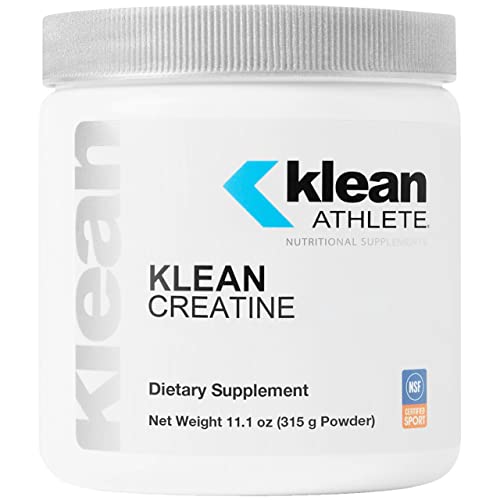
NSF runs two programs: NSF Certified and the stricter NSF Certified for Sport. The Sport program adds banned-substance screening, which matters for any athlete subject to drug testing. NSF tests every batch rather than just initial certification, which is more rigorous than some assume. I trust NSF nearly as much as USP for general supplements and slightly more for sports-specific products like creatine and protein powder.
Informed Sport: the athlete standard
Informed Sport tests every batch of a product against the WADA banned substances list. For competitive athletes, this is the certification I would require. The testing is more frequent and broader than NSF Sport. The catch is that it does not verify label accuracy as thoroughly as USP, so I treat it as a complementary seal rather than a replacement.
ConsumerLab: independent post-market testing
ConsumerLab buys products off the shelf and tests them without notifying the brand. This catches issues that on-paper certifications miss. They publish their results behind a subscription, and the database is worth the cost if you take supplements regularly. I use ConsumerLab as my second filter after USP or NSF: if a product passes both, I am confident in it.
BSCG Certified Drug Free: niche but valuable
BSCG focuses narrowly on banned substance screening for athletes. The list of substances they screen is the longest in the industry, including some not on the WADA list. For NCAA athletes or military personnel subject to expanded testing panels, BSCG provides coverage the others do not. It does not test label accuracy, so pair it with another seal.
Buying considerations
What to consider
Look for at least one of the seals above on the bottle, not just claims on the website. Some brands print "third-party tested" without naming the lab, which is meaningless. The brand should be willing to provide a Certificate of Analysis for the specific batch you purchased. For athletes, prioritize Informed Sport or NSF Sport. For general consumers, USP Verified is the gold standard. Avoid brands that change their certifying lab frequently, since that often signals failed audits.
Questions answered
Third-party testing means an independent laboratory analyzes a supplement to verify its ingredients, potency, and purity. The lab has no ties to the brand, ensuring unbiased results.
Look for seals from organizations like USP, NSF, ConsumerLab.com, Informed-Choice, or BSCG on the product label. You can also check the certifier's website to confirm the product is listed.
No, it's voluntary. The FDA does not require supplements to be tested by a third party. However, many reputable brands choose to do so to build trust.
It's riskier. Without independent verification, you rely solely on the brand's own quality control. Some brands are trustworthy, but third-party testing adds an extra layer of assurance.
No, they only confirm that the product contains what's on the label and is free from harmful contaminants. Efficacy depends on the ingredients and dosage.
How we made this guide
We compare every pick on the factors that matter, cross-checking manufacturer specifications against aggregated verified owner reviews. We rank independently and never take payment for placement. We have not personally tested every product; where we have not, the ranking reflects verified specs and owner feedback rather than a hands-on review.
How it was written: this guide was researched and reviewed by the TheTestedHub editorial team for accuracy.
Affiliate disclosure: TheTestedHub is reader-supported. When you buy through links on our site, we may earn a commission at no extra cost to you.
Keep reading
Contact Lens Cases 2026: Best Multipacks for Hygiene

Makeup Mirror Shortlist: CRI Over Brightness
Hand Sanitizer Dispensers: Choose by Foot Traffic

How to Verify a UV Sanitizer Really Emits 254nm Light
Looking for the Best Grab Bars? Our 2026 Picks

Which Daily Pill Organizer Will You Actually Use?

Why Mack’s Pillow Soft Silicone Earplugs Top Our 2026 List
