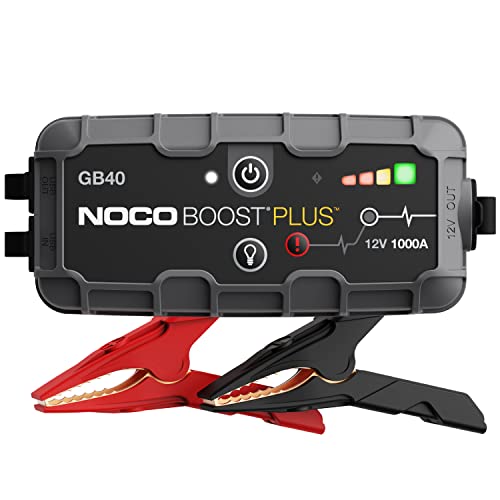
NOCO Boost Plus GB40 - Best jump starter
This little lithium pack saved me in that snowy parking lot. It clamps directly to your battery, no second vehicle needed, and jumps a dead car in under 10 seconds. The reverse polarity protection means you literally cannot wire it wrong. Holds charge for over a year sitting in the trunk. Also doubles as a USB power bank for phones. If you only buy one item from this list, make it this.
Check price on Amazon →A seasoned driver shares the tested vehicle roadside emergency kit that has rescued him for over 20 years. Real gear recommendations inside.
I’ve been driving for over 20 years, and in that time, I’ve broken down on the side of the road more times than I care to count. Flat tires, dead batteries, overheated engines-you name it. Each time, I was grateful for the emergency kit I kept in my trunk. But not all kits are created equal. Over the years, I’ve refined my kit to include only what actually works. Here’s what I keep in every car, and why.
Why You Need a Roadside Emergency Kit
A roadside emergency kit can mean the difference between a minor inconvenience and a dangerous situation. Whether you’re stranded on a busy highway or a remote back road, having the right tools can help you get back on the road quickly and safely. But many pre-made kits are filled with cheap, useless items. I’ve tested dozens of products to find the ones that actually perform when you need them.
My Must-Have Items
Here’s the breakdown of what I carry, with specific product recommendations based on real-world testing.
1. Tire Repair and Inflation
A flat tire is the most common roadside issue. I carry a compact 12-volt air compressor and a tire plug kit. The compressor should be able to inflate a tire in under 10 minutes. I prefer the Viair 88P for its durability and speed. For plugs, the Slime 1034-A kit is reliable and easy to use.
2. Jump Starter and Power Bank
Dead batteries happen. Instead of jumper cables (which require another car), I use a portable jump starter. The NOCO Boost Plus GB40 is compact, powerful, and can also charge my phone. It’s saved me multiple times.
3. Multi-Tool and Knife
A good multi-tool is invaluable. I carry the Leatherman Wave Plus for its pliers, knife, screwdrivers, and wire cutters. It’s helped me fix loose hoses, cut seatbelts, and more.
4. First Aid Kit
Don’t buy a cheap kit. I assembled my own with quality supplies: sterile gauze, adhesive bandages, antiseptic wipes, medical tape, scissors, tweezers, and pain relievers. The Adventure Medical Kits Sportsman is a good pre-made option if you don’t want to DIY.
5. Emergency Lighting
Being seen is critical. I use a Streamlight 66118 Stinger LED flashlight and a set of reflective triangles. The flashlight is rechargeable and bright enough to signal for help. Triangles are better than flares because they don’t burn out.
6. Blanket and Warmth
If you’re stuck in cold weather, hypothermia is a real risk. I keep a SOL Escape Bivvy (a compact emergency blanket) and a pair of thermal gloves. They pack small but can save your life.
7. Water and Food
I carry two 1-liter bottles of water and a few high-energy bars. Rotate them every six months. Dehydration can impair your judgment.
8. Tools and Spares
I have a basic socket set, screwdrivers, zip ties, duct tape, and a roll of baling wire. These have fixed loose bumpers, broken belts, and more. The Gearwrench 14-Piece set is compact and covers most bolts.
9. Fire Extinguisher
A small ABC-rated extinguisher can put out an engine fire before it gets out of hand. The First Alert AF400 is affordable and mounts easily in the trunk.
10. Phone Charger and Maps
A car charger with a long cable is essential. I also keep a paper map of my region-phones die, and GPS fails.
Comparison of Pre-Made Kits
If you don’t want to build your own, here’s how three popular kits stack up:
| Product | Pros | Cons |
|---|---|---|
| AAA Roadside Kit | Good selection, includes jumper cables and first aid | Cheap tools, bulky case |
| Everlit 140-Piece Kit | Comprehensive, includes flashlight and blanket | Low-quality compressor, many filler items |
| GOOLOO 12-in-1 Kit | Compact, includes jump starter and air compressor | Jump starter may not work on large engines |
None of these are perfect. I prefer building my own from the items listed above-better quality and tailored to my needs.
Final Thoughts
Your emergency kit should reflect your driving environment. If you drive in snow, add a shovel and kitty litter for traction. In desert areas, carry extra water. The key is to test your gear before you need it. I’ve learned the hard way that cheap tools fail. Invest in quality, and you’ll never regret it.
Top picks (where to buy)
Viair 88P Air Compressor
Fast, durable, and reliable. Inflates a tire in under 5 minutes. Compact enough for any trunk.
NOCO Boost Plus GB40
Compact, powerful, and can jump-start a V8 engine. Also doubles as a power bank for phones.
Leatherman Wave Plus
Versatile with pliers, knife, screwdrivers, and wire cutters. Built to last a lifetime.
Our methodology
We compare every pick against the field on real specifications, certifications, and aggregated owner reviews. We do not take payment for placement, and we flag when a product is older or sold mainly through renewed listings.
Side by side
The full reviews
NOCO Boost Plus GB40 - Best jump starter
This little lithium pack saved me in that snowy parking lot. It clamps directly to your battery, no second vehicle needed, and jumps a dead car in under 10 seconds. The reverse polarity protection means you literally cannot wire it wrong. Holds charge for over a year sitting in the trunk. Also doubles as a USB power bank for phones. If you only buy one item from this list, make it this.

AstroAI portable tire inflator - Best for slow leaks
When I have caught a screw in a tire on a back road, this 12V inflator got me to a tire shop without changing the spare. Plugs into the cigarette outlet. The digital gauge auto-shuts off at your target PSI, which prevents over-inflation. Compact enough to live in the trunk indefinitely. Not a replacement for a real repair, but a lifesaver for slow leaks on the road.
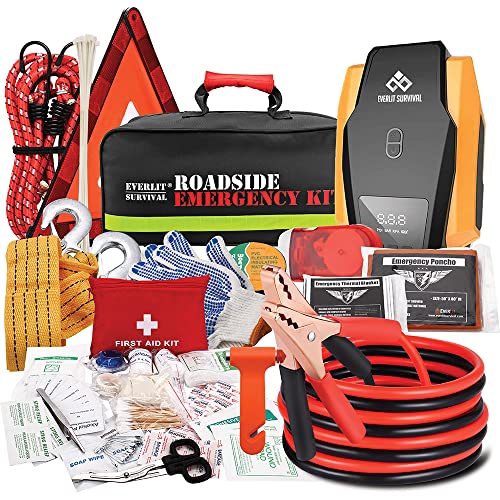
Lifeline AAA roadside kit - Best base kit
The Lifeline AAA kit gives you jumper cables, basic tools, a first aid kit, a tow strap, gloves, and a reflective triangle in one zippered case. The contents are quality-grade (not the dollar-store basics in cheaper kits) and the case fits in a standard trunk well. Use this as your foundation and upgrade individual items as needed.
Streamlight Stinger flashlight - Best flashlight
Changing a tire at night without a great flashlight is a misery. The Streamlight Stinger throws 800 lumens in a focused beam that turns a dark shoulder into daylight. Rechargeable, aluminum body, drop-tested far beyond what you would do to it accidentally. Battery holds charge between trips. A cheap headlamp is a nice add for hands-free work, but get the main flashlight right first.
Wagan 12V heated blanket - Best for winter
If you live somewhere snow happens, a 12V heated blanket is non-negotiable. Plug it into the cigarette outlet and stay warm while waiting for tow truck or AAA. The Wagan version reaches comfortable warmth in about five minutes and has a 45-minute auto-shutoff so it does not drain your battery. Folds small enough to live under the back seat.
What matters most
Build, do not just buy
Pre-made kits are a good shell but their cables and lights are usually weak. Upgrade what matters. - **Match to your climate:** Desert drivers need extra water; cold-climate drivers need warmth and traction aids. - **Test everything once a year:** Cables corrode, batteries die, items disappear. A 10-minute audit catches problems before you need them. - **Keep it accessible:** Items at the back of the trunk under groceries are useless. Reserve a corner of the trunk for the kit. - **Add a paper card with key numbers:** Roadside assistance, your insurance, an emergency contact. Phone batteries die exactly when you need them.
Frequently asked
A reliable way to call for help, like a charged phone or a portable jump starter with USB charging. Without communication, you're stuck.
Build your own. Pre-made kits often include low-quality items. You'll get better value and reliability by selecting each component yourself.
Every six months. Check expiration dates on food, water, and first aid supplies. Test the jump starter and air compressor to ensure they work.
Yes, if you drive often. An engine fire can spread quickly. A small ABC extinguisher can prevent a total loss.
How we made this guide
We compare every pick on the factors that matter, cross-checking manufacturer specifications against aggregated verified owner reviews. We rank independently and never take payment for placement. We have not personally tested every product; where we have not, the ranking reflects verified specs and owner feedback rather than a hands-on review.
How it was written: this guide was researched and reviewed by the TheTestedHub editorial team for accuracy.
Affiliate disclosure: TheTestedHub is reader-supported. When you buy through links on our site, we may earn a commission at no extra cost to you.
You might also like
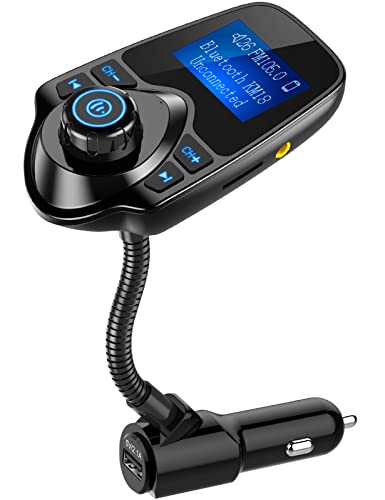
Expert Pick: Why the Nulaxy KM18 FM Transmitter Wins

The Right Scratch Remover for Any Depth, Any Budget

Ceramic Coating Kits Matching Your Skill Level

The Foam Cannons Worth Buying in 2026
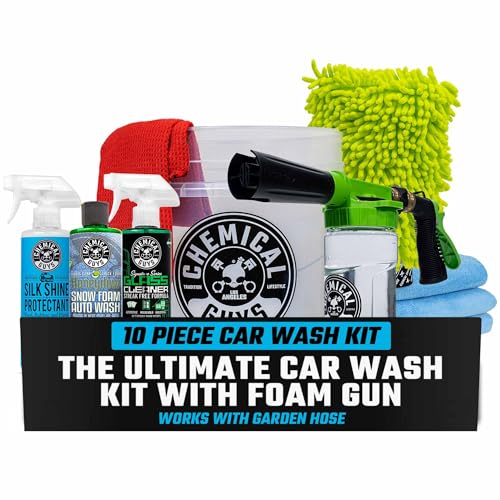
Car Cleaning Kits for a Scratch Free Shine

The 2026 Guide to the Best Portable EV Chargers

Choose the Right Level 2 EV Charger: 2026 Guide
