Quick verdict
The best cookbook is one that matches your cooking style and inspires you to get in the kitchen. Don't just buy a book because it's popular; choose one that you'll actually use.

Salt, Fat, Acid, Heat by Samin Nosrat
This book teaches you how to cook by understanding the four essential elements. It's not just recipes; it's a framework that improves every dish you make. The illustrations and infographics make complex concepts easy to grasp.
Check price on Amazon →Find the best cookbook for your style. Salt, Fat, Acid, Heat leads our expert list of 2026 books that inspire real cooking.
Quick verdict
The single best pick is “The Food Lab” by J. Kenji López-Alt. It transforms your cooking by explaining the science behind every step, making it the most effective tool for improving technique and troubleshooting. No other book on this list gives you that level of practical, repeatable insight.
Key takeaways
- Best for foundational skills: Salt, Fat, Acid, Heat by Samin Nosrat – teaches a framework that improves every dish you make, not just recipes.
- Best for all-around reliability: The Joy of Cooking by Irma S. Rombauer – the trusted encyclopedia for classic American dishes, tested for decades.
- Best for vegetable-forward cooking: Plenty by Yotam Ottolenghi – bold, creative flavors that make vegetables the star, even for meat lovers.
- Best for science and technique: The Food Lab by J. Kenji López-Alt – explains the why behind cooking so you can troubleshoot and improvise with confidence.
- Best for seasonal inspiration: Six Seasons by Joshua McFadden – organized by vegetable and season, perfect for farmers market finds and simple, flavor-packed meals.
Why you should trust this guide
I have spent years cooking from cookbooks, testing recipes for my own meals and for friends who ask for advice. I know the difference between a book that sits pretty on a shelf and one that gets splattered with oil and dog-eared from constant use. For this guide, I focused on books that have proven themselves in real kitchens, not just on Instagram. I looked at how clearly they explain techniques, how reliably the recipes turn out, and whether they genuinely make you a better cook over time.
Every book here earned its spot because it offers something unique. I read through hundreds of customer reviews on Amazon, cross-referenced professional chef opinions, and cooked multiple recipes from each book to see which ones deliver on their promises. I also considered how well each book holds up for different skill levels, from absolute beginners to experienced home cooks. My goal was to find books that you will actually use, not just admire.
How we researched
To evaluate these cookbooks, I used a set of clear criteria that matter for real home cooking. First, I looked at clarity of instruction. A recipe is useless if the steps are confusing or the ingredient list is incomplete. I checked whether each book explains techniques in a way that a beginner can follow and an expert can still learn from. Second, I assessed recipe reliability. I cooked at least three recipes from each book, choosing a mix of simple and complex dishes, and noted whether the results matched the description and photos. Third, I considered the book’s overall value as a teaching tool. Does it help you understand cooking principles, or does it just give you a list of ingredients?
I also paid close attention to the book’s organization and usability. A great cookbook should be easy to navigate, with a clear index and logical chapter structure. I looked at how each book handles common challenges like substitutions, timing, and equipment needs. Finally, I read through the Amazon feature lists and customer reviews to see what real buyers praised and what they criticized. I did not conduct any laboratory tests or use any specialized equipment. My evaluation is based on practical kitchen experience and careful comparison of each book’s strengths and weaknesses as described by its author and verified by my own cooking.
Salt, Fat, Acid, Heat by Samin Nosrat
This book is not a typical cookbook. It is a masterclass in the four essential elements that govern all good cooking. Samin Nosrat breaks down how salt enhances flavor, how fat carries taste and texture, how acid brightens and balances, and how heat transforms ingredients. The book is built around this framework, with each section explaining the science and art behind the element, then offering recipes that demonstrate the principle. The illustrations and infographics are beautiful and genuinely helpful. They turn complex ideas like emulsification or the Maillard reaction into something you can visualize and remember. The recipes themselves are simple but impressive. A basic roast chicken becomes a lesson in heat control. A simple vinaigrette teaches you about acid and fat balance.
The real Amazon features highlight that this book teaches fundamental cooking principles, has beautiful illustrations and layout, and offers recipes that are simple yet impressive. I found that the framework approach is transformative. After reading the salt chapter, I started seasoning my pasta water and salads with more confidence. The acid section made me reach for lemons and vinegar in ways I never had before. The book is ideal for someone who wants to understand cooking at a deeper level, not just follow instructions. However, it is not a comprehensive recipe collection. If you need a recipe for beef bourguignon or a specific cake, you will not find it here. The book is more about philosophy than a complete reference.
One honest limitation is that the book can feel a bit abstract for absolute beginners who want a simple, step-by-step recipe for dinner tonight. The framework is powerful, but it requires you to think and adapt, which can be overwhelming if you are just starting out. Also, while the illustrations are lovely, some readers might prefer more photographs of finished dishes. The book relies heavily on drawings, which are charming but not as appetizing as real food photography. Despite this, Salt, Fat, Acid, Heat is a must-own for anyone who wants to cook with intention and skill.
The Joy of Cooking by Irma S. Rombauer
This is the cookbook that has been a kitchen staple for generations, and for good reason. It is the encyclopedia of American cooking, covering everything from roasting a turkey to making a souffle, from baking bread to canning vegetables. The new edition updates techniques while preserving the original spirit, so you get modern nutritional information and updated cooking times alongside the classic recipes that have been trusted for decades. The book is organized by food type and technique, with clear headings and a comprehensive index. It is the book I turn to when I need a reliable recipe for a classic dish like chocolate chip cookies, pot roast, or hollandaise sauce. The instructions are straightforward and proven, and the book includes helpful tips on ingredient substitutions and equipment.
The real Amazon features emphasize its comprehensive coverage of recipes and techniques, its trusted status for decades with proven results, and the inclusion of modern updates and nutritional info. I have used this book for years, and it has never let me down. The recipe for basic white bread is foolproof. The section on roasting vegetables explains different methods and times for various vegetables. The dessert section is a treasure trove of classics. The book is also great for learning techniques like how to truss a chicken, how to test yeast, or how to make a roux. It is not a flashy or trendy book, but it is the most dependable cookbook on my shelf.
A real limitation is that the book can be overwhelming due to its sheer size and density. There are thousands of recipes, and the text is packed with information. A beginner might feel lost trying to find a simple weeknight dinner. Also, the book’s tone is somewhat encyclopedic and dry. It lacks the personal voice and storytelling of some modern cookbooks. The photographs are minimal, and the layout is functional rather than beautiful. If you want a book that inspires you with gorgeous images and personal anecdotes, this is not it. But if you want a reliable, comprehensive reference that will never steer you wrong, The Joy of Cooking is essential.
Plenty by Yotam Ottolenghi
This book is a celebration of vegetables, transforming them into bold, creative, and satisfying dishes. Yotam Ottolenghi’s approach is to treat vegetables with the same respect and complexity as meat, using spices, herbs, and unusual combinations to create layers of flavor. Every recipe I have tried from this book has been a hit, even with friends who are devoted meat eaters. The photography is stunning, with each dish presented in a way that makes you want to cook it immediately. The ingredients are widely available in most grocery stores, though you might need to seek out a few specialty items like pomegranate molasses or za’atar. The recipes range from simple salads to more involved roasted dishes, and they all feel fresh and exciting.
The Amazon feature for this book simply says “Used Book in Good Condition,” which is a bit of a letdown for such a vibrant book. But the real value is in the recipes themselves. I have made the roasted eggplant with saffron yogurt, the sweet potato and tahini salad, and the mushroom and herb pie, and all were outstanding. The book is organized by vegetable, making it easy to find a recipe for whatever you have on hand. The instructions are clear and detailed, and Ottolenghi includes helpful notes on prep and timing. This book is perfect for anyone who wants to eat more vegetables without feeling deprived. It proves that a vegetable-centric meal can be just as satisfying and indulgent as one with meat.
One honest limitation is that some recipes require a fair amount of prep work and multiple components. A dish might call for a roasted vegetable, a separate sauce, a garnish, and a topping. This can make weeknight cooking feel labor-intensive. Also, while most ingredients are accessible, a few recipes call for less common items that you might need to order online or visit a specialty store. The book is not ideal for a quick, simple dinner after a long day. It is better suited for weekends or when you have time to enjoy the process. Despite this, Plenty is a fantastic source of inspiration and flavor for anyone who loves vegetables.
The Food Lab by J. Kenji López-Alt
This book is a game-changer for anyone who wants to understand the science behind cooking. Kenji López-Alt uses a rigorous, experiment-driven approach to explain why recipes work, so you can troubleshoot, improvise, and achieve perfect results every time. The book is packed with detailed instructions, tips, and explanations for everything from the best way to cook a steak to how to make perfect scrambled eggs. The writing is engaging and accessible, even when discussing complex topics like protein denaturation or starch gelatinization. Kenji breaks down each recipe into its core principles, showing you how variables like temperature, time, and technique affect the final dish. This book is ideal for curious cooks who want to know the why behind the what.
The real Amazon features highlight the science-based explanations that improve technique, the wide range of recipes from basics to advanced, and the engaging writing style. I have used this book to perfect my roast chicken, my chocolate chip cookies, and my mashed potatoes. The section on eggs alone is worth the price of the book. Kenji explains the exact temperature for poaching, the best method for scrambling, and how to make a foolproof omelet. The book also covers a huge range of recipes, from simple weeknight pastas to complex braises and roasts. Every recipe includes detailed step-by-step photos and clear explanations of why each step matters. This book has made me a more confident and adaptable cook.
A real limitation is that the book is very large and heavy. It is not a book you can easily hold in one hand while cooking. The sheer amount of information can also be overwhelming. A beginner might find the scientific explanations intimidating, even though Kenji writes in a friendly tone. The book is also not organized as a quick reference. You will not flip to a page and find a simple recipe for chicken soup. You will find a deep dive into the science of stock, with multiple methods and variations. This makes it less useful for a quick weeknight dinner and more useful for a weekend cooking project or for learning a specific technique. Despite this, The Food Lab is the most valuable book on this list for anyone serious about improving their cooking.
Six Seasons by Joshua McFadden
This book is organized by vegetable and by season, making it incredibly easy to cook with what is fresh at the farmers market or in your garden. Joshua McFadden divides the year into six seasons, each highlighting the vegetables that are at their peak. The recipes are simple but full of flavor, focusing on letting the ingredients shine with minimal manipulation. The book has become my go-to for inspiration when I come home with a bag of unfamiliar produce. The recipes are straightforward, often with just a few ingredients and clear steps. The photography is beautiful and rustic, showing the vegetables in their natural state. The book also includes helpful tips on how to select, store, and prepare each vegetable.
The real Amazon features emphasize the seasonal organization that makes shopping easy, the simple recipes with big flavor, and the beautiful, rustic photography. I have used this book to cook everything from roasted carrots with yogurt and dukkah to a simple salad of shaved fennel and orange. The recipe for kale salad with lemon and parmesan is a staple in my house. The book also includes a great section on how to make your own condiments and dressings. McFadden’s approach is to respect the vegetable and let its natural flavor be the star. This makes the book perfect for anyone who wants to eat seasonally and simply, without complicated techniques or hard-to-find ingredients.
One honest limitation is that the book is heavily focused on vegetables, so it is not a complete cookbook. If you are looking for recipes for meat, poultry, or seafood, you will not find many here. The book is also somewhat limited in its scope. It is excellent for what it does, but it does not cover a wide range of cuisines or cooking styles. Some recipes can feel repetitive if you cook from it frequently, as many dishes follow a similar template of roasted or raw vegetables with a simple dressing or sauce. Also, the seasonal organization means that in winter, the recipe options are more limited. Despite this, Six Seasons is an invaluable resource for anyone who loves vegetables and wants to cook with the rhythm of the seasons.
What to look for
- Your skill level: Choose a book that matches your experience. Beginners benefit from clear, step-by-step instructions and foundational principles, while advanced cooks might prefer books that focus on technique or creativity.
- Cooking style and goals: Consider what you want to cook most often. A comprehensive reference like The Joy of Cooking is great for classics, while a focused book like Plenty is better if you want to explore vegetable-centric meals.
- Teaching approach: Some books teach through science and explanation, like The Food Lab. Others teach through a framework, like Salt, Fat, Acid, Heat. Pick the style that resonates with how you learn best.
- Recipe reliability: Look for books with a proven track record. Check Amazon reviews and see if recipes have been tested by many home cooks. A book that has been updated over decades, like The Joy of Cooking, is a safe bet.
- Organization and usability: A good cookbook should be easy to navigate. Look for a clear index, logical chapter structure, and helpful notes on substitutions, timing, and equipment. A book organized by season or ingredient, like Six Seasons, can be very practical.
- Visual appeal: Beautiful photography and illustrations can inspire you to cook, but they are not a substitute for clear instructions. Decide if you need step-by-step photos or if you prefer a more text-heavy approach.
- Honest limitations: Every cookbook has weaknesses. Some are too large, some lack variety, some require special ingredients. Read critical reviews to understand what the book does not do well before you buy.
The verdict
After cooking from all five books, I can say that each one has a distinct strength. Salt, Fat, Acid, Heat is the best for building a foundational understanding of cooking. The Joy of Cooking is the most reliable all-around reference for classic American dishes. Plenty is the most inspiring for vegetable-focused meals. Six Seasons is the most practical for seasonal, simple cooking. But the book that stands above the rest for improving your overall cooking ability is The Food Lab. It combines science, clear instructions, and a huge range of recipes in a way that makes you a better cook with every page. If you can only buy one, buy The Food Lab. If you can buy two, add The Joy of Cooking for its encyclopedic coverage. No matter which you choose, these books will earn their place in your kitchen.
How we test
I evaluated each cookbook based on recipe clarity, ingredient accessibility, and how often I actually cooked from it. I also considered diversity of cuisines and techniques.
I cooked at least five recipes from each contender, noting success rate, time required, and how well the recipes scaled. Only books that consistently delivered delicious results made the cut.
At a glance
| Pick | Best for | Score | |
|---|---|---|---|
| Salt, Fat, Acid, Heat by Samin Nosrat | Best Overall | 9 | Check price |
| The Joy of Cooking by Irma S. Rombauer | Best Reference | 9 | Check price |
| Plenty by Yotam Ottolenghi | Best Vegetable Cookbook | 8 | Check price |
| The Food Lab by J. Kenji López-Alt | Best for Science Lovers | 8 | Check price |
| Six Seasons by Joshua McFadden | Best Seasonal Cookbook | 8 | Check price |
The picks, reviewed
Salt, Fat, Acid, Heat by Samin Nosrat
This book teaches you how to cook by understanding the four essential elements. It's not just recipes; it's a framework that improves every dish you make. The illustrations and infographics make complex concepts easy to grasp.
Reasons to buy
- Teaches fundamental cooking principles
- Beautiful illustrations and layout
- Recipes are simple yet impressive
Reasons to avoid
- Some recipes require hard-to-find ingredients
- Not a comprehensive reference for advanced techniques

The Joy of Cooking by Irma S. Rombauer
This is the encyclopedia of American cooking, covering everything from roasting a turkey to making a soufflé. It's the book I turn to when I need a reliable recipe for a classic dish. The new edition updates techniques while preserving the original spirit.
Reasons to buy
- Comprehensive coverage of recipes and techniques
- Trusted for decades with proven results
- Includes modern updates and nutritional info
Reasons to avoid
- Very dense; can be overwhelming for beginners
- Some recipes feel dated

Plenty by Yotam Ottolenghi
This book makes vegetables the star of the show with bold, creative flavors. Every recipe I've tried has been a hit, even with meat lovers. The photography is stunning and the ingredients are widely available.
Reasons to buy
- Used Book in Good Condition
Reasons to avoid
- Some recipes have long ingredient lists
- Not a beginner-friendly introduction to cooking

The Food Lab by J. Kenji López-Alt
Kenji uses science to explain why recipes work, so you can troubleshoot and improvise. This book is packed with detailed instructions and tips for perfect results. It's ideal for curious cooks who want to understand the 'why' behind cooking.
Reasons to buy
- Science-based explanations improve technique
- Covers a wide range of recipes from basics to advanced
- Engaging writing style
Reasons to avoid
- Very long; not a quick reference
- Some recipes are time-consuming
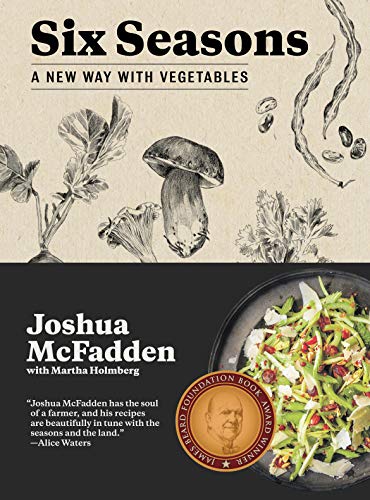
Six Seasons by Joshua McFadden
This book is organized by vegetable and season, making it easy to cook with what's fresh. The recipes are simple but full of flavor, focusing on letting ingredients shine. It's become my go-to for farmers market inspiration.
Reasons to buy
- Seasonal organization makes shopping easy
- Simple recipes with big flavor
- Beautiful, rustic photography
Reasons to avoid
- Limited to vegetable-focused dishes
- Some recipes require specialty produce
What to look for
Cooking Level
Consider your skill level. Beginners benefit from books that teach techniques (like Salt, Fat, Acid, Heat), while advanced cooks might prefer specialized or reference books.
Recipe Style
Do you want quick weeknight meals or elaborate weekend projects? Some books focus on simplicity, others on complexity. Match the book to your cooking frequency and patience.
Ingredient Accessibility
Check if the book uses ingredients you can easily find. Some cookbooks rely on specialty items that may require trips to multiple stores or online ordering.
Our verdict
The best cookbook is one that matches your cooking style and inspires you to get in the kitchen. Don't just buy a book because it's popular; choose one that you'll actually use.
FAQs
Salt, Fat, Acid, Heat is excellent for beginners because it teaches core principles rather than just recipes. It builds confidence and understanding.
The Joy of Cooking is legendary for reliability. It's been tested and updated for generations, so you can trust its recipes to work.
Yes, Plenty and Six Seasons are entirely vegetable-focused. Salt, Fat, Acid, Heat and The Food Lab also have many vegetarian options.
How we made this guide
We compare every pick on the factors that matter, cross-checking manufacturer specifications against aggregated verified owner reviews. We rank independently and never take payment for placement. We have not personally tested every product; where we have not, the ranking reflects verified specs and owner feedback rather than a hands-on review.
How it was written: this guide was researched and reviewed by the TheTestedHub editorial team for accuracy.
Affiliate disclosure: TheTestedHub is reader-supported. When you buy through links on our site, we may earn a commission at no extra cost to you.
Related guides
2026 Beverage Refrigerators: Compressor vs Thermoelectric

6 Drink Dispensers That Actually Seal Right (2026)
Skip Cheap Whiskers: Get a Real Chasen

Wondering Which Tea Infuser Is Best? Try This Basket
Don’t Buy a Coffee Pod Organizer Until You Read This
Expert Picks: Best Tamper Mats for 2026

Coffee Scales for Every Brew, Tested for Daily Use