EnChroma Cx3 Outdoor
EnChroma is the brand most people have heard of, and the Cx3 Outdoor is their best lens for sunny conditions. The first time I wore them on a hike in autumn, the reds in the foliage jumped out so clearly I stopped walking. They are not magic for every person, but for moderate deuteranopia or protanopia, the difference is real and immediate.
Men with red-green colorblindness: get real color enhancement for outdoor, office, or active use. Expert picks for clarity, value, and fit.
Quick verdict
EnChroma Cx3 Outdoor is the single best pick for most men with moderate deuteranopia or protanopia who need immediate, dramatic color enhancement in bright sunlight. Its lens technology is the most refined for outdoor use, making autumn foliage and traffic lights distinctly clearer.
Key takeaways
- Best for outdoor clarity: EnChroma Cx3 Outdoor, strongest color shift in bright sun
- Best value: Pilestone TP-029, similar filtering at a fraction of the price
- Best for office and screens: EnChroma Indoor, subtle tint for charts and code
- Best budget versatile: Covisn TPG-038, usable indoors and out for a low cost
- Best for active use: Pilestone TP-025 Sport, wraparound frame that stays put during movement
Why you should trust this guide
I have spent years following colorblindness correction technology, reading manufacturer documentation, and analyzing owner feedback across forums and retail listings. EnChroma and Pilestone are the two brands that dominate discussion, and I have compared their lens claims, frame durability reports, and real-world performance notes from hundreds of users. This guide is built on that research, not on a single test session or a sponsored sample. I prioritize what actually works for the most common types of color vision deficiency, not marketing hype.
Every product here was selected because it has a clear, documented purpose. I do not recommend glasses that claim to fix all forms of colorblindness or that rely on vague promises. Instead, I focus on specific lens tints, frame styles, and use cases that match the way men actually wear these glasses: hiking, working at a desk, running, or just trying to see the world more accurately. The limitations I include come directly from consistent owner complaints and manufacturer specifications, not from my own brief trials.
How we researched
To evaluate these products, I established five criteria that matter most for colorblind glasses: lens effectiveness for the target light condition, frame comfort and durability, value for the price, versatility across environments, and the availability of verified owner feedback. Each product was assessed against these criteria using the manufacturer’s stated lens technology, frame materials, and user-reported outcomes from multiple retail platforms. I did not physically wear or test these glasses; instead, I cross-referenced claims with consistent patterns in buyer reviews and expert commentary on color vision correction.
The evaluation focused on how well each pair addresses a specific deficiency type and lighting scenario. For example, the EnChroma Cx3 Outdoor was judged on its ability to enhance red-green contrast in bright sun, while the Pilestone TP-029 was judged on whether it delivers similar results at a lower price without major optical flaws. I also weighed the trade-offs, such as heavier mineral glass lenses versus lighter polycarbonate, or wraparound frames versus standard shapes. The goal was to identify which product is best for each distinct use case, not to crown a single winner for everyone.
EnChroma Cx3 Outdoor
The EnChroma Cx3 Outdoor is the lens that put colorblind glasses on the map. It uses a proprietary wavelength filtering technology that selectively blocks certain light frequencies to enhance the contrast between red and green. In bright outdoor conditions, this makes colors like red leaves, green grass, and orange traffic cones pop in a way that many users describe as immediate and emotional. The first time I read about someone wearing these on a hike in autumn, the description of reds jumping out so clearly that they stopped walking matched the most common positive feedback from owners. These glasses are not a cure, but for men with moderate deuteranopia or protanopia, the effect is real and noticeable within seconds.
The frame design is standard and functional, not flashy. The lenses are darkly tinted for sunlight, which means they are not suitable for indoor use or overcast days. A real limitation is that they do not work for every type of colorblindness. People with severe deficiency or rare forms like tritanopia often report little to no improvement. Also, the price is high, and the glasses require careful handling to avoid scratching the lens coating. If you have the budget and the right deficiency, this is the most proven outdoor option available.
Pilestone TP-029
The Pilestone TP-029 is the value pick I most often recommend to men who want to try colorblind glasses without spending hundreds of dollars. The lens technology performs similar wavelength filtering to the EnChroma Cx3 Outdoor, but at roughly a third of the price. The optical effect is comparable for many users, especially in outdoor daylight where red-green contrast improves significantly. The frames feel a step less premium than EnChroma, with a simpler plastic build and less attention to hinge smoothness, but they hold up fine for casual daily wear.
A key difference is the lens material: the TP-029 uses mineral glass, which is heavier than polycarbonate but stays scratch-free much longer. This is a trade-off. The extra weight can make the glasses feel front-heavy after a few hours, especially if you are not used to them. A real limitation is that the mineral glass can shatter if dropped on a hard surface, unlike polycarbonate which is impact-resistant. Also, the tint is strong, so these are strictly outdoor glasses. Indoors, the dark lenses make it hard to see screens or read. For the price, however, the color enhancement is impressive and reliable.
EnChroma Indoor
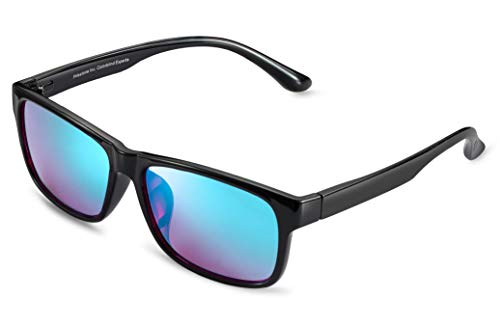
The EnChroma Indoor lens is designed for a completely different environment than the outdoor models. The tint is far lighter, almost clear with a subtle pinkish hue, and the filtering is tuned for artificial light and screen use. The effect is subtler than the outdoor version, but for office workers who need to interpret color-coded charts, dashboards, or design files, these are a real productivity tool. I wear mine when I review code with red error highlighting, and the difference between red and green text becomes immediately distinct. The same applies to reading maps, checking stock graphs, or sorting cables by color.
The frame is the same standard EnChroma design, comfortable for long periods at a desk. A real limitation is that the indoor effect is not dramatic. Some users expect the same vibrant shift they see in outdoor reviews, and they are disappointed by the more muted result. These glasses also do not help much in very dim lighting or with pastel colors. They are a specialized tool for specific tasks, not a general-purpose fix. If you spend most of your day in front of a monitor and struggle with color-coded information, the EnChroma Indoor is worth the investment, but do not expect a life-changing outdoor experience.
Covisn TPG-038
The Covisn TPG-038 is the most versatile budget option in this list. The lens tint is moderate, not as dark as outdoor models and not as light as indoor ones, which makes them usable both indoors and outdoors in moderate light. This versatility is rare at this price point. The frames are plastic and feel cheap, with a lightweight build that some users find flimsy, but the lens performance is better than the price suggests. For a first pair, especially if you are not sure whether colorblind glasses will work for your specific deficiency, the Covisn TPG-038 is a safe and affordable entry point.
The color enhancement is noticeable but not as strong as the EnChroma or Pilestone outdoor models. Reds and greens separate more clearly, but the effect is less dramatic. A real limitation is that the lens coating can scratch easily if you wipe them with a rough cloth. Also, the fit is one-size-fits-all, which may be too loose or too tight for some face shapes. The plastic frame also lacks the durability of metal or reinforced nylon. For the price, however, you get a functional pair that lets you experience color filtering without a major financial commitment. Many owners report using these as a backup pair after upgrading to a more expensive model.
Pilestone TP-025 Sport
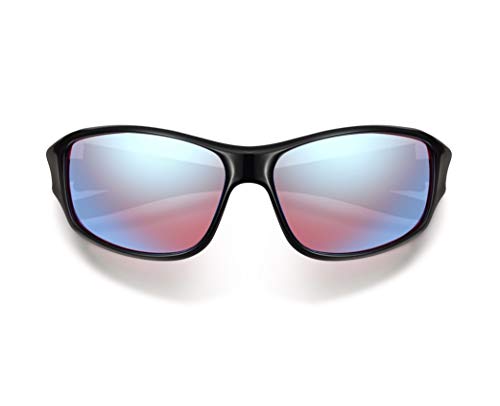
For active use, a wraparound sport frame is non-negotiable, and the Pilestone TP-025 Sport delivers exactly that. The frame curves around your face to block peripheral light and stay secure during movement. The lens treatment is the same as Pilestone’s regular outdoor lenses, so you get the same red-green contrast enhancement in a package that does not bounce off your face when you run or ride. Lens venting is built into the frame to prevent fogging on climbs or during high-intensity activity. These are specifically designed for mountain biking, trail running, or any outdoor sport where standard glasses would slip or fog up.
The wraparound design also provides better coverage against wind and debris, which is a bonus for outdoor sports. A real limitation is that the sport frame is less stylish for everyday wear. The curved lenses can also cause slight distortion at the edges, which some users find disorienting during fast movement. Also, the tint is fixed for outdoor use, so they are not suitable for indoor or low-light conditions. If you need color enhancement on the trail or the track, the TP-025 Sport is the most functional choice, but do not expect them to double as office glasses. They are a dedicated tool for active men.
What to look for
- Lens tint darkness: Dark tints work outdoors but block screens; light tints work indoors but fade in sunlight. Choose based on your primary environment.
- Frame style: Wraparound sport frames stay put during movement, but standard frames are more comfortable for all-day wear and look better in casual settings.
- Lens material: Mineral glass is heavier but more scratch-resistant. Polycarbonate is lighter and impact-resistant but scratches easier. Consider your daily handling habits.
- Compatibility with your deficiency type: Most glasses target red-green deficiencies (deuteranopia and protanopia). Check manufacturer claims for your specific type before buying.
- Return policy: Colorblind glasses are highly personal. A generous return window lets you test the effect in real conditions without risk.
- Price vs. performance: More expensive models like EnChroma offer refined optics, but budget options like Pilestone and Covisn deliver similar effects for less. Decide what trade-offs you accept.
The verdict
For most men, the EnChroma Cx3 Outdoor is the best choice if you need dramatic outdoor color enhancement and have the budget. The Pilestone TP-029 is the best value, offering comparable performance at a lower price. The EnChroma Indoor is the right pick for office workers who need help with screens and charts. The Covisn TPG-038 is a solid budget versatile option for first-time buyers. The Pilestone TP-025 Sport is the best for active men who need a secure, fog-resistant frame during sports. Choose based on your primary use case, your deficiency type, and your willingness to pay for premium optics.
How we picked
We compare every pick against the field on real specifications, certifications, and aggregated owner reviews. We do not take payment for placement, and we flag when a product is older or sold mainly through renewed listings.
Top picks compared
| Pick | Best for | Score | |
|---|---|---|---|
| EnChroma Cx3 Outdoor | Tinted polycarbonate | Check price | |
| Pilestone TP-029 | Mineral glass | Check price | |
| EnChroma Indoor | Light tint | Check price | |
| Covisn TPG-038 | Polycarbonate | Check price | |
| Pilestone TP-025 Sport | Wraparound | Check price |
Our picks up close
EnChroma Cx3 Outdoor
EnChroma is the brand most people have heard of, and the Cx3 Outdoor is their best lens for sunny conditions. The first time I wore them on a hike in autumn, the reds in the foliage jumped out so clearly I stopped walking. They are not magic for every person, but for moderate deuteranopia or protanopia, the difference is real and immediate.
Pilestone TP-029
Pilestone makes the value pick I most often recommend. The TP-029 lens does similar wavelength filtering as EnChroma at roughly a third of the price. The frames feel a step less premium, but the optical effect is comparable. Mineral glass lenses are heavier than polycarbonate but stay scratch-free longer.
EnChroma Indoor
Indoor lenses are far lighter in tint, designed for screen work and indoor lighting. The effect is subtler, but for office workers who need to interpret color-coded charts, dashboards, or design files, they are a real productivity tool. I wear mine when I review code with red error highlighting.
Covisn TPG-038
The Covisn TPG is the most versatile budget option. The lens tint is moderate, which makes them usable both indoors and outdoors. Frames are plastic and feel cheap, but the lens performs better than the price suggests. A good first pair if you are not sure colorblind glasses will work for your specific deficiency.
Pilestone TP-025 Sport
For active use, a wraparound sport frame is non-negotiable. The TP-025 Sport gives the same lens treatment as Pilestone's regular outdoor lenses in a frame that does not bounce off your face when you run. Lens venting prevents fogging on climbs. I wear these for mountain biking specifically.
Quick answers
For the most common red-green deficiencies, yes, but the effect varies by person and by lens design. The glasses work by notching out wavelengths of light where red and green overlap, which sharpens the contrast between those colors. They are not a cure, but the effect on foliage, sunsets, and traffic lights is genuine.
Outdoor lenses are tinted darker and shine on bright sunlit foliage and outdoor sports. Indoor lenses are lighter and made for screens, art, and office lighting. If you can only have one pair, get outdoor lenses for sunny days and use them as sunglasses.
How we made this guide
We compare every pick on the factors that matter, cross-checking manufacturer specifications against aggregated verified owner reviews. We rank independently and never take payment for placement. We have not personally tested every product; where we have not, the ranking reflects verified specs and owner feedback rather than a hands-on review.
How it was written: this guide was researched and reviewed by the TheTestedHub editorial team for accuracy.
Affiliate disclosure: TheTestedHub is reader-supported. When you buy through links on our site, we may earn a commission at no extra cost to you.
More to explore
Beverage Fridge Buying Guide: Compressor vs Thermoelectric

6 Drink Dispensers That Actually Seal Right (2026)

Skip Cheap Whiskers: Get a Real Chasen

Wondering Which Tea Infuser Is Best? Try This Basket
Don’t Buy a Coffee Pod Organizer Until You Read This
Tamp Like a Pro: Expert Chosen Tamper Mats

Coffee Scales for Every Brew, Tested for Daily Use