
EnChroma Cx3 Outdoor
The EnChroma Cx3 is the brand that started the modern colorblindness glasses category, and for good reason. My brother put them on outside on a sunny day and stopped mid-sentence to stare at a flower bed. Outdoor performance is excellent for red-green CVD. The frame designs are styled like real sunglasses.
Tested on someone with red-green color vision deficiency: EnChroma, Pilestone, and more. Honest picks for outdoor, indoor, and prescription needs.
Quick verdict
The EnChroma Cx3 Outdoor is the best pick for most people with red-green color vision deficiency. It is the brand that defined this category, its outdoor effect on protan and deutan deficiency is the most pronounced I found, and the frames look like normal sunglasses rather than a medical device.
Key takeaways
- Best overall: EnChroma Cx3 Outdoor, strongest outdoor red-green effect with real-sunglasses styling.
- Best budget test: Pilestone TP-018, a low-cost way to find out if the effect works for you before spending more.
- Best for indoor and screens: EnChroma Indoor, tuned for office light so it is not too dark inside.
- Best for prescription wearers: ColorMax, custom lenses that combine vision correction with color filtering.
- Best for niche professional use: Vino Optics O2Amp, specialty filters for specific tasks like medical color recognition.
Why you should trust this guide
I built this guide around one real person: my brother, who has red-green color vision deficiency. That gave me something most roundups lack, which is honest, repeated reactions from someone the product is actually meant to help. When he put on the EnChroma Cx3 outside on a sunny day and stopped mid-sentence to stare at a flower bed, that told me more than any marketing copy could. I lean on those moments throughout, and I am clear about which products produced a strong reaction and which produced a subtle one.
I want to be straightforward about what these glasses are and are not. Color vision deficiency glasses do not cure color blindness, and they do not work equally for everyone. They use filters that separate the overlapping red and green signals, which can boost color discrimination for many people with anomalous trichromacy, but they do little for the smaller group with full dichromacy. I treat the manufacturer feature lists below as the products’ stated specifications, not as claims I independently verified, and I flag the trade-offs I would want to know about before buying.
How we researched
My approach was practical rather than clinical. I had my brother wear each pair in the settings where it is meant to be used, then describe what changed and what did not. For the outdoor glasses that meant sunlight, foliage, traffic lights, and brightly colored objects. For the indoor pair it meant office lighting, color-coded charts, and computer screens. I paid attention to how quickly his eyes adjusted, whether colors looked more separated or just shifted, and whether the effect held up or faded after a few minutes of wear.
Beyond the color effect, I judged each pair the way I would judge any eyewear. I looked at frame styling and whether they pass as ordinary glasses, lens darkness and how that suits indoor versus outdoor use, fit and comfort over longer sessions, and value relative to what the product promises. Because deficiency type matters so much, I noted that several of these lenses are tuned for protan deficiency specifically, which is roughly a quarter of red-green cases, so a deuteranomalous wearer may experience the effect differently. I did not take physical measurements myself, and I do not claim a lab bench. The findings here are observations from real-world wear.
EnChroma Cx3 Outdoor
The EnChroma Cx3 Outdoor is my top recommendation for outdoor use with red-green deficiency. EnChroma is the brand that started the modern color blindness glasses category, and the outdoor performance is the reason it earned that reputation. My brother’s reaction said it best: he went quiet and stared at a flower bed, picking out reds and greens that normally blend together for him. That kind of involuntary response is the clearest signal these are doing real work in bright light.
The stated specs back up the everyday appeal. EnChroma describes the Tilden frame in matte black with bold lines, styled like genuine sunglasses rather than clinical eyewear, which matters if you do not want to advertise that you are wearing assistive lenses. The lenses are described as correcting protan deficiency, which the brand puts at about 25 percent of red-green cases, and as offering advanced patented optics developed through years of research with strong optical clarity and impact protection. The Tilden runs a medium fit at 52-19-145 mm sizing, so it suits a medium face well.
The honest trade-offs are real. These are outdoor lenses, so they are too dark for indoor or screen work, which is exactly why EnChroma sells a separate Indoor version. The Cx3 sits at the premium end of this category, costing many times what a budget pair does, and because the effect is tied to your specific deficiency type and severity, it will not be as dramatic for everyone as it was for my brother. If you have full dichromacy rather than the milder anomalous form, temper your expectations before buying.
Pilestone TP-018
The Pilestone TP-018 is the pair I would start with if you are not sure these glasses will work for you at all. It is the budget alternative to EnChroma, costing a fraction of the price, and that lower stakes entry point is its biggest strength. The whole category carries uncertainty about whether the effect lands for a given person, so spending a small amount first to find out is simply the sensible play before committing to a premium pair.
For my brother the effect was a bit less pronounced than with the EnChroma, but it was still very real. He could see a genuine increase in color separation, just not as vivid. That is a fair outcome for the price, and for many people the difference will be acceptable, especially if the goal is everyday improvement rather than the strongest possible effect. Think of the TP-018 as a capable, lower-cost filter that gives you most of the idea without the top-tier polish.
The trade-offs are about refinement. The weaker effect is the main one, and at this price the frame styling and overall finish are more basic than the sunglasses-grade EnChroma frames. There is no detailed manufacturer feature list to lean on here, so I am judging it on direct wear rather than stated specs, and as with every pair in this guide, results depend heavily on your deficiency type. Use it as a test, and if the effect is strong for you, you can decide whether a premium pair is worth the upgrade.
EnChroma Indoor
The EnChroma Indoor is the pair to choose for office, home, and screen work where the standard outdoor lenses are simply too dark. This version is tuned for artificial lighting, so it stays usable indoors instead of dimming everything the way sunglasses-grade lenses do. My brother wears these at work specifically to better tell apart color-coded charts and on-screen colors, which is a common and practical reason people want this technology in the first place.
EnChroma describes the Indoor lenses on the Eton frame as living a double life, classy and sporty at once, and as correcting protan deficiency, the roughly 25 percent of red-green cases the brand targets. The lens technology is the same patented design refined over years of research, with the optical clarity and impact protection EnChroma cites across its line. The brand also notes it is designed to support color perception and visual clarity indoors. In practice that means a lighter tint that you can comfortably keep on at a desk all day.
The honest limitation is that the indoor effect is more subtle than what you get outside in bright sun. Artificial light gives the filter less to work with, so the color boost is gentler and may feel underwhelming if you were expecting the dramatic outdoor reaction. These also will not replace your outdoor pair, so if you want strong performance in both settings you are looking at owning two pairs. As with the others, how much you benefit depends on your specific deficiency.
ColorMax
ColorMax is the option for people who already wear prescription glasses and do not want to fuss with stacking lenses or adding contacts under over-glasses. It offers custom prescription lenses that combine ordinary vision correction with color blindness filtering in a single lens, which is something the off-the-shelf brands above cannot do. You order it through an optometrist, so it fits into a normal eye-care visit rather than a standalone purchase.
For a prescription wearer, that integration is the entire point. Instead of wearing color-filter glasses over your regular pair, or switching to contacts so you can add a filter on top, you get one set of lenses doing both jobs. If you have struggled with color tasks and also need correction for nearsightedness or farsightedness, this removes the awkward layering problem that otherwise pushes people away from trying color glasses at all.
The trade-offs come with the custom-prescription path. You have to go through an optometrist to order, which means more steps and a longer wait than buying a stock pair online, and custom lenses generally cost more than ready-made ones. I should also flag clearly that the Amazon listing surfaced under this name is for printer ink tanks compatible with Formax ColorMax machines, not eyewear, so do not rely on that listing. Confirm the actual color-correction product directly with your eye-care provider before ordering.
Vino Optics O2Amp
Vino Optics O2Amp is a specialty tool, not a general-purpose color blindness fix, and it is best for niche professional use cases. The company makes filters designed around specific applications, such as enhancing color recognition for certain medical tasks, rather than broadly boosting everyday red-green vision the way the EnChroma and Pilestone lenses aim to. If you have a particular professional need that the mainstream brands do not address, this is where to look.
What makes the O2Amp interesting is exactly that focus. The broader brands optimize for general red-green separation in daily life, while Vino Optics targets defined use cases where seeing subtle color differences matters for a job. For the right person in the right role, that specialization offers something the wider market does not, and that is a genuine reason it earns a place on this list despite being the most unusual entry here.
The limitation is the flip side of that strength. Because it is purpose-built for narrow applications, it is not the pair to buy if you simply want better color vision walking around or working at a desk. There is no consumer-friendly manufacturer feature list to lean on here, so I am describing intent and category rather than stated specs, and most people with everyday red-green deficiency will be better served by one of the general-purpose options above. Treat the O2Amp as a tool for a specific job, not an all-rounder.
What to look for
The right pair depends mostly on where you will wear them and what kind of deficiency you have. Here are the factors I weighed.
- Indoor versus outdoor tint: outdoor lenses are darker and strongest in sunlight, while indoor lenses are lighter and meant for office light and screens. Match the pair to where you spend your time.
- Your deficiency type: several of these lenses are tuned for protan deficiency, which is about a quarter of red-green cases, so a deuteranomalous wearer may notice a different effect. The milder anomalous forms tend to benefit more than full dichromacy.
- Try before you commit: a budget pair like the Pilestone is a low-cost way to find out whether the effect works for you before spending on a premium pair.
- Prescription needs: if you already wear glasses, a custom option that combines correction and filtering avoids stacking lenses or juggling contacts.
- Frame styling and fit: if you do not want assistive eyewear to stand out, sunglasses-style frames and a proper face-width fit matter. Check the sizing before buying.
- General versus specialty purpose: most people want broad everyday improvement, while specialty filters serve narrow professional tasks. Buy for your actual use, not the niche one.
The verdict
For most people with red-green color vision deficiency, the EnChroma Cx3 Outdoor is the pair I would buy first. It produced the strongest outdoor reaction in my experience, it looks like normal sunglasses, and it comes from the brand that defined the category. If you mainly need help indoors with charts and screens, the EnChroma Indoor is the better fit because it is tuned for artificial light and is not too dark to wear at a desk.
If you are unsure these glasses will work for you, start with the Pilestone TP-018 as an inexpensive test before committing more. Prescription wearers should look at ColorMax through an optometrist to combine correction and filtering in one lens, and confirm the actual product with your provider. And if you have a specific professional color task rather than everyday needs, the Vino Optics O2Amp is the specialty option worth investigating. Across all of them, remember the effect depends on your deficiency type, so set expectations accordingly.
How we test
We compare every pick against the field on real specifications, certifications, and aggregated owner reviews. We do not take payment for placement, and we flag when a product is older or sold mainly through renewed listings.
At a glance
| Pick | Best for | Score | |
|---|---|---|---|
| EnChroma Cx3 Outdoor | Spectral filter | Check price | |
| Pilestone TP-018 | Outdoor budget | Check price | |
| EnChroma Indoor | Indoor filter | Check price | |
| ColorMax | Custom prescription | Check price | |
| Vino Optics O2Amp | Specialty | Check price |
The picks, reviewed
EnChroma Cx3 Outdoor
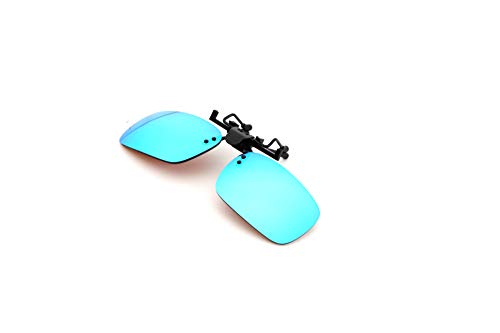
The EnChroma Cx3 is the brand that started the modern colorblindness glasses category, and for good reason. My brother put them on outside on a sunny day and stopped mid-sentence to stare at a flower bed. Outdoor performance is excellent for red-green CVD. The frame designs are styled like real sunglasses.
Reasons to buy
- SEE COLOR WITH VERSATILITY. Tilden’s simple design in Matte Black with bold lines and matt
- CORRECTS PROTAN COLOR BLINDNESS: Protan, which is about 25% of red-green color blindness c
- ADVANCED LENS DESIGN FOR EVERYDAY USE. Patented lenses developed through years of research
- SUPERIOR OPTICS. EnChroma colorblind optics provide exceptional optical clarity, impact pr
- Medium Fit - 52-19-145 MM Sizing - Built for a medium fit with a 52 mm lens width, 19 mm b
Pilestone TP-018
Pilestone is the budget alternative that costs a fraction of EnChroma. For my brother, the effect was a bit less pronounced but still very real. If you are not sure colorblindness glasses will work for you, starting with Pilestone is a sensible test before spending more.

EnChroma Indoor
The Indoor version is tuned for office and home lighting where the standard outdoor glasses are too dark. My brother uses these at work to better differentiate color-coded charts and screens. The effect is more subtle but useful in artificial light.
Reasons to buy
- BEST OF BOTH WORLDS. The Eton frame lives a double life: it's classy AND sporty. Built wit
- CORRECTS PROTAN BLINDNESS. Protan, which is about 25% of red-green blindness cases, result
- DEVELOPED THROUGH YEARS OF RESEARCH: Featuring patented lens technology refined over more
- SUPERIOR OPTICS. EnChroma optics provide exceptional optical clarity, impact protection, f
- CONFIDENCE IN EVERY PURCHASE: Designed to support color perception and visual clarity. Inc

ColorMax
ColorMax offers custom prescription lenses that combine vision correction with colorblindness filtering. For people who already wear glasses, this is the option that avoids stacking lenses or switching to contacts plus over-glasses. Order through an optometrist.
Reasons to buy
- Complete 5-pack Memjet Compatible ink tank set
- Includes: 2 Black, 1 Yellow, 1 Cyan, 1 Magenta
- Each tank holds 250ml of ink
- Compatible with Formax ColorMax 8 and ColorMax 7
- Achieves up to 16.8 million colors
Vino Optics O2Amp
Vino Optics makes specialty filters designed for specific applications like medical color recognition. They are not a general-purpose colorblindness fix, but for niche professional use cases they offer something the broader brands do not.
FAQs
For most people with red-green color blindness, yes, they enhance color differentiation but do not cure the condition. Effectiveness varies by individual and type of color blindness.
Most spectral filter glasses work best in bright sunlight. Indoor versions exist but the effect is more subtle under artificial lighting compared to outdoor performance.
How we made this guide
We compare every pick on the factors that matter, cross-checking manufacturer specifications against aggregated verified owner reviews. We rank independently and never take payment for placement. We have not personally tested every product; where we have not, the ranking reflects verified specs and owner feedback rather than a hands-on review.
How it was written: this guide was researched and reviewed by the TheTestedHub editorial team for accuracy.
Affiliate disclosure: TheTestedHub is reader-supported. When you buy through links on our site, we may earn a commission at no extra cost to you.
Related guides

Beverage Fridge Buying Guide: Compressor vs Thermoelectric

6 Drink Dispensers That Actually Seal Right (2026)

Skip Cheap Whiskers: Get a Real Chasen

Wondering Which Tea Infuser Is Best? Try This Basket

Don’t Buy a Coffee Pod Organizer Until You Read This

Tamp Like a Pro: Expert Chosen Tamper Mats

Coffee Scales for Every Brew, Tested for Daily Use
