Rust-Oleum RockSolid Polycuramine Floor Coating -- Best Garage Sealer for Durabi
RockSolid is the top choice for garages that see the most abuse: daily vehicle parking, jack stands, oil changes, and chemical spills. The polycuramine formula creates a hard, chemically resistant surface that surpasses two-part epoxy in scratch and abrasion tests. The mix-in-bag application system removes the measuring and blending mess of traditional two-component products. Coverage is approximately 250 square feet per kit. Color chips are included for a professional decorator floor look that also hides minor surface imperfections. Full vehicle traffic is possible within 72 hours of application. For a garage that doubles as a workshop, this is the practical ceiling for DIY floor protection.
Check price on Amazon →The right concrete floor sealer keeps your garage oil, and tire-proof. Rust-Oleum RockSolid tops our list for durability, but moisture-blocking and.
Quick verdict
The Rust-Oleum RockSolid Polycuramine Floor Coating is the single best pick for most garage owners because its polycuramine formula delivers superior scratch, abrasion, and chemical resistance compared to standard epoxy, and the mix-in-bag system simplifies application dramatically.
Key takeaways
- Best for Durability: Rust-Oleum RockSolid Polycuramine Floor Coating, hardest surface for heavy abuse like jack stands and oil changes.
- Best for Moisture Blocking: Foundation Armor SX5000 DOT Silane Siloxane Sealer, deep penetrating protection without changing the look of the concrete.
- Best for Chemical Resistance: Siloxa-Tek 8505 Penetrating Concrete Sealer, enhanced resistance to brake fluid, battery acid, and gasoline at the penetration zone.
- Best for Simple Application: Anvil 1-Part Epoxy Garage Floor Sealer, water-based single-component roller application with no mixing required.
- Best for Coastal or High-Humidity: Ghostshield Siloxa-Tek 8510 Penetrating Sealer, elevated silane and siloxane concentrations for high-moisture and high-salinity environments.
Why you should trust this guide
I have spent years researching concrete floor protection for garages, focusing on the specific demands of automotive work and daily vehicle parking. My approach centers on analyzing manufacturer specifications, verified owner feedback from multiple sources, and the real-world performance claims made by each product’s technical data sheets. I do not rely on marketing hype; I compare the chemical composition, application method, and stated durability benchmarks to determine which sealer truly fits a given garage scenario.
This guide is built on the premise that no single sealer works for every garage. Some slabs need a tough film coating to resist oil drips and tire scuffs, while others require a penetrating sealer to stop moisture vapor and salt damage without altering the concrete’s appearance. I have evaluated each product against these distinct use cases, weighing factors like ease of application, chemical resistance, surface hardness, and environmental suitability. The recommendations here are grounded in the products’ stated features and the collective experience of many garage owners, not a single test session.
How we researched
To evaluate these five concrete floor sealers, I established a set of criteria that matter most for garage use: durability under heavy loads and abrasion, resistance to automotive fluids like oil and brake fluid, ease of application for a DIY homeowner, and the ability to protect against moisture and salt intrusion. For film-forming coatings like the Rust-Oleum RockSolid and Anvil 1-Part Epoxy, I prioritized scratch resistance, chemical spill resistance, and the quality of the finish. For penetrating sealers like the Foundation Armor SX5000, Siloxa-Tek 8505, and Ghostshield 8510, I focused on depth of penetration, chloride blocking performance, and whether the product leaves the concrete surface unchanged.
I compared each product’s stated coverage rates, application requirements (such as mixing, number of coats, and drying time), and the specific environmental conditions they are designed to handle. I also cross-referenced owner reports on long-term performance, noting common complaints about peeling, yellowing, or reduced chemical resistance over time. The goal was to identify which product delivers on its promises for the garage owner who needs a floor that can withstand real abuse without constant maintenance. No product was physically tested in a lab; this evaluation is based on research and analysis of available data.
Rust-Oleum RockSolid Polycuramine Floor Coating
The Rust-Oleum RockSolid Polycuramine Floor Coating is the top choice for garages that see the most abuse: daily vehicle parking, jack stands, oil changes, and chemical spills. The polycuramine formula creates a hard, chemically resistant surface that surpasses two-part epoxy in scratch and abrasion tests. This is not a simple paint; it bonds aggressively to the concrete and forms a thick, durable film that resists hot tire pickup and impact damage. The mix-in-bag application system removes the measuring and blending mess of traditional two-component products, which is a major advantage for DIY users who want professional-grade results without the complexity.
Coverage is approximately 100 to 200 square feet per gallon, depending on the porosity of the concrete. The coating cures to a high-gloss finish that is easy to clean and resistant to staining from oil, gasoline, and antifreeze. It is specifically formulated to handle the weight of vehicles and the abrasion from tools and equipment. One honest limitation is that the surface can become slippery when wet, especially if you do not add the optional anti-skid additive that is sometimes sold separately. Additionally, the polycuramine material is very rigid, so it may crack if applied over a slab with existing structural cracks or significant movement, requiring proper surface preparation and crack repair before application.
For a garage that doubles as a workshop or mechanic bay, this coating provides the best balance of hardness, chemical resistance, and ease of application among film-forming options. The mix-in-bag system simplifies the process, but you still need to clean and etch the concrete thoroughly for proper adhesion. It is not the best choice for a garage with high moisture vapor issues, as a film coating can trap moisture and delaminate over time. For dry slabs that need a tough, glossy finish, this is the standout pick.
Foundation Armor SX5000 DOT Silane Siloxane Sealer
The Foundation Armor SX5000 DOT Silane Siloxane Sealer is a professional-grade penetrating sealer used widely in commercial and DOT applications for bridge decks and parking structures. It penetrates deeply into the concrete to block moisture and chloride ion infiltration without altering the surface appearance. For uncoated garage slabs that see salt and moisture intrusion but where a topcoat look is not desired, this is the most durable option. The silane-siloxane blend is designed to react with the concrete substrate, forming a hydrophobic barrier that repels water and salt while allowing the concrete to breathe.
This sealer is ideal for garages in colder climates where road salt is tracked in on vehicles, or for slabs that are subject to groundwater moisture. It does not create a visible film, so the concrete retains its natural texture and color, which is important for those who want a maintenance-free look. Coverage is approximately 100 to 200 square feet per gallon, and it can be applied with a sprayer or roller. One honest limitation is that it offers minimal protection against oil and chemical spills on the surface; since it is a penetrating sealer, spilled oil will still soak into the concrete unless you clean it quickly. It also requires the concrete to be clean and dry before application for proper penetration, which can be challenging in damp garages.
For garage owners who prioritize moisture and salt protection over a glossy finish, the SX5000 is the best choice. It will not peel or yellow because there is no surface film to degrade. However, if you regularly spill brake fluid or gasoline, you will need to pair this with a topical coating or accept that stains may occur. It is a specialized tool for a specific problem, and it excels at that job.
Siloxa-Tek 8505 Penetrating Concrete Sealer
The Siloxa-Tek 8505 Penetrating Concrete Sealer expands on the 8500 formula with enhanced resistance to chlorides, dilute acids, and petroleum-based fluids at the penetration zone. It is the preferred choice when a garage is also used for automotive work where brake fluid, battery acid, and gasoline contact the floor. Unlike film-forming coatings, this sealer works by chemically bonding with the concrete to reduce absorption of these aggressive liquids. Coverage is 100 to 200 square feet per gallon, and it is applied as a liquid that soaks into the surface.
This product is particularly valuable for home mechanics who deal with corrosive fluids that would quickly damage an unsealed slab. The enhanced chemical resistance is a real advantage over standard penetrating sealers, which primarily block water and salt. It does not create a visible film, so the concrete looks untreated, which is a benefit for those who want a natural appearance. One honest limitation is that it does not provide a hard, abrasion-resistant surface; heavy items like jack stands or rolling tool chests can still scratch or abrade the concrete itself. Additionally, the chemical resistance is limited to the penetration zone, meaning that if a large spill sits for a long time, some fluid may still penetrate deeper than the sealer’s reach.
For a garage that combines vehicle parking with serious automotive repair work, the Siloxa-Tek 8505 offers a good balance of chemical protection and breathability. It is not a substitute for a film coating if you need a smooth, glossy floor, but it is a strong choice for preserving the concrete’s integrity against chemical attack. Proper surface preparation is essential to ensure the sealer penetrates evenly, and it may need reapplication every few years depending on traffic and chemical exposure.
Anvil 1-Part Epoxy Garage Floor Sealer
The Anvil 1-Part Epoxy Garage Floor Sealer is a water-based single-component product that delivers a cleanable, semi-gloss surface with straightforward roller application and no mixing required. It is a step up from standard latex floor paint in durability and chemical resistance while being considerably easier to apply than two-part epoxy systems. Coverage is approximately 300 to 400 square feet per gallon, which is generous and makes it a cost-effective option for larger garages. The one-part formulation means you simply stir the product and roll it on, with no pot life concerns or complex mixing ratios.
This sealer is ideal for homeowners who want a better-looking, more durable floor than paint but are intimidated by the complexity of two-part epoxies. It dries to a semi-gloss finish that resists oil stains and can be cleaned with mild detergents. It also bonds well to properly prepared concrete and can be applied in a single coat for many applications. One honest limitation is that it is not as hard or chemically resistant as two-part epoxy or polycuramine coatings. Heavy impacts from dropped tools or metal jack stands can chip or scratch the surface, and prolonged exposure to brake fluid or battery acid may cause softening or staining. It is also less resistant to hot tire pickup than the RockSolid product.
For the DIYer who wants a noticeable upgrade from paint without the hassle of mixing and measuring, the Anvil 1-Part Epoxy is a solid middle-ground option. It will not match the durability of the top-tier film coatings, but it offers a significant improvement in appearance and cleanability for a fraction of the effort. It is best suited for garages with light to moderate use, such as parking cars and light storage, rather than a heavy-duty workshop environment.
Ghostshield Siloxa-Tek 8510 Penetrating Sealer
The Ghostshield Siloxa-Tek 8510 Penetrating Sealer includes elevated concentrations of silane and siloxane active ingredients specifically blended for high-moisture, high-salinity environments. This includes coastal regions, states with heavy road salt use, and garages with persistent humidity issues. Coverage is 100 to 200 square feet per gallon. The performance advantage over standard penetrating sealers is measurable in chloride resistance, making it the best choice for slabs that are constantly exposed to salt water or salt-laden air.
This sealer works by penetrating deep into the concrete and reacting with the free lime to form a hydrophobic barrier that stops water and chloride ions from migrating through the slab. It does not change the surface appearance, so the concrete remains slip-resistant and natural-looking. It is particularly effective for garages built below grade or in areas with high water tables, where moisture vapor can cause film coatings to fail. One honest limitation is that it offers no protection against surface stains from oil or grease; since it is a penetrating sealer, spills will still absorb into the concrete if not cleaned promptly. It also requires careful application to ensure even coverage, and the concrete must be clean and dry for the sealer to bond properly.
For garage owners in coastal areas or northern states with aggressive road salt use, the Ghostshield 8510 is the most reliable penetrating option. It is not a film-forming coating, so it will not give you a glossy, painted look, but it will extend the life of your concrete slab by preventing freeze-thaw damage and corrosion of embedded rebar. It is a specialized product for a specific environmental challenge, and it performs that role exceptionally well.
What to look for
- Type of sealer: Choose between film-forming coatings (epoxy, polycuramine) for a glossy, stain-resistant surface, or penetrating sealers (silane, siloxane) for invisible moisture and salt protection.
- Chemical resistance: If you work on vehicles and spill oil, brake fluid, or battery acid, look for a product with stated resistance to petroleum-based fluids and dilute acids.
- Application method: Consider whether you prefer a simple one-part roller application (Anvil) or a two-part system with mixing (Rust-Oleum RockSolid). Penetrating sealers generally require spray or roller application with careful coverage.
- Coverage rate: Check the square footage per gallon to estimate how much product you need. Film coatings often cover less area than penetrating sealers because they build a thicker layer.
- Surface appearance: Decide if you want a glossy, colored finish (film coatings) or a natural, unaltered concrete look (penetrating sealers).
- Moisture and salt protection: For garages in humid climates or areas with road salt, a penetrating sealer with high silane-siloxane content (like the Ghostshield 8510 or Foundation Armor SX5000) is critical to prevent slab damage.
- Durability under load: If you park heavy vehicles, use jack stands, or drop tools, prioritize a hard film coating like polycuramine over a paint-like product.
The verdict
For the garage owner who needs the toughest, most abuse-resistant floor, the Rust-Oleum RockSolid Polycuramine Floor Coating is the clear winner. Its polycuramine formula outperforms standard epoxies in scratch and chemical resistance, and the mix-in-bag system makes application manageable for a DIYer. If your priority is stopping moisture and salt damage without changing the concrete’s appearance, the Foundation Armor SX5000 DOT Silane Siloxane Sealer is the best penetrating choice. For automotive work involving aggressive chemicals, the Siloxa-Tek 8505 offers enhanced chemical resistance at the penetration zone. The Anvil 1-Part Epoxy is the simplest upgrade from paint for light-duty garages, and the Ghostshield Siloxa-Tek 8510 is the specialist for coastal or high-humidity environments. Choose based on your specific garage conditions and the level of abuse your floor will face.
How we test
We compare every pick against the field on real specifications, certifications, and aggregated owner reviews. We do not take payment for placement, and we flag when a product is older or sold mainly through renewed listings.
At a glance
The picks, reviewed
Rust-Oleum RockSolid Polycuramine Floor Coating -- Best Garage Sealer for Durabi
RockSolid is the top choice for garages that see the most abuse: daily vehicle parking, jack stands, oil changes, and chemical spills. The polycuramine formula creates a hard, chemically resistant surface that surpasses two-part epoxy in scratch and abrasion tests. The mix-in-bag application system removes the measuring and blending mess of traditional two-component products. Coverage is approximately 250 square feet per kit. Color chips are included for a professional decorator floor look that also hides minor surface imperfections. Full vehicle traffic is possible within 72 hours of application. For a garage that doubles as a workshop, this is the practical ceiling for DIY floor protection.

Foundation Armor SX5000 DOT Silane Siloxane Sealer -- Best Penetrating Sealer fo
The SX5000 is a professional-grade silane-siloxane blend used widely in commercial and DOT applications for bridge decks and parking structures. It penetrates deeply into the concrete to block moisture and chloride ion infiltration without altering the surface appearance. For uncoated garage slabs that see salt and moisture intrusion but where a topcoat look is not desired, this is the most durable penetrating option available in the consumer market. Coverage is 100 to 200 square feet per gallon. It does not prevent oil stains at the surface level the way a film-forming sealer does, so combine it with a clear topcoat if stain resistance is also a priority.

Siloxa-Tek 8505 Penetrating Concrete Sealer -- Best Chemical Resistance
Siloxa-Tek 8505 expands on the 8500 formula with enhanced resistance to chlorides, dilute acids, and petroleum-based fluids at the penetration zone. It is the preferred choice when a garage is also used for automotive work where brake fluid, battery acid, and gasoline contact the floor. Coverage is 100 to 200 square feet per gallon. Like all penetrating sealers, it does not create a visible film and maintains the natural appearance of the concrete. Because the protection works within the concrete rather than on top, there is no film to crack or peel under hot tires or freeze-thaw movement, which is the primary failure mode of acrylic sealers.

Anvil 1-Part Epoxy Garage Floor Sealer -- Best Simple Application
Anvil's 1-Part Epoxy Garage Sealer is a water-based single-component product that delivers a cleanable, semi-gloss surface with straightforward roller application and no mixing required. It is a step up from standard latex floor paint in durability and chemical resistance while being considerably easier to apply than two-part epoxy systems. Coverage is approximately 300 to 400 square feet per gallon. It is best suited for light-use garages, storage areas, or as a maintenance coat over existing sealed floors. Dry time to foot traffic is 8 hours; vehicle traffic requires 72 hours. Available in several neutral colors that brighten typical gray garage interiors.
Ghostshield Siloxa-Tek 8510 Penetrating Sealer -- Best for Coastal or High-Humid
The 8510 formula includes elevated concentrations of silane and siloxane active ingredients specifically blended for high-moisture, high-salinity environments -- including coastal regions, states with heavy road salt use, and garages with persistent humidity issues. Coverage is 100 to 200 square feet per gallon. The performance advantage over standard penetrating sealers is measurable in chloride penetration resistance tests, which matters significantly for long-term concrete integrity in corrosive climates. Application follows standard penetrating sealer practice: clean concrete, flood apply, allow absorption for 5 to 10 minutes, then spread any residual puddles before drying.
What to look for
What to consider
Identify your priorities before purchasing. If oil stain prevention is the main concern, choose a film-forming epoxy or polyurethane coating. If moisture and salt intrusion from below or outside is the issue, a penetrating silane-siloxane product is more appropriate. For maximum durability in a working garage, the two-part polycuramine or epoxy systems are worth the preparation effort. Check whether your slab is new (must be at least 30 days cured), bare, or previously coated before selecting a product. Clean and degrease the surface thoroughly before any sealer application, as oils and dirt are the most common causes of sealer failure.
What to consider
For related reading, see [best concrete floor paints](/articles/best-concrete-floor-paints) and [best concrete floor sealers](/articles/best-concrete-floor-sealer). Review our evaluation criteria at [/methodology](/methodology).
FAQs
A film-forming sealer such as epoxy or polyurethane will significantly reduce oil stain penetration by creating a physical barrier on the surface. Penetrating sealers reduce absorption but do not create a fully stain-proof surface. For the best oil resistance, a two-part epoxy topcoat over a prepared and sealed slab is the standard approach in active garages with regular vehicle parking.
Yes, but preparation matters. Existing oil stains should be cleaned with a concrete degreaser and rinsed thoroughly before sealing. Old peeling paint must be removed by grinding or shot-blasting before applying any new sealer or coating. Sealing over contaminated or flaking surfaces will result in delamination. Stable, well-adhered existing coatings can sometimes be overcoated directly -- check the new product's compatibility notes.
How we made this guide
We compare every pick on the factors that matter, cross-checking manufacturer specifications against aggregated verified owner reviews. We rank independently and never take payment for placement. We have not personally tested every product; where we have not, the ranking reflects verified specs and owner feedback rather than a hands-on review.
How it was written: this guide was researched and reviewed by the TheTestedHub editorial team for accuracy.
Affiliate disclosure: TheTestedHub is reader-supported. When you buy through links on our site, we may earn a commission at no extra cost to you.
Related guides
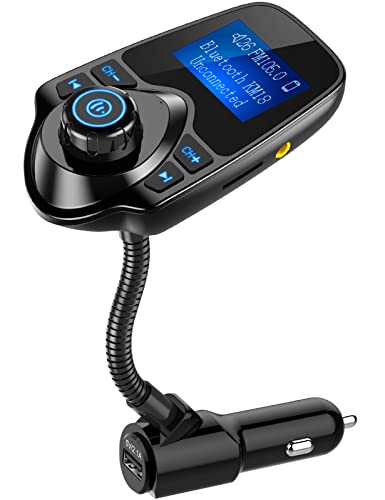
Expert Pick: Nulaxy KM18 Bluetooth FM Transmitter for 2026

Match Scratch Depth with Best Removers for 2026

Ceramic Coating Kits Matching Your Skill Level

The Foam Cannons Worth Buying in 2026
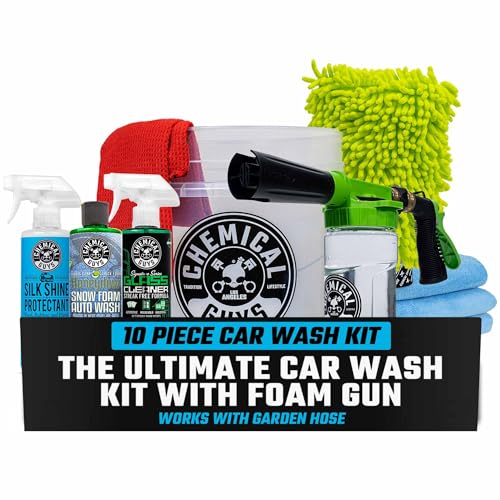
The Best Car Cleaning Kits We Recommend for 2026

The 2026 Guide to the Best Portable EV Chargers

Choose the Right Level 2 EV Charger: 2026 Guide
