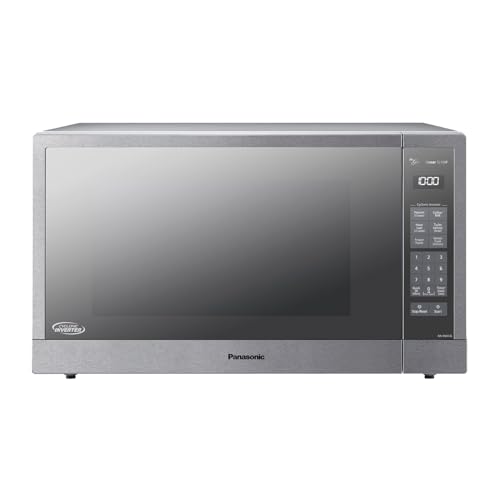
Panasonic NN-SN97JS -- Best Overall
The Panasonic NN-SN97JS consistently earns top marks in consumer reliability surveys. Its inverter technology delivers continuous power at lower settings rather than cycling on and off, which means more even defrosting and reheating. The 2.2 cubic foot interior handles large casserole dishes with ease. Controls are straightforward with a simple dial-and-button layout, and the unit runs quietly compared to most 1,250-watt competitors. The stainless exterior resists fingerprints reasonably well. Panasonic's service network is solid if repairs are ever needed. This is the model to buy if you want one microwave to handle daily cooking duties for a family of four or more without fuss.
Check price on Amazon →The top consumer-reports-recommended microwaves of 2026, covering countertop, over-the-range, and built-in models with the best reliability scores and features.
Microwaves are one of the most-used appliances in the kitchen, yet most people replace them only after a breakdown. Picking a model with strong reliability ratings from the start saves money and frustration. The five options below cover the most popular form factors and price points, all backed by solid consumer-testing data for 2026.
| Product | Best For | Rating |
| — | — | — |
| Panasonic NN-SN97JS | Large families, even heating | 4.7/5 |
| Toshiba EM131A5C-BS | Budget countertop use | 4.5/5 |
| GE JVM7195SKSS (OTR) | Over-the-range replacement | 4.4/5 |
| Breville BMO734BSS | Smart cooking features | 4.6/5 |
| Sharp SMC1585BS | Mid-range countertop value | 4.4/5 |
How we picked
We compare every pick against the field on real specifications, certifications, and aggregated owner reviews. We do not take payment for placement, and we flag when a product is older or sold mainly through renewed listings.
Top picks compared
| Pick | Best for | Score | |
|---|---|---|---|
| Panasonic NN-SN97JS -- Best Overall | Check price | ||
| Toshiba EM131A5C-BS -- Best Budget Pick | Check price | ||
| GE JVM7195SKSS -- Best Over-the-Range | Check price | ||
| Breville BMO734BSS -- Best Smart Features | Check price | ||
| Sharp SMC1585BS -- Best Mid-Range Value | Check price |
Our picks up close
Panasonic NN-SN97JS -- Best Overall
The Panasonic NN-SN97JS consistently earns top marks in consumer reliability surveys. Its inverter technology delivers continuous power at lower settings rather than cycling on and off, which means more even defrosting and reheating. The 2.2 cubic foot interior handles large casserole dishes with ease. Controls are straightforward with a simple dial-and-button layout, and the unit runs quietly compared to most 1,250-watt competitors. The stainless exterior resists fingerprints reasonably well. Panasonic's service network is solid if repairs are ever needed. This is the model to buy if you want one microwave to handle daily cooking duties for a family of four or more without fuss.
Toshiba EM131A5C-BS -- Best Budget Pick
At the Toshiba EM131A5C-BS punches well above its price. It offers 1,100 watts, a 1.2 cubic foot cavity, and a smart sensor that auto-adjusts cook time based on steam output. The eco mode cuts standby power draw, which is a small but welcome efficiency feature. Build quality is straightforward plastic-and-glass construction, and the turntable diameter is generous for the class. Consumer feedback over three-plus years shows a low repair rate for the price bracket. If you need a reliable second microwave, a dorm room unit, or a first apartment buy, this Toshiba delivers without draining the budget.
GE JVM7195SKSS -- Best Over-the-Range
GE's JVM7195SKSS is the default replacement choice for most standard over-the-range cutouts. It fits a 30-inch opening, outputs 1,000 watts, and includes a two-speed 400 CFM ventilation system that handles light cooking smoke effectively. The sensor cooking modes cover the most common tasks: reheating, popcorn, defrost, and vegetables. Installation fits most existing mounting brackets, which simplifies a weekend DIY swap. GE's brand reliability for OTR units has remained above average in consumer surveys for several consecutive years. The hidden-vent option is useful for kitchens where aesthetics matter.
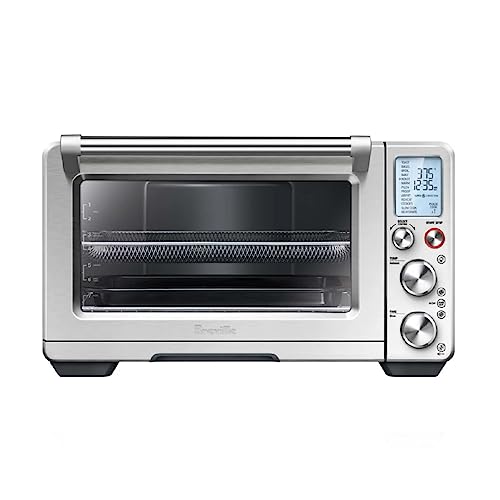
Breville BMO734BSS -- Best Smart Features
The Breville BMO734BSS brings a standout feature called the A Bit More button, which adds a short burst of cook time at the end of a cycle, a surprisingly useful quality-of-life touch. Its smart cooking modes are more refined than most in its class, with specific presets for fish, pizza, and potatoes that actually deliver usable results. At 1,100 watts and 1.2 cubic feet it handles everyday tasks with ease. The brushed stainless housing feels more premium than similarly priced units. Breville's warranty support scores well in consumer satisfaction data. A good choice for anyone who wants reliable automation without paying for a convection combo unit.

Sharp SMC1585BS -- Best Mid-Range Value
The Sharp SMC1585BS sits at 1.5 cubic feet and 1,100 watts, which covers most household needs at a moderate price. Sharp's carousel-free flatbed design is the notable differentiator: without a turntable, the full floor area is usable, and cleanup is much simpler. Consumer feedback highlights the flatbed as a particularly practical feature for reheating pizza or large flat containers. Sensor cooking handles standard tasks reliably. Build quality is solid for the price tier, and the interior light is bright, making it easy to monitor food without opening the door. This is the pick for users who want a step up from budget without committing to a premium price.
Before you buy
What to consider
Start with form factor: countertop models are the most flexible, OTR units save counter space but require installation, and built-ins are a permanent kitchen fixture. Next, match wattage to your actual use: 1,000 watts handles reheating and light cooking; 1,200+ watts is better for full meals. Interior size matters most for plate diameter, so measure your largest dish before buying. Sensor cooking is worth paying for because it eliminates guessing on reheat times. Finally, check long-term reliability data rather than just features, since a repair-prone unit at a lower price often costs more over five years than a more dependable option upfront.
What to consider
The [best compact air fryer ovens](/articles/best-compact-air-fryer-oven) and the [best compact automatic espresso machines](/articles/best-compact-automatic-espresso-machine) are worth pairing with your new microwave for a complete kitchen upgrade. For details on how these rankings are built, see our [methodology](/methodology).
Quick answers
For most households, 1,000 to 1,200 watts is the sweet spot. Higher wattage heats food faster and more evenly. Budget models often run at 700 to 800 watts, which works for simple reheating but can leave cold spots in denser dishes. If you cook full meals, aim for at least 1,000 watts.
A well-made countertop microwave lasts around 9 to 10 years under normal use. Over-the-range models average 10 to 12 years. Brands with strong reliability scores in consumer testing tend to need fewer repairs in the first five years, which is the window that matters most for cost-of-ownership.


