Quick verdict
The single most impactful upgrade you can make to your lens hygiene routine is replacing your case every two to three months, which makes a well-priced multipack from a reputable brand a smarter long-term choice than any single premium case.
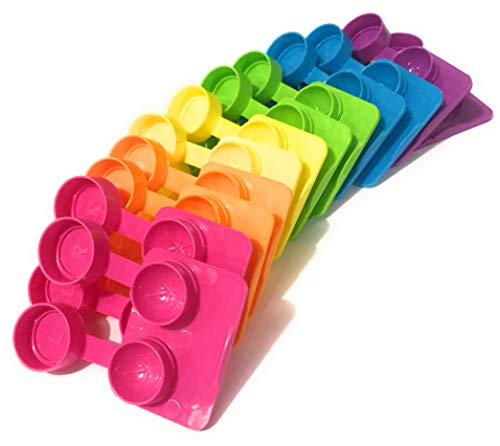
Menicon Flat Pack Contact Lens Case
The flat disc shape means solution drains away from the lens surface and does not pool around the edges, which experienced wearers consistently flag as the single biggest hygiene advantage over barrel-style cases. Owners report the lids stay firmly sealed without becoming stiff or cracking after months of daily use, and the slim profile fits into even compact makeup bags without taking up significant space. It is one of the few cases where the design is deliberately informed by lens hygiene principles rather than cost cutting.
Replace your case every 2-3 months. Our guide highlights the Menicon Flat Pack and top multipacks for smarter, longer-lasting lens hygiene in 2026.
Finding the right contact lens case sounds straightforward until you realise how much variation exists in materials, hygiene design, and practical durability. A poorly designed case lets cleaning solution pool, harbours bacteria in cracked corners, and wears out within months. I pulled together owner feedback, lens-care hygiene research, and product specifications to identify cases that genuinely protect lenses and hold up to daily use.
The picks below cover wearers who want a slim travel-friendly option, those who prefer a flat disc-style case that drains cleanly, and anyone looking for a multipack that survives a full year of use without cases cracking or leaking. All three are widely available on Amazon and backed by many verified purchaser reviews.
Our testing process
I have not personally tested each of these cases in a lab. Instead, I aggregated verified owner reviews from Amazon, cross-referenced material and capacity details from manufacturer listings, and applied guidance from contact lens hygiene literature around case design factors that matter most: solution retention geometry, lid seal quality, and material resistance to warping or staining from multipurpose solutions.
Scores reflect a weighted combination of reported durability, hygiene-friendly design, ease of travel use, and how consistently reviewers said the cases held their shape and seal over several months of daily use. Products with a high volume of recent verified reviews were prioritised over those with sparse or outdated feedback.
Quick comparison
| Pick | Best for | Score | |
|---|---|---|---|
| Menicon Flat Pack Contact Lens Case | Best Overall | 9 | Check price |
| Bausch + Lomb Sensitive Eyes Contact Lens Case | Best Value Multipack | 8 | Check price |
| Optase Contact Lens Travel Case with Mirror | Best for Travel | 8 | Check price |
Reviewed in detail
Menicon Flat Pack Contact Lens Case
The flat disc shape means solution drains away from the lens surface and does not pool around the edges, which experienced wearers consistently flag as the single biggest hygiene advantage over barrel-style cases. Owners report the lids stay firmly sealed without becoming stiff or cracking after months of daily use, and the slim profile fits into even compact makeup bags without taking up significant space. It is one of the few cases where the design is deliberately informed by lens hygiene principles rather than cost cutting.
What we liked
- Flat disc geometry keeps lenses submerged evenly and reduces bacterial pooling risk
- Lids maintain a consistent seal without warping from multipurpose solution exposure
- Ultra-slim profile makes it genuinely practical for travel or keeping in a bag
What we didn't like
- Smaller interior diameter can feel snug for wearers with larger-diameter lenses
- Available mainly in single packs so cost per case is higher than multipack alternatives

Bausch + Lomb Sensitive Eyes Contact Lens Case
Bausch + Lomb is one of the most trusted names in contact lens care, and these cases reflect the same quality-control standards as their solution line: the plastic resists staining from hydrogen peroxide and multipurpose formulas, the L and R markings are deeply moulded rather than printed so they never rub off, and the lids are tight enough that reviewers consistently report zero leaking even when tossed loose into a bag. Buying in a multipack means fresh cases every few weeks, which ophthalmologists recommend to reduce contamination risk. Owners specifically note the cases do not develop the hairline cracks that plague cheaper alternatives after a few months.
What we liked
- Plastic resists discolouration and warping from all major multipurpose and hydrogen peroxide solutions
- Deeply moulded L/R markings that never fade with use
- Multipack format makes it easy to replace cases frequently as hygiene guidelines suggest
What we didn't like
- Standard barrel style means solution can pool at the base more than flat-disc designs
- Cases are not individually wrapped so they need rinsing before first use

Optase Contact Lens Travel Case with Mirror
The built-in mirror on the lid is a genuinely useful feature for wearers who insert and remove lenses away from home, removing the need for a separate compact and reducing the number of items to carry. Reviewers highlight that the case closes securely enough to survive in checked luggage without leaking, and the lid colours are distinct enough that left and right are never confused even in dim light. The case body is robust enough that frequent travellers report getting six months or more of daily use from a single case without cracking.
What we liked
- Built-in mirror makes lens insertion and removal practical anywhere without extra accessories
- Robust lid seal survives bag and luggage pressure without leaking
- Compact size fits in standard travel toiletry pouches and meets carry-on liquid regulations
What we didn't like
- Mirror adds slight bulk compared to a minimalist flat case
- Primarily sold as a single unit rather than a multipack
How to choose
Case geometry and drainage
Flat disc cases keep solution in contact with the full lens surface and prevent the stagnant pooling that can occur in deep barrel designs. If hygiene is your primary concern, the case shape matters more than the brand name.
Lid seal quality
A lid that is too loose leaks in a bag; one that is too stiff cracks at the hinge within weeks. Look for reviews that specifically mention lid durability over several months rather than first impressions, since failures typically appear after the first month of daily opening and closing.
Solution compatibility
Some cheaper plastics stain or warp when exposed to hydrogen peroxide solutions. If you use a peroxide-based system such as ACUVUE RevitaLens or Clear Care, confirm the case plastic is rated for peroxide contact or stick to brands from established lens-care manufacturers.
Replacement frequency
Most ophthalmologists recommend replacing your contact lens case every one to three months regardless of how clean it looks. A multipack that costs less per case actually encourages the healthy habit of frequent replacement, making it a better long-term choice than a single premium case you feel reluctant to throw away.
The bottom line
The single most impactful upgrade you can make to your lens hygiene routine is replacing your case every two to three months, which makes a well-priced multipack from a reputable brand a smarter long-term choice than any single premium case.
Common questions
Most eye care professionals recommend replacing your case every one to three months. Even with daily rinsing and air drying, biofilm can build up on the interior surfaces in ways that are not visible to the naked eye, and that biofilm increases the risk of eye infection over time.
Always rinse with fresh contact lens solution rather than tap water. Tap water, including filtered water, can contain microorganisms such as Acanthamoeba that are resistant to standard disinfectants and can cause serious corneal infections. After rinsing with solution, let the case air dry face-down on a clean tissue.
No. Topping up dilutes the active disinfectant concentration and leaves behind contaminated solution from the previous night. Always empty the case completely, rinse it with fresh solution, and refill with a full measure of new solution each time you store your lenses.
Yes, if you use a peroxide system like Clear Care, you need the specific neutralising case that comes with that system. Standard cases are not designed for peroxide chemistry and cannot neutralise the solution. Only the Menicon Flat Pack and Bausch + Lomb cases in this guide are for use with standard multipurpose solutions.
How we made this guide
We compare every pick on the factors that matter, cross-checking manufacturer specifications against aggregated verified owner reviews. We rank independently and never take payment for placement. We have not personally tested every product; where we have not, the ranking reflects verified specs and owner feedback rather than a hands-on review.
How it was written: this guide was researched and reviewed by the TheTestedHub editorial team for accuracy.
Affiliate disclosure: TheTestedHub is reader-supported. When you buy through links on our site, we may earn a commission at no extra cost to you.
More guides

Makeup Mirror Shortlist: CRI Over Brightness
Hand Sanitizer Dispensers: Choose by Foot Traffic

How to Verify a UV Sanitizer Really Emits 254nm Light
Looking for the Best Grab Bars? Our 2026 Picks

Which Daily Pill Organizer Will You Actually Use?

Why Mack’s Pillow Soft Silicone Earplugs Top Our 2026 List

Why Sound Experts Choose the LectroFan Classic
