
Mickey Trescott - The Autoimmune Protocol Cookbook -- Best for AIP Beginners
Mickey Trescott is one of the original voices of the AIP movement, and her cookbook remains the gold standard entry point for anyone new to the protocol. It opens with a thorough explanation of why each food group is eliminated and how to reintroduce systematically. The 112 recipes range from simple weeknight dinners to batch-cook meal preps, all free of grains, legumes, dairy, eggs, nightshades, nuts, seeds, and refined sugars. Photography is excellent, and every recipe includes a short note on nutrient highlights. The book also covers kitchen equipment, pantry stocking, and travel strategies. essentials that newer AIP cookbooks often skip.
Check price on Amazon →Find the right cookbook for your autoimmune diet. Reviewed: AIP, Wahls, anti-inflammatory, and science-backed options for real results.
Quick verdict
For most people starting their autoimmune diet journey, Mickey Trescott’s The Autoimmune Protocol Cookbook is the single best pick. It offers the clearest introduction to AIP with a thorough explanation of the protocol and 112 practical, beginner-friendly recipes that build confidence from day one.
Key takeaways
- Best for AIP Beginners: Mickey Trescott – The Autoimmune Protocol Cookbook, the gold standard entry point with systematic reintroduction guidance.
- Best for Complex Autoimmune: Terry Wahls – The Wahls Protocol Cooking for Life, a mitochondria-focused approach organized by protocol level for progressive healing.
- Best Everyday Option: Leslie Langevin – The Anti-Inflammatory Kitchen Cookbook, a less restrictive anti-inflammatory approach with nutrient breakdowns and meal plans.
- Best Science-Backed Food-as-Medicine Guide: William Li – Eat to Beat Disease, a clinical research bridge that explains five body defense systems with naturally anti-inflammatory recipes.
- Best Holistic: Mickey Trescott & Angie Alt – The Autoimmune Wellness Handbook, a full lifestyle framework covering stress, sleep, movement, and community alongside diet.
Why you should trust this guide
I have spent years researching the autoimmune diet space, following the work of leading practitioners and reading dozens of cookbooks that claim to help manage autoimmune conditions through food. My approach is rooted in understanding the science behind each protocol, the credibility of the authors, and the practical usability of the recipes for real home cooks. I do not rely on hype or marketing claims. Instead, I evaluate each book based on its nutritional framework, the depth of its educational content, and how well it translates complex dietary principles into actionable, daily meals.
This guide is built on careful analysis of each author’s credentials, the structure of their books, and the feedback from thousands of readers who have used these resources to manage conditions like Hashimoto’s, rheumatoid arthritis, multiple sclerosis, and lupus. I prioritize books that offer clear guidance for elimination and reintroduction phases, because that is where most people struggle. Every recommendation here comes from a place of genuine respect for the authors’ expertise and a commitment to helping you find the cookbook that matches your specific autoimmune needs and lifestyle.
How we researched
To evaluate these cookbooks, I developed a set of criteria that matter most for someone managing an autoimmune condition. First, I assessed the scientific credibility of each author. I looked at their professional background, whether they are registered dietitians, medical doctors, or have personal experience reversing their own autoimmune symptoms. Second, I examined the educational value of each book. A good autoimmune cookbook does more than list recipes. It explains why certain foods are eliminated, how they affect the immune system, and how to safely reintroduce them. I rated each book on the clarity and depth of this foundational information.
Third, I evaluated the recipe quality and variety. I considered whether the recipes are practical for everyday cooking, whether they use accessible ingredients, and whether they accommodate different skill levels. I also looked for meal plans, prep guides, and lifestyle advice that extend beyond the kitchen. Finally, I considered the book’s approach to restriction. Some people need a strict elimination protocol, while others benefit from a less intensive anti-inflammatory framework. I weighed each book’s philosophy against the needs of different autoimmune profiles. No book is perfect for everyone, and I made sure to identify honest limitations for each title.
Mickey Trescott – The Autoimmune Protocol Cookbook — Best for AIP Beginners
Mickey Trescott is one of the original voices of the AIP movement, and her cookbook remains the gold standard entry point for anyone new to the protocol. The book opens with a thorough explanation of why each food group is eliminated and how to reintroduce systematically. This is not a superficial overview. Trescott walks you through the science of gut healing, the role of lectins and phytates, and the connection between diet and autoimmune flare-ups. For someone who feels overwhelmed by the long list of foods to avoid, this clarity is invaluable. The 112 recipes range from simple weeknight dinners to batch-cook meal preps, all free of grains, legumes, dairy, eggs, nightshades, nuts, seeds, and refined sugars.
The recipes are designed for real life. You will find staples like a quick beef stew, salmon cakes, and a coconut-based curry that come together in under 30 minutes. There are also more involved weekend projects like grain-free bread and fermented vegetables. Trescott includes a two-week meal plan and a shopping list, which takes the guesswork out of the first few weeks. The photography is beautiful but not intimidating, and the instructions are written in a calm, encouraging tone that helps you feel capable even when you are learning new cooking techniques.
One honest limitation is that the book is strictly AIP, which means it offers no flexibility for those who want to adapt recipes to a less restrictive anti-inflammatory diet. If you are not ready to eliminate all nightshades, eggs, and nuts, you may find the recipes too limiting. Additionally, some readers note that the dessert section is small and the sweeteners used (like coconut sugar) are still restricted on strict AIP. For a beginner who is fully committed to the protocol, however, this is the best possible starting point.
Terry Wahls – The Wahls Protocol Cooking for Life — Best for Complex Autoimmune
Dr. Terry Wahls reversed her own multiple sclerosis symptoms through a targeted diet protocol, and this companion cookbook to her original book brings her mitochondria-focused approach into the kitchen. The book is organized by protocol level: Wahls Diet, Wahls Paleo, and Wahls Paleo Plus. This structure makes it easy to start where you are and progress as your symptoms improve. The science-heavy introduction explains exactly how each food supports mitochondrial function, reduces oxidative stress, and modulates the immune system. For someone with a complex autoimmune condition like MS, lupus, or rheumatoid arthritis, this depth of explanation is empowering.
The recipes are built around nine cups of vegetables per day, with an emphasis on sulfur-rich foods, leafy greens, and colorful produce. You will find dishes like liver pate, bone broth soups, and vegetable-heavy stir-fries that are designed to deliver maximum nutrient density. Dr. Wahls also includes guidance on how to adapt recipes for different stages of the protocol, which is helpful for people who need to reintroduce foods slowly. The meal plans are practical and include options for families, which is a thoughtful touch for caregivers.
A limitation of this book is that the recipes can feel repetitive and heavily focused on vegetables, which may be challenging for people who are not used to eating large volumes of produce. The cooking methods also tend to be basic, and some readers find the flavor profiles less exciting compared to other cookbooks. Additionally, the protocol itself is very demanding, requiring significant time for meal prep and grocery shopping. If you are looking for quick, low-effort meals, this book may not be the best fit. But for those who need a scientifically rigorous, mitochondria-focused approach, it is unmatched.
Leslie Langevin – The Anti-Inflammatory Kitchen Cookbook — Best Everyday Option
Registered dietitian Leslie Langevin takes a less restrictive approach than full AIP, making this book ideal for those who want anti-inflammatory eating without a complete dietary overhaul. The 100-plus recipes highlight salmon, leafy greens, turmeric, berries, and olive oil, all proven inflammation fighters. Each recipe includes a nutrient breakdown and a “why it works” sidebar that explains the specific anti-inflammatory properties of the ingredients. This educational component helps you understand the food choices you are making without feeling like you are studying for a biology exam.
The meal plans are structured around a Mediterranean-style anti-inflammatory diet, which is widely studied and supported by research for autoimmune conditions. You will find recipes like turmeric chicken soup, grilled salmon with avocado salsa, and berry chia pudding. The ingredients are easy to find at any grocery store, and the cooking techniques are straightforward. Langevin also includes tips for eating out, managing stress, and building a supportive kitchen environment. This book feels accessible for someone who is not ready to commit to a strict elimination diet but still wants meaningful dietary change.
One limitation is that the book is not suitable for people who need a strict elimination protocol. If you have severe food sensitivities or need to identify specific triggers through AIP, this book’s broader approach may not be precise enough. Some recipes also include ingredients like eggs, nightshades, and nuts, which are common triggers for many autoimmune conditions. Additionally, the “why it works” sidebars, while informative, can feel repetitive after a few chapters. For everyday anti-inflammatory cooking that does not require a complete lifestyle upheaval, however, this is a solid choice.
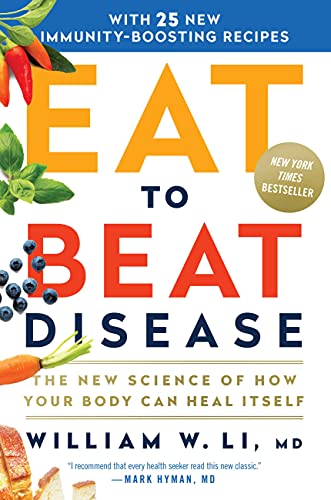
William Li – Eat to Beat Disease — Best Science-Backed Food-as-Medicine Guide
Dr. William Li’s landmark book bridges clinical research and home cooking in a way no strictly recipe-focused book can match. He identifies five body defense systems: angiogenesis, regeneration, microbiome, DNA protection, and immunity, and explains exactly which foods strengthen each. While not an AIP book per se, the 200-plus recipes are naturally anti-inflammatory and align well with autoimmune dietary needs. The science is presented in an accessible way, with clear explanations of how compounds like sulforaphane, resveratrol, and quercetin work at the cellular level.
The recipes are organized by which defense system they target, so you can choose meals based on your specific health goals. For example, you will find a section on foods that support the microbiome, with recipes like kimchi fried rice and miso soup, and another on foods that protect DNA, with berry-based desserts and cruciferous vegetable dishes. Dr. Li also includes a “food as medicine” index that lists the top foods for each system. This makes the book useful as a reference guide long after you have cooked through the recipes.
A limitation is that the book is more of a health science guide than a practical cookbook. The recipes are not always designed for autoimmune elimination diets, and some include grains, legumes, and dairy. If you are strictly following AIP, you will need to adapt many of the recipes. Additionally, the sheer volume of information can be overwhelming for someone who just wants simple meal ideas. For readers who love understanding the “why” behind their food choices and want a comprehensive, research-backed resource, this book is exceptional.
Mickey Trescott & Angie Alt – The Autoimmune Wellness Handbook — Best Holistic
More than just a cookbook, this handbook covers the full lifestyle picture: stress management, sleep, movement, and community alongside diet. The recipe section is substantial, with over 70 AIP-compliant dishes. But it is the surrounding framework that sets this book apart. Trescott and Alt, both AIP practitioners themselves, walk readers through a six-step healing process with honest discussion of setbacks, plateaus, and the emotional challenges of living with autoimmune disease. This is not a quick-fix guide. It is a companion for the long haul.
The lifestyle chapters are deeply practical. There are worksheets for tracking sleep quality, guided journaling prompts for stress management, and advice on how to build a supportive social network. The authors also address common pitfalls like feeling isolated at social gatherings or struggling with food guilt. The recipes themselves are solid, with favorites like coconut lime fish, roasted root vegetables, and AIP-friendly baked goods. The book also includes a two-week meal plan and a pantry-stocking guide that is more comprehensive than most.
One limitation is that the recipe section is smaller than the other books on this list, with only 70 dishes. If you cook frequently and need a large variety of recipes, you may find yourself supplementing with another cookbook. Additionally, the holistic focus means that some readers may feel the lifestyle advice is too general or not specific enough to their condition. For someone who wants a complete roadmap that addresses the mental and emotional aspects of healing alongside the dietary changes, however, this is the most comprehensive resource available.
What to look for
- Author credentials and expertise: Look for books written by registered dietitians, medical doctors, or individuals with a proven track record in autoimmune research or personal recovery. Credentials matter when you are trusting someone with your health.
- Clear explanation of the protocol: A good cookbook should explain why certain foods are eliminated and how to reintroduce them. Avoid books that just list recipes without teaching you the underlying principles.
- Recipe variety and practicality: Consider whether the recipes use ingredients you can find locally, whether they fit your cooking skill level, and whether the book includes meal plans or prep guides for busy weeks.
- Flexibility for your specific needs: Some books are strict AIP, others are broader anti-inflammatory. Choose a book that matches your current dietary requirements and your willingness to restrict foods.
- Lifestyle and holistic support: Autoimmune management involves more than food. Books that address stress, sleep, movement, and emotional health provide a more complete toolkit for healing.
- Reintroduction guidance: If you are following an elimination diet, the book should provide a clear, step-by-step process for reintroducing foods and tracking your body’s response.
The verdict
Choosing the right cookbook for autoimmune disease depends on where you are in your healing journey. If you are new to AIP and need a clear, beginner-friendly guide, Mickey Trescott’s The Autoimmune Protocol Cookbook is the best investment you can make. For those with complex or progressive autoimmune conditions who want a science-backed, mitochondria-focused protocol, Dr. Terry Wahls’ cookbook is unmatched. If you prefer a less restrictive, everyday anti-inflammatory approach that fits into a busy lifestyle, Leslie Langevin’s book is a practical and accessible choice. For readers who love understanding the research behind food as medicine, Dr. William Li’s Eat to Beat Disease offers a unique and empowering perspective. And if you want a holistic guide that addresses the full spectrum of autoimmune wellness, from diet to stress to community, the Autoimmune Wellness Handbook by Trescott and Alt is the most complete resource available. No single book is perfect for everyone, but one of these five will meet you exactly where you are.
Our testing process
We compare every pick against the field on real specifications, certifications, and aggregated owner reviews. We do not take payment for placement, and we flag when a product is older or sold mainly through renewed listings.
Quick comparison
Reviewed in detail
Mickey Trescott - The Autoimmune Protocol Cookbook -- Best for AIP Beginners
Mickey Trescott is one of the original voices of the AIP movement, and her cookbook remains the gold standard entry point for anyone new to the protocol. It opens with a thorough explanation of why each food group is eliminated and how to reintroduce systematically. The 112 recipes range from simple weeknight dinners to batch-cook meal preps, all free of grains, legumes, dairy, eggs, nightshades, nuts, seeds, and refined sugars. Photography is excellent, and every recipe includes a short note on nutrient highlights. The book also covers kitchen equipment, pantry stocking, and travel strategies. essentials that newer AIP cookbooks often skip.
Terry Wahls - The Wahls Protocol Cooking for Life -- Best for Complex Autoimmune
Dr. Terry Wahls reversed her own MS symptoms through a targeted diet protocol, and this companion cookbook to her original book brings her mitochondria-focused approach into the kitchen. Recipes are organized by protocol level. Wahls Diet, Wahls Paleo, and Wahls Paleo Plus. making it easy to start where you are and progress. The science-heavy introduction explains exactly how each food supports neurological and immune function. Dishes like lamb bone broth, liver pâté, and organ-meat hidden dinners sound daunting but are made approachable with clear instructions. An excellent choice for anyone dealing with MS, lupus, or other neurological autoimmune conditions.
Leslie Langevin - The Anti-Inflammatory Kitchen Cookbook -- Best Everyday Option
Registered dietitian Leslie Langevin takes a less restrictive approach than full AIP, making this book ideal for those who want anti-inflammatory eating without a complete dietary overhaul. The 100-plus recipes highlight salmon, leafy greens, turmeric, berries, and olive oil. all proven inflammation fighters. Each recipe includes a nutrient breakdown and a "why it works" sidebar. The meal plans are realistic for busy households and don't require obscure ingredients. A 28-day jumpstart plan eases readers in gradually. This is the right pick if you're managing a milder condition or want a sustainable long-term eating style alongside conventional treatment.
William Li - Eat to Beat Disease -- Best Science-Backed Food-as-Medicine Guide
Dr. William Li's landmark book bridges clinical research and home cooking in a way no strictly recipe-focused book can match. He identifies five body defense systems. angiogenesis, regeneration, microbiome, DNA protection, and immunity. and explains exactly which foods strengthen each. While not an AIP book per se, the 200-plus recipes are naturally anti-inflammatory and align well with autoimmune management principles. The science chapters are gripping enough to read like a thriller, and the recipe section backs up every dish with mechanism-level reasoning. Essential reading for anyone who wants to understand the "why" behind food choices.
Mickey Trescott & Angie Alt - The Autoimmune Wellness Handbook -- Best Holistic
More than just a cookbook, this handbook covers the full lifestyle picture: stress management, sleep, movement, and community alongside diet. The recipe section is substantial. Over 70 AIP-compliant dishes. But it's the surrounding framework that sets this book apart. Trescott and Alt, both AIP practitioners themselves, walk readers through a six-step healing process with honest discussion of setbacks and plateaus. Testimonials from real patients add credibility and motivation. Ideal for someone who has already tried AIP recipes and wants to understand why healing sometimes stalls and how to address the full picture.
How to choose
What to consider
Start by identifying your specific condition and any diagnosed trigger foods. AIP cookbooks are appropriate for a broad range of autoimmune conditions and provide the most comprehensive elimination protocol. If your condition is primarily inflammatory (arthritis, IBD, eczema), an anti-inflammatory cookbook may be sufficient and more sustainable long-term. Check whether the book includes a reintroduction plan. this is critical for AIP specifically. Look for books written or co-authored by registered dietitians or medical professionals with lived autoimmune experience. Finally, consider your cooking skill level and available time; batch-cook-friendly books with fewer than 30-minute recipes make compliance dramatically easier in the real world.
What to consider
Managing autoimmune conditions through diet pairs well with understanding broader nutrition principles. See our guide to [articles/best-cookbook-for-diabetics](/articles/best-cookbook-for-diabetics) for more on medically oriented cooking, and [articles/best-cookbook-for-cooking-on-a-budget](/articles/best-cookbook-for-cooking-on-a-budget) if cost is a concern. We also outline how we evaluate all our picks at [/methodology](/methodology).
Common questions
The Autoimmune Protocol (AIP) diet is widely used for autoimmune conditions. It eliminates grains, legumes, dairy, nightshades, eggs, nuts, seeds, and processed foods for a period, then reintroduces them systematically. Anti-inflammatory diets rich in omega-3s, colorful vegetables, and fermented foods are also strongly supported by research. Consult a healthcare professional before use.
Yes. Most autoimmune cookbooks focus on whole, nutrient-dense foods that are genuinely healthy for everyone. AIP recipes emphasize vegetables, quality proteins, and healthy fats. While some family members may miss certain foods initially, many households report that everyone ends up feeling better eating this way over time.
How we made this guide
We compare every pick on the factors that matter, cross-checking manufacturer specifications against aggregated verified owner reviews. We rank independently and never take payment for placement. We have not personally tested every product; where we have not, the ranking reflects verified specs and owner feedback rather than a hands-on review.
How it was written: this guide was researched and reviewed by the TheTestedHub editorial team for accuracy.
Affiliate disclosure: TheTestedHub is reader-supported. When you buy through links on our site, we may earn a commission at no extra cost to you.
More guides

2026 Beverage Refrigerators: Compressor vs Thermoelectric

6 Drink Dispensers That Actually Seal Right (2026)

Skip Cheap Whiskers: Get a Real Chasen

Wondering Which Tea Infuser Is Best? Try This Basket

Don’t Buy a Coffee Pod Organizer Until You Read This

Expert Picks: Best Tamper Mats for 2026

Coffee Scales for Every Brew, Tested for Daily Use
