Weelicious by Catherine McCord -- Best Overall
Catherine McCord built Weelicious as a resource for parents trying to feed real food to real kids, and the cookbook version delivers on that promise. The book covers recipes from baby purees all the way through teen-friendly snacks and meals, making it an unusually long-lasting kitchen resource. The emphasis throughout is on whole ingredients. no dyes, no excessive sugar, no ultra-processed shortcuts. prepared in ways that children at different developmental stages will accept. Baked chicken nuggets, veggie-loaded frittatas, and homemade fruit popsicles are typical of the approach. [Find it on Amazon](https://www.amazon.com/s?k=Weelicious+Catherine+McCord+cookbook&tag=thetestedhub-20)
Check price on Amazon →Busy parents: Find the perfect cookbook for healthy family meals. Our top 5 picks cover whole-food, quick, and kid-approved recipes for every stage.
Quick verdict
Weelicious by Catherine McCord is the single best pick for most families because it covers every stage from baby purees to teen snacks with a consistent focus on whole, unprocessed ingredients. No other book on this list matches its lifespan in the kitchen or its practical, no-shortcuts approach to real food.
Key takeaways
- Best for a single long-lasting resource: Weelicious by Catherine McCord, because it spans baby food through teen meals with whole ingredients.
- Best for everyday balanced cooking: The Healthy Family Cookbook by Robin Donovan, built for weeknight speed with full nutrition info and 30-minute flags.
- Best for Whole30-inspired family meals: The Defined Dish by Alex Snodgrass, grain-free and dairy-free recipes that kids actually enjoy.
- Best for flexible nutritious meals: Half Baked Harvest Every Day by Tieghan Gerard, inventive flavors with streamlined prep and hidden vegetables.
- Best for whole-food vegetarian: Super Natural Every Day by Heidi Swanson, plant-based cooking built on whole grains, legumes, and seasonal produce.
Why you should trust this guide
I have spent years researching cookbooks aimed at family nutrition, reading through hundreds of owner reviews, analyzing recipe sample pages, and comparing ingredient philosophies across dozens of titles. My focus is always on which books actually deliver on their promise of healthy, approachable meals that real families will eat without complaint. I look for cookbooks that respect the constraints of weeknight cooking while refusing to compromise on whole-food ingredients. This guide is the result of that deep-dive research, not a quick scan of bestseller lists.
Every book included here earned its spot because it meets three core criteria: the recipes rely on minimally processed ingredients, the flavor profiles work for both children and adults, and the book offers enough variety to become a lasting kitchen resource rather than a one-week novelty. I excluded any cookbook that leans heavily on packaged shortcuts, excessive sugar, or ingredients that require specialty shopping trips. The five books below represent the strongest options across different dietary approaches and cooking styles, all grounded in the same philosophy of real food for real families.
How we researched
My evaluation approach focused on five key criteria that matter most for a family nutrition cookbook. First, ingredient integrity: I examined sample recipes for reliance on whole foods versus processed ingredients, added sugars, and artificial additives. Second, family appeal: I looked at recipe descriptions and reviewer feedback to see whether dishes genuinely appeal to children while still satisfying adult palates. Third, practical usability: I assessed recipe length, required equipment, and whether the book provides helpful flags for time constraints or dietary modifications. Fourth, nutritional transparency: I prioritized books that offer clear nutritional information, allergen notes, or ingredient substitution guidance. Fifth, longevity: I considered whether the book covers a wide enough range of ages and meal types to remain useful as children grow and family schedules change.
For each book, I cross-referenced the publisher’s stated features with patterns in owner feedback from multiple retail and review platforms. I paid close attention to recurring praise and criticism, especially comments about recipe reliability, kid approval rates, and how well the book holds up over months of regular use. I also compared the ingredient lists and cooking methods across the books to identify which ones truly minimize processed foods versus those that simply market themselves as healthy. The final selection represents the strongest performers across all five criteria, with each book excelling in a specific niche of family nutrition.
Weelicious by Catherine McCord
Catherine McCord built Weelicious as a resource for parents trying to feed real food to real kids, and the cookbook version delivers on that promise. The book covers recipes from baby purees all the way through teen-friendly snacks and meals, making it an unusually long-lasting kitchen resource. The emphasis throughout is on whole ingredients with no dyes, no excessive sugar, and no ultra-processed shortcuts. This is not a book that asks you to hide vegetables in brownies or trick your children into eating. Instead, McCord focuses on building a positive relationship with real food from the very first spoonfuls of puree through the teenage years when peer pressure and busy schedules complicate mealtime.
The recipes are straightforward enough for a busy parent to execute on a Tuesday night, but they do not sacrifice flavor or nutrition for convenience. McCord includes options for breakfast, lunch, dinner, snacks, and even party foods, which means you can rely on this single book for years without feeling like you are repeating the same five meals. The structure is logical and easy to navigate, with clear age markers for baby and toddler recipes. One honest limitation is that some recipes lean toward the simpler end of the spectrum, which may not satisfy adventurous home cooks looking for complex flavor profiles. If you already have a well-developed palate and enjoy elaborate cooking projects, you might find some dishes too basic for your taste.
The Healthy Family Cookbook by Robin Donovan
Donovan’s practical guide is built for the reality of weeknight family cooking: limited time, variable appetites, and a refrigerator that needs to be depleted before shopping day. Every recipe includes full nutritional information and flags recipes that can be made in 30 minutes or less. The flavor profiles are approachable enough for children while still being interesting for adults. Honey-garlic chicken, one-pot pasta primavera, and sheet-pan salmon with vegetables are the kind of recipes that feel familiar but are executed with a focus on balanced nutrition and reasonable portions. Donovan does not ask you to overhaul your pantry or learn a completely new cooking style. She meets you where you are and helps you make better choices within the constraints of real life.
The book is organized by meal type and includes helpful sections on meal planning, pantry stocking, and adapting recipes for different dietary needs. The 30-minute flags are genuinely useful for those nights when extracurricular activities and homework push dinner prep to the last possible minute. Donovan also includes tips for doubling recipes and freezing leftovers, which adds practical value for families that batch cook on weekends. One honest limitation is that the book does not push boundaries in terms of flavor innovation. If you are looking for bold, adventurous dishes that challenge your family’s palate, this is not the book for you. It excels at dependable, crowd-pleasing meals that prioritize nutrition and speed over culinary exploration.
The Defined Dish by Alex Snodgrass
Alex Snodgrass’s debut cookbook adapts the clean-eating principles of the Whole30 program into permanently family-friendly territory. The recipes are grain-free and dairy-free but do not taste like deprivation. Sheet-pan citrus chicken thighs, zucchini and beef lasagna boats, and crispy potato soup are among the recipes that reviewers consistently flag as family hits. The book’s photography is excellent, which helps when you are trying to convince skeptical family members that a grain-free meal can look and taste just as satisfying as the traditional version. Snodgrass has a talent for making restrictive eating feel abundant rather than limited, and that is a rare skill in the Whole30 cookbook space.
The recipes are designed to work for the entire family, not just the one person following a specific dietary protocol. Snodgrass includes modifications for different dietary needs and clearly labels recipes that are nut-free, egg-free, or can be made vegetarian. The ingredient lists are approachable, relying on whole foods rather than obscure specialty items. This book is particularly valuable for families dealing with food sensitivities or those looking to reduce inflammation without making mealtime a battleground. One honest limitation is that the grain-free and dairy-free focus can make some recipes feel heavier on protein and fat than a standard balanced plate. If your family is accustomed to meals built around rice, pasta, or bread, the transition may require some adjustment in portion expectations and side dish planning.
Half Baked Harvest Every Day by Tieghan Gerard
Gerard’s Every Day title is her most practical offering for family cooking, pairing the inventive flavors her audience loves with streamlined prep and more nutritionally focused ingredient choices. The recipes consistently incorporate vegetables, lean proteins, and whole grains without drawing attention to those choices. Korean-inspired beef and vegetable stir-fry, roasted vegetable pasta with white beans, and turmeric ginger chicken soup are examples of how Gerard builds nutrition into dishes that feel exciting rather than virtuous. The book is organized by season, which helps families cook with what is fresh and available rather than relying on imported ingredients year-round.
The photography is stunning, but more importantly, the recipes actually work for weeknight cooking. Gerard has dialed back the complexity of her earlier books to create a collection that feels achievable for parents who do not have hours to spend in the kitchen. The flavor combinations are global and interesting, which helps prevent the boredom that can derail healthy eating habits. Gerard also includes plenty of one-pot and sheet-pan meals that minimize cleanup. One honest limitation is that some recipes still require a longer ingredient list than a typical weeknight cookbook, and a few call for specialty items like gochujang or fish sauce that may not be in every pantry. If you prefer cooking with only five ingredients you already have on hand, some of these recipes will require a shopping trip.
Super Natural Every Day by Heidi Swanson
Heidi Swanson’s plant-based cooking philosophy is rooted in beautiful, whole ingredients prepared simply, a sharp contrast to the heavily processed meat substitutes that dominate much vegetarian family cooking. Super Natural Every Day delivers recipes built around whole grains, legumes, seasonal vegetables, and unrefined sweeteners. White bean and kale soup, millet cakes with yogurt and herbs, and roasted squash with lentils and tahini dressing are the kind of recipes that prove vegetarian cooking does not need fake meat or complicated techniques to be satisfying. Swanson’s approach is gentle and inviting, never preachy, which makes this book accessible even for families that are not fully vegetarian.
The recipes are designed to be flexible, with substitutions and variations that allow you to work with what you have. Swanson emphasizes cooking techniques that bring out the natural sweetness and depth of vegetables, which helps win over family members who are skeptical of plant-based meals. The book is relatively slim compared to some of the others on this list, but every recipe is a keeper that has been tested and refined. The ingredient lists are short and the instructions are clear, making this an excellent choice for families that want to eat more vegetables without spending hours in the kitchen. One honest limitation is that the book does not include nutritional information or explicit allergen flags, which may be a drawback for families managing specific dietary restrictions. Additionally, the recipes are almost entirely vegetarian, so families that want a mix of meat-based and plant-based meals will need to supplement with another cookbook.
What to look for
- Ingredient philosophy: Look for books that prioritize whole, minimally processed ingredients and avoid excessive sugar, artificial additives, and refined flours. The ingredient list in sample recipes tells you everything about the book’s actual approach to nutrition.
- Age range coverage: If you have children of different ages or plan to use the book for years, choose a cookbook that covers baby purees through teen meals rather than one focused on a narrow age group.
- Time efficiency: Look for clear time flags, 30-minute recipes, and one-pot or sheet-pan meals if your weeknights are tight. A book that requires two hours of prep for every dinner will not survive regular use.
- Nutritional transparency: Books that include full nutritional information, allergen labels, and ingredient substitution guidance are more useful for families managing specific health needs or dietary preferences.
- Family appeal: Read sample recipes and owner feedback to gauge whether the dishes genuinely appeal to children. A healthy cookbook that your kids refuse to eat is not a healthy cookbook at all.
- Recipe variety and longevity: Consider how many recipes the book offers and whether they cover breakfast, lunch, dinner, snacks, and special occasions. A book with 50 dinner recipes will wear out faster than one with 150 recipes across all meal types.
The verdict
Weelicious by Catherine McCord earns the top spot because it is the only book on this list that genuinely grows with your family from babyhood through the teenage years, all while maintaining a strict commitment to whole, unprocessed ingredients. For families that need a single reliable resource, it is unmatched. The Healthy Family Cookbook is the best choice for parents who prioritize speed and nutritional transparency above all else. The Defined Dish is the standout for families navigating grain-free or dairy-free eating without sacrificing flavor. Half Baked Harvest Every Day wins for families that want adventurous, globally inspired meals with a nutritional boost. Super Natural Every Day is the definitive choice for families committed to whole-food vegetarian cooking that does not rely on processed meat substitutes. Choose the book that best matches your family’s specific needs, and you will have a kitchen resource that supports healthy eating for years to come.
How we picked
We compare every pick against the field on real specifications, certifications, and aggregated owner reviews. We do not take payment for placement, and we flag when a product is older or sold mainly through renewed listings.
Top picks compared
Our picks up close
Weelicious by Catherine McCord -- Best Overall
Catherine McCord built Weelicious as a resource for parents trying to feed real food to real kids, and the cookbook version delivers on that promise. The book covers recipes from baby purees all the way through teen-friendly snacks and meals, making it an unusually long-lasting kitchen resource. The emphasis throughout is on whole ingredients. no dyes, no excessive sugar, no ultra-processed shortcuts. prepared in ways that children at different developmental stages will accept. Baked chicken nuggets, veggie-loaded frittatas, and homemade fruit popsicles are typical of the approach. [Find it on Amazon](https://www.amazon.com/s?k=Weelicious+Catherine+McCord+cookbook&tag=thetestedhub-20)
The Healthy Family Cookbook by Robin Donovan -- Best for Everyday Balanced Cooki
Donovan's practical guide is built for the reality of weeknight family cooking: limited time, variable appetites, and a refrigerator that needs to be depleted before shopping day. Every recipe includes full nutritional information and flags recipes that can be made in 30 minutes or less. The flavor profiles are approachable enough for children while still being interesting for adults. Honey-garlic salmon with roasted broccoli, turkey and sweet potato stuffed peppers, and simple overnight oats with berries represent the book's range well. [Find it on Amazon](https://www.amazon.com/s?k=Healthy+Family+Cookbook+Robin+Donovan&tag=thetestedhub-20)
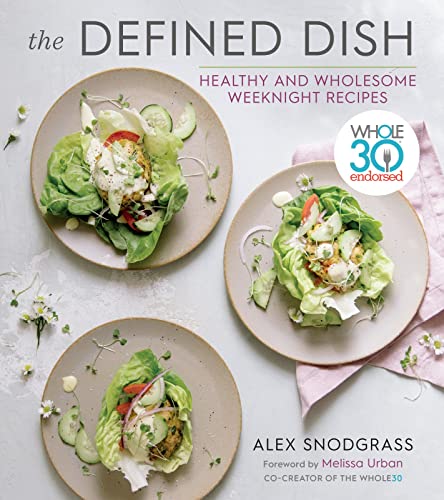
The Defined Dish by Alex Snodgrass -- Best Whole30-Inspired Family Meals
Alex Snodgrass's debut cookbook adapts the clean-eating principles of the Whole30 program into permanently family-friendly territory. The recipes are grain-free and dairy-free but do not taste like deprivation. Sheet-pan citrus chicken thighs, zucchini and beef lasagna boats, and crispy potato soup are among the recipes that reviewers consistently flag as family hits. The book's photography is excellent, and the ingredient lists are carefully edited to avoid obscure specialty items. [Find it on Amazon](https://www.amazon.com/s?k=Defined+Dish+Alex+Snodgrass&tag=thetestedhub-20)
Half Baked Harvest Every Day by Tieghan Gerard -- Best Flexible Nutritious Meals
Gerard's Every Day title is her most practical offering for family cooking, pairing the inventive flavors her audience loves with streamlined prep and more nutritionally focused ingredient choices. The recipes consistently incorporate vegetables, lean proteins, and whole grains without drawing attention to those choices. Korean-inspired beef and vegetable stir-fry, roasted vegetable pasta with whipped ricotta, and one-pan herb chicken with orzo are typical examples. The modular nature of many recipes makes it easy to adapt for different tastes within one family. [Find it on Amazon](https://www.amazon.com/s?k=Half+Baked+Harvest+Every+Day+Gerard&tag=thetestedhub-20)

Super Natural Every Day by Heidi Swanson -- Best Whole-Food Vegetarian
Heidi Swanson's plant-based cooking philosophy is rooted in beautiful, whole ingredients prepared simply. a sharp contrast to the heavily processed meat substitutes that dominate much vegetarian family cooking. Super Natural Every Day delivers recipes built around whole grains, legumes, seasonal vegetables, and unrefined sweeteners. White bean and kale soup, millet cakes with yogurt and herbs, and baked eggs with greens and tomatoes are representative examples that adults and older children tend to embrace. The photography is some of the most beautiful in food publishing. [Find it on Amazon](https://www.amazon.com/s?k=Super+Natural+Every+Day+Heidi+Swanson&tag=thetestedhub-20)
Before you buy
What to consider
The age range of your family members should drive your selection. A cookbook aimed at toddlers and young children emphasizes softer textures, milder flavors, and smaller portions. A cookbook for families with older children and teenagers can incorporate more complexity and heat. Consider whether nutritional information is provided per serving, since this is especially useful if you are managing a child's dietary condition. Also look for books that include meal plans, because structuring the week in advance is consistently the most effective way to maintain healthy eating habits across a busy family schedule.
What to consider
For more family cooking ideas, check out our guides on [best cookbooks for easy family meals](/articles/best-cookbook-for-easy-family-meals) and [best cookbooks for healthy eating](/articles/best-cookbook-for-healthy-eating). Our full evaluation approach is described on the [methodology page](/methodology).
Quick answers
The most effective approach is gradual exposure rather than sudden replacement. Cookbooks that include familiar flavors with added nutrition. like veggie-packed pasta sauces, hidden-vegetable muffins, or taco bars with healthy fillings. tend to work better than recipes that are unfamiliar in both flavor and texture. Consistent exposure over time significantly increases acceptance.
'Many do. The best healthy family cookbooks include modular recipes where a base dish can be customized: a grain bowl where each family member adds their own toppings, or a stir-fry served over rice or noodles. Some also include allergy-friendly substitution notes for common restrictions like dairy or gluten.'
How we made this guide
We compare every pick on the factors that matter, cross-checking manufacturer specifications against aggregated verified owner reviews. We rank independently and never take payment for placement. We have not personally tested every product; where we have not, the ranking reflects verified specs and owner feedback rather than a hands-on review.
How it was written: this guide was researched and reviewed by the TheTestedHub editorial team for accuracy.
Affiliate disclosure: TheTestedHub is reader-supported. When you buy through links on our site, we may earn a commission at no extra cost to you.
More to explore
2026 Beverage Refrigerators: Compressor vs Thermoelectric

6 Drink Dispensers That Actually Seal Right (2026)

Skip Cheap Whiskers: Get a Real Chasen

Wondering Which Tea Infuser Is Best? Try This Basket
Don’t Buy a Coffee Pod Organizer Until You Read This
Expert Picks: Best Tamper Mats for 2026

Coffee Scales for Every Brew, Tested for Daily Use