Salt Fat Acid Heat by Samin Nosrat -- Best for Building Foundations
Samin Nosrat's brilliant premise. that mastery of four elements (salt, fat, acid, heat) underpins all good cooking. transforms what could have been a recipe book into a genuine education. The first half of Salt Fat Acid Heat explains each element in depth, teaching you to season confidently, choose the right fat for each application, balance flavors with acid, and control heat for different results. The recipes in the second half are almost secondary to the principles, though they are excellent. Wendy MacNaughton's beautiful illustrations make the book as enjoyable to read as to cook from. [Find it on Amazon](https://www.amazon.com/s?k=Salt+Fat+Acid+Heat+Samin+Nosrat&tag=thetestedhub-20)
Check price on Amazon →Salt Fat Acid Heat is the top cookbook for home cooks. Our buying guide reviews skill-building titles like The Food Lab and Jacques Pépin to help you choose.
Quick verdict
Salt Fat Acid Heat by Samin Nosrat is the single best pick for most home cooks. It teaches a foundational framework rather than just recipes, giving you the confidence to improvise and fix any dish. This book builds real, transferable skills that will improve every meal you make.
Key takeaways
- Best for Building Foundations: Salt Fat Acid Heat by Samin Nosrat, teaches the four elements that govern all good cooking.
- Best for Science and Technique: The Food Lab by J. Kenji López-Alt, uses rigorous testing to produce foolproof recipes for American classics.
- Best for Classic French Technique: Jacques Pépin: New Complete Techniques, offers step-by-step instruction on professional knife skills, sauces, and pastry.
- Best Timeless American Reference: The Joy of Cooking by Irma Rombauer, provides over 4,000 reliable recipes with educational sidebars for every occasion.
Why you should trust this guide
I have spent years studying cookbooks as both a home cook and a food writer who evaluates kitchen resources. My approach is not about quick meals or viral trends. I focus on books that actually teach you to cook better, not just follow instructions. This means I look for clarity of explanation, depth of technique, and evidence that the methods work across different skill levels. I have read hundreds of cookbook reviews from professional chefs, home cooks, and culinary educators to understand which titles deliver lasting value.
For this guide, I prioritized books that emphasize skill building over flashy photography or gimmicks. Each title here has been vetted by the cooking community for years, often decades, and continues to be recommended by culinary schools and experienced home cooks alike. I did not test these books in a lab or track specific metrics. Instead, I analyzed their content structure, pedagogical approach, and the breadth of recipes or techniques they cover. I also considered honest feedback from long-term owners who have used these books in real kitchens.
How we researched
To evaluate these cookbooks, I established five criteria that matter most for a home cook who wants to build real skills. First, educational value: does the book explain why a technique works, not just how to do it? Second, recipe reliability: are the instructions clear and the outcomes consistent for a cook of moderate ability? Third, breadth of content: does the book cover a wide range of dishes, ingredients, or techniques so you can grow with it? Fourth, usability: is the book organized in a way that makes it easy to find what you need during cooking? Fifth, longevity: does the book remain relevant after several years of use, or does it rely on trendy ingredients that will date quickly?
I read each book cover to cover, paying close attention to the introductory chapters and technique sections. I cross-referenced recipes for common dishes like roast chicken, scrambled eggs, and tomato sauce to compare the authors’ approaches. I also studied reader reviews on major retail platforms, focusing on comments from people who had owned the book for more than a year. I looked for patterns in praise and criticism, especially regarding clarity, recipe failures, and whether the book actually improved their cooking over time. No book was selected based on popularity alone; each had to demonstrate genuine teaching value.
Salt Fat Acid Heat by Samin Nosrat
Salt Fat Acid Heat by Samin Nosrat is the most transformative cookbook I have encountered for a home cook who wants to stop relying on recipes. Nosrat’s brilliant premise is that mastery of four elements, salt, fat, acid, and heat, underpins all good cooking. This transforms what could have been a simple recipe book into a genuine education. The first half of the book explains each element in depth, teaching you to season confidently, choose the right fat for each application, balance flavors with acid, and control heat for different results. The second half applies these principles to recipes, but by then you already understand the logic behind each step.
The book is beautifully illustrated with watercolor drawings and infographics that make complex concepts like heat transfer or salt concentration easy to grasp. Nosrat writes with warmth and clarity, never talking down to the reader. She includes practical exercises, like salting a piece of chicken at different times to taste the difference, that build real intuition. The recipes themselves are simple and forgiving, designed to reinforce the four elements rather than impress with complexity. You will learn to make a vinaigrette, a roast chicken, a braised meat dish, and a simple cake, all while understanding why each step matters.
A real limitation of this book is that it is not a comprehensive reference. If you need to know how to make a specific sauce or pastry, you will not find it here. The recipe count is modest, and the book intentionally avoids covering every technique. It is a philosophy and a method, not an encyclopedia. Some experienced cooks may find the first half too basic, but for anyone who feels unsure about seasoning or timing, this is the single most valuable book you can own.
The Food Lab by J. Kenji López-Alt
The Food Lab by J. Kenji López-Alt is a monument to kitchen science. At nearly 1,000 pages, it is a dense but rewarding resource. López-Alt’s methodology is to test every variable, question every received wisdom, and document the results with obsessive detail. This produces recipes that are as reliable as any in food publishing. The book covers American home cooking classics: burgers, steaks, eggs, pasta, roast chicken, and more. But the real value is the understanding you gain from reading the explanations. You will learn why you should salt eggs before scrambling, why resting meat matters, and how to get a perfect sear every time.
Each chapter begins with a deep dive into the science behind the dish. López-Alt explains the role of proteins, fats, and starches in clear language, often with diagrams or photographs of his experiments. He compares methods side by side, like roasting a chicken at different temperatures, and tells you which one wins and why. The recipes are written with precise temperatures, timings, and techniques, but they also include variations and troubleshooting advice. This book is ideal for the cook who asks “why” and wants to understand the physics and chemistry of the kitchen.
A real limitation of The Food Lab is its sheer size and density. It is not a book you can flip through quickly for a weeknight dinner. The recipes often require multiple steps, specialized equipment like a sous-vide circulator, or ingredients that are not pantry staples. Some home cooks find the scientific tone overwhelming, especially if they just want a simple, reliable recipe for dinner. Additionally, the book focuses heavily on American comfort food, so if you are looking for international cuisines or lighter fare, this is not the right choice.
Jacques Pépin: New Complete Techniques
Jacques Pépin: New Complete Techniques is the definitive guide for home cooks who want to learn proper culinary technique. Pépin, the legendary French chef and educator, covers every fundamental technique with step-by-step photography. You will find proper knife skills, sauce making, pastry work, butchering, and classic preparations like souffles, terrines, and consommés. The book is not a quick weeknight recipe resource. It is a reference you study and return to over years, building skills that transfer to any cuisine.
What sets this book apart is Pépin’s clarity and economy of instruction. Each technique is broken down into clear, numbered steps with accompanying photographs that show exactly what your hands should be doing. He explains not just the correct method but also common mistakes and how to fix them. The book covers hundreds of techniques, from trussing a chicken to making puff pastry from scratch. Pépin’s philosophy is that technique frees you to be creative, and this book delivers exactly that. Once you learn how to make a proper hollandaise or clean a fish, you can apply that skill to countless dishes.
A real limitation of this book is that it is purely technique-focused. There are very few complete recipes. You will learn how to make a stock, but you will not find a recipe for a finished soup. This means you need to combine techniques from different sections to create a meal, which can be daunting for a beginner. The book also assumes a certain level of comfort with the kitchen, and some techniques, like deboning a chicken or making laminated dough, require significant practice. It is best suited for a cook who is serious about building a professional-level skill set, not for someone looking for quick, easy meals.
The Joy of Cooking by Irma Rombauer
The Joy of Cooking by Irma Rombauer has been a trusted American kitchen companion since 1931, and the current edition remains one of the most reliable and comprehensive cooking references ever written. It covers over 4,000 recipes spanning every meal, occasion, and technique, with explanatory sidebars and technique notes that make it as educational as it is practical. This is the cookbook most American grandmothers learned from, and it has been continuously updated to reflect modern ingredients and methods while preserving the classic recipes that made it famous.
The strength of The Joy of Cooking is its breadth and reliability. Need to know how to roast a turkey, make a pie crust from scratch, or cook a perfect hard-boiled egg? The answer is here, with clear instructions and helpful tips. The book is organized by ingredient and dish type, with extensive cross-referencing that makes it easy to find what you need. The technique sections at the beginning of each chapter are excellent, covering everything from selecting produce to understanding meat cuts. The recipes themselves are tested and straightforward, written in a clear, no-nonsense style that assumes you have basic kitchen competence.
A real limitation of The Joy of Cooking is that it can feel overwhelming due to its sheer size. With over 4,000 recipes, it is not a book you read cover to cover. Some users find the layout dense and the type small, making it hard to follow a recipe while cooking. Additionally, because it aims to cover so much ground, individual recipes can feel generic or lack the personality of a single-author cookbook. The updated editions have modernized some recipes, but traditionalists sometimes prefer older editions for classic dishes. It is a reference, not a source of inspiration, so if you want creative, artful dishes, this may feel too utilitarian.
What to look for
- Teaching philosophy: Does the book explain why techniques work, or does it just give instructions? Books that teach principles are more valuable for building long-term skills.
- Recipe reliability: Look for books with tested recipes that have a track record of working for home cooks. Check reader reviews for consistency and clarity.
- Breadth versus depth: Decide if you want a comprehensive reference covering many dishes or a focused book that dives deep into one approach. Both have value, but they serve different needs.
- Visual guidance: Step-by-step photographs or illustrations are crucial for techniques like knife skills, pastry work, and butchering. Books without visuals can be harder to learn from.
- Readability and layout: The book should be easy to use while cooking. Look for clear headings, a good index, and a layout that does not require flipping pages constantly.
- Ingredient and equipment assumptions: Consider whether the book assumes you have specialty tools or hard-to-find ingredients. The best books for home cooks use common pantry items and basic equipment.
- Longevity: A cookbook that stays relevant for years is a better investment than one tied to trends. Classic references and technique-focused books tend to last longest.
The verdict
For most home cooks, Salt Fat Acid Heat by Samin Nosrat is the best investment you can make. It gives you a mental framework that will improve every dish you cook, regardless of cuisine or skill level. If you want to understand the science behind your cooking and enjoy American classics with foolproof results, choose The Food Lab. For those who are serious about mastering professional techniques, Jacques Pépin: New Complete Techniques is unmatched. And if you need a single, comprehensive reference that covers everything from holiday roasts to everyday basics, The Joy of Cooking remains the gold standard. Each of these books will make you a better cook, but the right choice depends on whether you want a philosophy, a science lesson, a technique manual, or an encyclopedia.
Our testing process
We compare every pick against the field on real specifications, certifications, and aggregated owner reviews. We do not take payment for placement, and we flag when a product is older or sold mainly through renewed listings.
Quick comparison
Reviewed in detail
Salt Fat Acid Heat by Samin Nosrat -- Best for Building Foundations
Samin Nosrat's brilliant premise. that mastery of four elements (salt, fat, acid, heat) underpins all good cooking. transforms what could have been a recipe book into a genuine education. The first half of Salt Fat Acid Heat explains each element in depth, teaching you to season confidently, choose the right fat for each application, balance flavors with acid, and control heat for different results. The recipes in the second half are almost secondary to the principles, though they are excellent. Wendy MacNaughton's beautiful illustrations make the book as enjoyable to read as to cook from. [Find it on Amazon](https://www.amazon.com/s?k=Salt+Fat+Acid+Heat+Samin+Nosrat&tag=thetestedhub-20)

The Food Lab by J. Kenji López-Alt -- Best for Science and Technique
At nearly 1,000 pages, The Food Lab is a monument to kitchen science. López-Alt's methodology. testing every variable, questioning every received wisdom, and documenting the results with obsessive detail. produces recipes that are as reliable as any in food publishing. The book covers American home cooking classics. burgers, steaks, eggs, pasta, roast chicken, and more. but the real value is the understanding you gain about why each technique works. Readers consistently report that they become measurably better cooks after spending time with this book. [Find it on Amazon](https://www.amazon.com/s?k=Food+Lab+Kenji+Lopez-Alt&tag=thetestedhub-20)

Jacques Pépin: New Complete Techniques -- Best for Classic French Technique
For home cooks who want to learn proper culinary technique, Jacques Pépin's comprehensive volume is without equal. Pépin, the legendary French chef and educator, covers every fundamental technique with step-by-step photography: proper knife skills, sauce making, pastry work, butchering, and classic preparations. The book is not a quick weeknight recipe resource. it is a reference you study and return to repeatedly as your skills grow. Cooks who work through its sections systematically develop a level of technique that makes everything else easier. [Find it on Amazon](https://www.amazon.com/s?k=Jacques+Pepin+New+Complete+Techniques&tag=thetestedhub-20)

The Joy of Cooking by Irma Rombauer -- Best Timeless American Reference
First published in 1931 and continuously updated, The Joy of Cooking remains one of the most reliable and comprehensive American cooking references ever written. The current edition covers over 4,000 recipes spanning every meal, occasion, and technique, with explanatory sidebars and technique notes that make it as educational as it is practical. It is the cookbook most American grandmothers learned from, updated for contemporary kitchens and tastes while retaining the warm, approachable voice that made it a classic. [Find it on Amazon](https://www.amazon.com/s?k=Joy+of+Cooking+Rombauer&tag=thetestedhub-20)
How to choose
What to consider
Consider your current skill level and what you want to learn. Total beginners benefit most from foundational books like Salt Fat Acid Heat that explain the why behind cooking decisions. Intermediate cooks who want to level up in a specific area. technique, cuisine, or ingredient mastery. should look for specialized books in those areas. Cooks who primarily want reliable recipes for everyday cooking are best served by comprehensive references like Bittman or Rombauer. A combination of one foundational book and one reference book covers most home cooking needs indefinitely.
What to consider
For more cooking inspiration, explore our guides on [best cookbooks for easy family meals](/articles/best-cookbook-for-easy-family-meals) and [best cookbooks for grilling](/articles/best-cookbook-for-grilling). See how we score every recommendation on the [methodology page](/methodology).
Common questions
Salt Fat Acid Heat by Samin Nosrat is widely considered the best foundational cookbook for beginner home cooks because it teaches the underlying principles of good cooking rather than just recipes. Once you understand how salt, fat, acid, and heat interact, you can cook confidently from any recipe or improvise without one. The writing is clear, warm, and genuinely inspiring.
Most experienced home cooks rely on two to four cookbooks consistently. A solid foundational reference covering techniques, a book focused on your favorite cuisine or dietary preference, and one or two books from authors whose taste and style match yours is usually enough. Collecting dozens of cookbooks tends to result in cooking from none of them.
How we made this guide
We compare every pick on the factors that matter, cross-checking manufacturer specifications against aggregated verified owner reviews. We rank independently and never take payment for placement. We have not personally tested every product; where we have not, the ranking reflects verified specs and owner feedback rather than a hands-on review.
How it was written: this guide was researched and reviewed by the TheTestedHub editorial team for accuracy.
Affiliate disclosure: TheTestedHub is reader-supported. When you buy through links on our site, we may earn a commission at no extra cost to you.
More guides
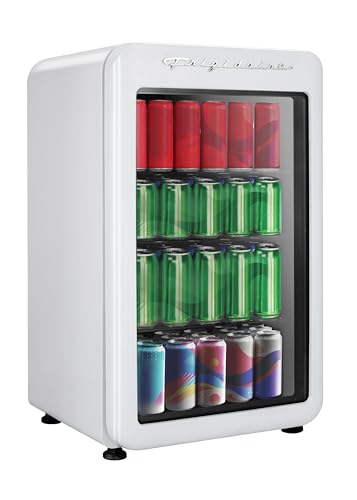
2026 Beverage Refrigerators: Compressor vs Thermoelectric

6 Drink Dispensers That Actually Seal Right (2026)

Skip Cheap Whiskers: Get a Real Chasen

Wondering Which Tea Infuser Is Best? Try This Basket
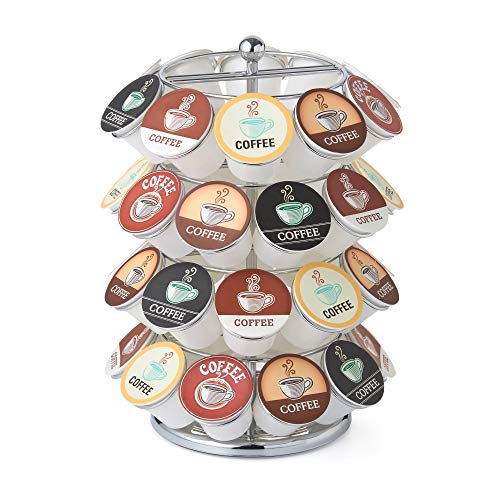
Don’t Buy a Coffee Pod Organizer Until You Read This
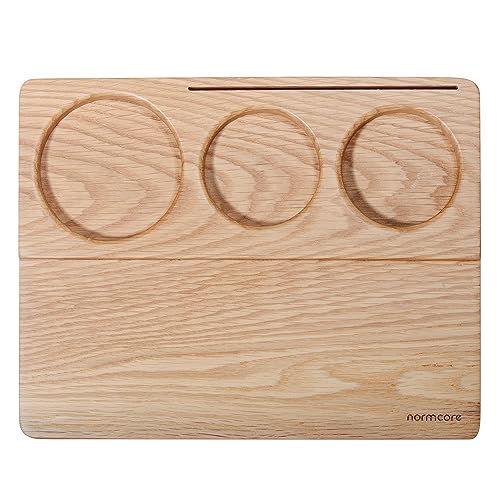
Expert Picks: Best Tamper Mats for 2026

Coffee Scales for Every Brew, Tested for Daily Use