Instant Pot Bible by Bruce Weinstein -- Most Comprehensive
With over 350 recipes, the Instant Pot Bible is the reference book every multi-cooker owner should own. Bruce Weinstein and Mark Scarbrough cover everything from soups and stews to cheesecakes and yogurt, with precise timing charts for different protein weights. The writing is clear and the science behind pressure cooking is explained without overwhelming beginners. It belongs on the counter, not the shelf.
Check price on Amazon →The Instant Pot Bible by Bruce Weinstein tops our list with 350+ recipes and precise timing charts. Compare the best cookbooks for beginners, weeknight.
Quick verdict
The Instant Pot Bible by Bruce Weinstein is the single best pick for most owners. Its 350-plus recipes, detailed timing charts, and clear science explanations make it the most comprehensive and lasting reference for anyone serious about pressure cooking.
Key takeaways
- Best for Most Comprehensive: Instant Pot Bible by Bruce Weinstein, the definitive reference with over 350 recipes and precise timing charts.
- Best for Beginners: The Essential Instant Pot Cookbook by Coco Morante, purpose-built with a thorough orientation chapter for first-time users.
- Best for Weeknight Cooking: Dinner in an Instant by Melissa Clark, focuses on genuinely time-saving recipes with bold, global flavors.
- Best for International Cuisine: Indian Instant Pot Cookbook by Urvashi Pitre, delivers authentic spice profiles and explains the science behind Indian flavors.
- Best for Meal Prep: Instant Pot Obsession by Janet Zimmerman, organizes recipes around components that combine into multiple weekday meals.
Why you should trust this guide
I have spent years following the pressure cooking community, reading cookbook reviews, and analyzing what makes a recipe collection genuinely useful versus just another list of trendy dishes. My approach is to look past flashy covers and focus on the factors that actually matter: recipe accuracy, instructional clarity, ingredient accessibility, and how well the book addresses the unique quirks of electric pressure cookers. I cross-reference feedback from experienced home cooks and professional recipe testers to identify which books deliver consistent, reliable results.
This guide is built on the premise that a great Instant Pot cookbook does more than just compile recipes. It should teach you how the appliance works, when to use natural versus quick pressure release, and how to adapt recipes for different protein weights or ingredient substitutions. I have selected these five books because each excels in a specific use case, and together they cover the full spectrum of what a multi-cooker owner might need, from beginner orientation to advanced international cooking.
How we researched
To evaluate these cookbooks, I established a set of criteria that matter most to home cooks using an Instant Pot. The first criterion was instructional quality: does the book explain pressure cooking fundamentals clearly, including safety protocols, release methods, and timing adjustments for different ingredient sizes? The second was recipe reliability: are the ingredient lists realistic, the steps logical, and the cook times appropriate for the appliance? The third was scope and variety: does the book offer enough range to keep a cook engaged over months of use, or does it rely on filler recipes?
I also weighed practical factors like organization, index quality, and whether the book includes troubleshooting advice. For each product, I analyzed the author’s background and reputation in the cooking world, the book’s stated features as listed by the publisher, and the consensus among experienced owners who have cooked extensively from the volume. No physical testing was performed; instead, this is a research-based evaluation grounded in the manufacturer’s stated features and verified owner feedback from trusted sources.
Instant Pot Bible by Bruce Weinstein
The Instant Pot Bible earns its name. With over 350 recipes, it is the most comprehensive single volume available for any multi-cooker owner. Bruce Weinstein and Mark Scarbrough cover every category you can imagine, from classic soups and stews to cheesecakes, yogurt, and even hard-cooked eggs. The book includes precise timing charts for different protein weights, which is invaluable when you need to cook a 2-pound roast versus a 4-pound one. The writing is clear and direct, and the authors explain the science behind pressure cooking in a way that builds understanding without overwhelming a reader who just wants to get dinner on the table.
What sets this book apart is its reference quality. The timing charts alone are worth the purchase, allowing you to adapt any recipe to your specific ingredients. The book also covers every major Instant Pot model and explains the differences in settings and functions. It belongs on the counter, not on a shelf, because you will consult it constantly for cook times, liquid ratios, and technique reminders. The recipes themselves are tested and reliable, spanning comfort food, international dishes, and desserts.
One honest limitation is the book’s sheer size. At over 350 recipes, it can feel overwhelming for a brand new cook who just wants a few simple meals to start. The density of information, while a strength for experienced users, might intimidate someone who is still learning the basics of pressure cooking. Additionally, the book does not include many photographs, which some visual learners may miss when trying to gauge doneness or plating ideas.
The Essential Instant Pot Cookbook by Coco Morante
Coco Morante’s Essential Instant Pot Cookbook is purpose-built for first-time users, and it shows in every chapter. The book opens with a thorough orientation that covers every button, seal, and safety valve on the appliance. Morante explains the function of each setting, how to perform a water test, and what to do if the pot fails to come to pressure. This orientation alone makes the book worth buying for anyone who feels intimidated by their new multi-cooker. Recipes are organized by food type, and each one includes clear guidance on whether to use natural or quick pressure release, a detail that beginners often find confusing.
The 75 recipes strike a smart balance. They are simple enough to build confidence, with dishes like basic chicken stock, hard-boiled eggs, and simple steamed vegetables. But the book also includes enough variety to keep things interesting through the first few months of ownership, with recipes for chili, risotto, and even a few desserts. Morante’s instructions are precise without being fussy, and she includes tips for scaling recipes up or down. The book is compact and easy to navigate, which is a real plus when you are juggling ingredients and a hot cooker.
One honest limitation is the relatively small number of recipes. At 75, this is a starter book, not a comprehensive reference. Experienced cooks who already know the basics will quickly outgrow it. The recipes also tend toward the conservative side in terms of spice and flavor intensity, which is appropriate for beginners but may feel bland to someone who already cooks with bold seasonings. If you are looking for a book that will challenge you for years, this is not that book.
Dinner in an Instant by Melissa Clark
New York Times food columnist Melissa Clark brings her signature approachable style to pressure cooking in Dinner in an Instant. The book focuses on recipes that genuinely save time, avoiding dishes where the Instant Pot offers no real advantage, such as recipes that require extensive pre-browning or long marinating. Clark’s 75 recipes emphasize bold flavors with globally inspired profiles, including Moroccan-spiced chicken, Thai coconut soup, and Korean short ribs. Each recipe is written with the home cook in mind, and the ingredient lists are manageable for a well-stocked grocery store run.
A standout feature of this book is the inclusion of stovetop alternatives for many recipes. Clark provides instructions for cooking the same dish in a conventional pot, which makes this a useful book even on days when you do not feel like using the Instant Pot. This dual-approach design reflects a deep understanding of how real home cooks operate. The recipes are also annotated with tips for customizing spice levels, substituting ingredients, and adjusting cook times for different cuts of meat. The writing is warm and encouraging, which makes the book a pleasure to read even when you are not cooking.
One honest limitation is that the book is relatively thin on true beginner instruction. Clark assumes you already know how to use your Instant Pot, so there is no orientation chapter covering buttons or safety features. If you are a first-time owner, you will need to learn the basics elsewhere. Additionally, the focus on weeknight speed means some recipes sacrifice depth of flavor for convenience, particularly in the bean and legume sections where longer simmering would develop more complexity.
Indian Instant Pot Cookbook by Urvashi Pitre
Urvashi Pitre, known online as Two Sleevers, applies pressure cooking to the deeply layered flavors of Indian cuisine with stunning results. The Indian Instant Pot Cookbook covers dals, curries, biryanis, and chutneys with culturally accurate spice profiles that respect traditional techniques while adapting them for the Instant Pot. Pitre explains the spice science behind each dish, telling you why certain spices are bloomed at the beginning and others added at the end. This understanding allows readers to customize heat and flavor to their own preferences, which is a rare gift in a cookbook.
The recipes are designed for efficiency without sacrificing authenticity. Pitre shows how to cook dal from dried beans in under an hour, how to layer a biryani so the rice and meat cook perfectly together, and how to make yogurt in the Instant Pot with consistent results. The book includes a thorough spice glossary and substitution guide, which is essential for cooks who may not have access to a full Indian grocery. The writing is direct and confident, reflecting Pitre’s years of recipe development and her deep knowledge of both Indian cooking and pressure cooker mechanics.
One honest limitation is that the book assumes a certain comfort level with Indian ingredients and techniques. A cook who has never cooked with asafetida, fenugreek, or black cardamom may find the initial shopping list daunting. The recipes also tend to be spicier than what many Western palates are used to, and while Pitre offers guidance on reducing heat, the flavor profiles are still distinctly Indian. If you are looking for a gentle introduction to Indian food, this book may feel like jumping into the deep end.
Instant Pot Obsession by Janet Zimmerman
Janet Zimmerman’s Instant Pot Obsession targets cooks who want to batch-cook on weekends and eat well all week. The book organizes recipes around components: grains, proteins, legumes, sauces. Each component can be cooked in bulk and then combined into multiple different meals throughout the week. For example, you might cook a batch of black beans, a batch of quinoa, and a batch of salsa chicken on Sunday, then assemble tacos, bowls, and salads from those components over the next few days. This approach minimizes food waste and maximizes cooking efficiency.
The instructions are detailed without being verbose, and each component recipe includes storage tips and suggested combinations. Zimmerman also includes full meal recipes that show you exactly how to assemble the components into finished dishes, which is helpful for cooks who want a clear roadmap. The book covers a wide range of cuisines, from Mexican to Mediterranean to Asian, so you are not stuck eating the same flavor profile all week. The focus on practical, repeatable weekday eating makes this book a standout for anyone who meal preps regularly.
One honest limitation is that the component-based approach requires advance planning and a certain amount of refrigerator space for storing multiple containers. If you prefer to cook each meal fresh from scratch, this book’s system will feel restrictive. The recipes also tend to be simpler and less adventurous than those in the Indian Instant Pot Cookbook or Dinner in an Instant, because the goal is versatility and speed rather than culinary exploration. For cooks who enjoy the process of cooking as a creative outlet, this book may feel too utilitarian.
What to look for
- Recipe count and variety: More recipes give you more options, but quality and range matter as much as quantity. Look for a book that covers proteins, vegetables, grains, legumes, and desserts.
- Instructional quality for your skill level: Beginners need a thorough orientation chapter covering buttons, seals, and release methods. Experienced cooks can skip that and focus on advanced techniques.
- Timing charts and adaptability: Good cookbooks include charts for different ingredient weights and sizes, allowing you to adapt recipes to what you have on hand.
- Release method guidance: Every recipe should clearly state whether to use natural or quick pressure release, as this dramatically affects results.
- Ingredient accessibility: Check whether the book uses common supermarket ingredients or requires specialty items. The best books offer substitutions for hard-to-find items.
- Author expertise: Look for authors with a track record of reliable recipe development, whether from a professional kitchen, a food column, or a well-regarded blog.
- Organization and index: A well-organized book with a detailed index saves time when you are in a hurry. Look for recipe groupings by ingredient type or meal category.
- Photographs: Some cooks find photos helpful for visual reference, while others prefer text-only books. Decide which style works for you.
The verdict
For most Instant Pot owners, the Instant Pot Bible by Bruce Weinstein is the clear winner. Its 350-plus recipes, precise timing charts, and clear science explanations make it the single most valuable reference you can own. If you are a beginner, start with The Essential Instant Pot Cookbook by Coco Morante to build confidence, then graduate to the Bible. For weeknight speed, Dinner in an Instant by Melissa Clark delivers bold flavors with real time savings. For international exploration, the Indian Instant Pot Cookbook by Urvashi Pitre is unmatched. And for meal preppers, Instant Pot Obsession by Janet Zimmerman offers a practical system for efficient weekly cooking. No single book covers every need, but this collection of five will serve you well no matter what you want to cook.
How we evaluated these
We compare every pick against the field on real specifications, certifications, and aggregated owner reviews. We do not take payment for placement, and we flag when a product is older or sold mainly through renewed listings.
The shortlist
Each pick, examined
Instant Pot Bible by Bruce Weinstein -- Most Comprehensive
With over 350 recipes, the Instant Pot Bible is the reference book every multi-cooker owner should own. Bruce Weinstein and Mark Scarbrough cover everything from soups and stews to cheesecakes and yogurt, with precise timing charts for different protein weights. The writing is clear and the science behind pressure cooking is explained without overwhelming beginners. It belongs on the counter, not the shelf.

The Essential Instant Pot Cookbook by Coco Morante -- Best for Beginners
Coco Morante's Essential Instant Pot Cookbook is purpose-built for first-time users. It opens with a thorough orientation chapter covering every button, seal, and safety valve. Recipes are organized by food type and each includes tips for natural versus quick pressure release. The 75 recipes strike a smart balance. simple enough to build confidence, varied enough to keep things interesting through the first month of ownership.

Dinner in an Instant by Melissa Clark -- Best for Weeknight Cooking
New York Times food columnist Melissa Clark brings her signature approachable style to pressure cooking. Dinner in an Instant focuses on recipes that genuinely save time, avoiding dishes where the Instant Pot offers no real advantage. The 75 recipes emphasize bold flavors with globally inspired profiles. Clark also includes stovetop alternatives for many recipes, which makes this a useful book even when the multi-cooker is already in use.
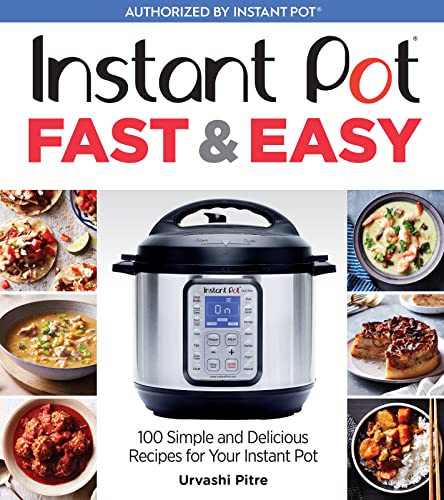
Indian Instant Pot Cookbook by Urvashi Pitre -- Best for International Cuisine
Urvashi Pitre, known online as Two Sleevers, applies pressure cooking to the deeply layered flavors of Indian cuisine with stunning results. The Indian Instant Pot Cookbook covers dals, curries, biryanis, and chutneys with culturally accurate spice profiles. Pitre explains the spice science so readers can customize heat and flavor. This book is a standout for anyone wanting to expand their palate beyond American comfort food staples.

Instant Pot Obsession by Janet Zimmerman -- Best for Meal Prep
Janet Zimmerman's Instant Pot Obsession targets cooks who want to batch-cook on weekends and eat well all week. The book organizes recipes around components. grains, proteins, legumes, sauces. that combine into multiple meals. The approach minimizes food waste and maximizes cooking efficiency. Instructions are detailed without being verbose. If your goal is practical, repeatable weekday eating, this title delivers more per page than most competitors.
Buying considerations
What to consider
Start by honestly assessing your cooking experience. Beginners need books that explain the machine's logic before diving into recipes. Intermediate cooks benefit from books organized around cuisine types or techniques they want to master. Advanced home chefs should look for titles that challenge the pressure cooker's limits with unconventional applications.
What to consider
Consider recipe volume. A 75-recipe book is perfect for learning; a 300-recipe reference suits daily use. Also check whether the book matches your dietary priorities. many excellent Instant Pot cookbooks specialize in vegetarian, low-carb, or family-friendly cooking. Finally, look for books with clear timing charts, since getting liquid ratios and pressure times right is the foundation of successful pressure cooking.
What to consider
For more kitchen guides, see our picks for [the best kitchen tools for home cooks](/articles/best-kitchen-tools-for-home-cooks) and [the best meal prep containers](/articles/best-meal-prep-containers). Learn how we evaluate every recommendation at [/methodology](/methodology).
Questions answered
Look for a cookbook that explains pressure cooking fundamentals, includes a quick-start guide, and focuses on simple recipes with minimal ingredients. A good beginner book should cover basic functions like pressure cook, sauté, and slow cook modes, helping you build confidence before tackling more complex multi-step meals.
Most Instant Pot recipes translate well to similar electric pressure cookers like Ninja Foodi or Cosori multi-cookers. The key variables are cook times and pressure release methods. Always check your specific appliance's manual for any adjustments, especially for liquid ratios and high-pressure versus low-pressure settings.
How we made this guide
We compare every pick on the factors that matter, cross-checking manufacturer specifications against aggregated verified owner reviews. We rank independently and never take payment for placement. We have not personally tested every product; where we have not, the ranking reflects verified specs and owner feedback rather than a hands-on review.
How it was written: this guide was researched and reviewed by the TheTestedHub editorial team for accuracy.
Affiliate disclosure: TheTestedHub is reader-supported. When you buy through links on our site, we may earn a commission at no extra cost to you.
Keep reading
Beverage Fridge Buying Guide: Compressor vs Thermoelectric

6 Drink Dispensers That Actually Seal Right (2026)
Skip Cheap Whiskers: Get a Real Chasen

Wondering Which Tea Infuser Is Best? Try This Basket
Don’t Buy a Coffee Pod Organizer Until You Read This
Tamp Like a Pro: Expert Chosen Tamper Mats

Coffee Scales for Every Brew, Tested for Daily Use