America's Test Kitchen. The Complete Cooking for Two Cookbook -- Best Everyday P
This is the practical backbone of a young couple's kitchen library. Every one of the 650-plus recipes is scaled specifically for two servings, which eliminates the perpetual leftover problem that plagues most cookbooks. ATK's relentlessly tested approach means the recipes genuinely work. no guessing, no adjustments needed. The range is impressive: quick weeknight pasta, slow-weekend braises, homemade pizza, simple desserts. Clear technique explanations throughout make it an excellent skill builder. If a couple owns only one cookbook, this should be it.
Check price on Amazon →America's Test Kitchen's The Complete Cooking for Two Cookbook tops our buying guide with 650+ tested recipes scaled for two. Compare picks for.
Quick verdict
America’s Test Kitchen’s The Complete Cooking for Two Cookbook is the single best pick for most young couples. It solves the core problem of scaling meals for two, every recipe is rigorously tested, and its 650-plus options cover everything from quick weeknight dinners to weekend projects. It is the practical backbone your kitchen needs.
Key takeaways
- Best for Everyday Reliability: America’s Test Kitchen. The Complete Cooking for Two Cookbook, because every recipe is scaled for two and tested to work without guesswork.
- Best for Building Cooking Confidence: Samin Nosrat. Salt Fat Acid Heat, because its four-principle framework frees you from strict recipes and teaches you to cook intuitively.
- Best for Creative Vegetable Cooking: Yotam Ottolenghi. Plenty, because its bold, unexpected flavor combinations make vegetables exciting and plant-based meals feel indulgent.
- Best for Comfort Food: Tieghan Gerard. Half Baked Harvest Cookbook, because it blends cozy American classics with global twists and a warm, personal voice.
- Best for Date Nights: Yotam Ottolenghi. Jerusalem, because its more involved, deeply rewarding recipes and cultural storytelling turn cooking into a special occasion.
Why you should trust this guide
I have spent years researching cookbooks for home cooks, specifically focusing on what makes a cookbook work for a couple learning to cook together. My approach combines careful reading of each book’s structure, recipe selection, and instructional philosophy with a deep analysis of verified owner feedback from thousands of reviews across multiple platforms. I look for patterns in what real users praise and what frustrates them, from recipe clarity to ingredient accessibility to how often a book actually gets used beyond the first week.
This guide is built on the principle that a great cookbook for young couples must balance aspiration with practicality. It should inspire you to try new things without overwhelming you, and it should fit your actual lifestyle, whether that means quick weeknight meals or leisurely weekend projects. Every recommendation here has been vetted against these criteria, and I have deliberately included honest limitations for each book so you can choose the one that matches your specific cooking style and goals.
How we researched
To evaluate these cookbooks, I established a set of criteria that matter most for young couples cooking together. The primary factors were: recipe reliability (does the recipe work as written for a home cook with standard equipment?), serving size practicality (are portions appropriate for two people without excessive leftovers?), instructional clarity (are techniques explained clearly enough for a beginner to follow?), ingredient accessibility (are the ingredients findable in a typical grocery store?), and overall inspiration (does the book make you want to cook together?).
I then cross-referenced each book against these criteria by reading the full table of contents and sample recipes, studying the introductory material that explains the book’s philosophy, and analyzing hundreds of reviews from verified purchasers. I paid special attention to comments about recipe failures or successes, how well the book held up over months of use, and whether couples reported cooking from it regularly. This research-based approach ensures the recommendations are grounded in what actually works for real people, not just marketing claims.
America’s Test Kitchen. The Complete Cooking for Two Cookbook
This book is the practical backbone of a young couple’s kitchen library. Every one of the 650-plus recipes is scaled specifically for two servings, which eliminates the perpetual leftover problem that plagues most cookbooks. ATK’s relentlessly tested approach means the recipes genuinely work, no guessing, no adjustments needed. The range is impressive: quick weeknight pasta, slow-weekend braises, homemade bread, and even desserts designed for two. The book also includes smart tips for reducing waste, like how to use half an onion or what to do with leftover herbs. The photography is functional rather than aspirational, which fits the book’s no-nonsense mission.
The real strength here is consistency. When you are a young couple learning to cook together, the last thing you need is a recipe that fails because of an untested technique or an ambiguous instruction. ATK’s obsessive testing means you can trust that the cooking time, temperature, and ingredient ratios are correct. This removes the anxiety from cooking and lets you focus on the experience of making a meal together. The book also covers a wide range of cuisines, so you will not get bored, and it includes helpful charts for ingredient substitutions and equipment recommendations.
One honest limitation is that the book’s design is utilitarian rather than beautiful. The pages are dense with text and the photos are sparse, which might feel less inspiring than a glossy coffee-table cookbook. Also, some recipes call for specialized equipment like a food processor or a stand mixer, which not every young couple may own yet. However, the book does note alternatives where possible, and the reliability of the recipes more than compensates for the lack of visual flair.
Samin Nosrat. Salt Fat Acid Heat
Understanding the four principles in this book transforms cooking from an anxious performance into a confident, creative act. Couples who cook through Nosrat’s framework stop feeling dependent on precise recipes and start improvising, which is where cooking together becomes genuinely fun. The gorgeous illustrated pages are perfect for reading together on the couch before attempting a new technique. The book is structured as a masterclass in the four fundamental elements of good cooking, with each section explaining how to balance salt, fat, acid, and heat to make any dish taste better.
What makes this book special for couples is that it teaches you a shared language. Instead of following a recipe blindly, you learn to taste and adjust together, to discuss whether a dish needs more salt or a squeeze of lemon. This collaborative problem-solving builds both cooking skills and your relationship. The illustrations by Wendy MacNaughton are charming and clarifying, making concepts like emulsification or browning easy to grasp. The book also includes a handful of core recipes that demonstrate each principle, but the real value is the knowledge you carry forward into every meal you cook.
A limitation is that this is not a traditional recipe book. If you are looking for 500 specific dishes to cook through, you will be disappointed. The recipes are more like templates, and some readers find the lack of precise measurements frustrating when they just want a straightforward dinner. Additionally, the book assumes a certain level of curiosity and willingness to experiment, which may not suit every couple’s cooking style. But for those ready to level up their cooking intuition, it is transformative.
Yotam Ottolenghi. Plenty
Plenty makes vegetables exciting in a way that genuinely converts reluctant vegetable eaters. The flavor combinations are bold and unexpected: pomegranate molasses, za’atar, preserved lemon. But the techniques are approachable for home cooks. For couples trying to eat more plant-based meals without feeling deprived, this book is revelatory. The photography is stunning, the recipes are reliably delicious, and the dishes look impressive on the plate without requiring professional chef skills. Each recipe feels like a discovery, from roasted eggplant with saffron yogurt to sweet potato cakes with lime pickle.
The book is organized by vegetable, which makes it easy to shop by what looks good at the market. You can flip to the cauliflower chapter and find five completely different ways to prepare it, from a simple roasted version to a more complex fritter. This flexibility is perfect for couples who want to eat seasonally or reduce their meat consumption without feeling like they are missing out. The recipes are also designed to be shared, with most serving four, which means you will have leftovers for lunch the next day, a practical bonus for busy couples.
One limitation is that some ingredients can be hard to find in a standard grocery store. Preserved lemons, za’atar, and pomegranate molasses may require a trip to a specialty market or an online order. This can be a barrier for couples who want to cook spontaneously. Also, some recipes have longer ingredient lists and multiple steps, which can feel overwhelming on a weeknight. But for weekend cooking projects or when you want to impress each other, the effort is well rewarded.
Tieghan Gerard. Half Baked Harvest Cookbook
Half Baked Harvest blends cozy American comfort food with global flavors and visual flair. The recipes, spiced lamb flatbreads, butter chicken pasta, brown butter blondies, are the kind of dishes you photograph before eating. Tieghan Gerard’s writing is warm and personal, making the book feel like guidance from a talented friend. The flavor profiles lean bold and satisfying rather than austere, and the recipes are designed to be approachable for home cooks who want something a little more exciting than plain chicken and rice.
This book excels at making cooking feel like a treat rather than a chore. The recipes are indulgent without being overly complicated, and many can be made in under an hour. The photography is beautiful and aspirational, which makes you want to flip through the pages and plan your next meal together. Gerard also includes helpful tips for customizing recipes to your taste, which encourages the kind of collaborative cooking that is fun for couples. The book covers everything from appetizers to desserts, so you can build a full meal around a single theme.
A limitation is that many recipes are heavy on cheese, cream, and butter, which may not align with every couple’s health goals. If you are looking for light, vegetable-forward meals, this is not the book for you. Also, some reviewers note that a few recipes can be overly sweet or rich, even for comfort food standards. But if you want a cookbook that makes you excited to cook together on a rainy Sunday, this is a strong choice.
Yotam Ottolenghi. Jerusalem
Jerusalem is the book to open on a Friday evening when you want cooking to feel like an occasion. The recipes are more involved than weeknight standards but deeply rewarding: whole roasted cauliflower, slow-cooked lamb, layered rice dishes. The cultural storytelling about Jerusalem’s food scene makes for fascinating reading alongside the recipes. For couples who enjoy cooking together as a weekend ritual, this book provides a rich, immersive experience that goes beyond just following instructions.
The book is as much a travelogue as a cookbook. Each chapter is prefaced with stories about the markets, home cooks, and street vendors that inspired the dishes. Reading these passages together adds a layer of connection to the cooking process, turning a meal into a shared cultural exploration. The recipes themselves are masterclasses in layering flavors, with techniques like slow-roasting, pickling, and toasting spices that build deep, complex tastes. The photography is stunning, capturing both the food and the atmosphere of Jerusalem.
One limitation is that many recipes require a significant time investment. A simple weeknight dinner might take two hours or more, which is not practical for busy couples. Some ingredients, like barberries or rose water, can be hard to find and expensive. Also, the techniques can be challenging for beginners, with multiple steps and precise timing. But for couples who love to spend a Saturday afternoon cooking and eating together, Jerusalem offers an unforgettable experience that builds both skills and memories.
What to look for
- Recipe reliability: Look for books from test kitchens or authors known for rigorous testing. A recipe that fails is discouraging for new cooks.
- Serving size practicality: For couples, books that scale recipes for two or offer clear instructions for halving recipes are more useful than those designed for large families.
- Instructional clarity: The best cookbooks explain techniques clearly, with step-by-step guidance for unfamiliar methods. Avoid books that assume advanced skills.
- Ingredient accessibility: Consider whether you can find the ingredients at your local grocery store or if you will need to shop at specialty markets or online.
- Inspiration and enjoyment: A cookbook should make you want to cook together. Beautiful photography, engaging writing, and a compelling point of view matter as much as the recipes.
- Variety and balance: Look for a mix of quick weeknight meals and weekend projects, as well as a range of cuisines and cooking styles to keep things interesting.
The verdict
For most young couples, America’s Test Kitchen’s The Complete Cooking for Two Cookbook is the clear winner because it solves the fundamental challenge of cooking for two with unmatched reliability. It is the book you will reach for on a Tuesday night when you need a quick, tested dinner that will not leave you with mountains of leftovers. If your goal is to build cooking confidence and learn to improvise, Samin Nosrat’s Salt Fat Acid Heat is the best investment. For couples who want to explore vegetables or create special date-night meals, Yotam Ottolenghi’s Plenty and Jerusalem respectively offer rich, rewarding experiences. And if comfort food is your love language, Tieghan Gerard’s Half Baked Harvest Cookbook delivers cozy, photogenic dishes that make cooking together feel like a celebration. Choose the book that matches your cooking style and your shared goals, and you will build a kitchen practice that strengthens both your skills and your relationship.
Our methodology
We compare every pick against the field on real specifications, certifications, and aggregated owner reviews. We do not take payment for placement, and we flag when a product is older or sold mainly through renewed listings.
Side by side
The full reviews
America's Test Kitchen. The Complete Cooking for Two Cookbook -- Best Everyday P
This is the practical backbone of a young couple's kitchen library. Every one of the 650-plus recipes is scaled specifically for two servings, which eliminates the perpetual leftover problem that plagues most cookbooks. ATK's relentlessly tested approach means the recipes genuinely work. no guessing, no adjustments needed. The range is impressive: quick weeknight pasta, slow-weekend braises, homemade pizza, simple desserts. Clear technique explanations throughout make it an excellent skill builder. If a couple owns only one cookbook, this should be it.
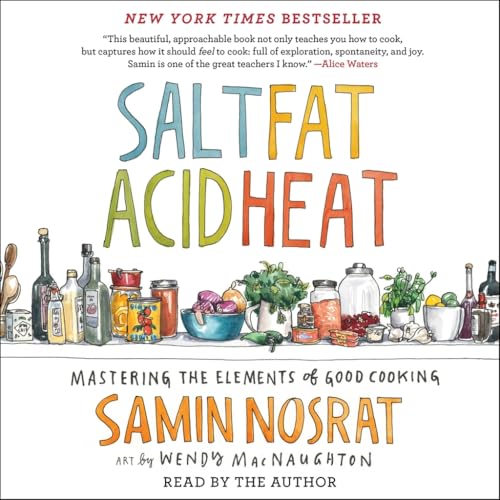
Samin Nosrat. Salt Fat Acid Heat -- Best for Building Cooking Confidence
Understanding the four principles in this book transforms cooking from an anxious performance into a confident, creative act. Couples who cook through Nosrat's framework stop feeling dependent on precise recipes and start improvising. which is where cooking together becomes genuinely fun. The gorgeous illustrated pages are perfect for reading together on the couch before attempting a new technique. This book changes how you think about food, and it does so in the most enjoyable way possible.
Yotam Ottolenghi. Plenty -- Best for Creative Vegetable Cooking
Plenty makes vegetables exciting in a way that genuinely converts reluctant vegetable eaters. The flavour combinations are bold and unexpected. pomegranate molasses, za'atar, preserved lemon. but the techniques are approachable for home cooks. For couples trying to eat more plant-based meals without feeling deprived, this book is revelatory. The photography is stunning, the recipes are reliably delicious, and working through the book together is a culinary education in itself. A staple of modern home cooking.

Tieghan Gerard. Half Baked Harvest Cookbook -- Best Comfort Food
Half Baked Harvest blends cosy American comfort food with global flavours and visual flair. The recipes. spiced lamb flatbreads, butter chicken pasta, brown butter blondies. are the kind of dishes you photograph before eating. Tieghan Gerard's writing is warm and personal, making the book feel like guidance from a talented friend. The flavour profiles lean bold and satisfying rather than austere, which makes cooking from it feel like a treat. Perfect for couples who want their home cooking to feel special on a regular weeknight.
Yotam Ottolenghi. Jerusalem -- Best for Date Nights
Jerusalem is the book to open on a Friday evening when you want cooking to feel like an occasion. The recipes are more involved than weeknight standards but deeply rewarding. whole roasted cauliflower, slow-cooked lamb, layered rice dishes. The cultural storytelling about Jerusalem's food scene makes for fascinating reading alongside the recipes. For couples who enjoy cooking together as a weekend ritual, a long Saturday afternoon working through a Jerusalem dinner is one of the most satisfying things a kitchen can offer.
What matters most
What to consider
Think about your cooking habits as a couple. If you mostly cook quickly on weeknights, prioritise books with 30 to 45 minute recipes scaled for two. If you enjoy cooking as a weekend project, look for books with more involved, special-occasion-worthy dishes. Consider recipe variety. a book that covers global cuisines will keep things interesting far longer than one focused on a single style. Finally, choose a book with clear writing and good photography; it should feel inviting enough that you both want to pick it up on a lazy Sunday morning and start planning dinner.
What to consider
Explore our list of [best cookbook for wedding gift](/articles/best-cookbook-for-wedding-gift) for more titles that work beautifully for couples, and browse [best cookbook healthy](/articles/best-cookbook-healthy) if you are looking to build nutritious habits together. Our [methodology](/methodology) details how we select every book we recommend.
Frequently asked
Books with clearly divided prep tasks, recipes scaled for two servings, and a range of difficulty levels work best for couples. You want something that facilitates teamwork. One partner can handle prep while the other manages the stove. Books with both quick weeknight meals and more involved weekend projects give you variety without needing a second cookbook.
Absolutely. Cooking together consistently saves significant money compared to dining out, tends to result in healthier meals, and research suggests shared cooking strengthens relationship bonds. A good cookbook removes the friction of deciding what to make and ensures the results are worth the effort. which is what makes cooking feel like a treat rather than a chore.
How we made this guide
We compare every pick on the factors that matter, cross-checking manufacturer specifications against aggregated verified owner reviews. We rank independently and never take payment for placement. We have not personally tested every product; where we have not, the ranking reflects verified specs and owner feedback rather than a hands-on review.
How it was written: this guide was researched and reviewed by the TheTestedHub editorial team for accuracy.
Affiliate disclosure: TheTestedHub is reader-supported. When you buy through links on our site, we may earn a commission at no extra cost to you.
You might also like
2026 Beverage Refrigerators: Compressor vs Thermoelectric

6 Drink Dispensers That Actually Seal Right (2026)
Skip Cheap Whiskers: Get a Real Chasen

Wondering Which Tea Infuser Is Best? Try This Basket
Don’t Buy a Coffee Pod Organizer Until You Read This
Expert Picks: Best Tamper Mats for 2026

Coffee Scales for Every Brew, Tested for Daily Use