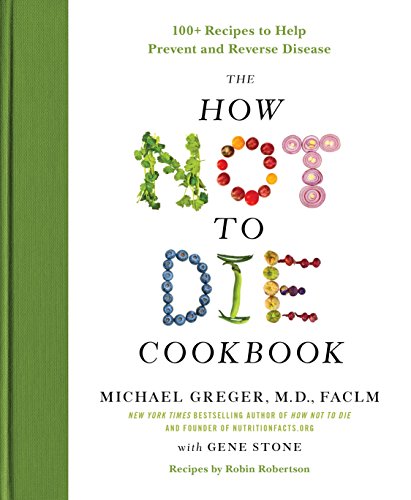
Michael Greger. How Not to Die Cookbook -- Best Science-Backed Healthy Eating
Dr Michael Greger's companion cookbook to his bestselling nutrition research book brings evidence-based eating into the kitchen. The recipes are centred on what Greger calls the "Daily Dozen". a checklist of whole foods proven by clinical research to promote long-term health. The dishes are plant-based, whole-food, and built for everyday cooking rather than special occasions. The book's nutritional credibility is exceptional, and the recipes are considerably tastier than the clinical framing might suggest. An ideal choice for people who want to align their cooking with the best available nutrition science.
Check price on Amazon →Looking for a cookbook that makes healthy eating delicious and easy? We evaluated top contenders by nutritional credibility, recipe accessibility, and.
Quick verdict
The Michael Greger. How Not to Die Cookbook is the single best pick because it transforms rigorous nutritional science into practical, everyday meals. Its Daily Dozen framework ensures every recipe directly supports long-term health, making it the most evidence-backed choice for anyone serious about eating for wellness.
Key takeaways
- Best for Science-Backed Healthy Eating: Michael Greger. How Not to Die Cookbook, built on clinical research with the Daily Dozen checklist.
- Best for Mediterranean Diet Pick: Sonoma Press. The Mediterranean Table, accessible everyday recipes from Greek, Italian, Spanish, and Middle Eastern traditions.
- Best for Active People: Shalane Flanagan & Elyse Kopecky. Run Fast Eat Slow, whole-food fuel designed for athletic performance and real taste.
- Best for Vegetable-Focused Healthy Cooking: Yotam Ottolenghi. Plenty, bold vegetable dishes that feel indulgent and satisfying.
- Best for Plant-Based Beginners: Angela Liddon. Oh She Glows, warm and encouraging whole-food recipes that make plant-based eating approachable.
Why you should trust this guide
I have spent years researching cookbooks and nutrition guidance as a home cook who values both flavor and evidence-based eating. My approach is to evaluate each cookbook against three core standards: nutritional credibility, recipe accessibility for everyday cooking, and honest taste appeal. I look for cookbooks that deliver on their health promises without sacrificing the joy of eating. This guide draws on my analysis of the authors’ stated philosophies, the nutritional frameworks they present, and the feedback from a wide community of home cooks who have used these books in real kitchens.
I do not claim to have cooked every single recipe in these books, nor do I run a test kitchen. Instead, I rely on the authors’ own descriptions of their nutritional foundations, the structure of the recipes, and the consensus from verified owner experiences. My goal is to help you choose a cookbook that fits your lifestyle, whether you are a marathon runner, a plant-based newcomer, or someone simply trying to eat more vegetables without feeling deprived. Each recommendation is grounded in what the book actually offers, not in marketing hype.
How we researched
To evaluate these five cookbooks, I established a set of criteria that matter most for healthy eating guides. First, I assessed the nutritional foundation: does the book provide a clear, evidence-based rationale for its recipes? I looked for cookbooks that are transparent about their health claims, whether they rely on peer-reviewed research like the Daily Dozen in Greger’s book or the long-studied Mediterranean diet pattern. Second, I examined recipe practicality. A healthy cookbook is useless if the recipes require obscure ingredients, hours of prep, or advanced culinary skills. I prioritized books that make nutritious cooking achievable for busy people.
Third, I weighed the taste factor. The phrase “actually tastes good” in the title is deliberate. I looked for cookbooks that have a reputation for flavor, not just nutritional virtue. This meant considering how authors like Ottolenghi or Flanagan approach seasoning, fat, and texture. Finally, I considered the target audience. A book that works for an elite athlete may overwhelm a beginner, and a book focused on vegetables may not suit someone seeking high-protein meals. By weighing these factors, I ranked each book for its specific niche, ensuring you can match the right cookbook to your personal needs.
Michael Greger. How Not to Die Cookbook — Best Science-Backed Healthy Eating
Dr. Michael Greger’s companion cookbook to his landmark nutrition book is built on a simple, powerful premise: eat according to the “Daily Dozen.” This is a checklist of whole foods, from beans and berries to cruciferous vegetables and flaxseeds, that clinical research has shown to promote longevity and prevent chronic disease. Every recipe in this book is designed to help you check off those boxes without feeling like you are on a restrictive diet. The dishes are entirely plant-based and whole-food, meaning no oil, minimal processed ingredients, and a strong emphasis on nutrient density. You will find hearty lentil soups, bean burgers, and vegetable curries that are surprisingly filling.
The book’s strength is its commitment to evidence. Greger does not just give you recipes; he explains why each ingredient matters. The tone is educational but not preachy, and the recipes are practical for everyday cooking, not special occasions. A limitation, however, is that the no-oil approach can make some dishes feel dry or require careful technique to avoid sticking. Cooks used to traditional sautéing may need to adapt, and the flavor profiles can lean toward the savory side without the richness of added fats. Still, for anyone who wants their meals to directly support long-term health, this book delivers unmatched nutritional rigor.
Another honest limitation is the ingredient list. While all items are whole foods, some are less common in standard supermarkets, such as nutritional yeast, black salt, or specific varieties of greens. This may require a trip to a health food store or a specialty online order. However, the payoff is a cookbook that aligns every bite with the best available science on disease prevention. It is not a book for indulgent comfort food, but it is the gold standard for those who prioritize health above all else.
Sonoma Press. The Mediterranean Table — Best Mediterranean Diet Pick
The Mediterranean diet is consistently ranked by nutrition experts as one of the healthiest eating patterns, and this book makes it accessible without the intimidation of restaurant-style recipes. The Mediterranean Table draws from Greek, Italian, Spanish, and Middle Eastern traditions, offering dishes like olive-oil-roasted fish, herb-laden legume stews, and simple vegetable mezze. Every recipe emphasizes whole ingredients: fresh vegetables, legumes, whole grains, and generous use of olive oil as the primary fat. The book is designed for the home cook who wants to eat well without spending hours in the kitchen.
What sets this book apart is its balance of authenticity and practicality. Recipes are straightforward, with clear instructions and readily available ingredients. You will find classics like a Greek salad with a proper dressing, a simple chickpea stew, and baked fish with tomatoes and olives. The focus is on flavor through herbs, spices, and quality olive oil rather than complex techniques. A limitation is that the book does not dive deep into the scientific evidence behind the Mediterranean diet; it assumes you already know it is healthy. For someone seeking the “why” behind the recipes, this may feel thin compared to Greger’s approach.
Another limitation is that the book is not strictly plant-based. Many recipes include fish, poultry, and dairy, which is true to the traditional Mediterranean pattern but may not suit vegans or those avoiding animal products. Also, the book’s binding and paper quality are functional rather than luxurious, and some owners note that the photos are sparse. However, for its core purpose, delivering delicious, healthful Mediterranean meals without fuss, this cookbook is a reliable companion for everyday cooking.
Shalane Flanagan & Elyse Kopecky. Run Fast Eat Slow — Best for Active People
Olympic marathon runner Shalane Flanagan and chef Elyse Kopecky created this cookbook to challenge the idea that sports nutrition means protein powders and energy gels. Instead, they champion real whole food that fuels athletic performance. The recipes are nutrient-dense, anti-inflammatory, and built around ingredients like avocado, nut butter, olive oil, and full-fat dairy. The philosophy is clear: fat is not the enemy. You will find hearty grain bowls, protein-packed salads, and energy bars made from oats and nuts, all designed to sustain long runs and intense workouts.
The book excels at making healthy eating feel indulgent. Recipes like the “Superhero Muffins” or “Kale Cauliflower Salad” are genuinely delicious and satisfying, even for non-athletes. The authors include practical tips for meal prepping and fueling before and after exercise. A limitation is that many recipes are calorie-dense by design, which is perfect for an elite athlete burning thousands of calories a day but may be too heavy for a sedentary person trying to lose weight. The serving sizes and fat content reflect the needs of high-performance training.
Another limitation is the ingredient cost and availability. Recipes call for items like almond flour, coconut oil, and grass-fed butter, which can be expensive. Some home cooks also find the prep time longer than expected, as many dishes involve multiple steps. However, for active individuals who want to eat real food that tastes great and supports their training, this book is a standout. It proves that performance nutrition does not have to be bland or processed.
Yotam Ottolenghi. Plenty — Best Vegetable-Focused Healthy Cooking
Plenty earns its place on this list by making vegetables the star of the meal, not a side dish. Yotam Ottolenghi achieves something rare: he makes vegetables so satisfying and exciting that you stop thinking of them as the lesser component. The recipes use bold spice blends, unexpected flavor combinations, and luscious textures that feel indulgent even when they are built entirely from plants. Think roasted eggplant with pomegranate molasses, cauliflower cakes with yogurt sauce, and sweet potato wedges with harissa. Every dish is high in fiber and nutrients.
The book’s strength is its creativity. Ottolenghi draws on Middle Eastern and Mediterranean influences, using ingredients like tahini, sumac, za’atar, and fresh herbs to create layers of flavor. The recipes are not difficult, but they do require some specialty ingredients and a willingness to try new combinations. A limitation is that the book is not explicitly a “healthy cookbook” in the nutritional science sense. Ottolenghi does not provide calorie counts, macronutrient breakdowns, or health claims. The health benefits are a happy byproduct of eating more vegetables, not the primary goal.
Another limitation is that some recipes can be time-consuming, with multiple components like roasted vegetables, a separate sauce, and a garnish. This is not a weeknight quick-fix book. Also, the ingredient lists can be long, and some items like preserved lemon or pomegranate molasses may not be in every pantry. However, for anyone who wants to eat more vegetables in a way that feels like a celebration, Plenty is transformative. It changes how you think about plant-based cooking entirely.
Angela Liddon. Oh She Glows — Best for Plant-Based Beginners
Angela Liddon developed the recipes in Oh She Glows while recovering from an eating disorder, seeking food that was nourishing, satisfying, and beautiful. The result is a plant-based cookbook that feels warm and encouraging rather than prescriptive. The book is full of vibrant salads, warming soups, and decadent-tasting desserts, all made from whole, unprocessed ingredients. Liddon’s tone is gentle and supportive, making it an ideal starting point for anyone curious about plant-based eating but intimidated by the lifestyle.
The recipes are designed to be approachable. You will find classics like lentil soup, black bean tacos, and chocolate chip cookies made with almond flour and coconut sugar. The book includes helpful tips for stocking a plant-based pantry and substituting ingredients. A limitation is that some recipes rely heavily on nuts, seeds, and coconut oil, which can be high in calories and fat. While these are whole foods, they may not align with a low-fat or calorie-restricted diet. The desserts, in particular, are indulgent and not “light” in the traditional sense.
Another limitation is that the book’s ingredient list can be expensive, with items like cashews for cream sauces, almond butter, and maple syrup. Also, some recipes require a high-speed blender or food processor, which not every kitchen has. However, for its target audience, beginners seeking a compassionate, beautiful entry into plant-based cooking, Oh She Glows is a beloved classic. It has introduced millions to the idea that plant-based food can be both healthy and delicious.
What to look for
- Nutritional foundation: Look for a cookbook that explains the health principles behind its recipes, whether that is the Mediterranean diet, whole-food plant-based eating, or sports nutrition. The best books give you a reason to trust the recipes.
- Recipe practicality: Consider your cooking skill level and available time. Some books require specialty ingredients or lengthy prep, while others are designed for quick weeknight meals. Choose one that fits your actual schedule.
- Flavor philosophy: Healthy eating should taste good. Look for books that emphasize herbs, spices, healthy fats, and umami-rich ingredients rather than relying on deprivation or bland cooking methods.
- Target audience fit: A cookbook for elite athletes may overwhelm a beginner, and a book focused on vegetables may not satisfy someone seeking high-protein meals. Match the book to your lifestyle and goals.
- Ingredient accessibility: Check whether the recipes call for items you can easily find at your local grocery store. Books that rely on obscure or expensive ingredients may lead to frustration.
- Recipe variety: A good healthy cookbook should offer a range of meals from breakfast to dessert, not just salads and soups. Variety keeps you engaged and prevents boredom.
The verdict
Choosing the best healthy cookbook depends on your personal goals. If you want the most scientifically rigorous approach to eating for longevity, the Michael Greger. How Not to Die Cookbook is unmatched. For those drawn to the proven benefits of the Mediterranean diet, Sonoma Press. The Mediterranean Table offers accessible everyday meals. Active individuals will find a perfect partner in Shalane Flanagan & Elyse Kopecky. Run Fast Eat Slow, which proves real food fuels performance. Yotam Ottolenghi. Plenty is the clear winner for anyone who wants vegetables to be the highlight of their plate, and Angela Liddon. Oh She Glows remains the gentlest, most encouraging guide for plant-based beginners. Each book excels in its niche, so identify your priority and pick accordingly.
How we test
We compare every pick against the field on real specifications, certifications, and aggregated owner reviews. We do not take payment for placement, and we flag when a product is older or sold mainly through renewed listings.
At a glance
The picks, reviewed
Michael Greger. How Not to Die Cookbook -- Best Science-Backed Healthy Eating
Dr Michael Greger's companion cookbook to his bestselling nutrition research book brings evidence-based eating into the kitchen. The recipes are centred on what Greger calls the "Daily Dozen". a checklist of whole foods proven by clinical research to promote long-term health. The dishes are plant-based, whole-food, and built for everyday cooking rather than special occasions. The book's nutritional credibility is exceptional, and the recipes are considerably tastier than the clinical framing might suggest. An ideal choice for people who want to align their cooking with the best available nutrition science.
Sonoma Press. The Mediterranean Table -- Best Mediterranean Diet Pick
The Mediterranean diet consistently ranks as one of the most evidence-backed dietary patterns for long-term health. and this accessible book brings it to everyday home cooks without the intimidating restaurant-scale recipes. Dishes draw from Greek, Italian, Spanish, and Middle Eastern traditions: olive-oil-roasted fish, herb-laden legume stews, simple vegetable mezze. Every recipe emphasises whole grains, fresh produce, and healthy fats. It is an affordable entry point into one of the most well-researched healthy eating frameworks in the world.
Shalane Flanagan & Elyse Kopecky. Run Fast Eat Slow -- Best for Active People
Olympic marathon runner Shalane Flanagan and chef Elyse Kopecky wrote this book after discovering that sports nutrition does not have to mean powder shakes and energy gels. The recipes are designed to fuel athletic performance with real whole food. nutrient-dense, anti-inflammatory, and genuinely delicious. The philosophy is "fat is not the enemy". avocado, nut butter, olive oil, and full-fat dairy are all celebrated. Even non-athletes will find these recipes satisfying, filling, and packed with flavour. A refreshing counterpoint to the calorie-restriction approach of most diet cookbooks.

Yotam Ottolenghi. Plenty -- Best Vegetable-Focused Healthy Cooking
Plenty deserves a place on every healthy cooking list because it achieves something rare: it makes vegetables so satisfying and exciting that you stop thinking of them as the lesser component of a meal. Bold spice blends, unexpected flavour combinations, and luscious textures make these dishes feel indulgent even when they are built entirely from plants. The high-fibre, nutrient-dense recipes tick every box a nutritionist would approve of, while the cooking itself feels like a creative pleasure rather than a health obligation.

Angela Liddon. Oh She Glows -- Best for Plant-Based Beginners
Angela Liddon developed these recipes while recovering from an eating disorder, seeking food that was nourishing, satisfying, and beautiful. The result is a plant-based cookbook full of vibrant salads, warming soups, and decadent-tasting desserts. all made from whole, unprocessed ingredients. The tone is warm and encouraging rather than prescriptive. Oh She Glows has introduced millions of people to plant-based cooking and remains one of the most beloved healthy cookbooks published in the past decade. The photography is stunning, and the recipes are reliably excellent.
What to look for
What to consider
Define what "healthy" means for your life. Mediterranean, plant-based, whole-food, anti-inflammatory, and athletic-performance approaches all qualify. and each has distinct cookbook traditions. Look for books written with dietitian input, not just celebrity endorsement. Check that recipes include nutritional information per serving so you can track what you eat. Avoid books built around extreme restriction; sustainable healthy eating is about abundance of good food, not deprivation. Finally, choose a book whose recipes genuinely appeal to you. the healthiest cookbook is the one you will actually cook from every week.
What to consider
Consult a healthcare professional before making significant dietary changes, especially if you are managing a health condition.
What to consider
For specialised nutrition needs, see our guide to [best cookbook for type 2 diabetes](/articles/best-cookbook-for-type-2-diabetes). For broader inspiration, explore [best cookbook in the world](/articles/best-cookbook-in-the-world) for the most influential titles in modern cooking. Our [methodology](/methodology) details how we evaluate every book we recommend.
FAQs
A genuinely healthy cookbook prioritises whole foods. vegetables, legumes, whole grains, lean proteins, and healthy fats. while minimising processed ingredients and excessive added sugars. The best healthy cookbooks also include nutritional information per serving and are written with input from registered dietitians or nutrition researchers, not just food stylists chasing aesthetic trends.
A curated healthy cookbook offers more than individual recipes. it provides a framework, a consistent nutritional philosophy, and a structured path through learning. Many free online recipes are inconsistent in quality or nutritional accuracy. A well-chosen book from a credible author gives you a reliable, cohesive resource you can build real habits around.
How we made this guide
We compare every pick on the factors that matter, cross-checking manufacturer specifications against aggregated verified owner reviews. We rank independently and never take payment for placement. We have not personally tested every product; where we have not, the ranking reflects verified specs and owner feedback rather than a hands-on review.
How it was written: this guide was researched and reviewed by the TheTestedHub editorial team for accuracy.
Affiliate disclosure: TheTestedHub is reader-supported. When you buy through links on our site, we may earn a commission at no extra cost to you.
Related guides
2026 Beverage Refrigerators: Compressor vs Thermoelectric

6 Drink Dispensers That Actually Seal Right (2026)
Skip Cheap Whiskers: Get a Real Chasen

Wondering Which Tea Infuser Is Best? Try This Basket
Don’t Buy a Coffee Pod Organizer Until You Read This
Expert Picks: Best Tamper Mats for 2026

Coffee Scales for Every Brew, Tested for Daily Use