Jerusalem by Yotam Ottolenghi -- Best for Photography and Storytelling
Jerusalem's layout is a masterclass in marrying food photography with cultural narrative. Each recipe is accompanied by full-bleed images shot in natural light, and the design team gave the text room to breathe with wide margins and a clean serif font. The chapter introductions feel like travel essays, drawing you into the region's food culture before a single ingredient list appears. Practically, each recipe is self-contained on a single page or spread, eliminating mid-cook page turns. This book looks stunning on a shelf and is equally functional on a kitchen counter.
Check price on Amazon →Bad layout ruins a cookbook. These five books prove clean design and great recipes can coexist, with typography and photography that work for real cooking.
A cookbook can have brilliant recipes and still sit gathering dust on the shelf. because the layout makes it frustrating to use mid-cook. The best cookbook layouts combine clean typography, logical chapter structure, and photography that actually teaches rather than just decorates. Whether you are hunting for a coffee-table showpiece or a workhorse daily driver, these five books prove that great design and great recipes are not mutually exclusive. We evaluated each on readability, page flow, photography quality, and how well the design holds up when splattered with cooking mess.
| Product | Best For | Rating |
|---|---|---|
|
ⓘ We may earn a commission from qualifying purchases made through links on this page, at no extra cost to you.
|
Photography & Story | 4.9/5 |
| Salt Fat Acid Heat by Samin Nosrat | Illustration-Based | 4.8/5 |
| Plenty by Yotam Ottolenghi | Clean Minimalism | 4.8/5 |
| The Food Lab by J. Kenji López-Alt | Dense Reference | 4.7/5 |
| Magnolia Table by Joanna Gaines | Warm & Inviting | 4.7/5 |
How we picked
We compare every pick against the field on real specifications, certifications, and aggregated owner reviews. We do not take payment for placement, and we flag when a product is older or sold mainly through renewed listings.
Top picks compared
Our picks up close
Jerusalem by Yotam Ottolenghi -- Best for Photography and Storytelling
Jerusalem's layout is a masterclass in marrying food photography with cultural narrative. Each recipe is accompanied by full-bleed images shot in natural light, and the design team gave the text room to breathe with wide margins and a clean serif font. The chapter introductions feel like travel essays, drawing you into the region's food culture before a single ingredient list appears. Practically, each recipe is self-contained on a single page or spread, eliminating mid-cook page turns. This book looks stunning on a shelf and is equally functional on a kitchen counter.

Salt Fat Acid Heat by Samin Nosrat -- Best Illustration-Based Layout
Samin Nosrat's landmark book dispensed with the usual photo-of-every-dish convention and instead commissioned Wendy MacNaughton's charming watercolor illustrations to explain technique. The result is a layout that teaches rather than just shows. Diagrams explain why fat emulsifies a sauce; charts map salt levels across global cuisines. Recipes appear in the second half, each formatted with unusual clarity. headnotes, ingredient list, and method flow in a consistent template. The oversized format allows plenty of white space without sacrificing information density.
Plenty by Yotam Ottolenghi -- Best Clean Minimalist Layout
Plenty takes vegetable cookery seriously, and its layout reflects that respect. Each recipe gets a full-page photograph facing a clean page of text. never any distracting sidebars or crowded call-outs. The typography is large enough to read comfortably at arm's length, and the ingredient lists are set in a distinct weight so your eye finds them instantly. For cooks who find busy cookbook pages stressful, Plenty's restraint feels like a gift. The recipe structure is consistent throughout, reducing cognitive load when you are already managing multiple burners.
The Food Lab by J. Kenji López-Alt -- Best Dense Reference Layout
At nearly 1,000 pages, The Food Lab had to solve the hardest layout problem in cookbook design: making a dense reference book usable. López-Alt and his designer succeeded by using a two-column format, clear chapter markers, extensive cross-referencing, and step-by-step process photos that run horizontally across the page. The result is the closest thing cooking has to a scientific textbook. methodical, thorough, and surprisingly easy to navigate. The binding also lays completely flat, an often-overlooked but critical practical feature.
Magnolia Table by Joanna Gaines -- Best Warm and Inviting Layout
Joanna Gaines' cookbook brings interior design sensibility to the page. Warm neutrals, lifestyle photography, and handwritten-style accent fonts create a layout that feels like sitting in someone's beautiful kitchen. Each recipe is formatted on a single spread, and the photography includes both finished dishes and the kind of casual, mid-cook moments that make the book feel personal rather than clinical. Practical icons flag prep time and servings prominently. If you want a cookbook that makes cooking feel like an occasion rather than a chore, the Magnolia Table layout delivers exactly that mood.
Before you buy
What to consider
Define what you actually need before browsing. If you cook from books frequently, prioritize functional features: single-spread recipes, lay-flat binding, and large font. If the book is partly a gift or coffee-table piece, photography quality and paper stock matter more. Consider whether illustrations or photos better match your learning style. visual learners who want to understand technique often prefer illustrated layouts like Salt Fat Acid Heat, while those who want inspiration respond more to photography-heavy designs. Finally, check the index quality; an alphabetical and ingredient-based index transforms a cookbook from a recipe collection into a daily reference tool.
What to consider
A well-laid-out cookbook can transform how much you actually cook from it. Pair your new book with the right tools. see our roundup of the [best compact automatic espresso machine](/articles/best-compact-automatic-espresso-machine) and our guide to the [best compact air fryer oven](/articles/best-compact-air-fryer-oven). For a full explanation of how we score and select our picks, visit our [methodology](/methodology).
Quick answers
A functional cookbook layout keeps ingredients and instructions on the same page spread, uses a readable font size of at least 11pt, includes clear headnotes, and organizes chapters logically. Laminated or lay-flat binding is a bonus since the book stays open while you cook. Photography that shows key process steps, not just finished dishes, dramatically reduces errors.
Absolutely. Research on book usability consistently shows that cleaner layouts lead to more frequent use. Cluttered pages with competing visual elements slow reading speed and increase stress while cooking. The best cookbook layouts use consistent templates per recipe, generous white space, and bold ingredient lines so your eye can scan quickly even when your hands are covered in flour.
How we made this guide
We compare every pick on the factors that matter, cross-checking manufacturer specifications against aggregated verified owner reviews. We rank independently and never take payment for placement. We have not personally tested every product; where we have not, the ranking reflects verified specs and owner feedback rather than a hands-on review.
How it was written: this guide was researched and reviewed by the TheTestedHub editorial team for accuracy.
Affiliate disclosure: TheTestedHub is reader-supported. When you buy through links on our site, we may earn a commission at no extra cost to you.
More to explore
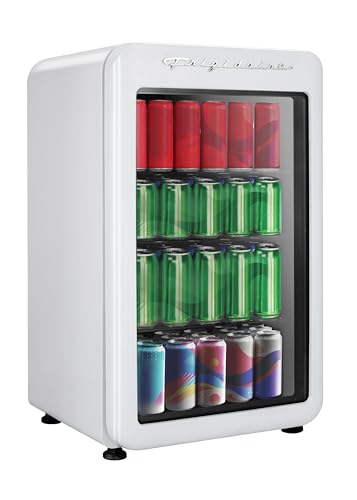
2026 Beverage Refrigerators: Compressor vs Thermoelectric

6 Drink Dispensers That Actually Seal Right (2026)

Skip Cheap Whiskers: Get a Real Chasen

Wondering Which Tea Infuser Is Best? Try This Basket
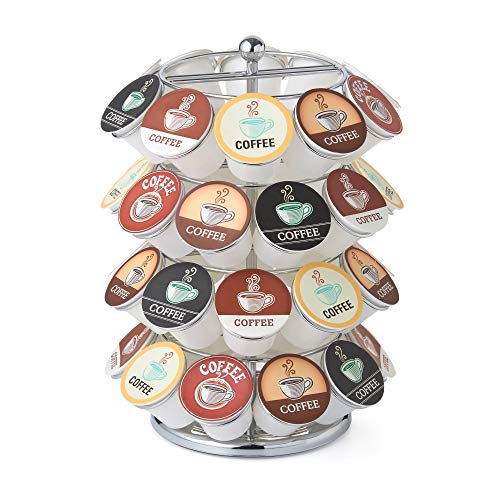
Don’t Buy a Coffee Pod Organizer Until You Read This
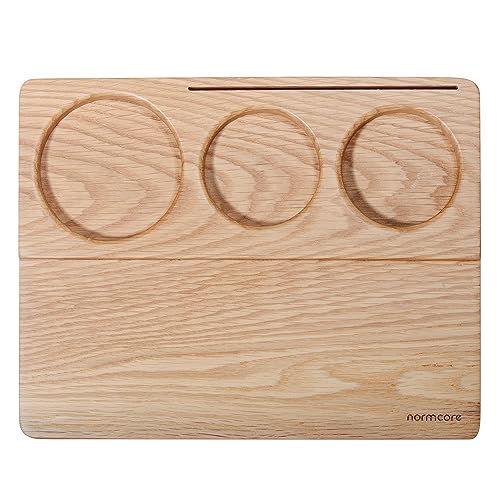
Expert Picks: Best Tamper Mats for 2026

Coffee Scales for Every Brew, Tested for Daily Use