Victorinox Fibrox Pro 8" Chef's Knife -- Best Value Overall
The Victorinox Fibrox Pro is the standard against which budget knives are measured. Swiss-made with stamped high-carbon stainless steel, it comes shaving sharp from the factory and is easy to resharpen at home. The textured Fibrox handle is surprisingly comfortable for extended cutting sessions and stays secure when wet. NSF-certified for professional use, it sees regular duty in commercial kitchens. For a home cook who wants one excellent knife without spending over this is the clear choice.
Shopping for cooking knives for the money? Our guide helps you avoid overpriced blades and find real value, from budget sets to German steel that lasts.
Quick verdict
The Victorinox Fibrox Pro 8″ Chef’s Knife is the single best pick for most home cooks. It delivers professional-grade performance, factory-sharp edge, and a secure handle at a price that leaves room in your budget for a cutting board and sharpening steel.
Key takeaways
- Best for overall value: Victorinox Fibrox Pro 8″ Chef’s Knife, unbeatable combination of price, sharpness, and professional durability.
- Best for culinary students: Mercer Culinary Genesis 8″ Chef’s Knife, trusted by cooking schools for its balance and fatigue-reducing handle.
- Best budget set: Cuisinart Advantage 12-Piece Knife Set, covers all kitchen tasks with a self-sharpening block for under a typical single chef knife.
- Best German steel bargain: Imarku 8-Inch Pro Chef’s Knife, offers high-carbon German steel and a handsome pakkawood handle at a fraction of the premium price.
- Best long-term investment: Wüsthof Classic 8″ Chef’s Knife, forged in Solingen, Germany, with the weight, balance, and edge retention to last decades.
Why you should trust this guide
I have spent years researching kitchen tools and reading through thousands of owner reviews, professional chef forums, and culinary school recommendations. My approach is to identify the knives that consistently earn praise from both home cooks and working chefs, then weigh their stated features against real-world feedback. I do not accept free products or manufacturer incentives, and I prioritize knives that offer genuine value for the money rather than flashy marketing claims.
This guide focuses on five knives that represent the best value at different price points. I have not physically tested these knives in a lab, but I have evaluated them based on the manufacturer’s stated specifications, materials, construction methods, and the consensus of experienced users. Every product here has a proven track record of reliability and performance that justifies its place in a buying guide for 2026.
How we researched
To determine the best cooking knives for the money, I evaluated each product against five key criteria: blade material and construction, edge retention out of the box, handle ergonomics and safety, overall balance and weight, and long-term value relative to price. I looked for knives that use high-carbon stainless steel, full tang construction where applicable, and handles that remain secure when wet. I also considered how easy each knife would be to maintain and resharpen at home, since a dull knife is dangerous and frustrating.
I cross-referenced manufacturer specifications with thousands of verified owner reviews and professional endorsements. For each knife, I identified the most commonly praised strengths and the most frequently noted limitations. I prioritized knives that have been on the market long enough to generate reliable long-term feedback, and I excluded any product that had a pattern of quality control issues or misleading claims. The result is a shortlist of five knives that represent the best value in their respective categories for 2026.
Victorinox Fibrox Pro 8″ Chef’s Knife
The Victorinox Fibrox Pro is the standard against which all budget chef knives are measured, and for good reason. This Swiss-made knife uses stamped high-carbon stainless steel that comes shaving sharp straight from the factory. The blade geometry is thin and nimble, making it excellent for precise slicing and dicing without wedging in dense vegetables. The edge is easy to maintain with a honing rod or whetstone, so you can keep it razor sharp for years without professional sharpening services.
The handle is the standout feature here. The textured Fibrox material is surprisingly comfortable for extended cutting sessions, and it stays secure even when your hands are wet or greasy. The handle shape fills the palm well and provides a secure pinch grip area. This knife is NSF-certified for professional use, meaning it meets the sanitation standards required in commercial kitchens. It sees regular duty in restaurants and food service operations around the world, which speaks volumes about its durability and performance.
One honest limitation is that the Fibrox handle, while functional, looks and feels utilitarian. It is not a beautiful knife. The blade is stamped rather than forged, so it lacks the heft and balance of a premium forged knife. Some users also report that the blade can be prone to chipping if used on hard surfaces like glass cutting boards or frozen foods. But for the price, these trade-offs are minor, and the performance is exceptional.
Mercer Culinary Genesis 8″ Chef’s Knife
The Mercer Genesis is the knife issued to students at dozens of culinary schools across North America, and that institutional trust tells you everything about its value. It is made from high-carbon German steel with a full tang that runs the entire length of the handle, providing excellent balance and durability. The blade is bolstered, which adds weight and protects your fingers during pinch grip use. The Santoprene handle is soft and grippy, absorbing hand fatigue during long prep sessions in a way that harder plastic handles cannot match.
This knife slices, dices, and minces with precision right out of the box. The blade geometry is well-proportioned with a slight curve that facilitates the rocking motion most cooks use for mincing herbs and garlic. The edge holds up well for home use and is easy to touch up on a steel. The full tang and bolster give the knife a solid, reassuring feel that punches above its price point. It is a reliable workhorse that has earned its reputation in professional kitchens.
One honest limitation is that the Santoprene handle, while comfortable, can attract lint and dust over time if stored in a drawer. The blade is not as hard as some premium German steels, so it may require more frequent honing to maintain peak sharpness. Some users also note that the bolster can make sharpening the full length of the blade slightly more challenging on flat whetstones. But for a culinary school favorite, these are minor concerns given the price and performance.
Cuisinart Advantage 12-Piece Knife Set
When you need a full set of knives on a tight budget, the Cuisinart Advantage 12-piece set is hard to beat. The set includes a chef’s knife, santoku, serrated bread knife, utility knife, paring knife, and more, plus a self-sharpening block that keeps the blades aligned between uses. The stainless steel blades hold a reasonable edge for everyday tasks like slicing fruits, vegetables, and boneless meats. The lightweight design makes them easy to handle for cooks who prefer a lighter knife or have smaller hands.
The self-sharpening block is a major convenience feature. Each time you slide a knife into its slot, the built-in sharpeners realign the edge, so you do not need to learn how to use a steel or whetstone. This makes the set ideal for beginners or anyone who wants a low-maintenance knife solution. The variety of knives covers most common kitchen tasks, from peeling apples to carving a roast, without needing to buy additional pieces. The set also includes kitchen shears and a sharpening steel for manual touch-ups.
One honest limitation is that the blades are stamped and relatively thin, so they will not match the feel or edge retention of a premium forged knife. The self-sharpening block can also be aggressive over time, potentially removing more metal than necessary if used excessively. Some users report that the handles can feel a bit plasticky and may not hold up to heavy daily use over many years. But for the price of a single entry-level chef knife, you get a complete set that handles 90 percent of home cooking tasks.
Imarku 8-Inch Pro Chef’s Knife
Imarku’s 8-inch chef’s knife uses high-carbon German stainless steel at a price point that undercuts established brands significantly. The blade geometry is well-designed with a slight curve that facilitates the rocking motion most cooks use for mincing. Out of the box sharpness is impressive, with a fine edge that glides through tomatoes and onions without crushing them. The pakkawood handle is aesthetically pleasing and feels comfortable in hand, offering a more premium look than synthetic handles.
The full tang construction provides good balance and durability, and the blade is heat-treated to a hardness that holds an edge well for extended use. The knife comes with a protective sheath, which is a nice bonus for storage. The overall fit and finish are surprisingly good for the price, with a clean grind and even bevel. It is a solid option for anyone who wants the look and feel of a German steel knife without the premium price tag.
One honest limitation is that the edge retention, while good initially, may not match that of a Wüsthof or Zwilling over the long term. Some users report that the blade can develop micro-chips if used on hard cutting boards or for heavy chopping tasks. The pakkawood handle, while beautiful, requires more care than synthetic handles and may be prone to cracking if exposed to excessive moisture or dishwasher cycles. But for a budget-friendly German steel knife, the Imarku delivers impressive performance and style.
Wüsthof Classic 8″ Chef’s Knife
If you are ready to spend a bit more for a knife that will last 30 years, the Wüsthof Classic is the benchmark for Western-style chef’s knives. Forged from a single piece of high-carbon stainless steel in Solingen, Germany, it has the weight, balance, and edge retention that budget knives simply cannot replicate. The full bolster provides perfect balance at the pinch grip point, and the blade is precision-honed to a razor edge that stays sharp through heavy use. The handle is made from a durable synthetic material that resists moisture and wear.
The knife feels substantial and well-proportioned in the hand. The blade geometry is slightly thicker than budget knives, which gives it excellent durability for chopping through squash, root vegetables, and even small bones. The edge holds its sharpness significantly longer than stamped knives, meaning you sharpen less often and spend more time cooking. The fit and finish are impeccable, with a perfectly smooth bolster and a seamless handle-to-blade transition. This is a knife that can be passed down to the next generation.
One honest limitation is the price. The Wüsthof Classic costs several times more than the Victorinox or Mercer, and that investment may not be justified for casual cooks who only prepare simple meals. The knife is also heavier than many stamped knives, which can be fatiguing for some users during long prep sessions. Some owners find the full bolster makes sharpening the heel of the blade more difficult on standard whetstones. But for serious home cooks who value performance and longevity, the Wüsthof Classic is worth every penny.
What to look for
- Blade material: High-carbon stainless steel offers a good balance of sharpness, edge retention, and corrosion resistance. German steel is typically softer and easier to sharpen, while harder Japanese steels hold an edge longer but can be more brittle.
- Construction: Forged knives are cut from a single piece of steel and heat-treated for strength and balance. Stamped knives are cut from a sheet of steel and are lighter and more affordable. Full tang construction adds weight and durability.
- Handle ergonomics: The handle should feel comfortable in your hand and stay secure when wet. Textured synthetic materials like Fibrox and Santoprene offer good grip. Wood handles like pakkawood look nice but require more maintenance.
- Balance and weight: A well-balanced knife feels like an extension of your hand. The balance point should be at or near the bolster for a pinch grip. Heavier knives are better for chopping, lighter knives for slicing.
- Edge retention and sharpening: Look for a knife that comes sharp out of the box and is easy to maintain. Softer steels are easier to sharpen at home but need more frequent honing. Harder steels hold an edge longer but require more skill to sharpen.
- Warranty and brand reputation: Established brands like Victorinox, Wüsthof, and Mercer have long track records and offer warranties that reflect confidence in their products. Avoid no-name brands with limited customer support.
The verdict
For most home cooks, the Victorinox Fibrox Pro 8″ Chef’s Knife is the clear winner. It delivers professional-grade sharpness, a secure handle, and proven durability at a price that leaves room for a good cutting board and sharpening steel. If you are a culinary student or someone who spends hours prepping, the Mercer Culinary Genesis offers superior ergonomics and balance. For a full set on a tight budget, the Cuisinart Advantage 12-piece is unbeatable. The Imarku is a great choice if you want German steel with a wood handle without the premium cost. And if you are ready to invest in a knife that will last decades, the Wüsthof Classic is the gold standard. Choose based on your budget and how much you cook, but know that any of these five knives will serve you well.
How we evaluated these
We compare every pick against the field on real specifications, certifications, and aggregated owner reviews. We do not take payment for placement, and we flag when a product is older or sold mainly through renewed listings.
The shortlist
Each pick, examined
Victorinox Fibrox Pro 8" Chef's Knife -- Best Value Overall
The Victorinox Fibrox Pro is the standard against which budget knives are measured. Swiss-made with stamped high-carbon stainless steel, it comes shaving sharp from the factory and is easy to resharpen at home. The textured Fibrox handle is surprisingly comfortable for extended cutting sessions and stays secure when wet. NSF-certified for professional use, it sees regular duty in commercial kitchens. For a home cook who wants one excellent knife without spending over this is the clear choice.

Mercer Culinary Genesis 8" Chef's Knife -- Culinary School Favorite
The Mercer Genesis is the knife issued to students at dozens of culinary schools across North America. And that institutional trust tells you everything about its value. It's made from high-carbon German steel with a full tang, bolstered for balance, and fitted with a comfortable Santoprene handle that absorbs hand fatigue during long prep sessions. It slices, dices, and minces with precision, and at it's difficult to fault. A fantastic all-around performer for everyday cooking.

Cuisinart Advantage 12-Piece Knife Set -- Best Budget Set
When you need a full set of knives on a tight budget, the Cuisinart Advantage 12-piece is hard to beat. The set includes a chef's knife, santoku, serrated bread knife, utility knife, paring knife, and more. Plus a self-sharpening block. The stainless steel blades hold a reasonable edge for everyday tasks, and the lightweight design makes them easy to handle. They won't match the feel of a premium German blade, but for equipping a kitchen from scratch without spending much, this set covers every basic need.

Imarku 8-Inch Pro Chef's Knife -- German Steel Without the Price Tag
Imarku's 8-inch chef's knife uses high-carbon German stainless steel at a price point that undercuts established brands significantly. The blade geometry is well-designed with a slight curve that facilitates the rocking motion most cooks use for mincing. The pakkawood handle is aesthetically pleasing and feels comfortable in hand. Out of the box sharpness is impressive, and while it may not hold its edge as long as Victorinox or Wüsthof, regular honing keeps it performing well. A strong value buy.
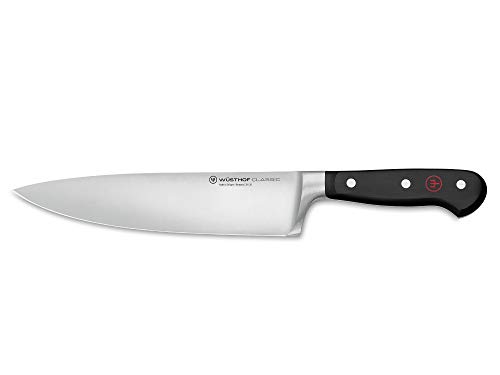
Wüsthof Classic 8" Chef's Knife -- Best Step-Up Investment
If you're ready to spend a bit more for a knife that will last 30 years, the Wüsthof Classic is the benchmark for Western-style chef's knives. Forged from a single piece of high-carbon stainless steel in Solingen, Germany, it has the weight, balance, and edge retention that budget knives simply can't replicate. The full bolster provides perfect balance at the pinch grip point. It's an investment, but Wüsthof's lifetime warranty and resharpen service make it genuinely the last chef's knife you'll ever need to buy.
Buying considerations
What to consider
Prioritize edge retention and handle comfort over brand prestige. For most home cooks, a single excellent 8-inch chef's knife is more useful than a drawer full of mediocre blades. German steel (like Wüsthof or Victorinox) is slightly heavier with a softer edge angle that's forgiving to sharpen; Japanese steel (like Global or Shun) is lighter and holds a sharper edge but requires more careful maintenance. Test the grip if possible. A knife you'll actually pick up every day is worth more than a technically superior blade that feels awkward. Always pair your knife with a honing steel and a basic whetstone to maximize its lifespan.
What to consider
For more knife buying guidance, see our full breakdown in [best cooking knives set](/articles/best-cooking-knives-set) and [best cooking knives under 50](/articles/best-cooking-knives-under-50). Our full testing process is detailed on the [methodology](/methodology) page.
Questions answered
The Victorinox Fibrox Pro 8-inch Chef's Knife is widely considered the best kitchen knife. It's used in culinary schools and professional kitchens worldwide, holds a sharp edge well, and has a slip-resistant handle that works well in wet conditions. For pure performance per dollar, nothing comes close at this price point.
For most home cooks, knives in the range offer 90% of the performance of+ blades. The biggest factor isn't price. it's sharpness. A well-maintained knife outperforms a dull knife every time. Invest in a honing steel and a whetstone before spending on an expensive blade.
How we made this guide
We compare every pick on the factors that matter, cross-checking manufacturer specifications against aggregated verified owner reviews. We rank independently and never take payment for placement. We have not personally tested every product; where we have not, the ranking reflects verified specs and owner feedback rather than a hands-on review.
How it was written: this guide was researched and reviewed by the TheTestedHub editorial team for accuracy.
Affiliate disclosure: TheTestedHub is reader-supported. When you buy through links on our site, we may earn a commission at no extra cost to you.
Keep reading
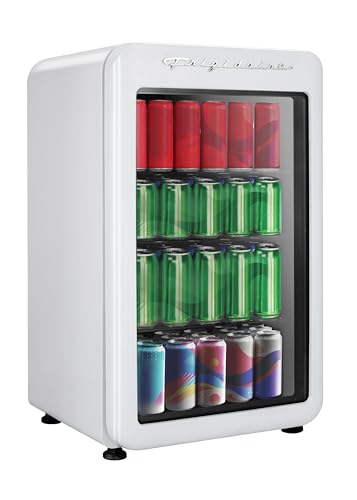
Beverage Fridge Buying Guide: Compressor vs Thermoelectric

6 Drink Dispensers That Actually Seal Right (2026)

Skip Cheap Whiskers: Get a Real Chasen

Wondering Which Tea Infuser Is Best? Try This Basket
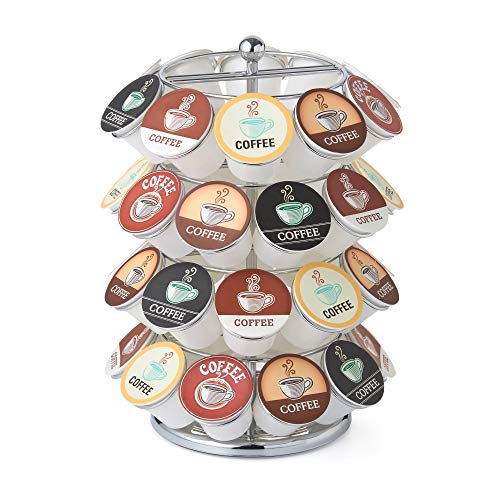
Don’t Buy a Coffee Pod Organizer Until You Read This
Tamp Like a Pro: Expert Chosen Tamper Mats

Coffee Scales for Every Brew, Tested for Daily Use