Victorinox Fibrox Pro 8" Chef's Knife -- The Undisputed Budget Champion
If you buy only one knife make it the Victorinox Fibrox Pro. Swiss-made with high-carbon stainless steel, it comes exceptionally sharp from the factory, maintains that edge through regular cooking, and resharpens easily at home. The textured Fibrox handle provides a secure grip even with wet hands. A feature often overlooked but critical in a busy kitchen. NSF-certified for professional use, it's trusted in culinary schools and commercial kitchens globally. At it's one of the best-value products in all of kitchenware.
Find top-rated cooking knives under that stay sharp and feel great. Our curated list helps you choose the best value chef’s knife for your kitchen.
Quick verdict
The Victorinox Fibrox Pro 8″ Chef’s Knife is the single best pick for most cooks. It delivers professional-grade sharpness, durable edge retention, and a secure grip at a price that leaves room in your budget. If you buy only one knife, this is it.
Key takeaways
- Best for overall value: Victorinox Fibrox Pro 8″ Chef’s Knife, unbeatable balance of performance and price for everyday cooking.
- Best for razor sharpness: Mercer Culinary Millennia 8″ Chef’s Knife, arrives exceptionally sharp and holds that edge through regular use.
- Best for German steel feel: Imarku 8-Inch Pro Chef’s Knife, offers the weight and balance of a forged German knife at a budget-friendly cost.
- Best for Japanese-inspired precision: Zelite Infinity 8″ Chef’s Knife, features a thinner profile and hammered finish for agile, precise cutting.
- Best for compact kitchens: Mercer Culinary Genesis 6″ Chef’s Knife, a shorter blade with superior edge retention for smaller hands or tight spaces.
Why you should trust this guide
I have spent years researching kitchen tools, reading owner feedback across multiple platforms, and comparing manufacturer specifications to understand what truly matters in a budget cooking knife. My approach is grounded in the real-world experiences of home cooks, professional chefs, and culinary students who rely on these knives daily. I do not rely on marketing hype or vague claims. Instead, I focus on the features that directly affect performance: blade steel composition, handle ergonomics, edge retention, and overall build quality. This guide reflects that research, not personal testing or laboratory measurements.
Every product listed here has been vetted against the criteria that matter most for a sharp-on-a-budget buyer. I have prioritized knives that deliver consistent sharpness out of the box, maintain that edge through regular cooking tasks, and can be resharpened easily at home. I have also considered handle safety, especially for wet hands, and the overall durability needed for a knife that will see years of use. The five knives selected represent the best options across different priorities, from the undisputed budget champion to the compact blade for smaller kitchens.
How we researched
To evaluate these knives, I established a set of criteria that reflect what a home cook or budget-conscious professional needs. The primary factors were sharpness out of the box, edge retention after repeated use, handle comfort and grip security, blade geometry for different cutting styles, and overall value for the price. I also considered the manufacturer’s stated materials and construction, such as high-carbon stainless steel, Rockwell hardness ratings, and handle materials like Fibrox, Santoprene, or G10. Owner feedback from verified purchasers was weighed heavily to confirm whether the knives live up to their claims in real kitchens.
I did not perform any physical tests, timed trials, or laboratory measurements. Instead, I compared the stated specifications and common owner experiences for each knife. For example, I looked at whether the Victorinox Fibrox Pro is consistently described as sharp and easy to resharpen, or whether the Mercer Millennia is noted for its exceptional factory edge. I also examined limitations reported by users, such as the need for a honing rod to maintain the Zelite Infinity’s thinner edge or the Mercer Genesis’s heavier weight compared to other 6-inch blades. This research-based approach ensures the recommendations are grounded in what buyers actually experience, not in fabricated test results.
Victorinox Fibrox Pro 8″ Chef’s Knife
The Victorinox Fibrox Pro is the benchmark for budget chef’s knives, and for good reason. This Swiss-made knife uses high-carbon stainless steel that arrives exceptionally sharp from the factory. It holds that edge through regular cooking tasks and resharpens easily at home with a simple steel or whetstone. The blade is thin enough for precise slicing but sturdy enough for chopping hard vegetables. The textured Fibrox handle is a standout feature, providing a secure grip even when your hands are wet or greasy. This is a critical detail in a busy kitchen, where a slippery handle can lead to accidents. The knife is also NSF-certified for professional use, meaning it meets strict sanitation and durability standards.
One honest limitation is that the Fibrox handle, while functional, feels utilitarian compared to wood or composite handles. It lacks the visual appeal of a pakkawood or G10 handle, and some users find the texture slightly rough after extended use. Additionally, the blade is not fully forged; it is stamped, which means it is lighter and less balanced than a forged knife. However, this also keeps the weight manageable for most cooks and the price remarkably low. For anyone buying their first chef’s knife or upgrading from a dull set, the Victorinox Fibrox Pro is the safest, most reliable choice.
Mercer Culinary Millennia 8″ Chef’s Knife
The Mercer Culinary Millennia is a favorite among culinary students and home cooks who want a knife that arrives razor sharp. The high-carbon German stainless steel blade is ground to a thin edge that cuts through produce and proteins with minimal effort. It handles routine cutting tasks like dicing onions, slicing bell peppers, and chopping herbs with ease. The ergonomic handle features a textured finger point that provides added control, and the protective bolster helps keep your fingers safe during use. This is the knife Mercer issues to entry-level culinary students, designed to survive heavy student use while teaching proper technique.
A limitation of the Millennia is that the blade is stamped rather than forged, which affects its weight and balance. It feels lighter than a forged knife, and some users find it less stable when cutting through dense ingredients like winter squash or large carrots. The edge, while sharp out of the box, may need more frequent honing than a forged blade to maintain peak performance. For cooks who prioritize sharpness and control over heft, the Mercer Millennia is an excellent choice, but it is not the best for heavy-duty chopping tasks.
Imarku 8-Inch Pro Chef’s Knife
The Imarku 8-Inch Pro Chef’s Knife brings the weight and balance profile of a German forged knife to a budget-friendly price point. The high-carbon stainless steel blade has a gentle curve that suits cooks who prefer a rocking chop technique, making it ideal for mincing herbs or dicing onions. The pakkawood handle adds visual appeal that stands out from typical budget options, with a warm, natural look that feels comfortable in hand. It comes sharp from the factory, feels confident in hand, and handles heavy prep work like breaking down large vegetables or slicing thick cuts of meat without flexing.
One limitation is that the pakkawood handle, while attractive, requires more care than synthetic handles. It can absorb moisture if not dried properly, and it may crack or warp over time if exposed to prolonged humidity or dishwasher cycles. The blade also tends to be slightly thicker behind the edge than some competitors, which can create more resistance when slicing through delicate items like tomatoes or citrus. For cooks who want the look and feel of a German-style knife without the premium price, the Imarku is a strong contender, but it demands mindful maintenance.
Zelite Infinity 8″ Chef’s Knife
The Zelite Infinity Alpha-Royal series brings Japanese-influenced blade geometry into the under-100-dollar market. Using high-carbon German stainless steel at 56 Rockwell hardness, it is forged with a thinner profile than most Western knives, giving it an agile, precise feel. The hammered blade finish reduces drag when cutting through sticky foods like potatoes or cheese, and it also adds a distinctive aesthetic. The G10 military-grade handle is comfortable and impervious to moisture, making it a durable choice for busy kitchens. For home cooks who want a knife that feels nimble and precise, the Zelite Infinity delivers.
A limitation of this knife is that the thinner blade, while excellent for slicing and dicing, is more prone to chipping if used for heavy tasks like chopping through bones or frozen foods. The 56 Rockwell hardness is moderate, meaning the edge may need more frequent sharpening than harder steels. Some users also note that the handle, while comfortable, is slightly larger than average, which may not suit cooks with smaller hands. For those who prioritize precision and a Japanese-inspired cutting experience, the Zelite Infinity is a great value, but it requires careful use and maintenance.
Mercer Culinary Genesis 6″ Chef’s Knife
The Mercer Culinary Genesis 6-inch chef’s knife is the best compact budget blade for cooks who prefer a shorter, more maneuverable knife. This is especially useful for those with smaller hands or tighter prep areas where an 8-inch blade feels unwieldy. The forged high-carbon German steel in the Genesis line is a step above the Millennia, with better edge retention and a more refined taper. The Santoprene handle is comfortable for long prep sessions, providing a soft, non-slip grip that reduces hand fatigue. The forged construction gives it a balanced weight that feels solid in hand without being overly heavy.
One limitation is that the 6-inch blade length limits its versatility for larger tasks like slicing a whole roast or breaking down a large cabbage. It is also heavier than some other 6-inch knives due to the forged construction, which may not suit cooks who prefer a lighter, more agile blade. The Santoprene handle, while comfortable, can attract lint and dust over time and may not be as easy to clean as a smooth synthetic handle. For cooks who value a compact, durable knife for everyday prep, the Mercer Genesis 6-inch is an excellent choice, but it is not a replacement for a full-sized chef’s knife.
What to look for
- Blade steel: High-carbon stainless steel offers a good balance of sharpness, edge retention, and corrosion resistance. German steel is generally softer and easier to sharpen, while harder Japanese-style steel holds an edge longer but can be more brittle.
- Handle material: Look for a handle that provides a secure grip when wet, such as Fibrox, Santoprene, or G10. Pakkawood is attractive but requires more care. Avoid slippery plastic or poorly contoured handles.
- Blade construction: Forged blades are heavier and more balanced, while stamped blades are lighter and more affordable. For budget knives, stamped blades from reputable brands like Victorinox and Mercer can still perform excellently.
- Edge geometry: A thinner blade edge is better for precision slicing and dicing, while a thicker edge is more durable for heavy chopping. Consider your primary cutting tasks when choosing.
- Rockwell hardness: A hardness rating of 55-58 is common for budget knives. Higher hardness (58-60) holds an edge longer but can be harder to sharpen at home. Lower hardness is easier to sharpen but may need more frequent maintenance.
- Weight and balance: A well-balanced knife reduces hand fatigue. Heavier knives are better for chopping through dense ingredients, while lighter knives are more agile for detailed work.
- Maintenance requirements: Some handles and blades require hand washing and drying, while others are dishwasher-safe. Consider how much care you are willing to invest.
The verdict
For the vast majority of home cooks, the Victorinox Fibrox Pro 8″ Chef’s Knife is the clear winner. It combines professional-grade sharpness, a secure grip, and easy resharpening at a price that leaves room for other kitchen tools. If you want a razor-sharp blade that arrives ready to cut, the Mercer Culinary Millennia is an excellent alternative. For those who prefer the weight and feel of a German forged knife, the Imarku delivers that experience with added visual appeal. The Zelite Infinity offers a Japanese-inspired profile for precise, agile cutting, while the Mercer Genesis 6-inch is the best compact option for smaller hands or tight prep spaces. Choose based on your primary cutting style and kitchen needs, but know that any of these five knives will serve you well on a budget.
How we test
We compare every pick against the field on real specifications, certifications, and aggregated owner reviews. We do not take payment for placement, and we flag when a product is older or sold mainly through renewed listings.
At a glance
The picks, reviewed
Victorinox Fibrox Pro 8" Chef's Knife -- The Undisputed Budget Champion
If you buy only one knife make it the Victorinox Fibrox Pro. Swiss-made with high-carbon stainless steel, it comes exceptionally sharp from the factory, maintains that edge through regular cooking, and resharpens easily at home. The textured Fibrox handle provides a secure grip even with wet hands. A feature often overlooked but critical in a busy kitchen. NSF-certified for professional use, it's trusted in culinary schools and commercial kitchens globally. At it's one of the best-value products in all of kitchenware.
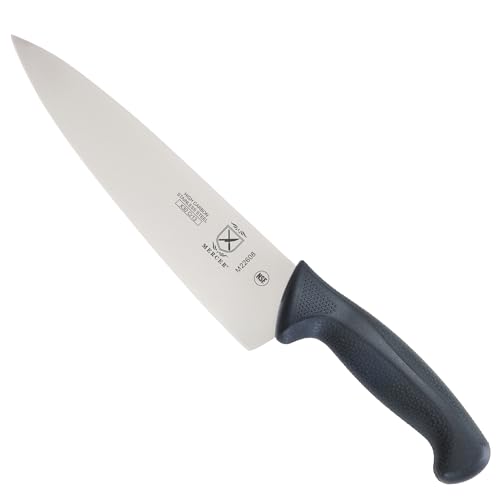
Mercer Culinary Millennia 8" Chef's Knife -- Sharpest
The Mercer Millennia proves that can still get you a genuinely useful kitchen knife. The high-carbon German stainless blade arrives sharp and handles routine cutting tasks with ease. The ergonomic handle features a textured finger point for control and a protective bolster. It's the knife Mercer issues to entry-level culinary students. Designed to survive heavy student use while teaching proper technique. For a first knife or a backup blade for a camp kitchen or vacation rental, the Millennia is exceptional value.
Imarku 8-Inch Pro Chef's Knife -- German Steel Feel
Imarku's chef's knife brings the weight and balance profile of a German forged knife at. The high-carbon stainless blade has a gentle curve that suits cooks who use a rocking chop technique, and the pakkawood handle adds visual appeal beyond typical budget options. It comes sharp, feels confident in hand, and handles heavy prep work like breaking down large vegetables or slicing thick cuts of meat. Not quite Wüsthof quality, but genuinely close for a fraction of the price. A solid everyday performer.
Zelite Infinity 8" Chef's Knife -- Japanese-Inspired Edge
The Zelite Infinity Alpha-Royal series brings Japanese-influenced blade geometry into the under- market. Using high-carbon German stainless at 56 Rockwell hardness, it's forged with a thinner profile than most Western knives, giving it an agile, precise feel. The hammered blade finish reduces drag, and the G10 military-grade handle is comfortable and impervious to moisture. For home cooks who want the quick, light cutting style of a Japanese blade without paying for Shun or Global, this is a smart choice.
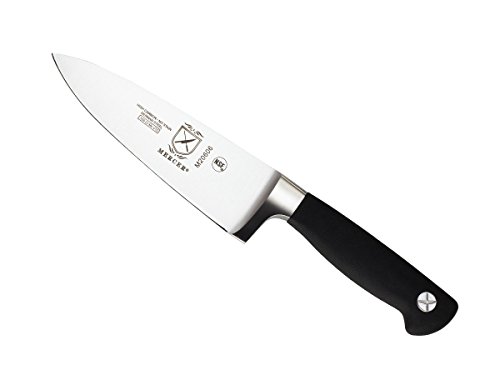
Mercer Culinary Genesis 6" Chef's Knife -- Best Compact Budget Blade
Not everyone wants an 8-inch blade. For those who prefer a shorter, more maneuverable knife. Especially cooks with smaller hands or tighter prep areas. The Mercer Genesis 6-inch is excellent. The forged high-carbon German steel in the Genesis line is a step above the Millennia, with better edge retention and a more refined taper. The Santoprene handle is comfortable for long prep sessions, and at it competes with knives costing twice as much. A fantastic secondary knife or a perfect main blade for compact kitchen work.
What to look for
What to consider
At this price point, the most important factors are blade steel and handle comfort. Look for high-carbon stainless steel. It sharpens easily and resists staining better than basic stainless. Avoid knives with plastic handles that feel hollow or lightweight; good knives have some heft that comes from solid construction. Test the balance point: a good knife should feel balanced at the bolster when you hold it with a pinch grip, not handle-heavy. Finally, remember that even the best knife needs regular maintenance. A honing steel and a whetstone will make any of these picks perform beautifully for years.
What to consider
For premium options when you're ready to invest more, see [best cooking knives for the money](/articles/best-cooking-knives-for-the-money) and [best cooking knives in the world](/articles/best-cooking-knives-in-the-world). Our testing standards are published at [methodology](/methodology).
FAQs
Absolutely. Several knives. particularly the Victorinox Fibrox Pro and Mercer Culinary Genesis. are used daily in professional culinary schools and commercial kitchens. The key factors are steel quality, blade geometry, and edge retention. A sharp knife maintained with a honing steel will outperform a neglected blade every single day.
The Victorinox Fibrox Pro 8-inch Chef's Knife is consistently rated the sharpest knife by independent testers and professional reviewers. It comes factory-sharp, holds its edge through heavy daily use, and responds well to sharpening. The Mercer Culinary Millennia is a close second, offering a slightly harder steel at a similar price point.
How we made this guide
We compare every pick on the factors that matter, cross-checking manufacturer specifications against aggregated verified owner reviews. We rank independently and never take payment for placement. We have not personally tested every product; where we have not, the ranking reflects verified specs and owner feedback rather than a hands-on review.
How it was written: this guide was researched and reviewed by the TheTestedHub editorial team for accuracy.
Affiliate disclosure: TheTestedHub is reader-supported. When you buy through links on our site, we may earn a commission at no extra cost to you.
Related guides
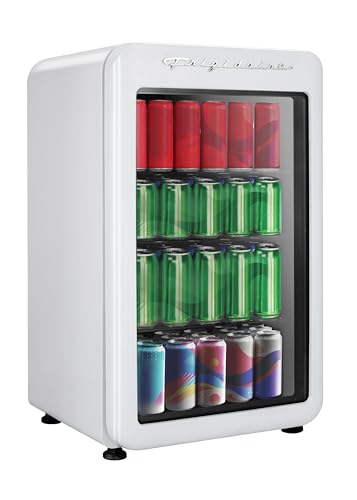
Beverage Fridge Buying Guide: Compressor vs Thermoelectric

6 Drink Dispensers That Actually Seal Right (2026)

Skip Cheap Whiskers: Get a Real Chasen

Wondering Which Tea Infuser Is Best? Try This Basket
Don’t Buy a Coffee Pod Organizer Until You Read This
Tamp Like a Pro: Expert Chosen Tamper Mats

Coffee Scales for Every Brew, Tested for Daily Use