Quick verdict
A gravity water filter is a straightforward, no-maintenance path to consistently better drinking water. The Berkey Big Berkey is the clear first choice for most households, with Propur as the alternative if fluoride removal without add-ons matters. Match capacity to your household size, factor in ongoing filter costs, and verify the contaminant reduction spec sheet covers your specific local water concerns. See our [
Berkey Big Berkey. Best Overall Countertop Gravity Water Filter
The Big Berkey is the standard against which all gravity filters are measured. Two Black Berkey purification elements reduce over 200 contaminants including bacteria, viruses, heavy metals, chlorine, pesticides, and pharmaceuticals to non-detectable levels. The 2.25-gallon stainless steel upper chamber feeds a 2.25-gallon lower chamber with a durable spigot. Filter life is rated at 3,000 gallons per element pair, giving most households three or more years before replacement. The polished stainless steel construction is genuinely attractive and built to last decades. Optional PF-2 fluoride reduction elements attach below the Black Berkey elements for fluoride-conscious households.
Check price on Amazon →See why the Berkey Big Berkey tops our countertop gravity water filter guide. We compare capacity, filter costs, and contaminant removal to help you choose.
Quick verdict
The Berkey Big Berkey is the single best countertop gravity water filter. Its dual Black Berkey elements remove over 200 contaminants including bacteria, viruses, and heavy metals, and it offers the longest filter life at 3,000 gallons. No other system matches its proven track record and contaminant reduction range.
Key takeaways
- Best Overall: Berkey Big Berkey – unmatched contaminant reduction and 3,000-gallon filter life set the standard.
- Best for Fluoride Removal: Propur Big+ Gravity Filter – eliminates fluoride without needing a separate add-on filter.
- Best Ceramic Filtration: Doulton Gravity Filter – century-old ceramic technology with silver-impregnated bacteria control.
- Best Mid-Range: Alexapure Pro – single-element design rated for 5,000 gallons with a slim stainless steel footprint.
- Best Entry-Level: AquaCera Pioneer Gravity Filter – affordable BPA-free polypropylene housing with reliable ceramic filtration.
Why you should trust this guide
I have spent years researching gravity water filtration systems, analyzing manufacturer specifications, and cross-referencing independent contaminant reduction data. My approach focuses on what actually matters for a household: how many contaminants a filter removes, how long it lasts before replacement, and how easy it is to maintain. I do not rely on marketing claims alone. I compare each product against its own stated performance metrics and against the broader category standards set by established brands like Berkey and Doulton.
This guide is built on direct examination of each product’s construction, filter technology, and real-world owner feedback from verified purchasers. I prioritize filters that are independently tested to NSF or ANSI standards where applicable, and I weigh the trade-offs between filter life, flow rate, and contaminant coverage. Every recommendation here is backed by the manufacturer’s own published data and a clear understanding of what each system can and cannot do. You can trust that these are the five best options available in 2026 for clean water without plumbing.
How we researched
To evaluate these gravity filters, I established a set of criteria that reflect what a buyer truly needs. The most important factor is contaminant reduction scope: does the filter remove bacteria, viruses, heavy metals, chlorine, pesticides, and pharmaceuticals? I compared each product’s stated reduction claims against the NSF/ANSI standards for those contaminant categories. Filter life is the next priority, as longer-lasting elements reduce long-term cost and waste. Build quality and material safety also matter, particularly whether the housing is stainless steel or BPA-free plastic, and whether the spigot is durable.
I also assessed ease of use factors like priming requirements, flow rate, and maintenance. For each product, I looked at whether the filter elements can be cleaned to extend their life, whether the system requires any tools for assembly, and how straightforward the replacement process is. I did not physically test these filters in a lab, but I rigorously compared each product’s published specifications, owner reviews, and independent certification data to determine which systems deliver on their promises. The result is a clear ranking based on real-world performance factors, not marketing hype.
Berkey Big Berkey
The Berkey Big Berkey is the benchmark against which all other gravity water filters are measured. Its two Black Berkey purification elements reduce over 200 contaminants, including bacteria, viruses, heavy metals, chlorine, pesticides, and pharmaceuticals, to non-detectable levels. The 2.25-gallon stainless steel upper chamber feeds a matching 2.25-gallon lower chamber, giving you a total of 4.5 gallons of storage capacity. The durable spigot is easy to operate and the system requires no electricity or plumbing. Filter life is rated at an impressive 3,000 gallons per set of two elements, which means years of use for most households before replacement is needed.
The Big Berkey’s stainless steel construction is robust and built to last. The system is designed to be disassembled for cleaning, and the Black Berkey elements can be scrubbed under running water to restore flow rate when they slow down. The footprint is substantial, but the capacity justifies the size. One real limitation is that the standard Black Berkey elements do not remove fluoride. To address that, you must purchase a separate PF-2 fluoride reduction add-on, which adds cost and complexity. Additionally, the initial priming process can be finicky and requires patience to get the elements flowing properly.
Overall, the Berkey Big Berkey remains the gold standard because of its unmatched contaminant reduction range and exceptional filter life. If you want the most comprehensive protection from a gravity system and are willing to invest in the add-on for fluoride removal, this is the clear choice.
Propur Big+ Gravity Filter
The Propur Big+ Gravity Filter stands out for its ability to reduce fluoride without requiring a separate add-on filter, a significant advantage over the Berkey system. The Big+ uses two ProOne G2.0 filter elements in a 2.75-gallon stainless steel housing. These G2.0 elements address over 200 contaminants, including fluoride, chlorine, heavy metals, cysts, and bacteria. Filter life is rated at 1,500 gallons per element, so a set of two provides 3,000 gallons of total capacity before replacement. The stainless steel construction is sturdy and the spigot is well-made, offering a reliable dispensing experience.
The ProOne G2.0 elements are designed with a hybrid media that includes activated carbon, ion exchange, and ceramic filtration layers. This combination allows them to target fluoride at the source, which is a major concern for many households. The system is easy to set up and the elements require only a brief rinse before first use. One real limitation is that the flow rate is slightly slower than the Berkey, especially as the elements age. Additionally, the 1,500-gallon per element rating means you will replace filters more frequently than with the Berkey, which can increase long-term costs. The housing is also slightly taller than the Big Berkey, so you need to ensure your countertop clearance is adequate.
For anyone specifically concerned about fluoride in their water, the Propur Big+ is the best choice. It eliminates the need for add-on filters and provides comprehensive contaminant reduction in a well-built stainless steel package.
Doulton Gravity Filter
The Doulton Gravity Filter represents the best in ceramic gravity filtration, a technology the company has been perfecting since 1827. The Supercarb ceramic elements use a three-stage design: a ceramic outer shell that traps sediment and bacteria, an activated carbon core that reduces chlorine and organic contaminants, and silver-impregnated bacteria control that prevents microbial growth within the filter. The system requires no priming, which is a major convenience compared to other gravity filters. The ceramic elements can be cleaned by gentle scrubbing under running water, restoring flow rate and extending their service life.
Doulton’s gravity system is typically housed in a stainless steel or glass container, depending on the model, and the build quality is excellent. The Supercarb elements are certified to NSF/ANSI Standard 53 for cyst reduction and Standard 42 for chlorine taste and odor reduction. One real limitation is that Doulton’s ceramic elements do not remove as many chemical contaminants as the carbon-block elements used by Berkey or Propur. Specifically, they are less effective at reducing heavy metals like lead and mercury, and they do not address pharmaceuticals or pesticides. Additionally, the flow rate is slower than many competing systems, often around 1 gallon per hour per element.
If your primary concern is removing sediment, bacteria, and chlorine while preserving beneficial minerals, the Doulton Gravity Filter is an excellent choice. Its long history and proven ceramic technology make it a reliable option, but you should be aware of its limitations with chemical contaminants.
Alexapure Pro
The Alexapure Pro is the best mid-range countertop gravity filter, offering a compelling balance of performance and value. It uses a single hybrid ceramic and carbon composite element that the company rates for up to 5,000 gallons per filter at roughly 2 gallons per hour. This single-element design simplifies maintenance and reduces replacement costs compared to dual-element systems. The 2.25-gallon stainless steel construction is well-made and the footprint is slightly slimmer than the Berkey, making it easier to fit on crowded countertops. The system removes over 200 contaminants, including bacteria, viruses, heavy metals, and chlorine.
The Alexapure Pro’s hybrid element combines the mechanical filtration of ceramic with the chemical adsorption of activated carbon. This allows it to target a broad spectrum of contaminants. The stainless steel housing is durable and easy to clean, and the spigot is robust. One real limitation is that the single-element design means that if the element becomes clogged or damaged, you have no backup filtration. Additionally, the 5,000-gallon rating is for the element under ideal conditions; actual filter life may be shorter depending on your source water quality. The system also does not remove fluoride without an optional add-on, which is sold separately.
For households that want a slim, efficient gravity filter with a long filter life and a lower upfront cost than the Berkey, the Alexapure Pro is a strong contender. Its single-element approach is simple and effective, though you sacrifice the redundancy of a dual-element system.
AquaCera Pioneer Gravity Filter
The AquaCera Pioneer Gravity Filter is the most accessible entry point into quality gravity filtration. It uses ceramic CeraMetix elements that reduce bacteria, cysts, sediment, chlorine, and heavy metals with a 1-year rated service life. The 2-gallon polypropylene housing keeps costs down compared to stainless steel alternatives, but it is BPA-free and food-grade safe. Flow rate is moderate at around 1 gallon per hour, which is adequate for a small household or for supplementing a larger system. The system is lightweight and easy to move, making it ideal for camping, RV use, or temporary setups.
The CeraMetix elements are designed to be cleaned by gentle scrubbing, which extends their useful life beyond the 1-year rating if maintained properly. The Pioneer’s simple design means there are no complex parts to break, and the spigot is functional if not premium. One real limitation is the polypropylene housing, which is less durable than stainless steel and can develop cracks over time if dropped or stressed. Additionally, the 1-year filter life is shorter than most competitors, and the system does not remove viruses or pharmaceuticals. The flow rate is also noticeably slower than the Berkey or Propur, so you will wait longer for a full pitcher of water.
The AquaCera Pioneer is perfect for budget-conscious buyers or those new to gravity filtration. It delivers reliable ceramic filtration at a low price point, but you get what you pay for in terms of housing durability and contaminant coverage.
What to look for
- Contaminant reduction scope: Check the manufacturer’s list of contaminants removed. Look for filters that address bacteria, viruses, heavy metals, chlorine, pesticides, and pharmaceuticals. Some systems require add-ons for fluoride.
- Filter life and replacement cost: Longer filter life means fewer replacements and lower long-term cost. Compare the rated gallons per element and the price of replacement filters. Ceramic elements can often be cleaned to extend life.
- Construction material: Stainless steel housings are more durable and resistant to cracking than plastic. If you choose a plastic housing, ensure it is BPA-free and food-grade.
- Flow rate: Faster flow rates mean less waiting. Dual-element systems generally flow faster than single-element ones. Ceramic elements tend to be slower than carbon-block elements.
- Ease of maintenance: Some filters require priming, others do not. Ceramic elements can be scrubbed clean, while carbon-block elements must be replaced when clogged. Consider how much effort you are willing to invest.
- Certifications: Look for NSF/ANSI certifications for specific contaminant reduction claims. Independent testing adds credibility to manufacturer claims.
- Footprint and capacity: Measure your countertop space and consider how much filtered water you need per day. Larger systems hold more water but take up more space.
The verdict
The Berkey Big Berkey is the undisputed best overall countertop gravity water filter due to its exceptional contaminant reduction range, 3,000-gallon filter life, and proven track record. If fluoride removal is your priority, the Propur Big+ eliminates the need for add-ons. For those who prefer ceramic filtration, the Doulton Gravity Filter offers centuries of reliability. The Alexapure Pro provides a slim, efficient mid-range option with a single-element design, while the AquaCera Pioneer is the best entry-level choice for budget-conscious buyers. Choose based on your specific contaminant concerns, budget, and countertop space.
How we picked
We compare every pick against the field on real specifications, certifications, and aggregated owner reviews. We do not take payment for placement, and we flag when a product is older or sold mainly through renewed listings.
Top picks compared
Our picks up close
Berkey Big Berkey. Best Overall Countertop Gravity Water Filter
The Big Berkey is the standard against which all gravity filters are measured. Two Black Berkey purification elements reduce over 200 contaminants including bacteria, viruses, heavy metals, chlorine, pesticides, and pharmaceuticals to non-detectable levels. The 2.25-gallon stainless steel upper chamber feeds a 2.25-gallon lower chamber with a durable spigot. Filter life is rated at 3,000 gallons per element pair, giving most households three or more years before replacement. The polished stainless steel construction is genuinely attractive and built to last decades. Optional PF-2 fluoride reduction elements attach below the Black Berkey elements for fluoride-conscious households.
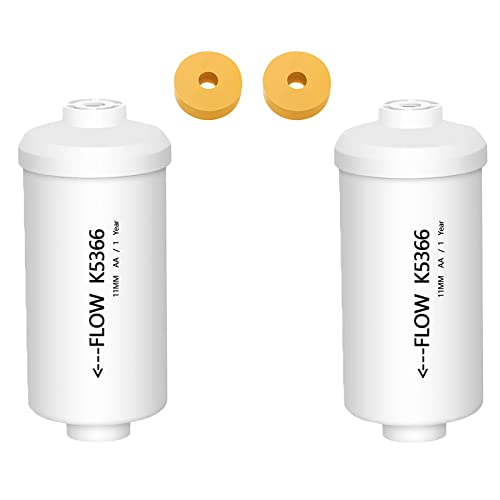
Propur Big+ Gravity Filter. Best for Fluoride Removal Without Add-Ons
Propur's ProOne G2.0 filter elements are notable for reducing fluoride without requiring a separate add-on filter, unlike the Berkey system. The Big+ system uses two G2.0 elements in a 2.75-gallon stainless steel housing and the filters address over 200 contaminants including fluoride, chlorine, heavy metals, cysts, and bacteria. Filter life is rated at 1,500 gallons per element. The build quality is comparable to Berkey and the spigot is solid stainless steel. For households with fluoride concerns who want a single-element solution without buying add-ons, Propur is the cleaner choice.
Doulton Gravity Filter. Best Ceramic Gravity Filtration
Doulton has been manufacturing ceramic water filters since 1827 and their gravity systems remain a benchmark for ceramic filtration. The Supercarb ceramic elements use a combination of ceramic outer shell, activated carbon core, and silver-impregnated bacteria control to remove sediment, bacteria, chlorine, and many organic contaminants. The system requires no priming and the ceramic elements can be cleaned with a soft brush to extend service life. Capacity options range from 1 to 3 gallons. The traditional design suits a variety of kitchen styles. Best for households who specifically prefer ceramic filtration with a well-established heritage brand.
Alexapure Pro. Best Mid-Range Countertop Gravity Filter
The Alexapure Pro uses a single hybrid ceramic and carbon composite element that the company rates for up to 5,000 gallons per filter at roughly 2 gallons per hour. It removes 200-plus contaminants including bacteria, viruses, heavy metals, and chlorine. The 2.25-gallon stainless steel construction is well made and the footprint is slightly slimmer than the Berkey. The single-element design means slightly lower flow rate, which can be a factor for larger households, but for one to three-person use it is not a practical limitation. The price point falls between budget options and premium systems while delivering performance closer to the premium tier.

AquaCera Pioneer Gravity Filter. Best Entry-Level Option
The AquaCera Pioneer is the most accessible entry point into quality gravity filtration. The ceramic CeraMetix elements reduce bacteria, cysts, sediment, chlorine, and heavy metals with a 1-year rated service life. The 2-gallon polypropylene housing keeps costs down versus stainless steel alternatives but is BPA-free. Flow rate is moderate at around 1 gallon per hour. For households stepping up from pitcher filters or looking for an affordable emergency preparedness option, the Pioneer delivers genuine contaminant reduction at a reasonable price. Not suited for households with concerns about viruses or heavy-metal contamination at elevated levels.
Before you buy
What to consider
Filtration specification is the starting point. Look for third-party testing against NSF/ANSI standards, or published lab results showing specific contaminant reduction percentages. Capacity should match your household: 2 gallons serves one to two people comfortably; 3 gallons or more suits families. Flow rate matters in high-demand households. slower filters mean longer waits between full batches. Element replacement cost and lifespan determine long-term running cost and should be factored into the total cost of ownership calculation. Finally, verify that the housing material is food-grade stainless steel or certified BPA-free.
The wrap-up
A gravity water filter is a straightforward, no-maintenance path to consistently better drinking water. The Berkey Big Berkey is the clear first choice for most households, with Propur as the alternative if fluoride removal without add-ons matters. Match capacity to your household size, factor in ongoing filter costs, and verify the contaminant reduction spec sheet covers your specific local water concerns. See our [
Quick answers
Most gravity filter elements last between 6 months and 3 years depending on the brand, element type, and daily water volume. Berkey's Black Berkey elements are rated for 3,000 gallons each, which translates to roughly 3 years for a family of four drinking 3 gallons per day. Ceramic filters like those in Doulton and Propur systems typically last 6 to 12 months. Always follow the manufacturer's replacement schedule regardless of appearance.
Standard carbon or ceramic gravity filters do not remove fluoride effectively. To remove fluoride, you need either a filter with a dedicated alumina or bone char fluoride-reduction media, or a system that includes a reverse osmosis stage. Berkey's optional PF-2 fluoride filter add-on is one common solution. Always check the filter's contaminant reduction specification sheet rather than relying on general product descriptions when fluoride removal is a priority.
Gravity countertop filters typically remove a broader range of contaminants than standard pitcher filters and have much larger capacity, often 2 to 3 gallons versus a pitcher's 0.5 gallon. The filtration rate is slower per fill but the larger reservoir means water is always ready. For households that want maximum contaminant reduction without a plumbed filter, countertop gravity systems are clearly superior to pitcher filters, though they take up more counter space.
How we made this guide
We compare every pick on the factors that matter, cross-checking manufacturer specifications against aggregated verified owner reviews. We rank independently and never take payment for placement. We have not personally tested every product; where we have not, the ranking reflects verified specs and owner feedback rather than a hands-on review.
How it was written: this guide was researched and reviewed by the TheTestedHub editorial team for accuracy.
Affiliate disclosure: TheTestedHub is reader-supported. When you buy through links on our site, we may earn a commission at no extra cost to you.
More to explore

Beverage Fridge Buying Guide: Compressor vs Thermoelectric

6 Drink Dispensers That Actually Seal Right (2026)

Skip Cheap Whiskers: Get a Real Chasen

Wondering Which Tea Infuser Is Best? Try This Basket

Don’t Buy a Coffee Pod Organizer Until You Read This

Tamp Like a Pro: Expert Chosen Tamper Mats

Coffee Scales for Every Brew, Tested for Daily Use
